
#astronomy
Total 13 articles
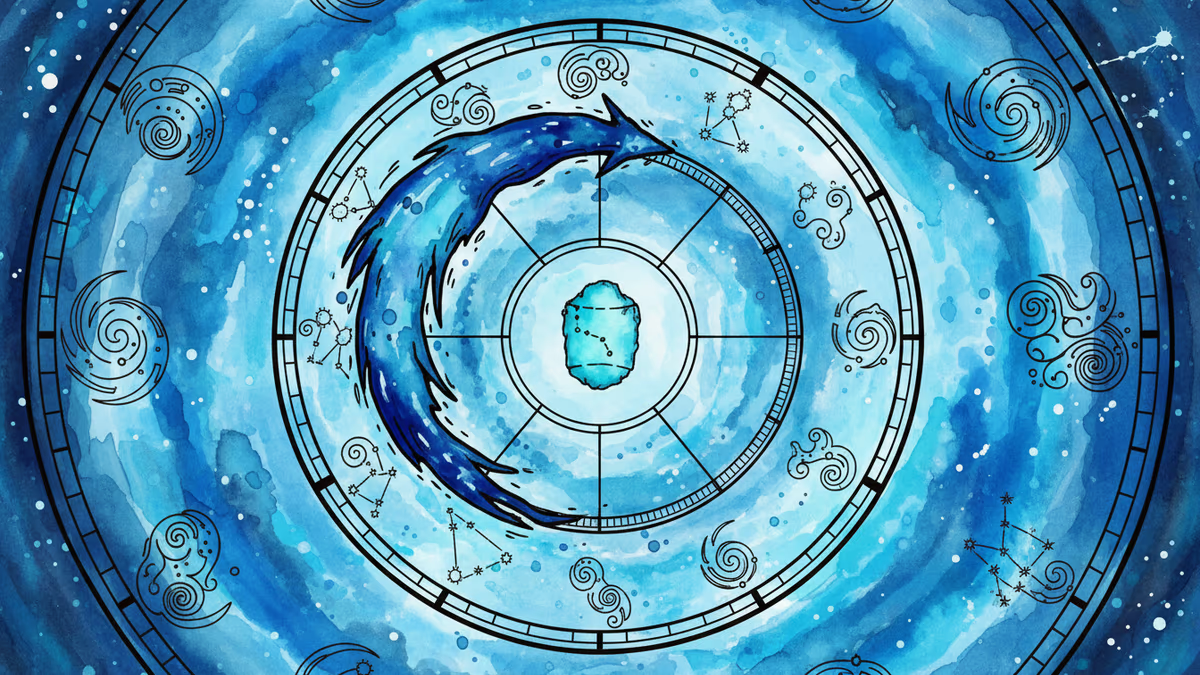
Why is Orion only visible in winter while the Big Dipper stays put year-round? A space scientist reveals the cosmic dance behind our night sky.
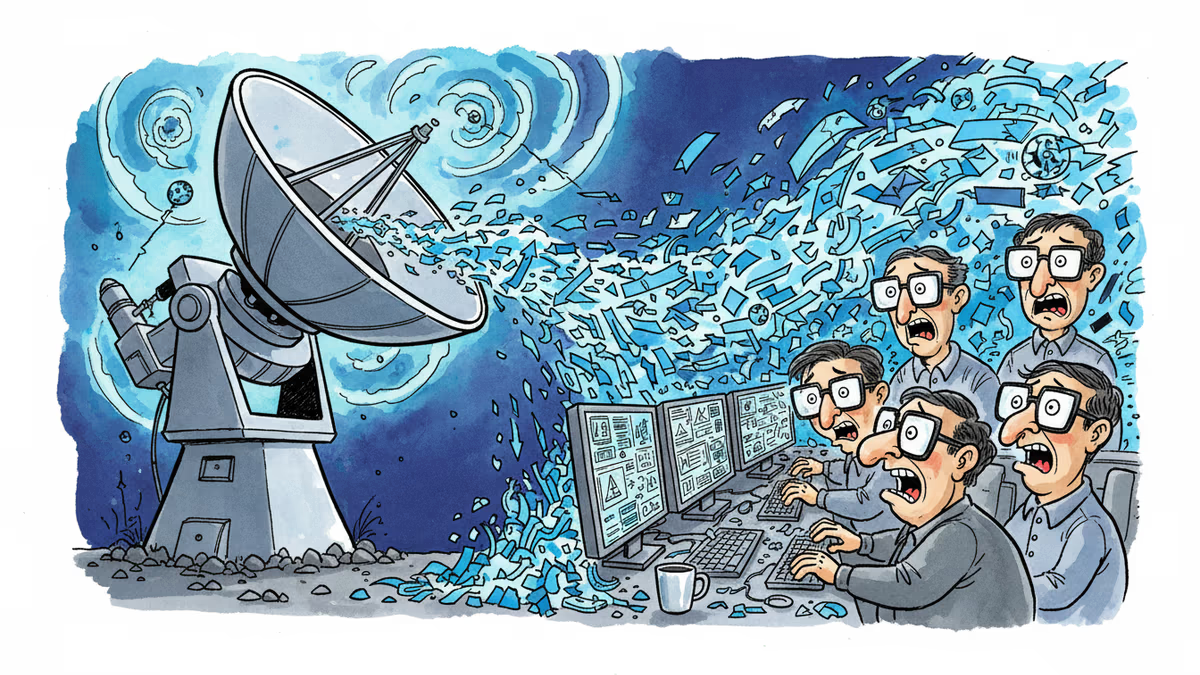
The Vera C. Rubin Observatory's automated alert system went live, flooding astronomers with 800,000 alerts about asteroids, supernovas, and black holes on its first night. The age of astronomical big data has begun.
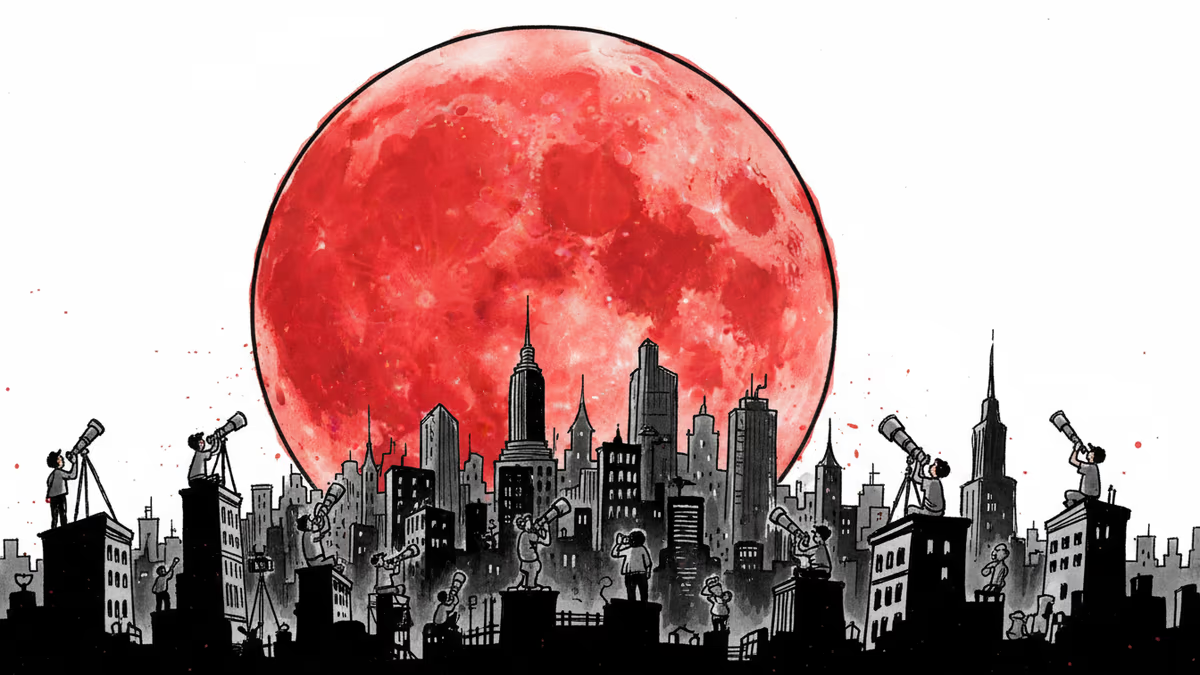
The first major astronomical event of 2026 unfolds March 3rd as a total lunar eclipse paints the moon red for just 12 minutes. Why this rare 'blood moon' matters more than you think.

PRISM by Liabooks
Place your ad in this space
[email protected]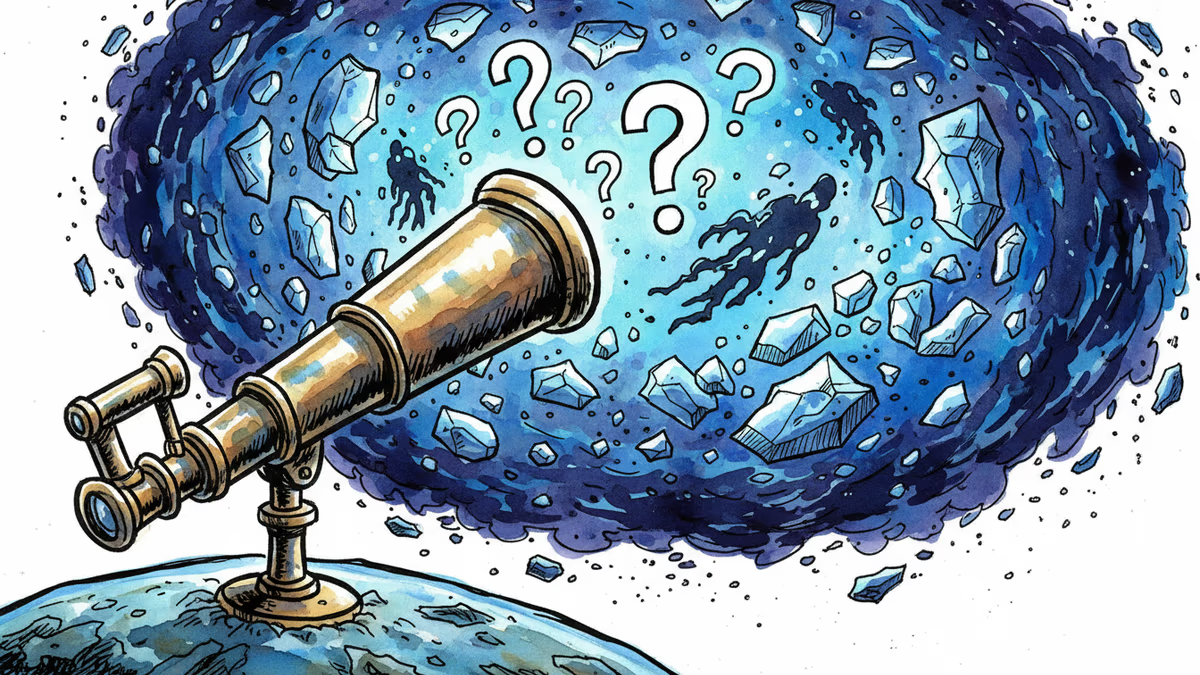
As the Kuiper Belt comes into focus with next-generation telescopes, astronomers prepare to discover 10 times more objects than the 4,000 found over 30 years—and possibly solve the Planet X mystery.
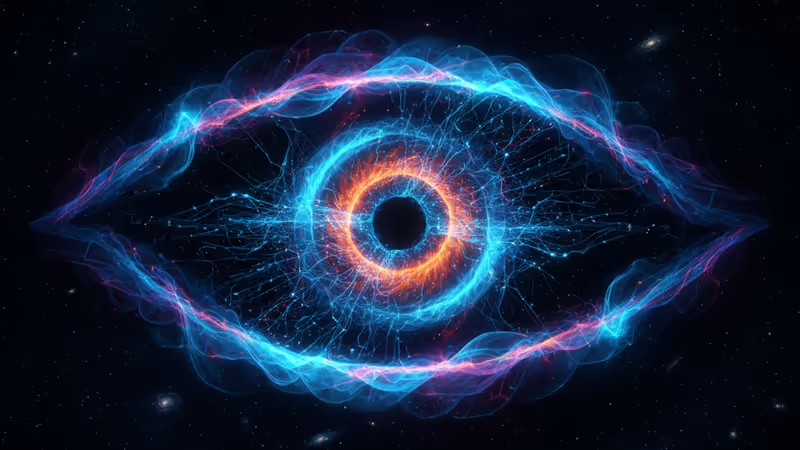
Explore the Helix Nebula, known as the 'Eye of Sauron,' located 655 light-years away. Learn how this planetary nebula offers a glimpse into the Sun's future.

Discover the Hoba meteorite in Namibia, a 60-ton cosmic giant that hasn't moved since landing 80,000 years ago. Learn why it remains Earth's largest intact meteorite.
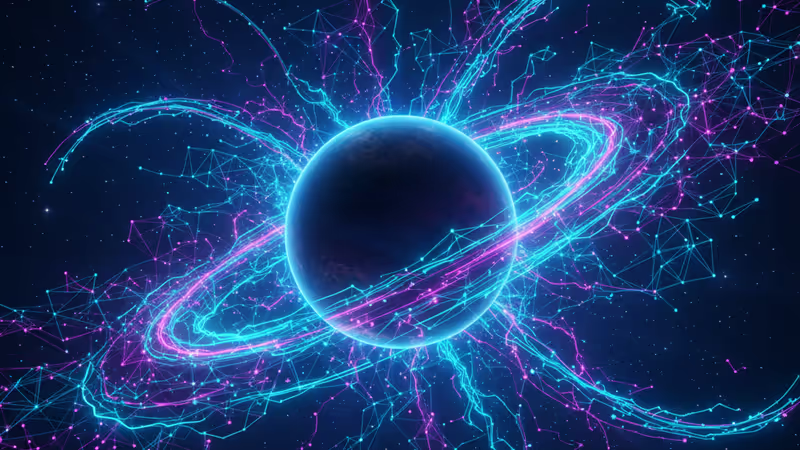
Astronomers have achieved the first direct rogue planet mass measurement using gravitational microlensing. Learn how this Saturn-mass orphan was discovered.
PRISM by Liabooks
Place your ad in this space
[email protected]
The next full moon in January 2026 is arriving on Jan. 3. Tonight's moon is already at 94% illumination. Learn about the Waxing Gibbous phase and the 29.5-day cycle according to NASA.
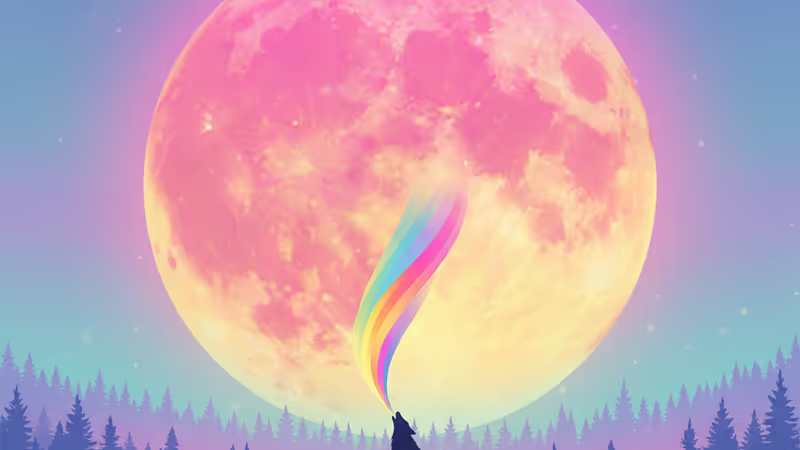
Catch the final act of the supermoon streak with the January 2026 Wolf Moon Supermoon. Peak illumination occurs Jan 3. Discover why it's a must-watch event.

As of December 24, 2025, the moon is a Waxing Crescent. Learn about the 8 phases of the lunar cycle, from New Moon to Full Moon, as explained by NASA.
The winter solstice is more than the shortest day of the year. Did you know it's not the coldest day, nor the day with the earliest sunset? Discover the fascinating science and cultural history behind this astronomical event.
PRISM by Liabooks
Place your ad in this space
[email protected]
Interstellar comet 3I/ATLAS is here. We analyze why this third visitor matters more for big data and space tech than for alien hunters. A PRISM deep dive.
