
#US-China relations
Total 115 articles

Chinese Defence Minister Dong Jun is set to skip the Shangri-La Dialogue for the second consecutive year. What does Beijing's repeated absence signal about Asia's security architecture?

Trump's Beijing visit was a masterclass in diplomatic theater. Warm handshakes, viral selfies, and noodle runs. But Taiwan, Iran, and rare earths remain untouched. Here's what the spectacle obscures.

As Trump and Xi meet in Beijing, five tech flashpoints—chips, AI rivalry, supply chains, EVs, and rare earths—will quietly shape the global economy more than any diplomatic communiqué.

PRISM by Liabooks
Place your ad in this space
[email protected]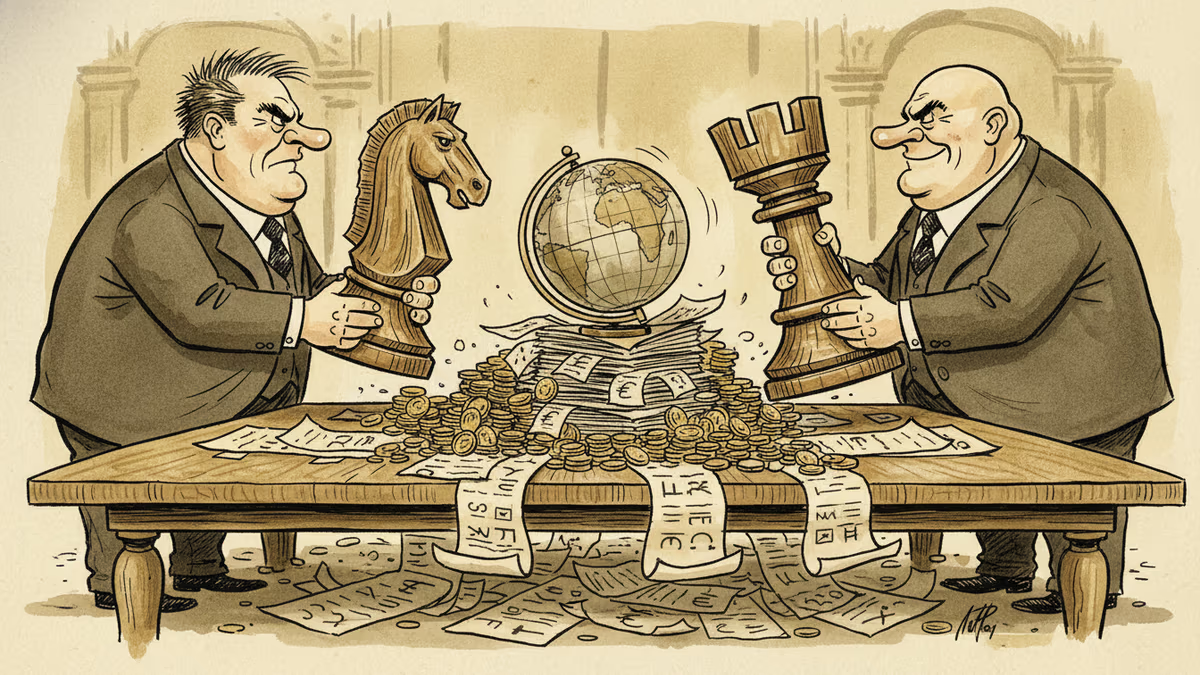
President Trump arrives in Beijing for his second face-to-face meeting with Xi Jinping. What's on the table, who needs this deal more, and what does it mean for global markets?
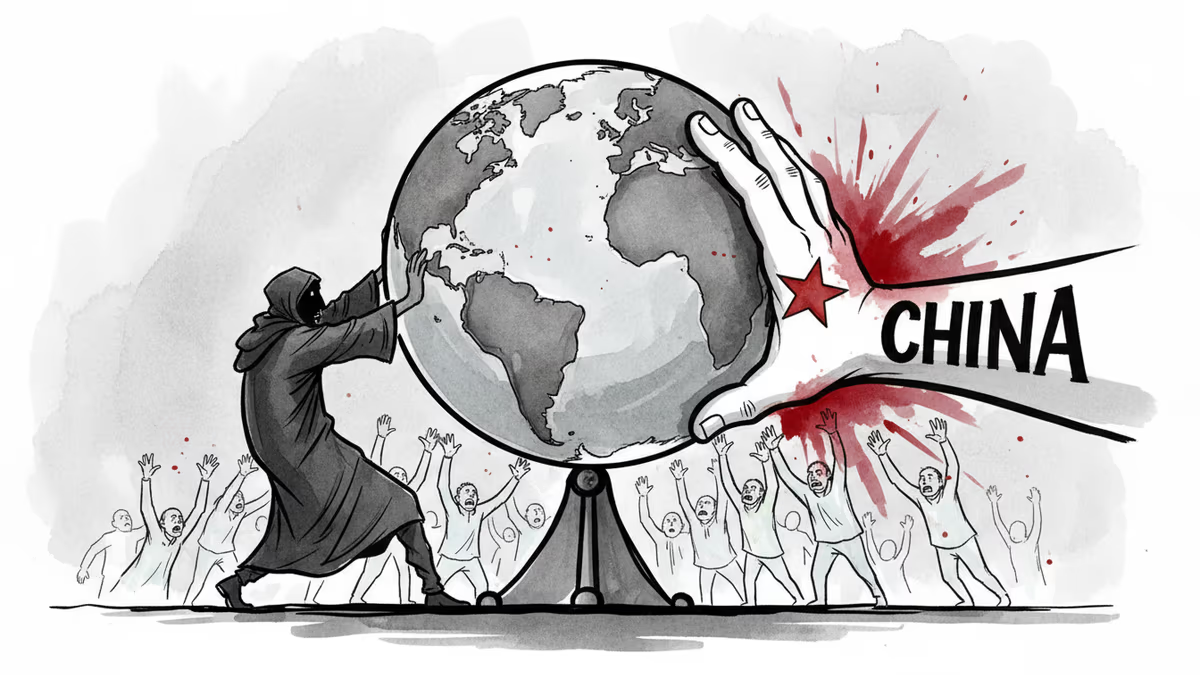
China's top diplomat rejected US-China co-leadership and called for a multipolar world anchored in the UN. What does Beijing's vision actually mean—and who benefits?
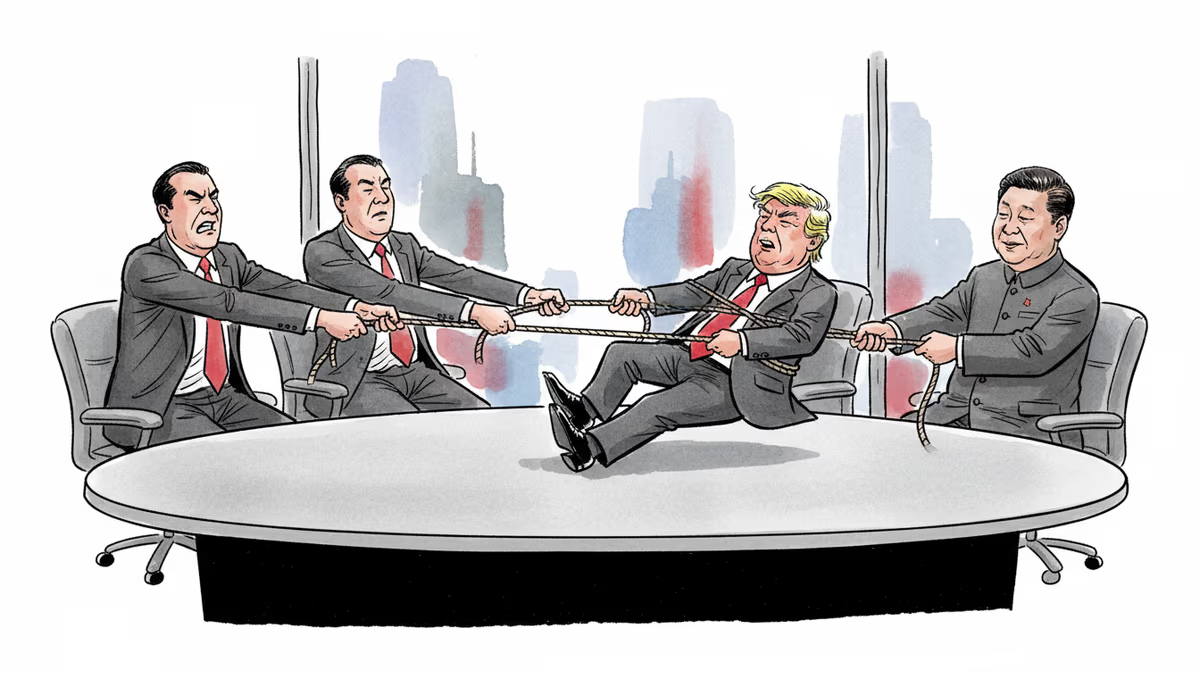
U.S. businesses are pushing Trump for a unified China strategy ahead of the high-stakes March summit, warning that mixed signals could hurt long-term commercial interests.
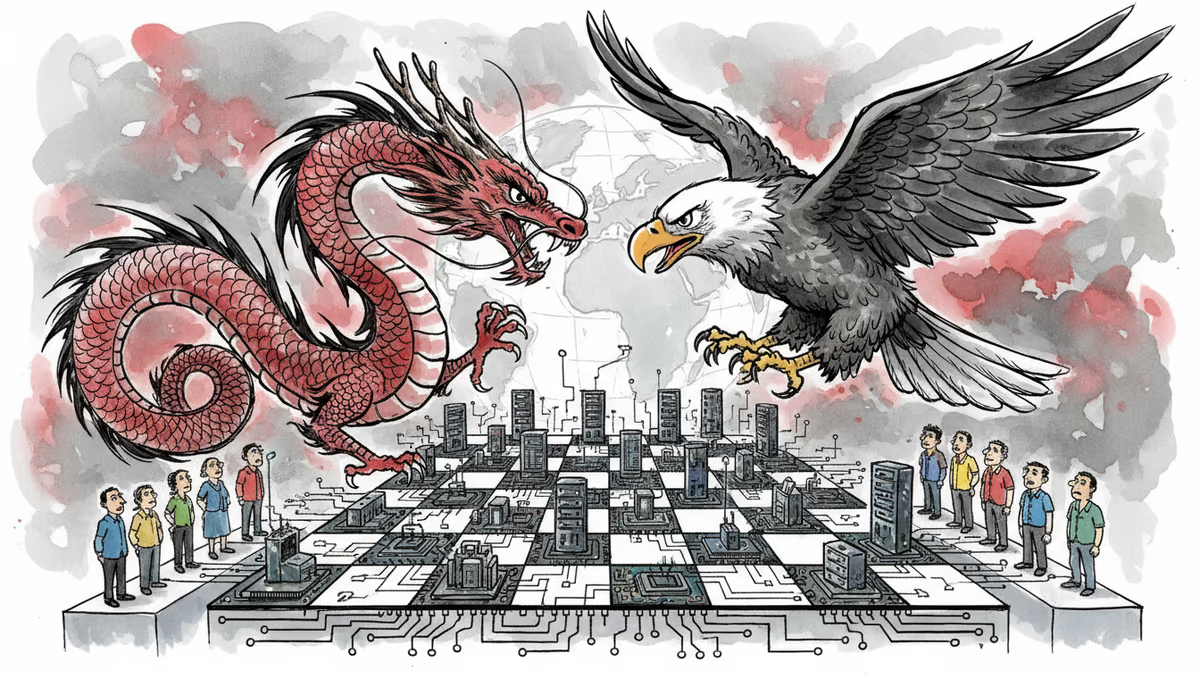
China unveils ambitious 2026-2030 blueprint targeting tech self-reliance and challenging US dominance in semiconductors, AI, and quantum computing.
PRISM by Liabooks
Place your ad in this space
[email protected]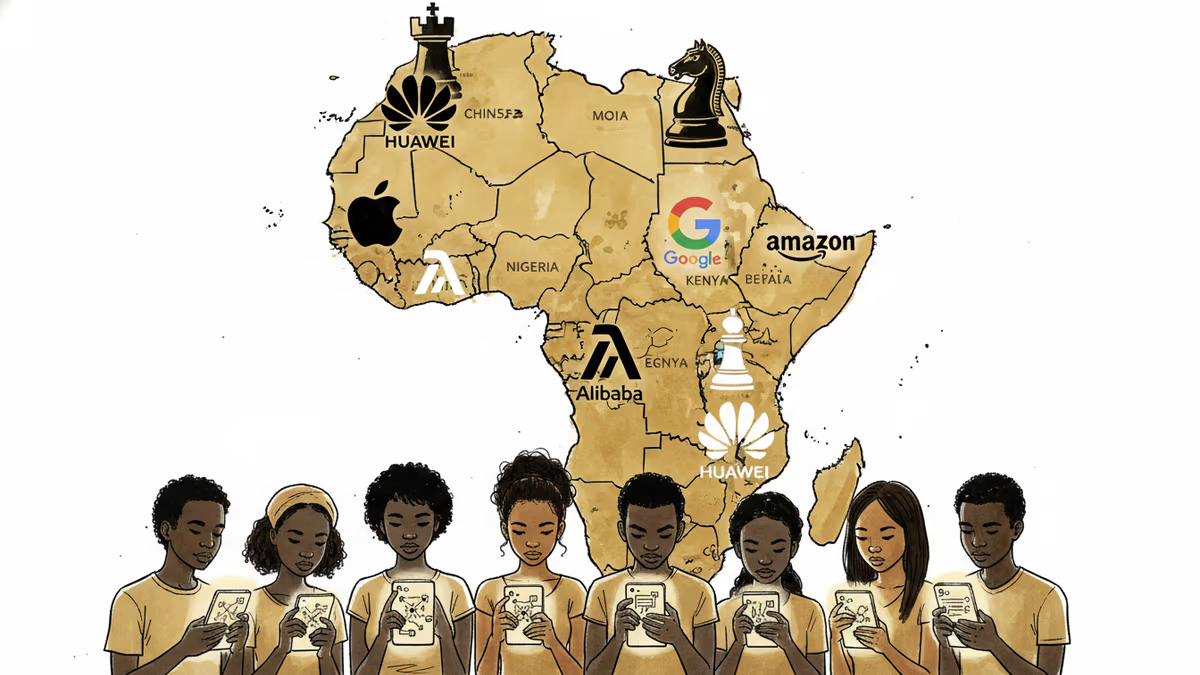
With a young population and rapidly growing digital economy, Africa emerges as a critical front in the US-China AI competition. By 2050, one in four people globally will be African

After Iran leadership strikes, Chinese analysts question popular narrative of US decline, recognizing America's evolved military capabilities and strategic will.
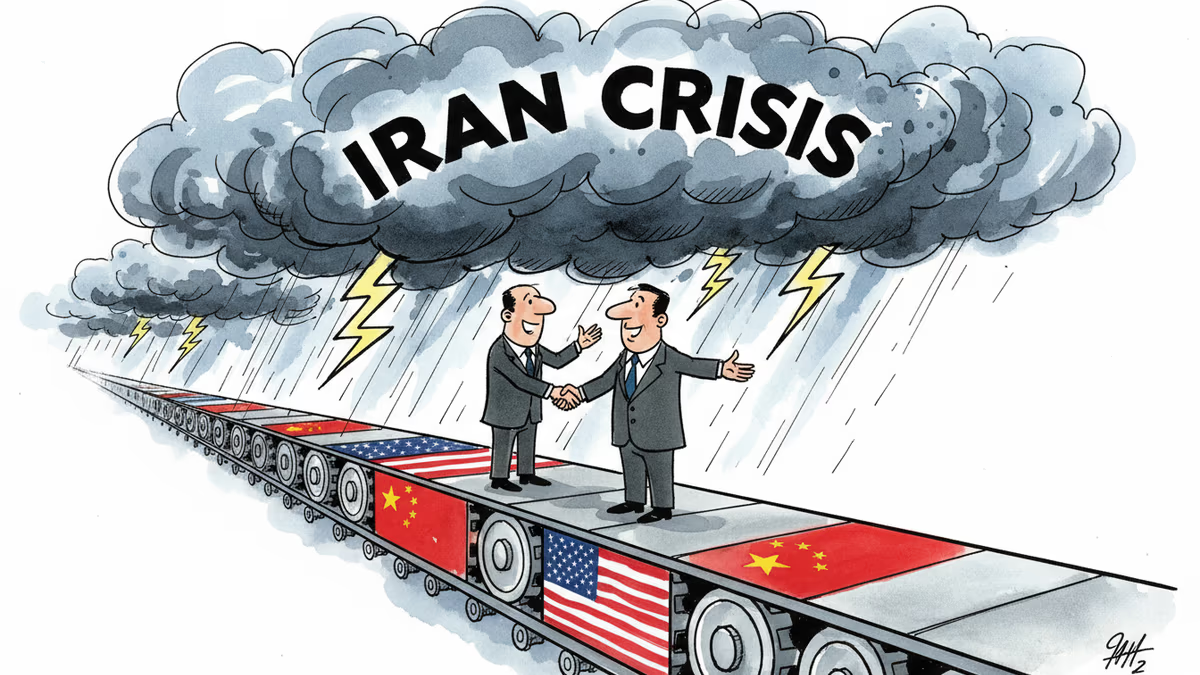
Despite predictions that Operation Epic Fury would derail Trump's planned China visit, understanding Beijing's institutional machinery suggests the summit will proceed - with energy now at its center.
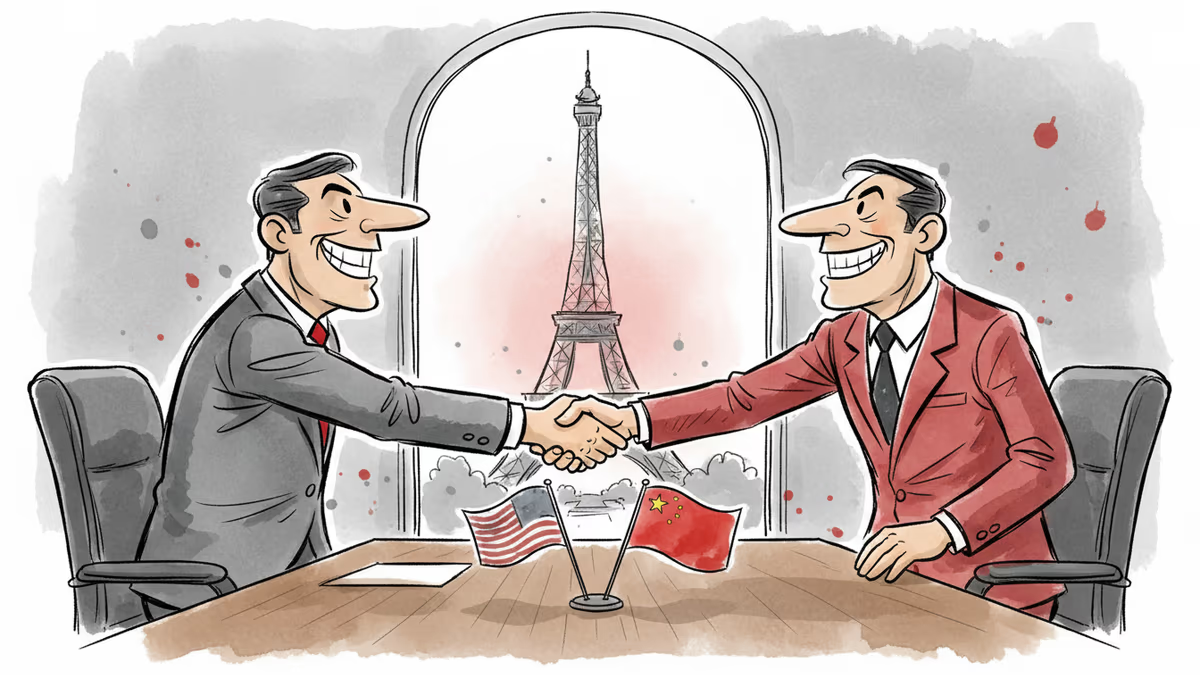
China and the US will hold high-level trade negotiations in Paris next week, ahead of Trump's China visit. What's behind this strategic venue choice?
PRISM by Liabooks
Place your ad in this space
[email protected]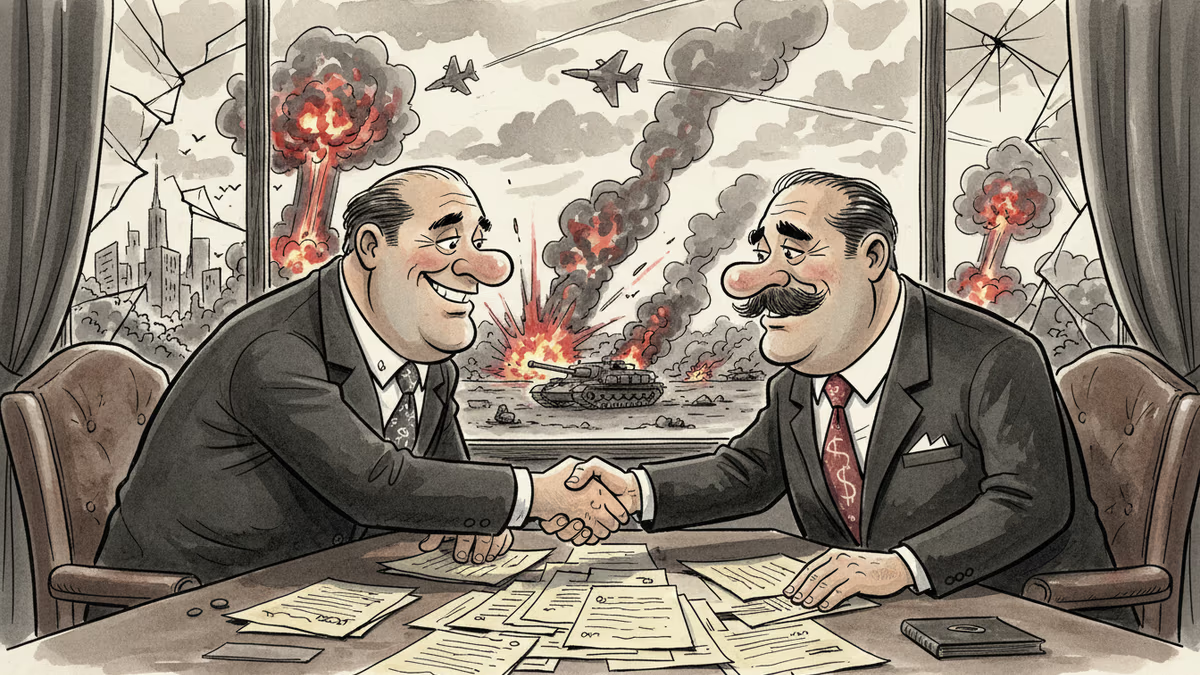
US-China trade teams will meet in Paris mid-March as planned summit between leaders proceeds despite American military action in Middle East, signaling economic priorities over geopolitical tensions.
