
#Strait of Hormuz
Total 69 articles
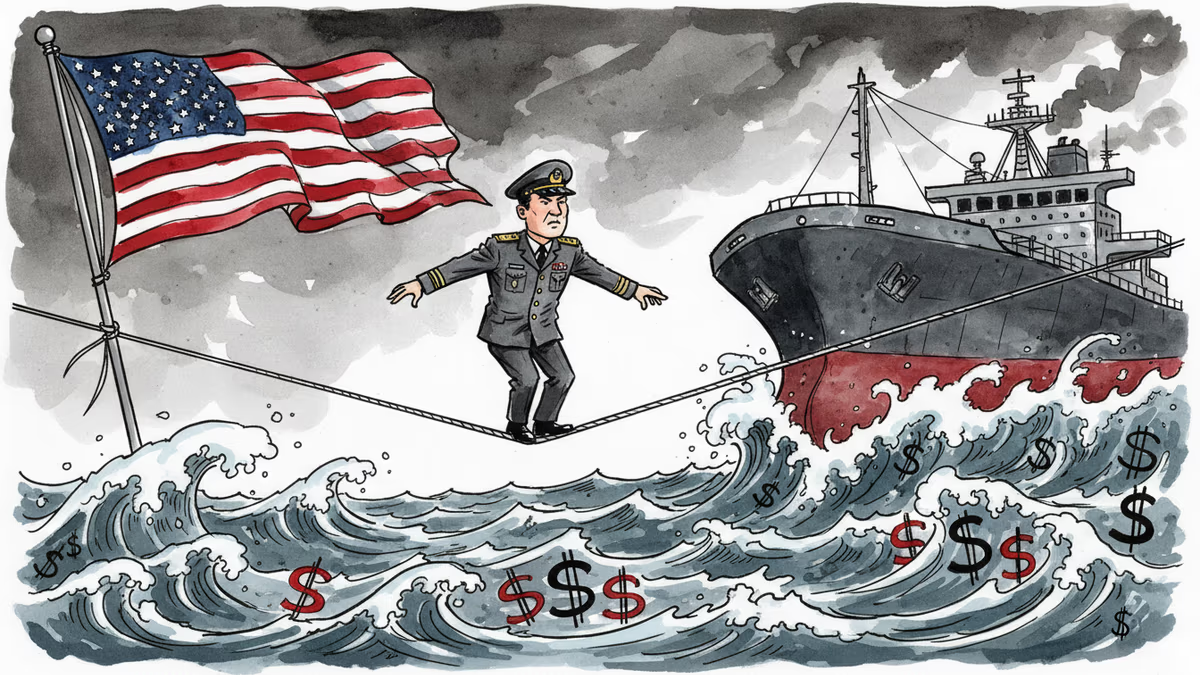
Trump's demand for warships at the Strait of Hormuz has cornered South Korea between alliance loyalty and $68 billion in Middle East exposure. How Seoul decides may define its diplomacy for years.
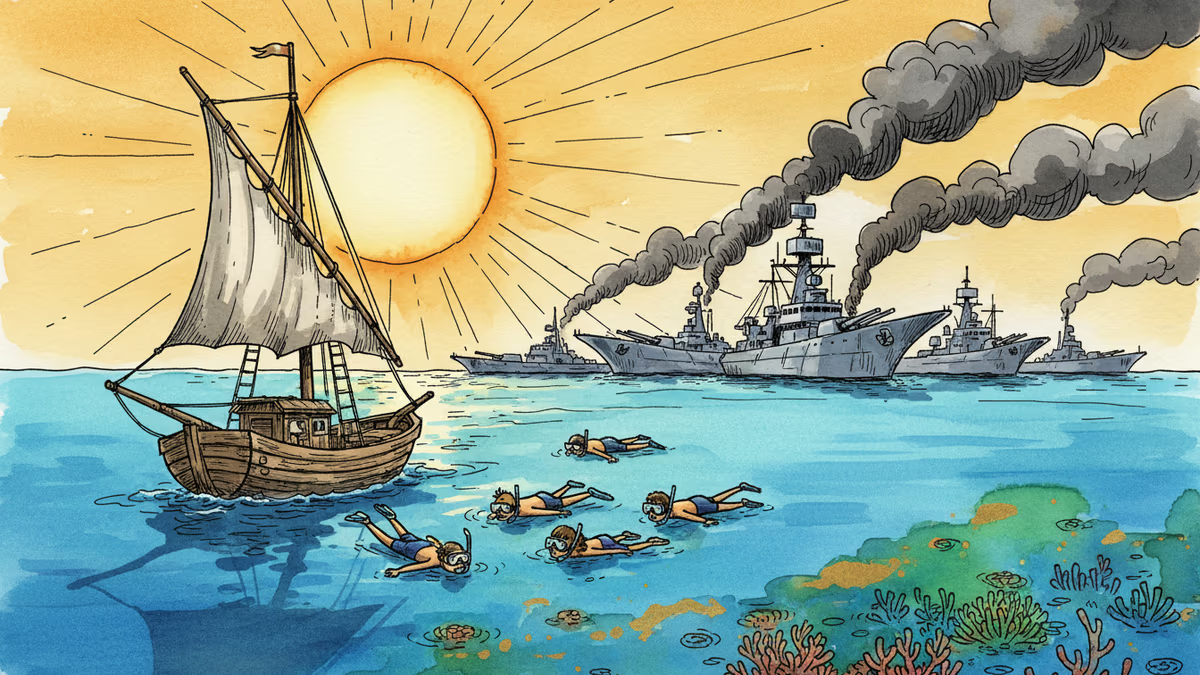
As Iran choked the Strait of Hormuz and drones struck within 500 yards of his hotel, one journalist chartered a dhow and went snorkeling. What that tells us about war, distance, and the world's most important waterway.
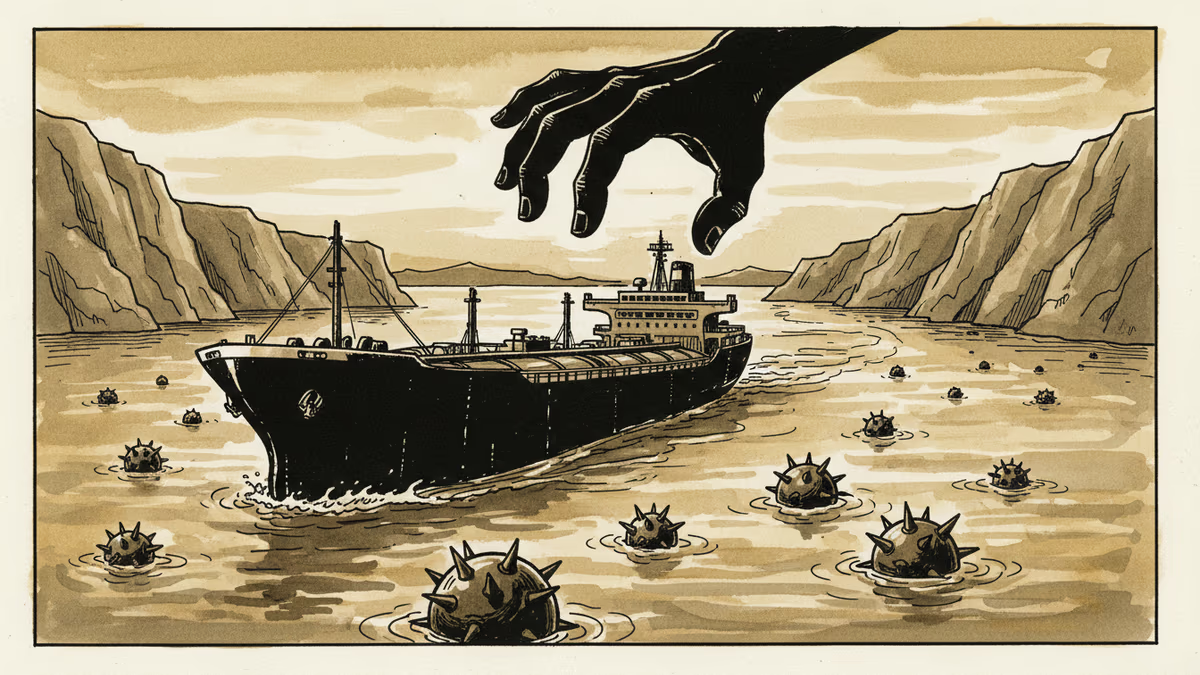
Iran's mining capabilities in the Strait of Hormuz could threaten 20% of global oil supply. Here's what that means for energy markets, naval strategy, and your fuel bill.

PRISM by Liabooks
Place your ad in this space
[email protected]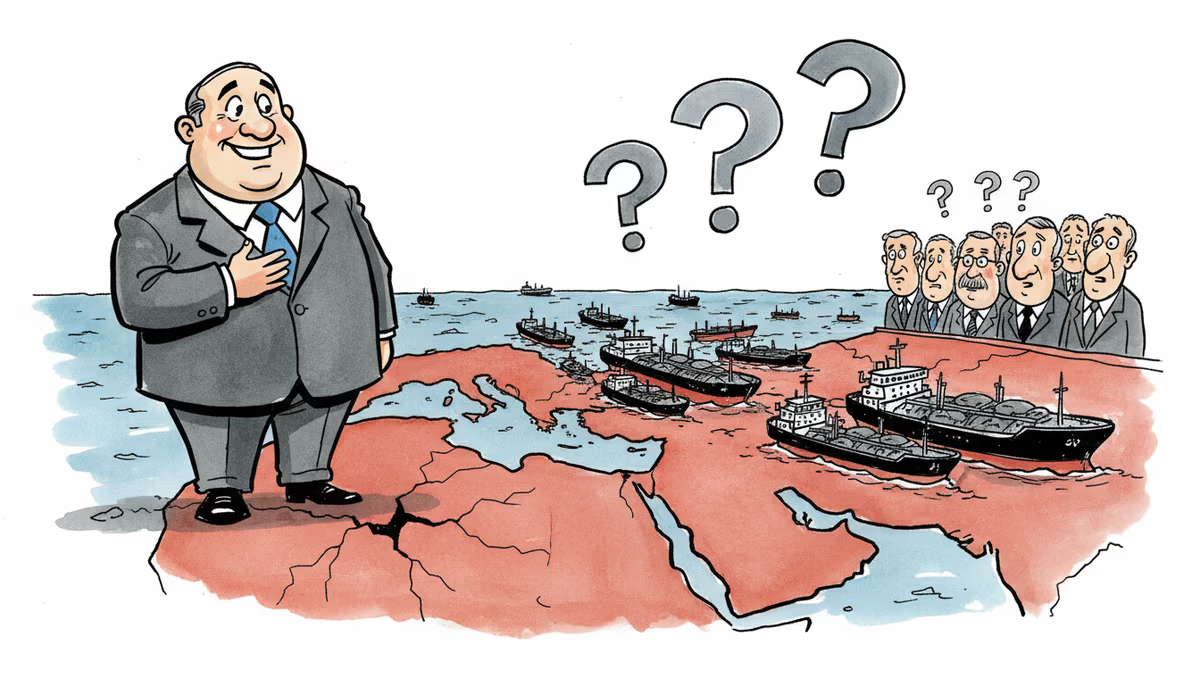
On day 14 of the US-Israel-Iran war, Trump vows to hit Iran "very hard" next week and says the war ends when he feels it "in my bones." What does that mean for oil markets, the Strait of Hormuz, and global stability?
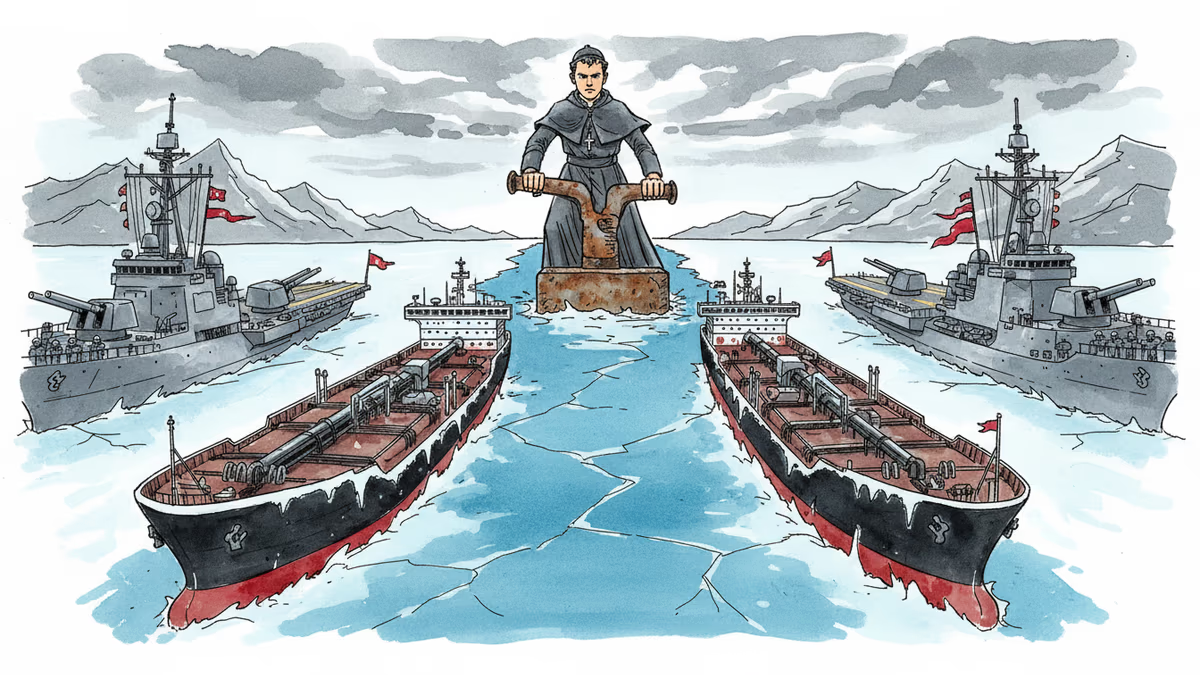
Iran's new Supreme Leader Mojtaba Khamenei has vowed to block the Strait of Hormuz and attack US bases. With 20% of global oil shipments at stake, the world is watching.
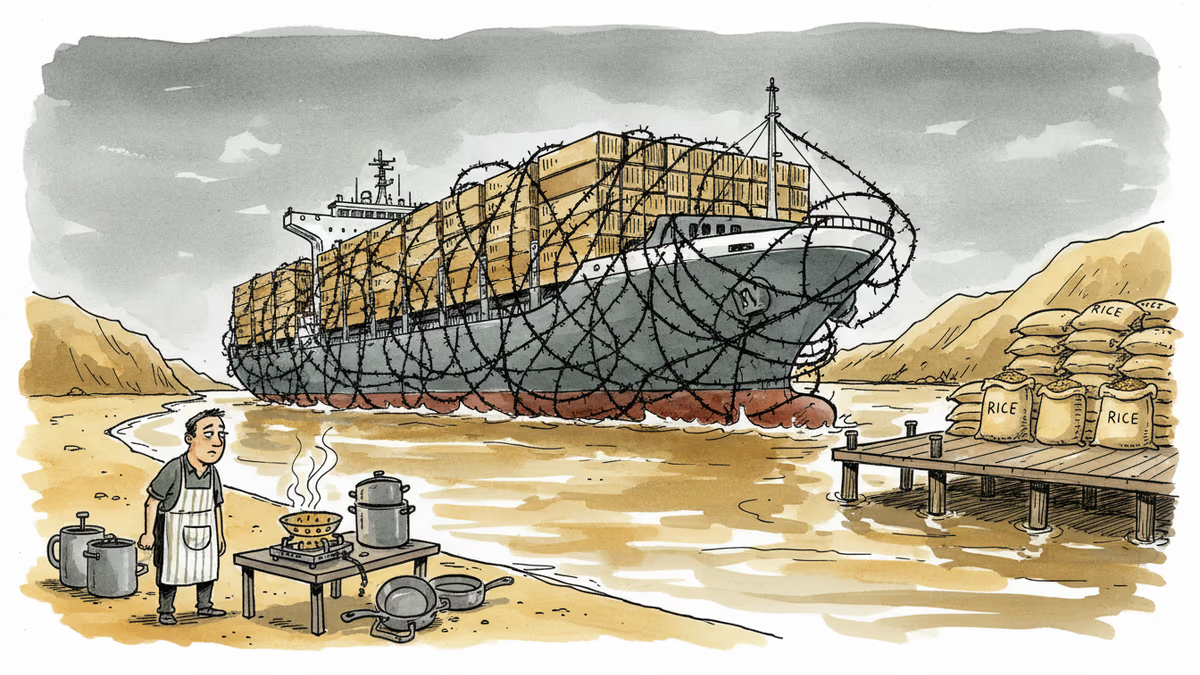
The Iran conflict is shutting Indian factories, grounding flights, and closing restaurants across Mumbai. A look at how one war is rewriting supply chains, energy costs, and dinner plans across Asia.
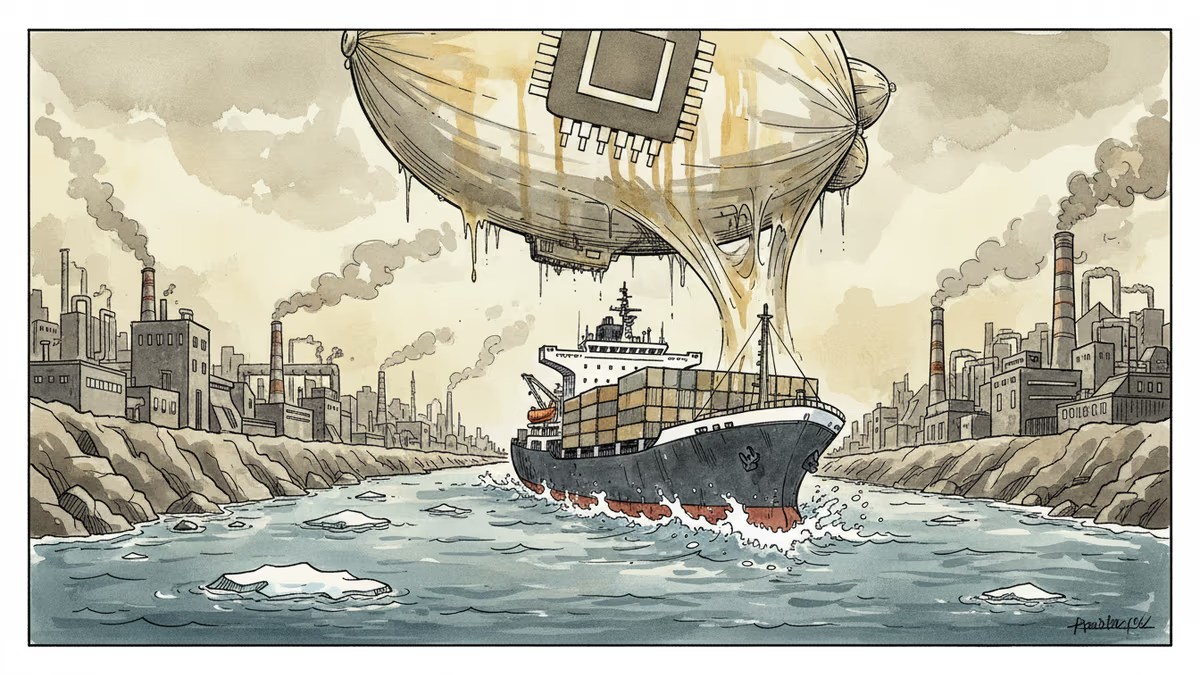
The de facto closure of the Strait of Hormuz is threatening helium and LNG supplies to South Korea and Taiwan, putting semiconductor production lines at risk. Here's what's at stake.
PRISM by Liabooks
Place your ad in this space
[email protected]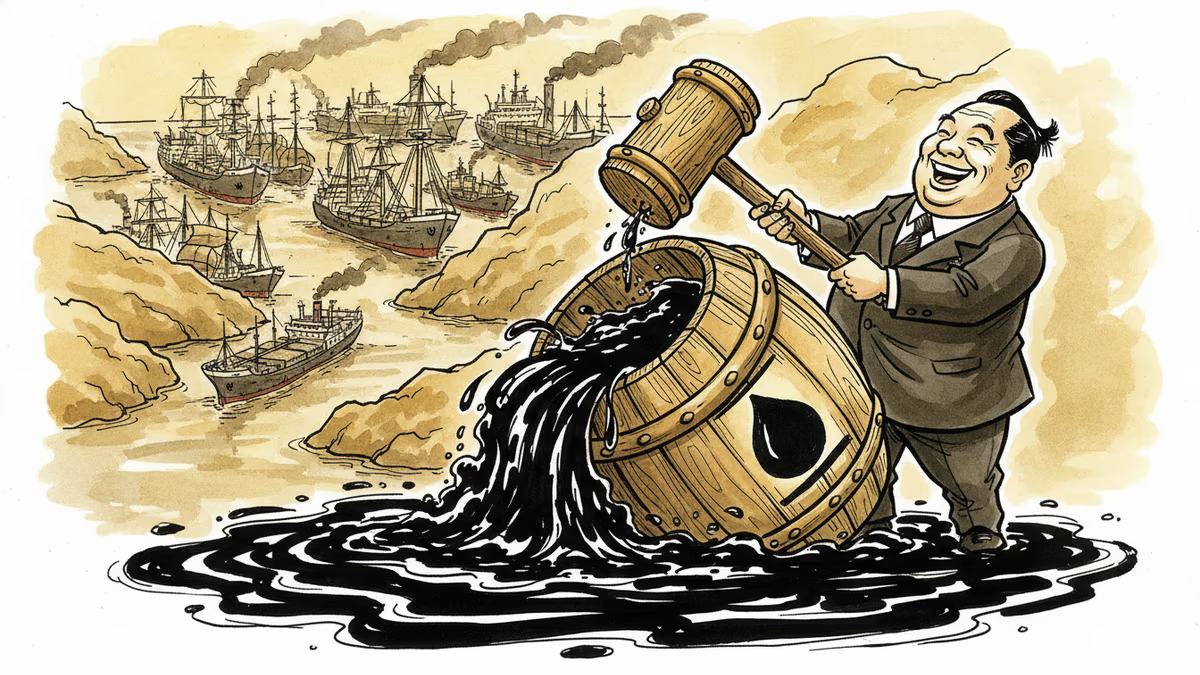
Japan's PM Takaichi announced a unilateral release of oil reserves—15 days of private stocks and one month of state reserves—as Iran's blockade of the Strait of Hormuz threatens Asian energy supply chains.
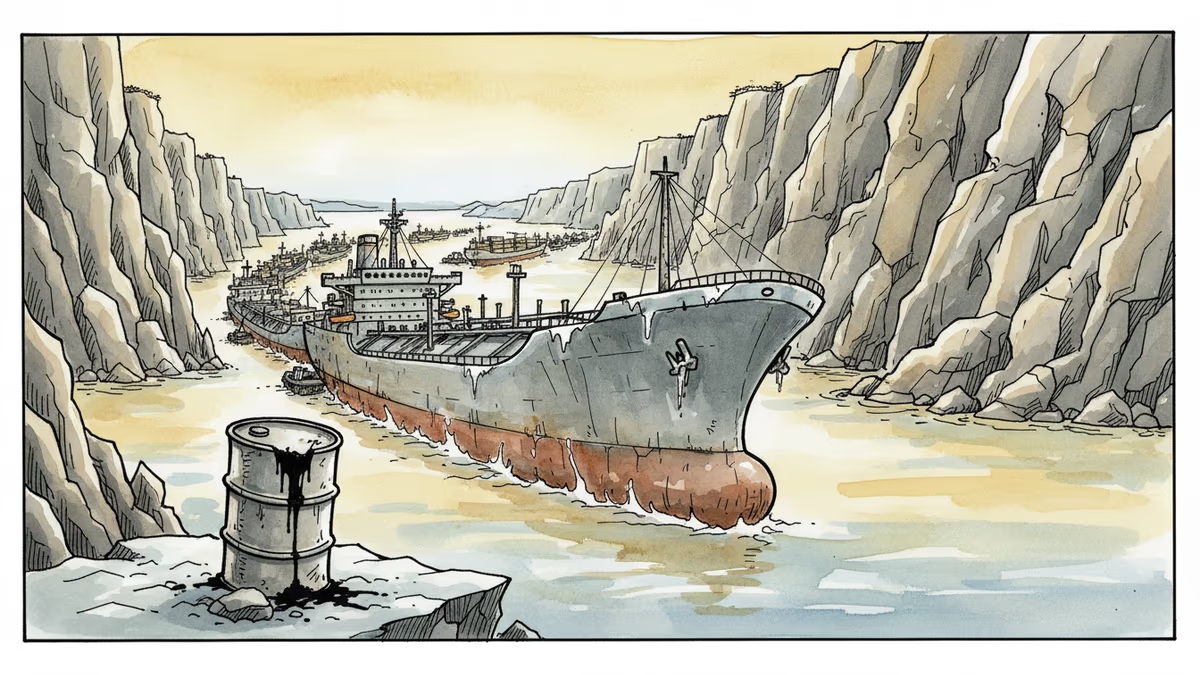
U.S. military strikes on Iran have effectively shut down the Strait of Hormuz, choking 21% of global crude supply. Southeast Asia's energy importers are already paying the price — and the crisis is just beginning.
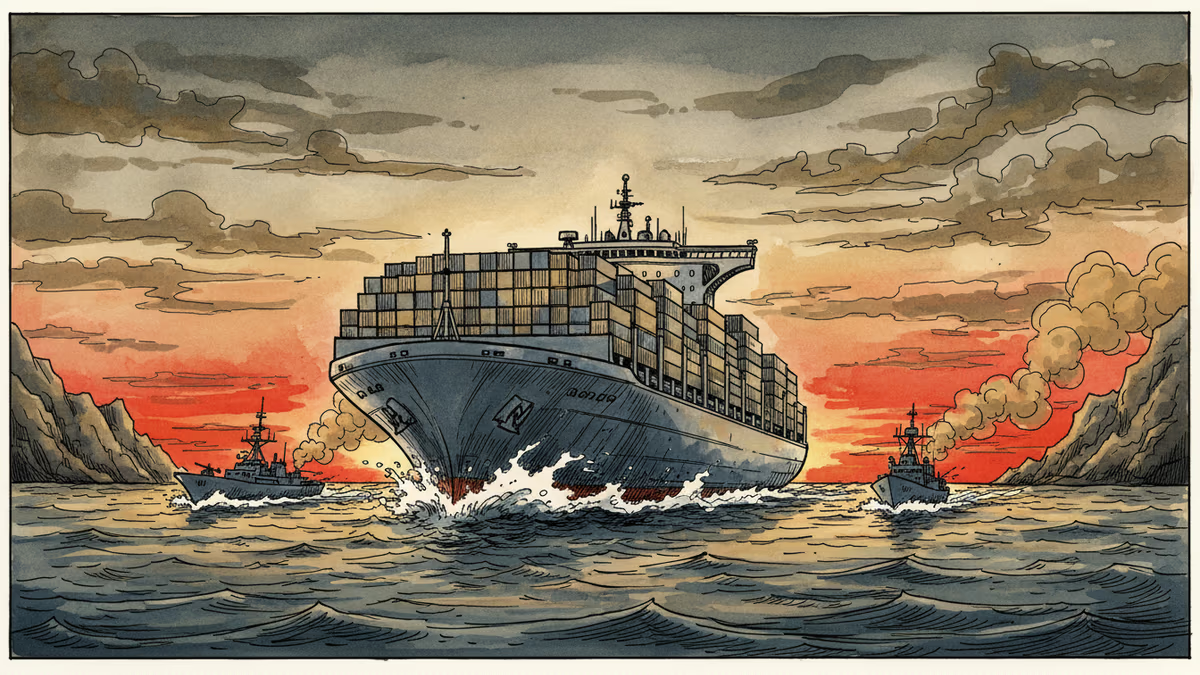
A container ship operated by Ocean Network Express, backed by Japan's three major shipping lines, was damaged in the Persian Gulf amid escalating US-Iran-Israel tensions. Here's what it means for global energy and trade.
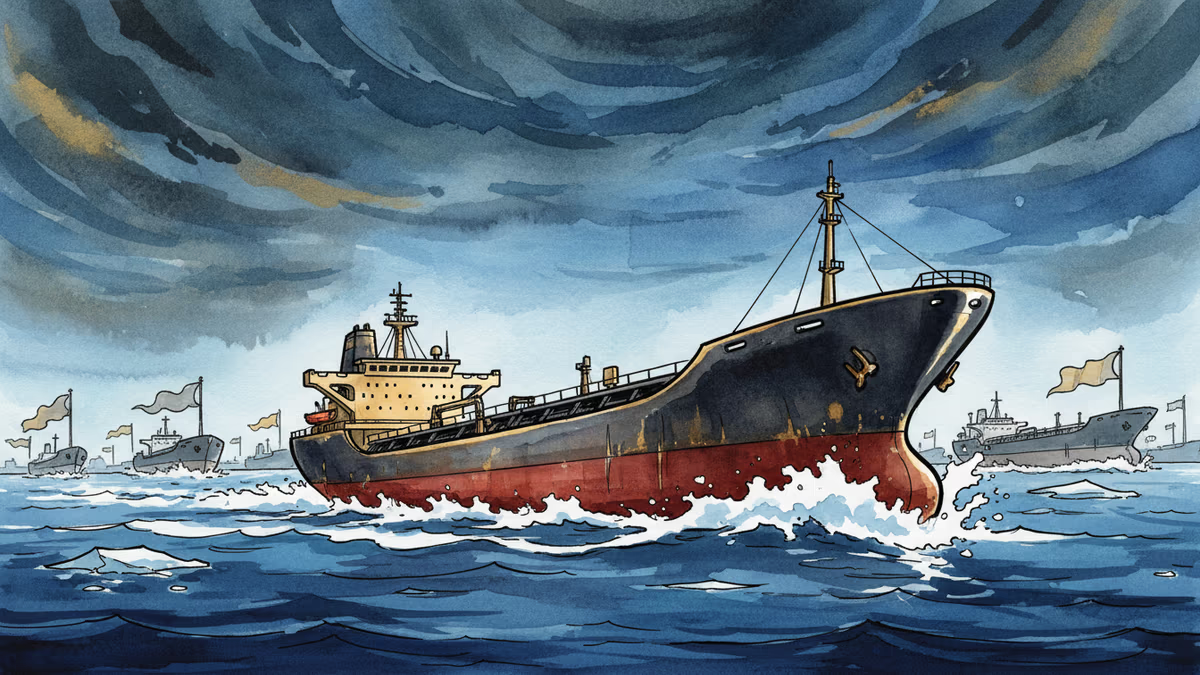
With the Strait of Hormuz effectively closed, the only tankers still moving are those that ignore international rules. What the shadow fleet reveals about how ocean governance really works.
PRISM by Liabooks
Place your ad in this space
[email protected]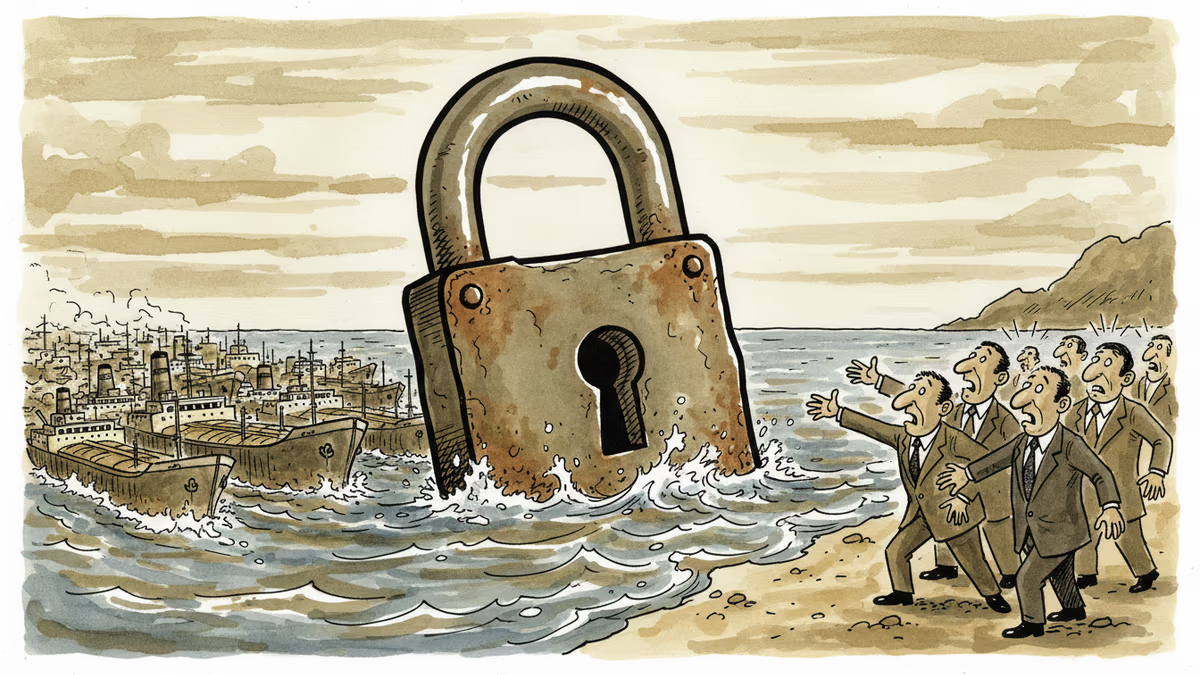
An Iran conflict could choke the Strait of Hormuz and send shockwaves through global energy markets. We map out which economies are most exposed — and why it matters now.
