
#Strait of Hormuz
Total 69 articles

Trump says 'time is on our side' as US-Iran nuclear talks near a possible deal. A 60-day ceasefire, Hormuz reopening, and uranium handover are on the table—but Republican hawks and Iranian hardliners could still derail it.
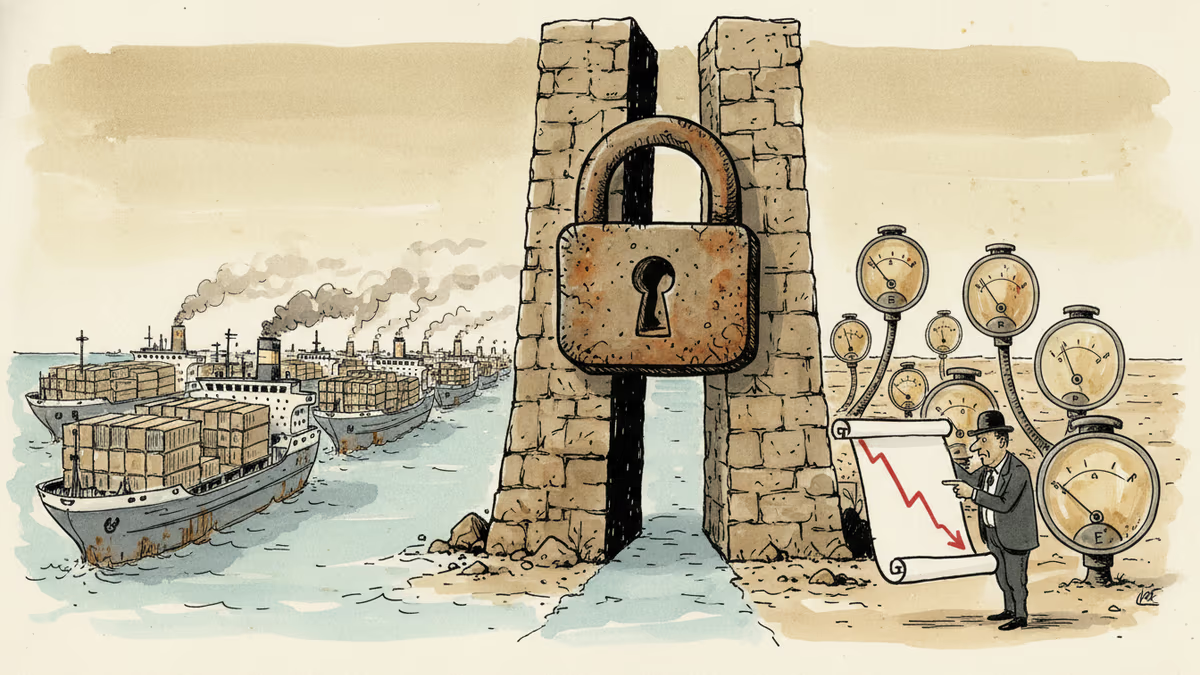
The UN has cut its 2026 global growth forecast to 2.5%, citing the Iran war's disruption of Hormuz shipping. Even after a ceasefire, only 10 ships a day pass where 130 once did.
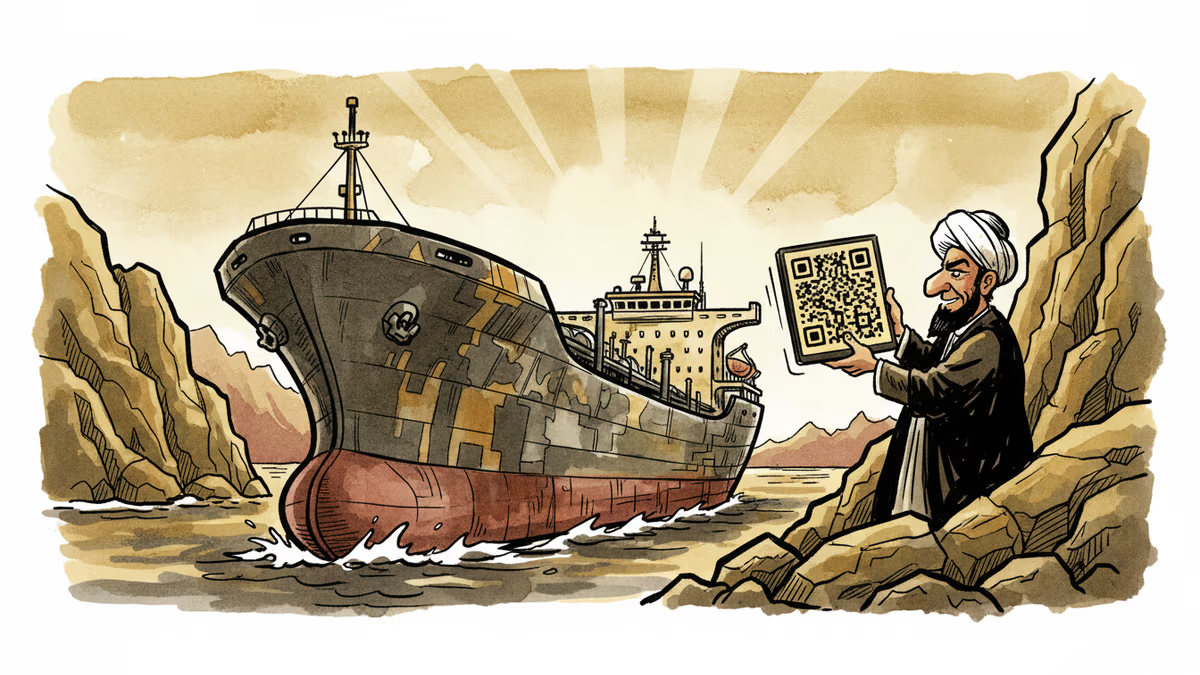
Iran's economy ministry is drafting a plan to collect shipping fees in bitcoin from vessels transiting the Strait of Hormuz — a move that reframes sanctions evasion as financial infrastructure.

PRISM by Liabooks
Place your ad in this space
[email protected]
Trump arrives in Beijing as the Iran war strains global energy markets. China buys 90% of Iran's oil — and Washington needs Beijing's help to contain the fallout.
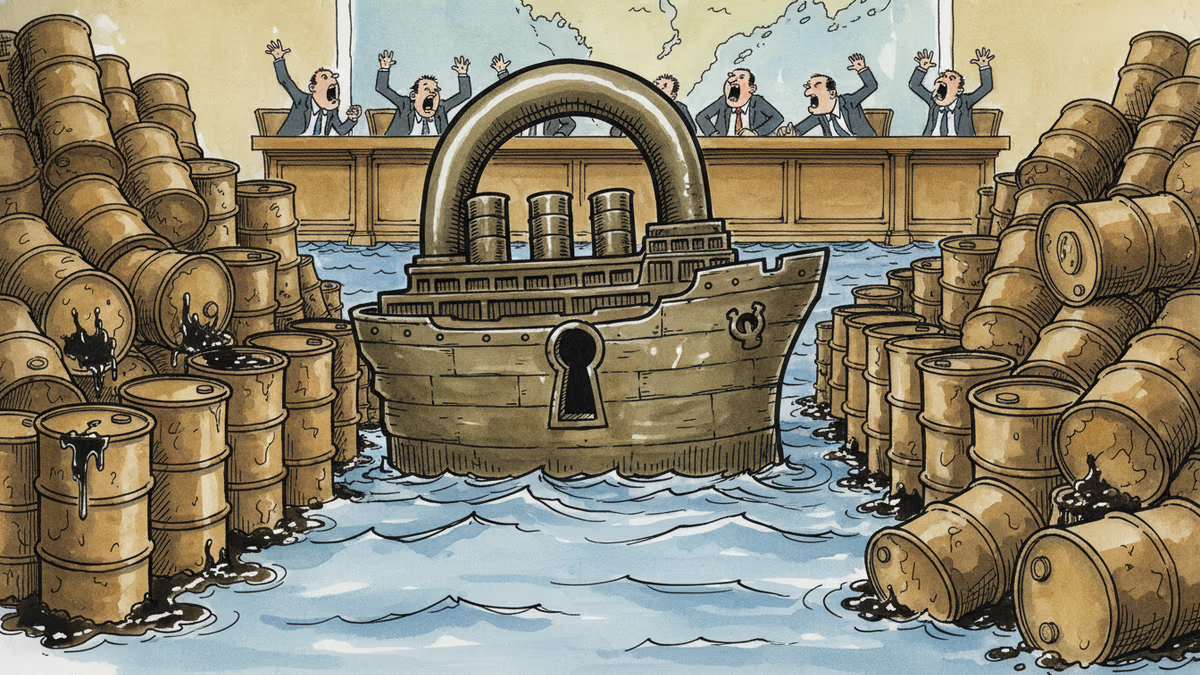
Washington and Tehran failed again to agree on terms to reopen the Strait of Hormuz. With 20% of global seaborne oil at stake, every day of deadlock has a price—and consumers are paying it.
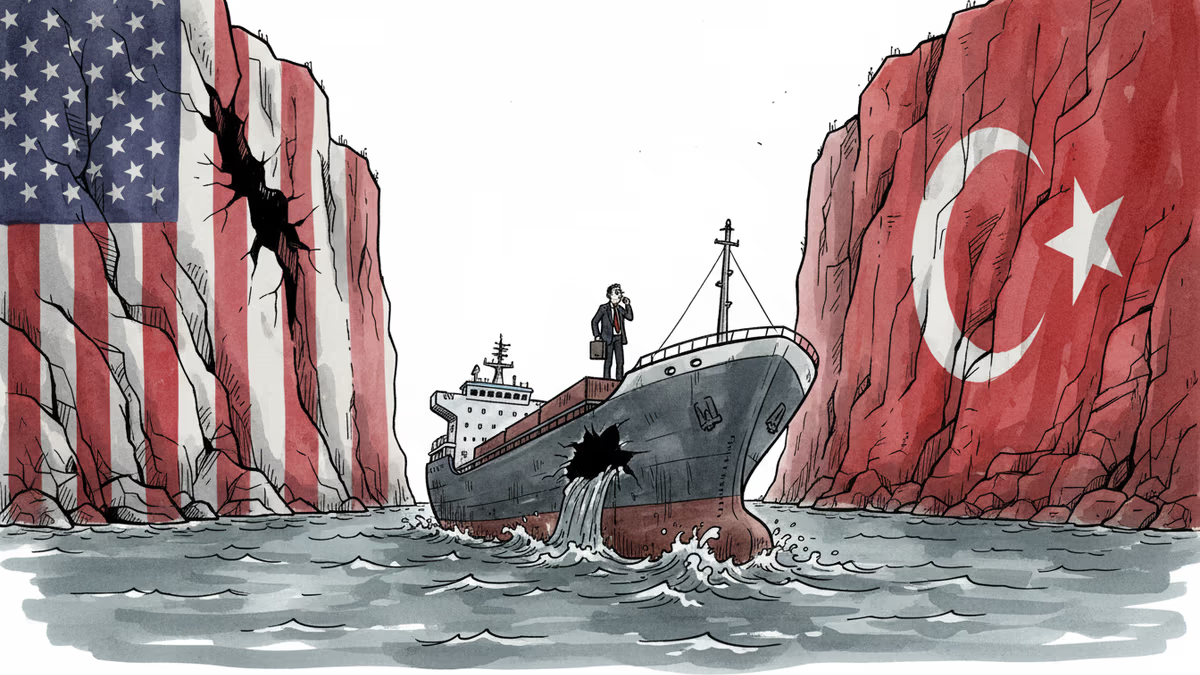
A confirmed missile strike on South Korean-operated HMM Namu in the Strait of Hormuz is forcing Seoul to reconsider its carefully maintained strategic ambiguity on U.S.-led maritime security operations.
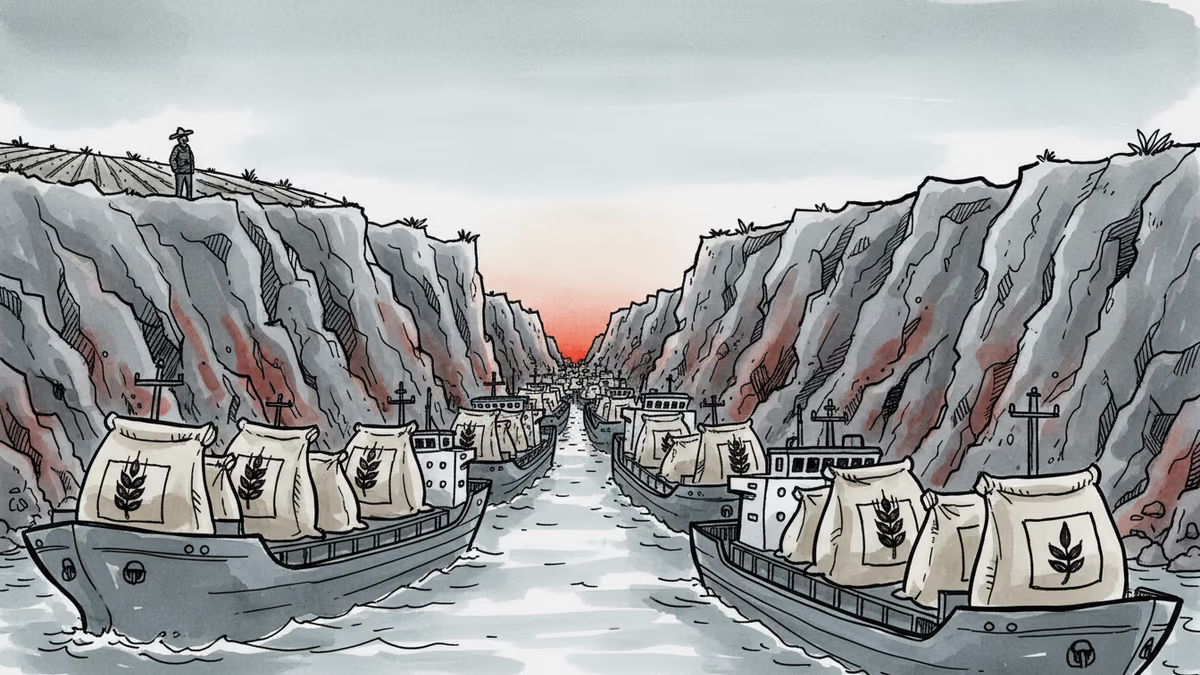
A US-Israeli blockade of the Strait of Hormuz since February 2026 is threatening the global fertilizer supply chain. With planting season approaching, the UN warns of cascading food security shocks.
PRISM by Liabooks
Place your ad in this space
[email protected]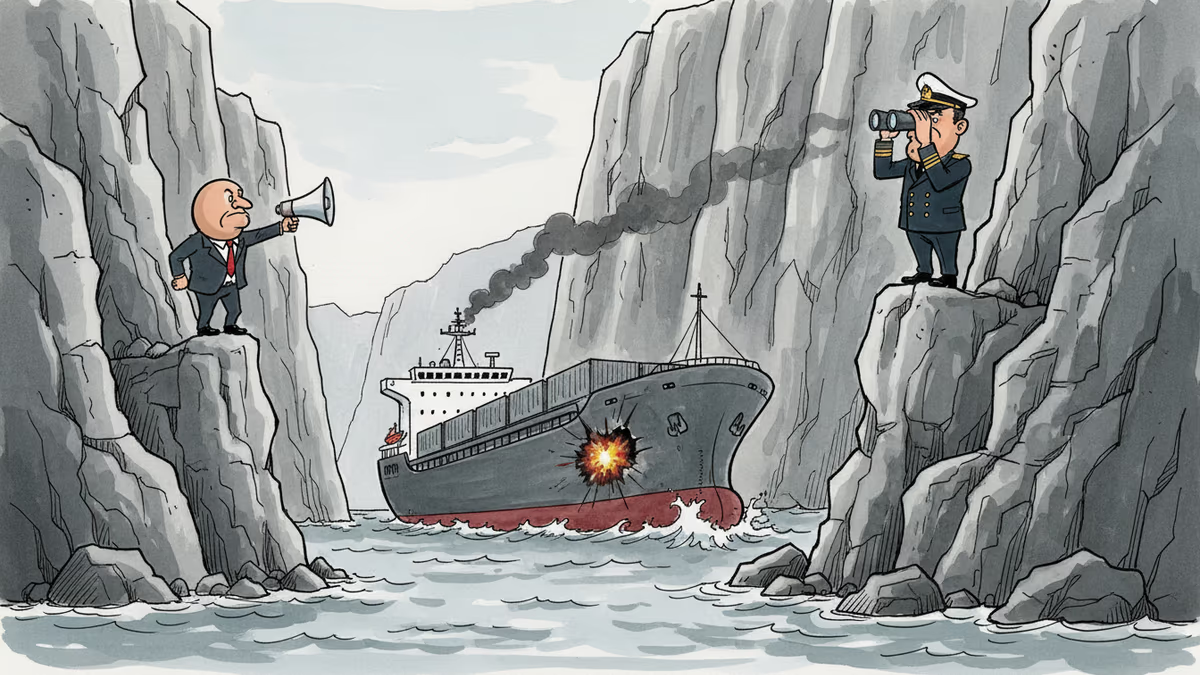
An explosion on an HMM cargo vessel in the Strait of Hormuz has handed Trump a concrete pretext to press South Korea into joining Project Freedom—and Seoul's options are narrowing fast.
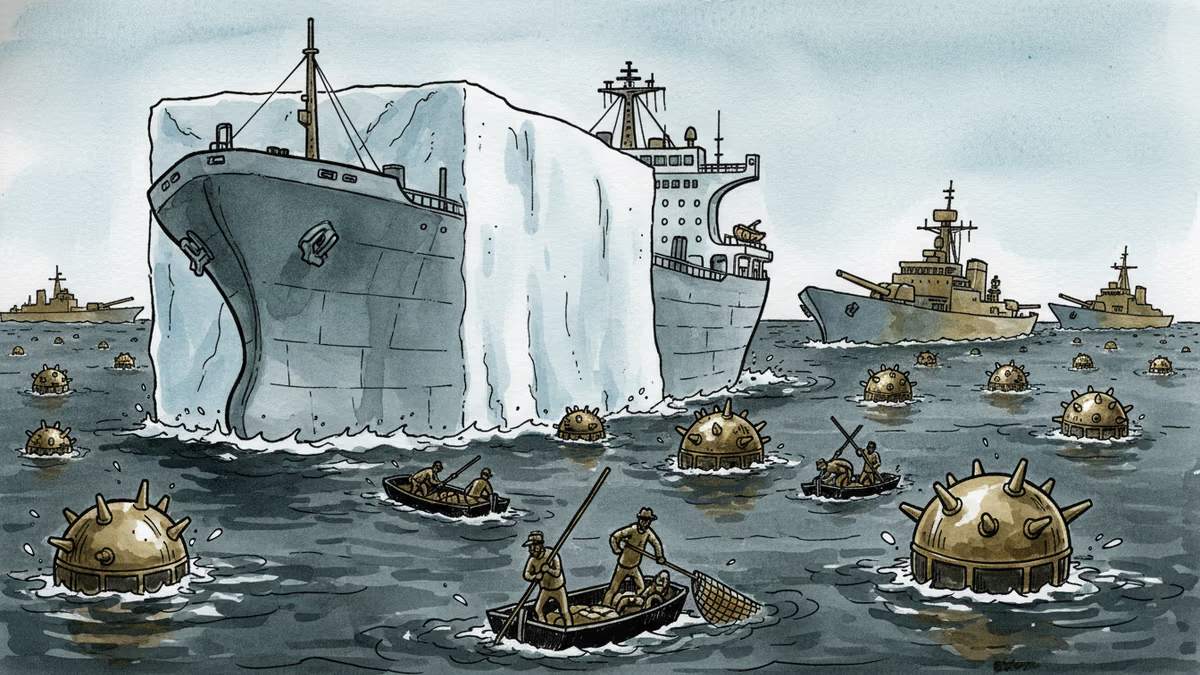
The US Navy says clearing mines from the Gulf waterway will take weeks, with European allies reluctant to help. Here's what that timeline means for oil markets, your wallet, and the future of allied naval cooperation.
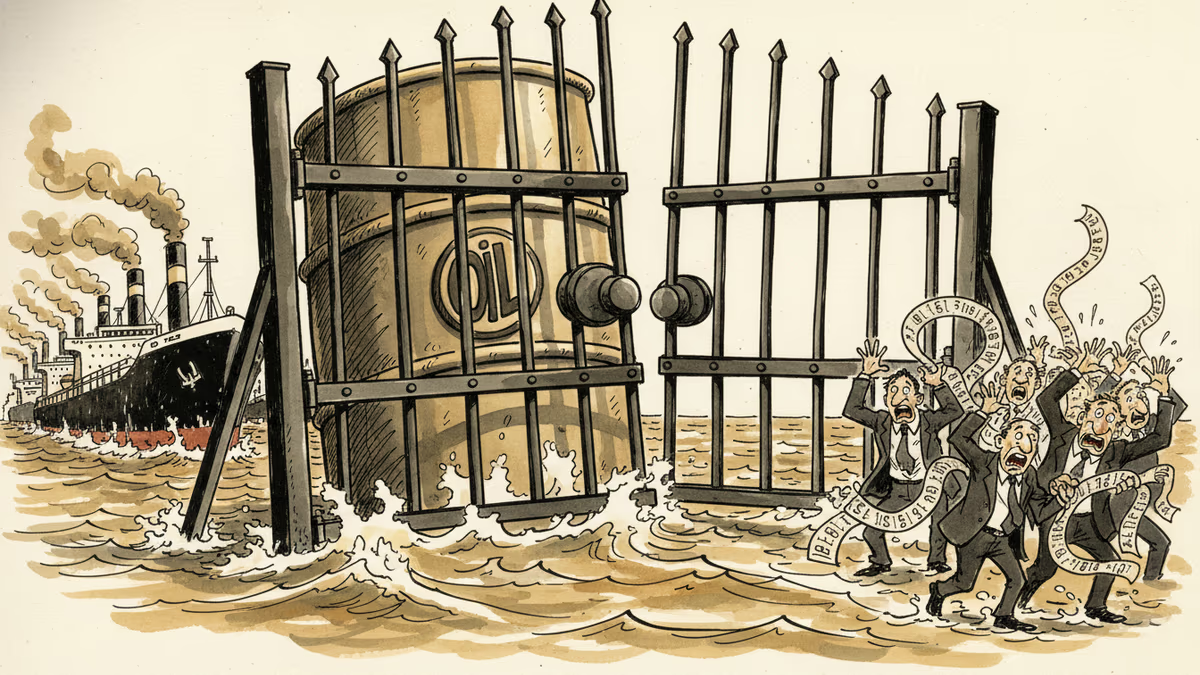
The Strait of Hormuz has closed again, sending oil prices sharply higher after recent losses. What this recurring chokepoint means for energy markets, geopolitics, and your portfolio.
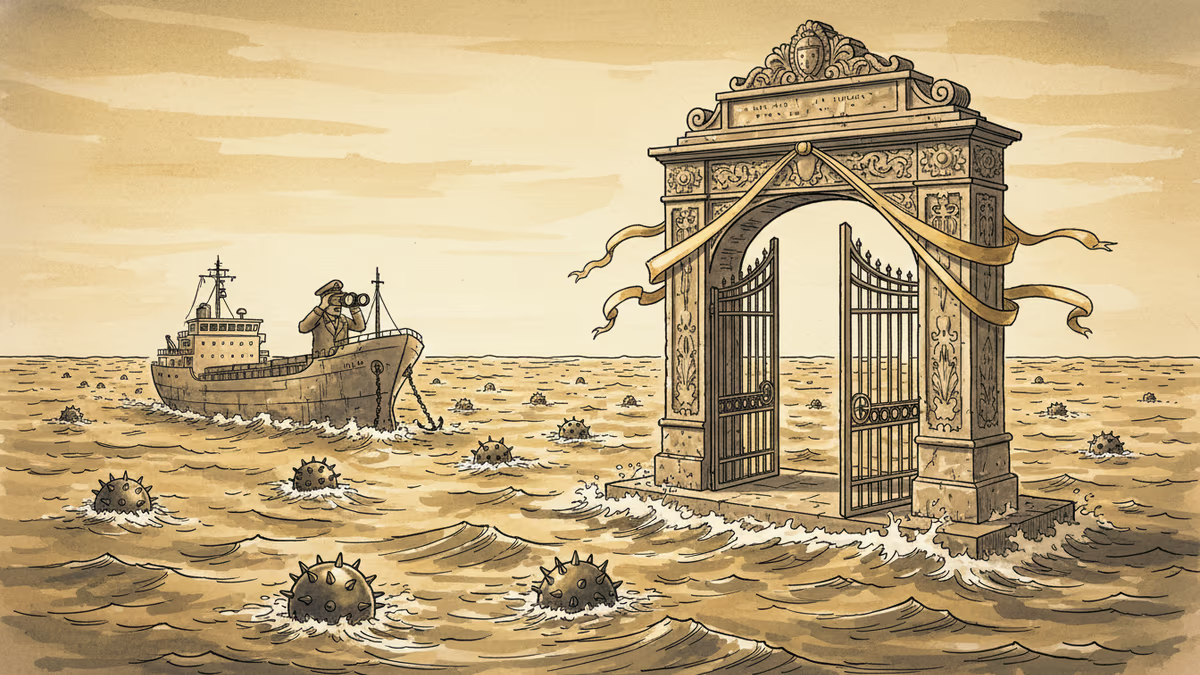
Iran declared the Strait of Hormuz open, but ship trackers show barely any vessels passing through. With US sanctions still in place and unlocated mines in the water, what does 'open' actually mean?
PRISM by Liabooks
Place your ad in this space
[email protected]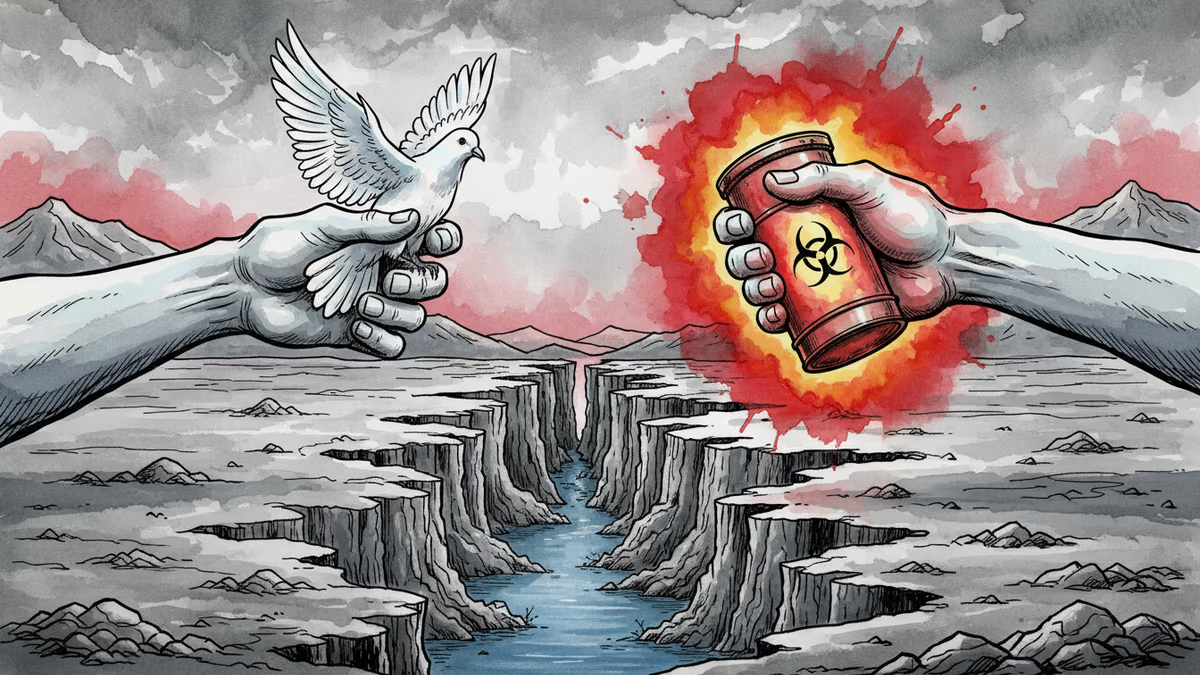
Trump claims a US-Iran nuclear deal could come within days, following the Israel-Lebanon ceasefire and Iran's reopening of the Strait of Hormuz. What's real, what's posturing, and what's at stake.
