
#Inflation
Total 88 articles
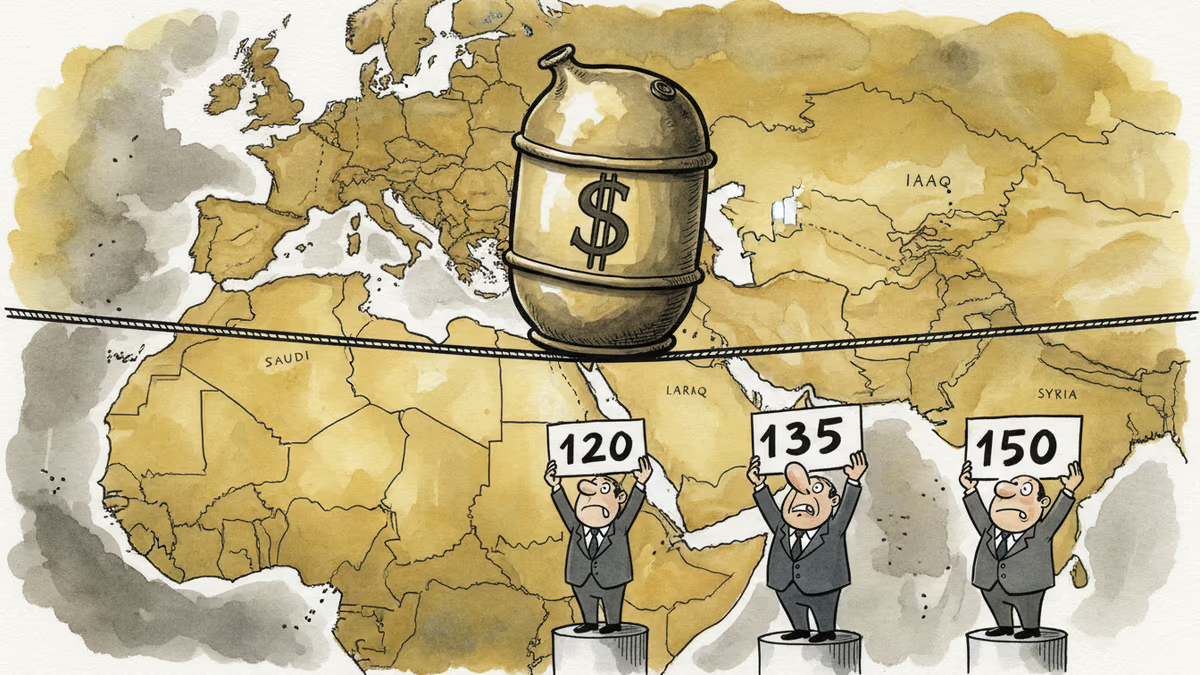
Iran tensions are pushing analysts to revise oil price forecasts upward. What's driving the shift, who wins and loses, and what it means for inflation, investment, and your energy bill.
Fed's Mary Daly says there's no single most-likely rate path. In a world of tariffs, sticky inflation, and slowing growth, central bank ambiguity is now the policy itself.
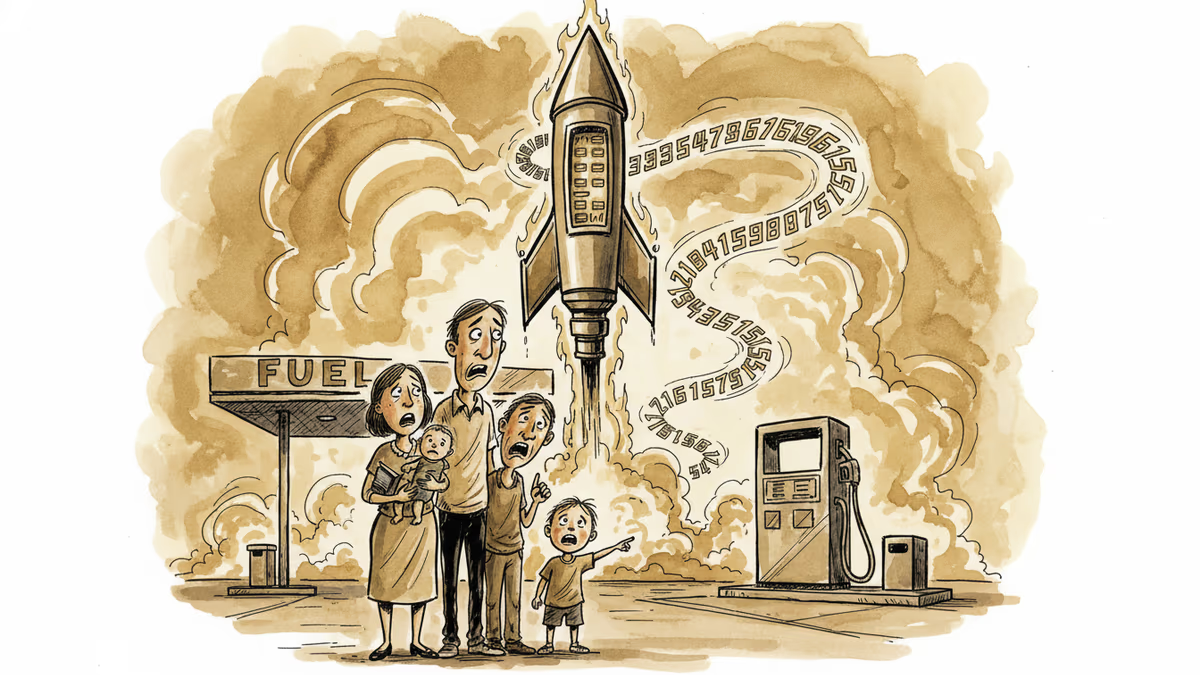
Middle East conflict is pushing oil prices higher again. We break down what's driving the surge, who wins, who loses, and what it means for your wallet and the global economy.

PRISM by Liabooks
Place your ad in this space
[email protected]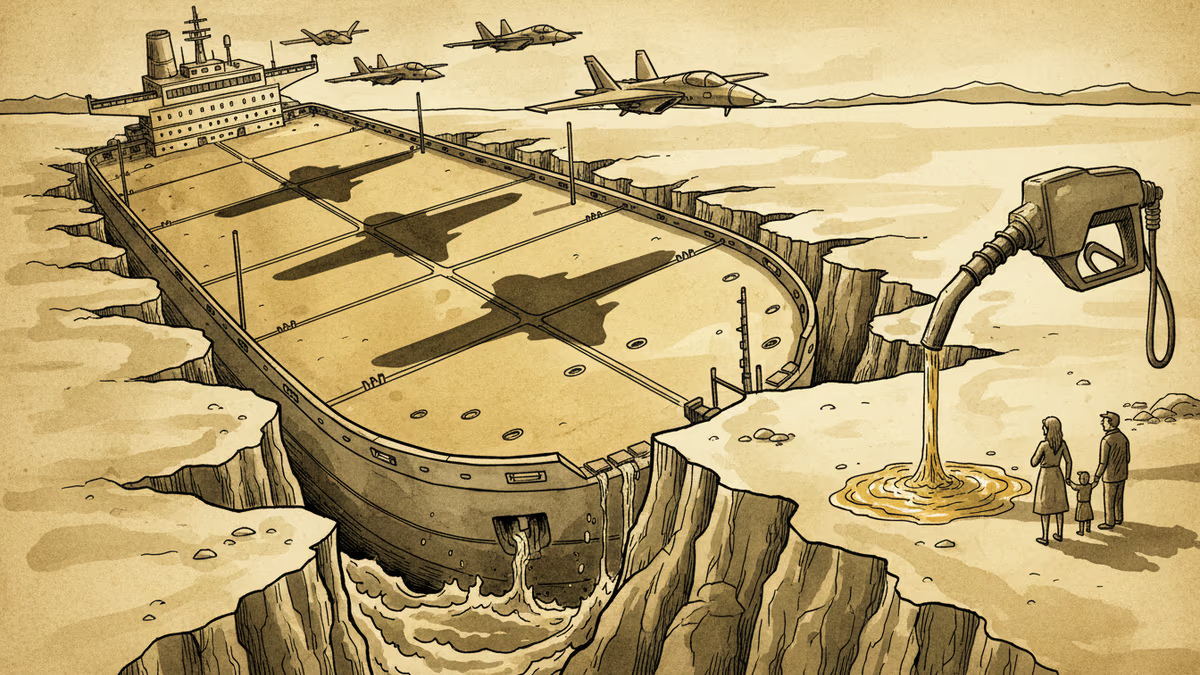
Tensions over Iran are rattling global energy markets, threatening the Strait of Hormuz and forcing governments and consumers worldwide to pay more and use less. Here's what's at stake.
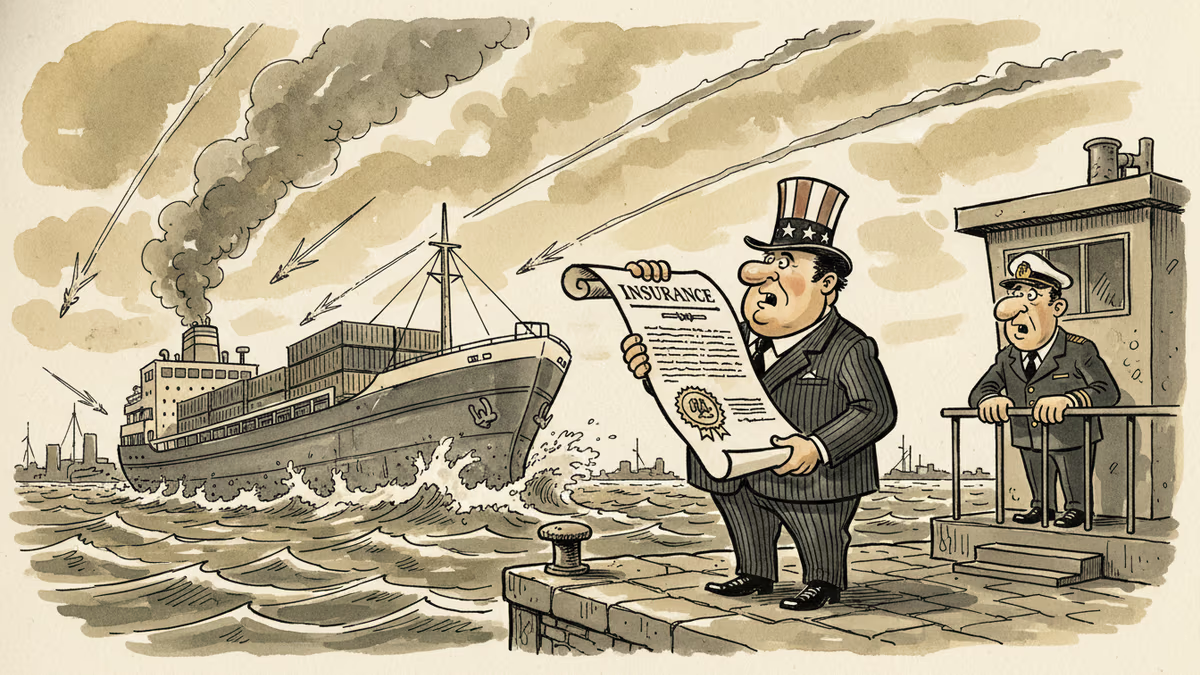
The US Development Finance Corporation is exploring war-risk insurance for vessels in contested waters. It sounds technical—but it's really about trade costs, inflation, and geopolitical leverage.
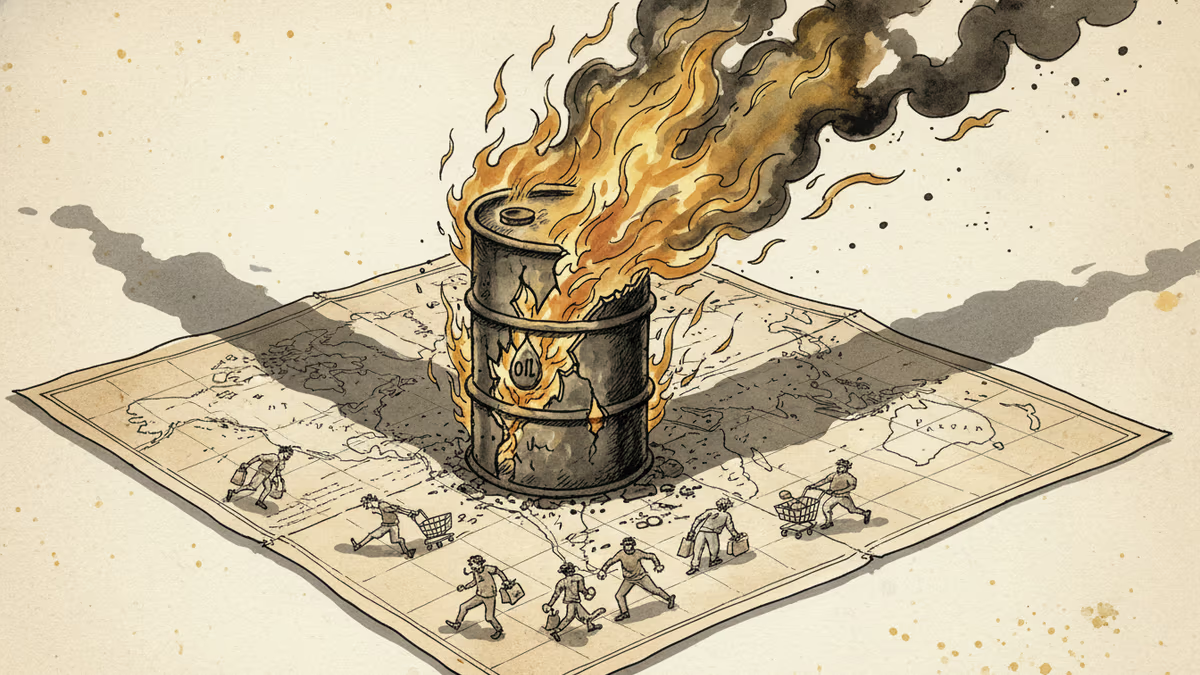
Attacks on Gulf energy facilities sent oil prices surging. Here's what that means for inflation, markets, and the geopolitical fault lines that now run through every barrel of crude.
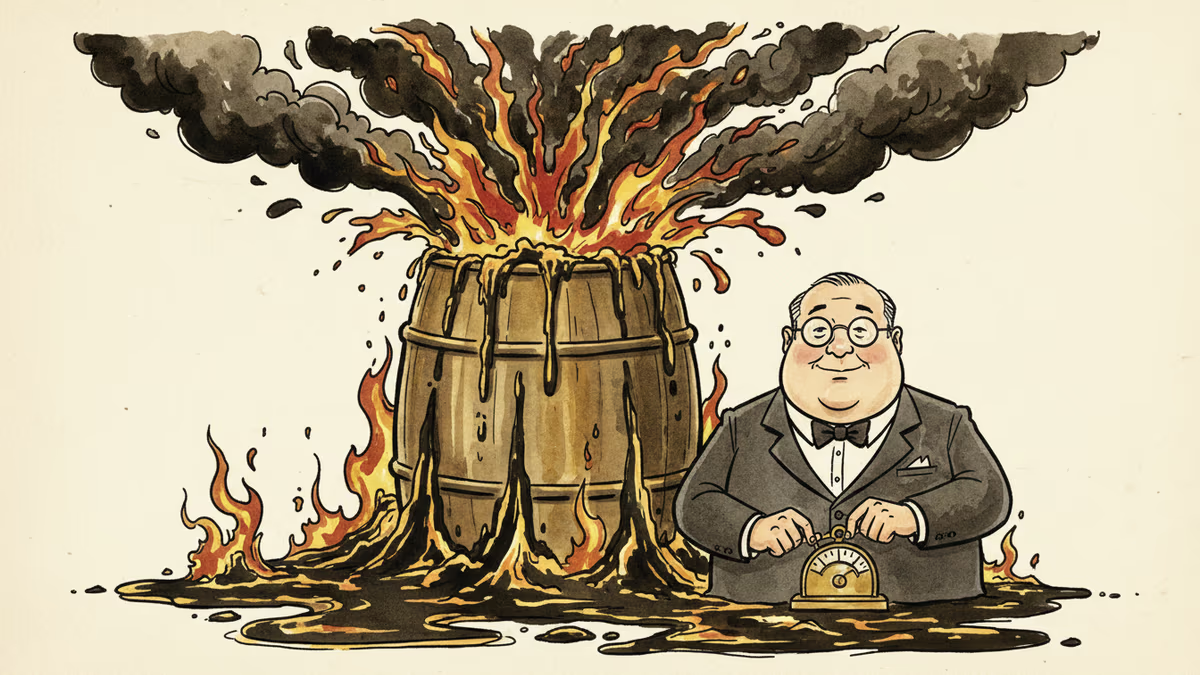
With Iran-linked conflict pushing energy prices higher, the Federal Reserve held its rate-cut path steady. What this tension means for your portfolio, your fuel bill, and the global economy.
PRISM by Liabooks
Place your ad in this space
[email protected]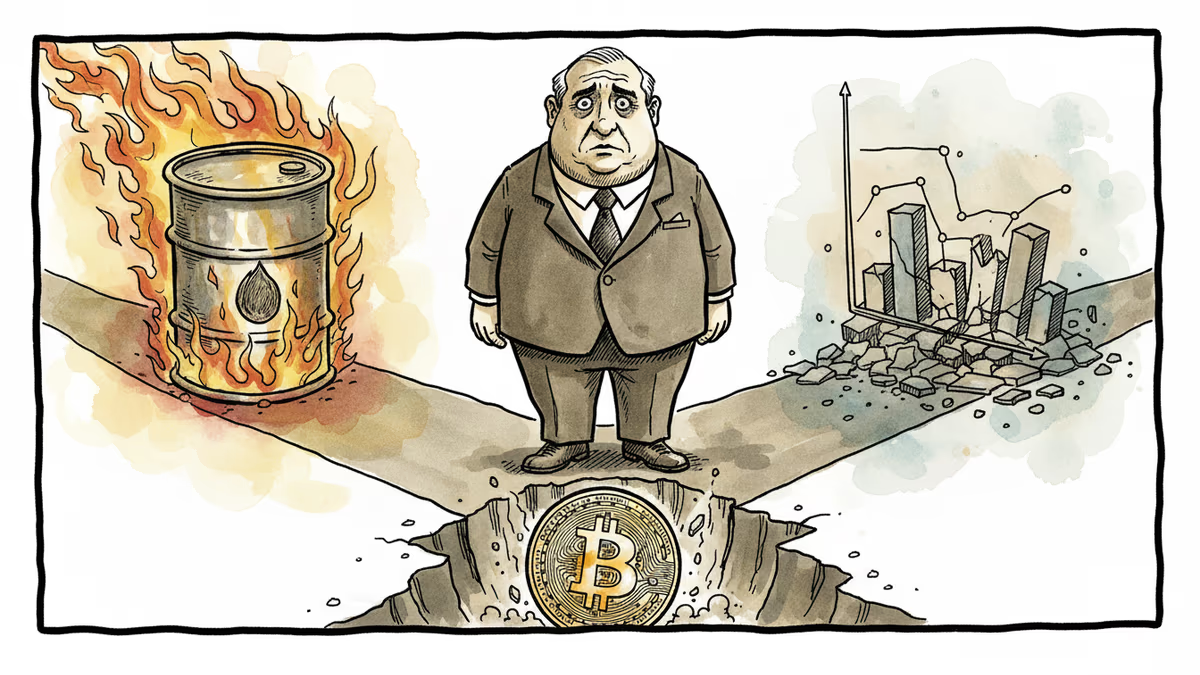
The Federal Reserve kept rates at 3.50%-3.75% as Middle East tensions drive oil near $100 and push inflation forecasts higher. Bitcoin fell to $71,600. Here's what it means for investors.
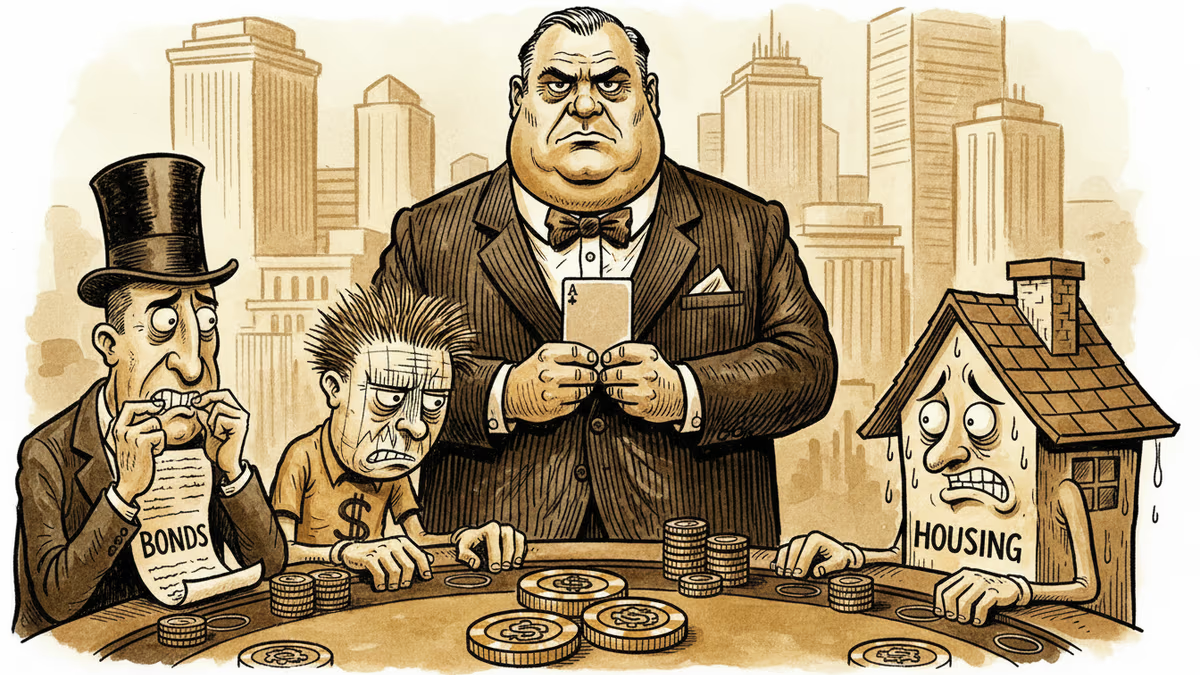
The Fed may signal a rate hike is still possible — a low-probability but high-impact shift that could reprice bonds, stocks, and mortgages overnight.
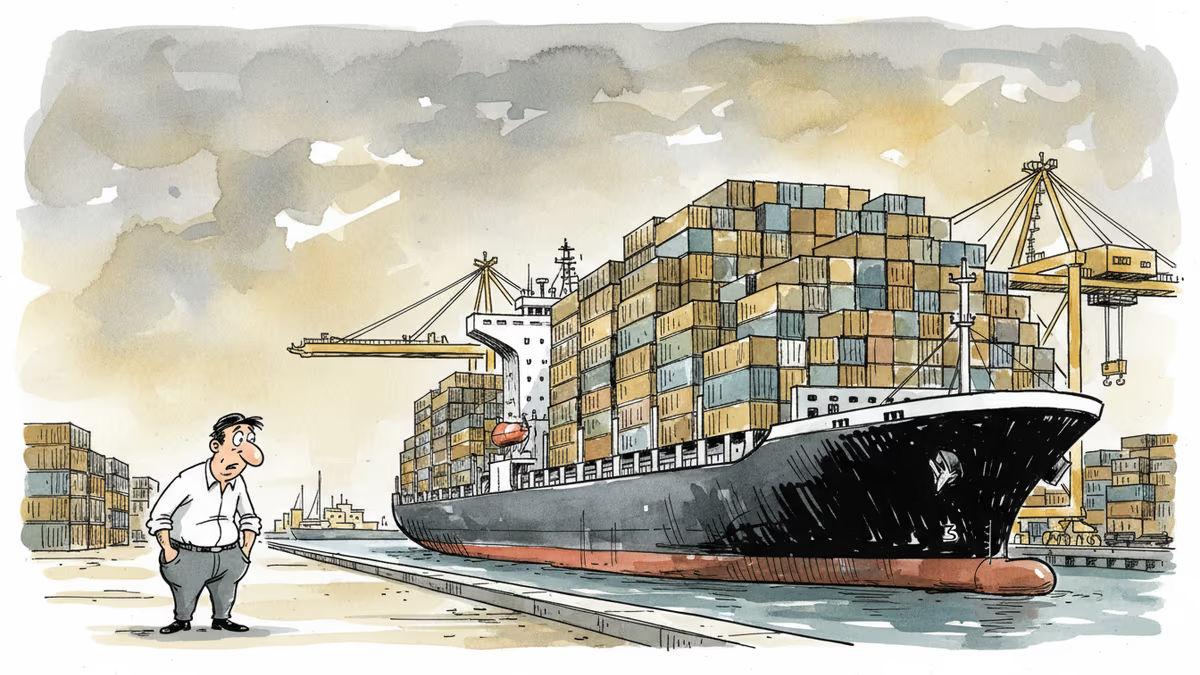
Containers are piling up at the wrong ports while freight rates surge. Here's what's driving the imbalance, who's winning, who's losing, and what it means for inflation and global trade.
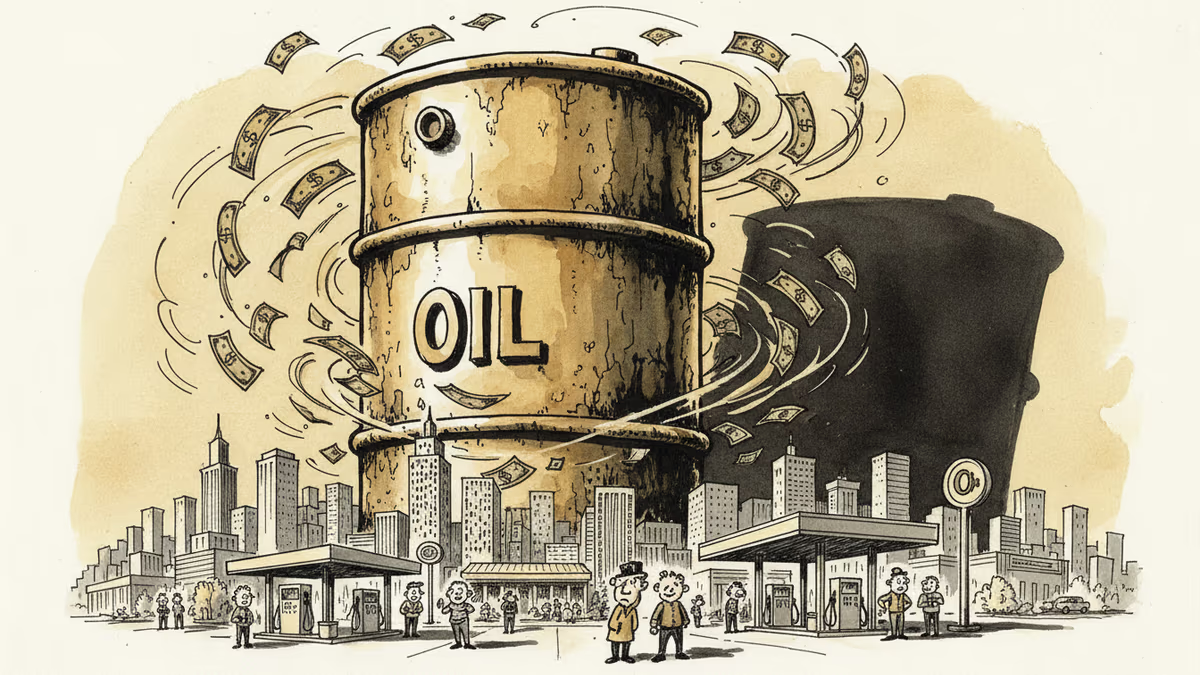
Middle East conflict is threatening oil export infrastructure, pushing crude prices higher. We break down who wins, who loses, and what it means for your wallet and the global economy.
PRISM by Liabooks
Place your ad in this space
[email protected]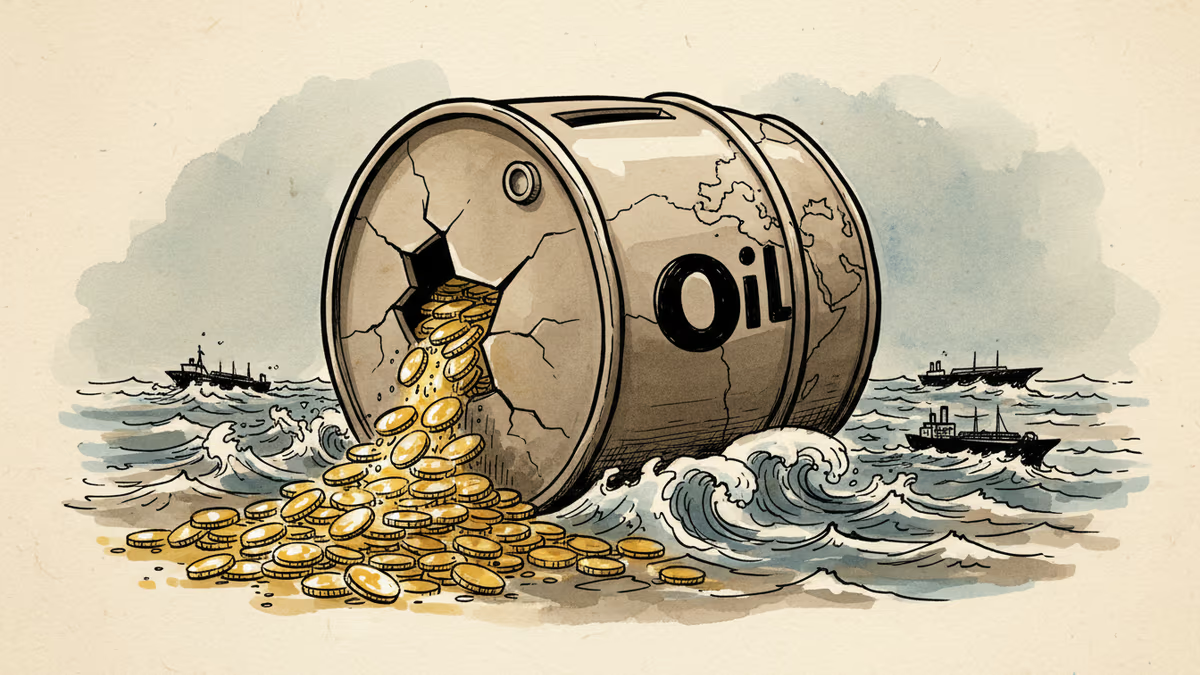
US oil companies could pocket up to $63 billion in windfall profits from Gulf supply disruptions. Here's who wins, who pays, and what it means for energy markets and your wallet.
