
#Hormuz
Total 22 articles
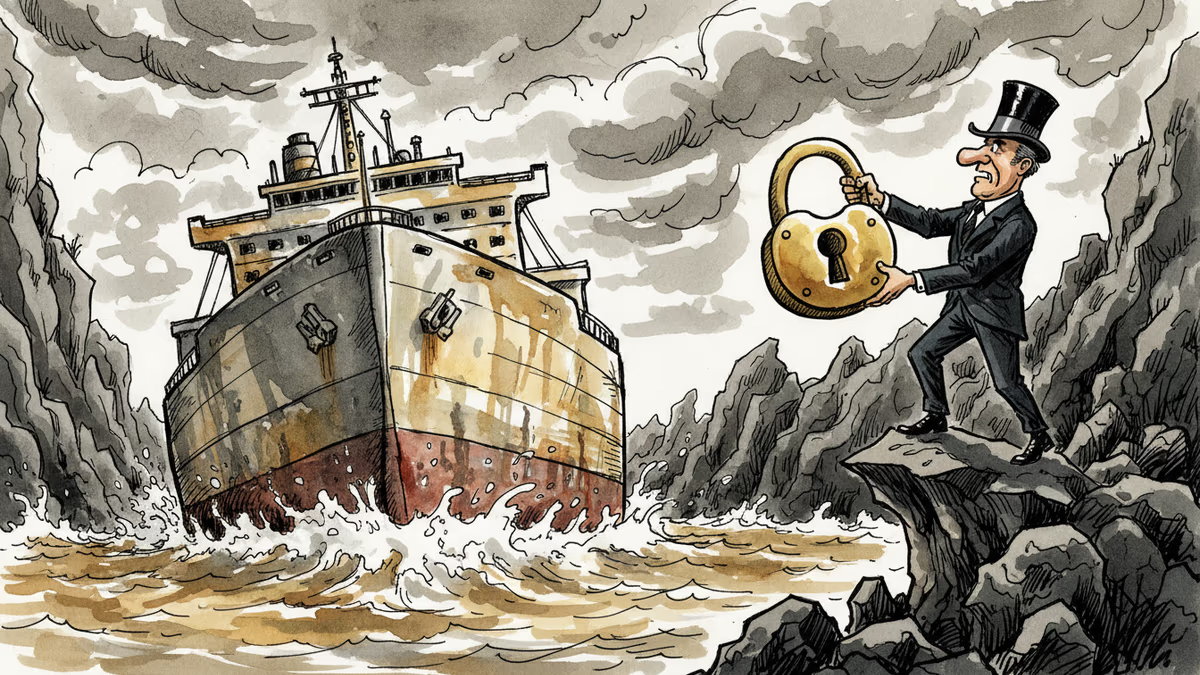
Trump says no ceasefire without the Strait of Hormuz reopening. With 20% of global oil flowing through that narrow channel, the stakes extend far beyond the Middle East.
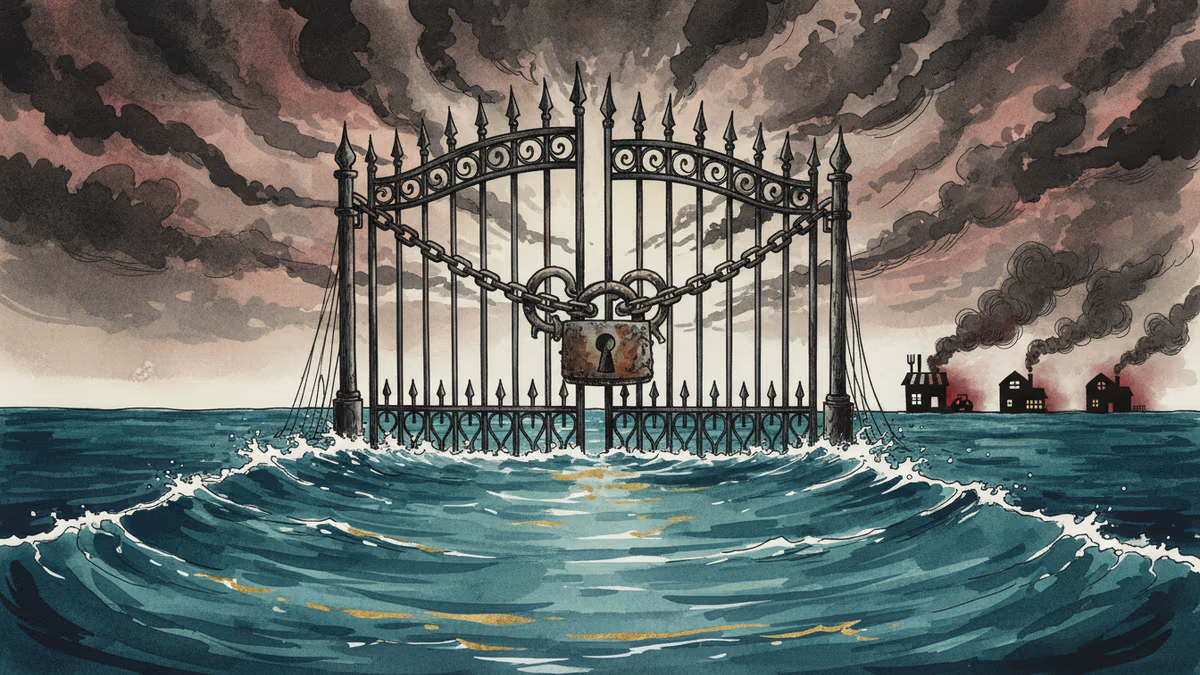
The US-Israeli strikes on Iran shut the Strait of Hormuz—and triggered food shortages, coal rebounds, and rationing across the Global South. Here's what that really means.
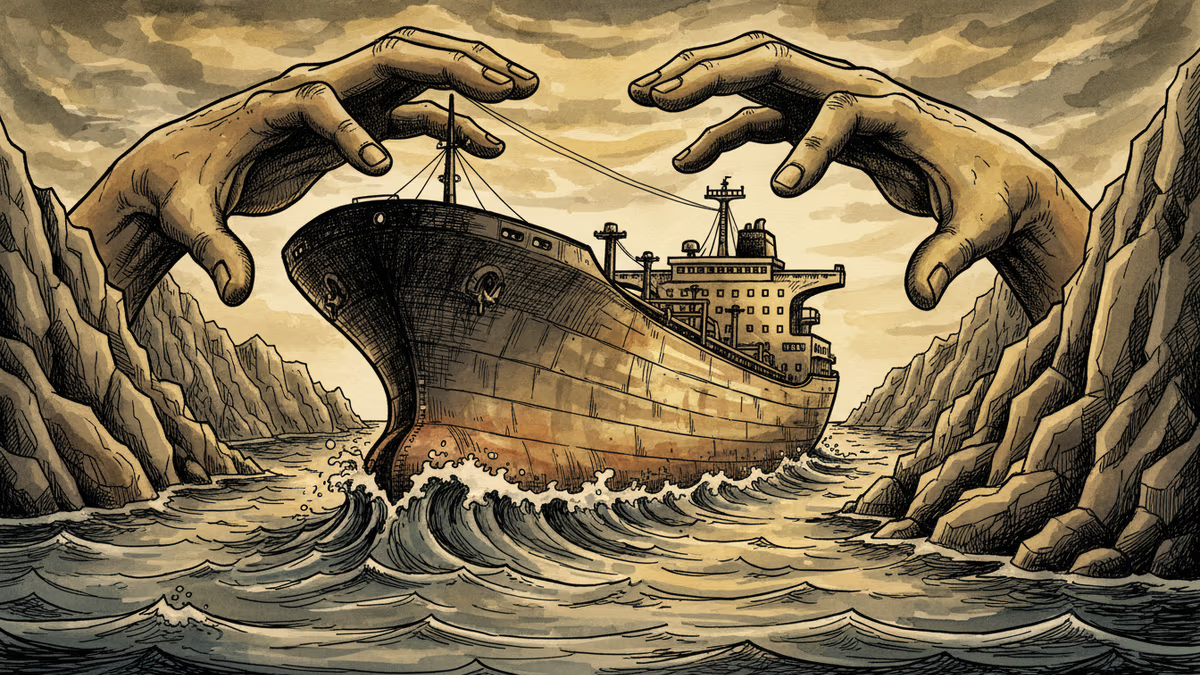
The Strait of Hormuz carries 20% of the world's seaborne oil. With tensions rising, energy markets are pricing in a risk that has no easy workaround.

PRISM by Liabooks
Place your ad in this space
[email protected]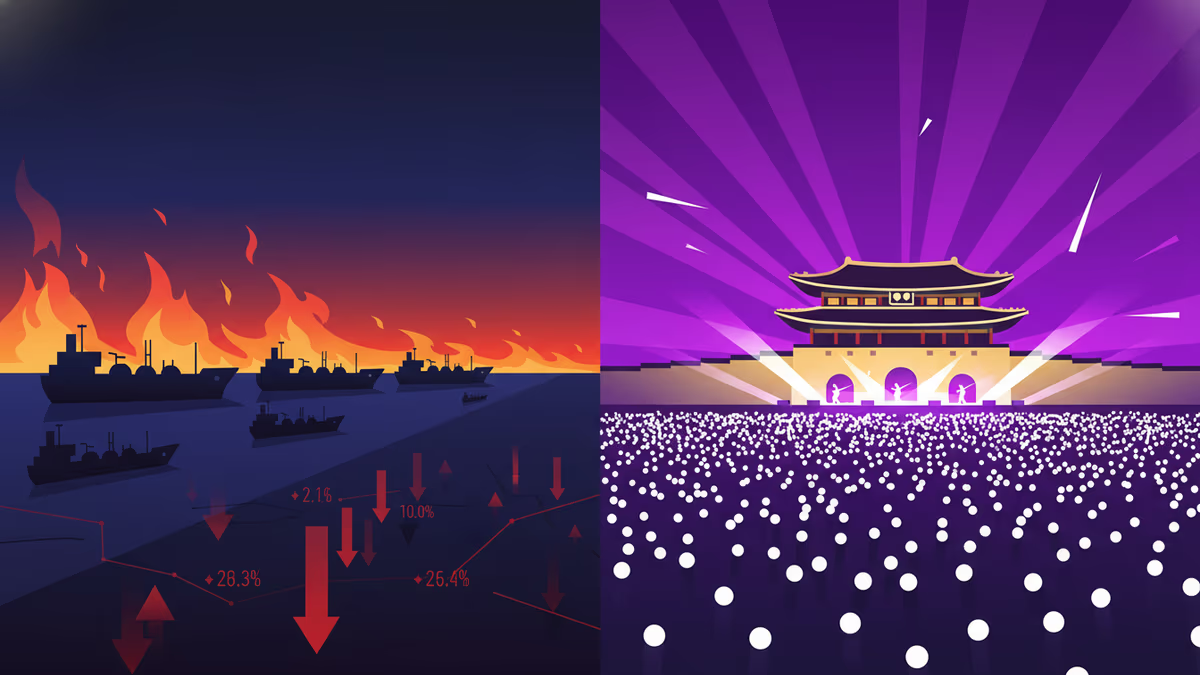
BTS dropped 'ARIRANG' and 22,000 fans filled Gwanghwamun. The Fed warned of stagflation. Anthropic released an AI that refuses military use. Qatar began mediating the Hormuz blockade.
 Jeong Jin Lee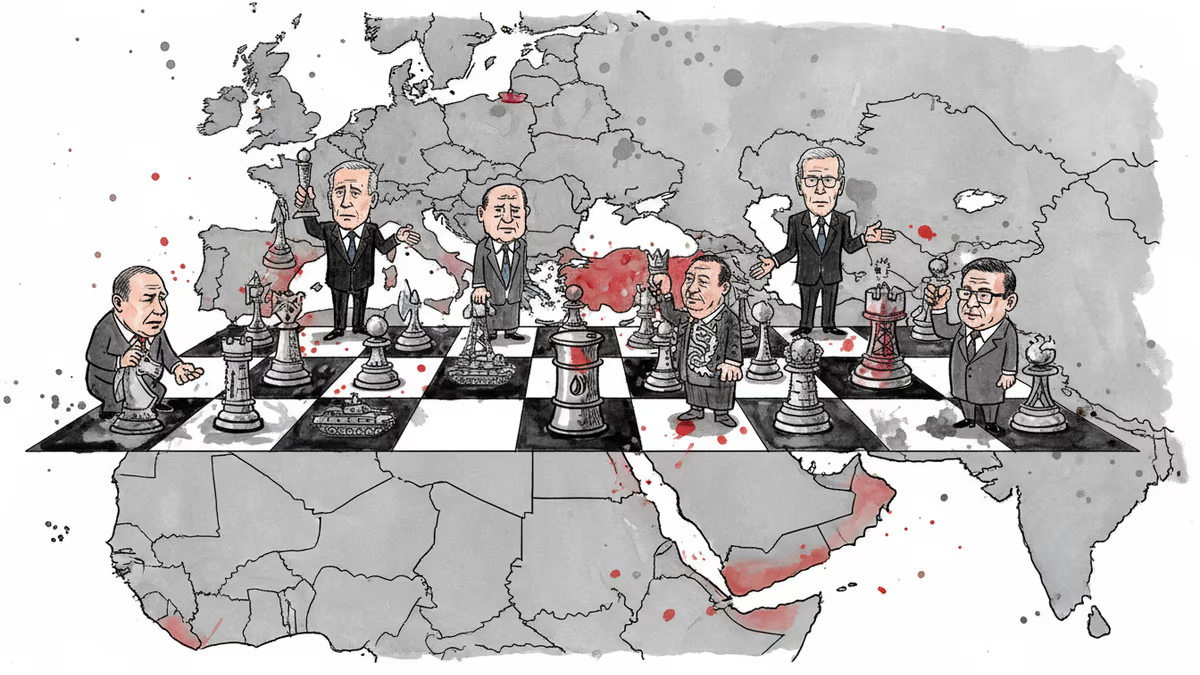
Israel and Iran are locked in open conflict—but the real puzzle isn't how the war started. It's who actually wants it to stop, and whether they have the power to do so.
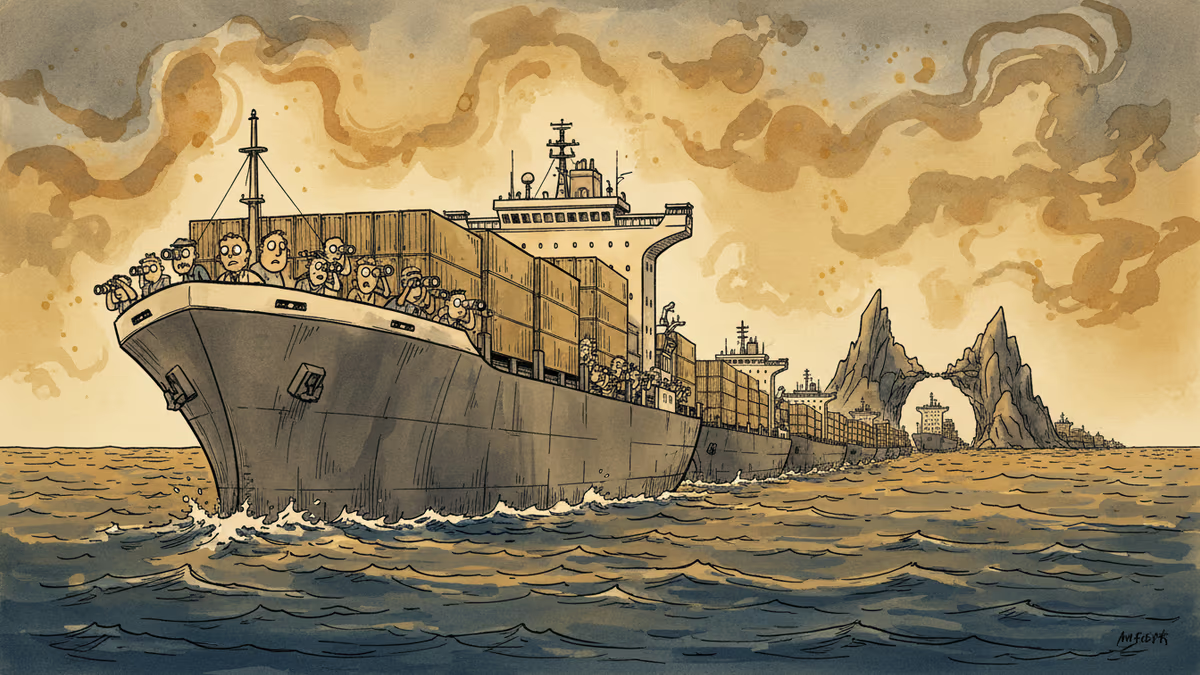
For the first time since the Middle East conflict began, zero commercial ships crossed the Strait of Hormuz in a single day. Here's what that silence actually means.
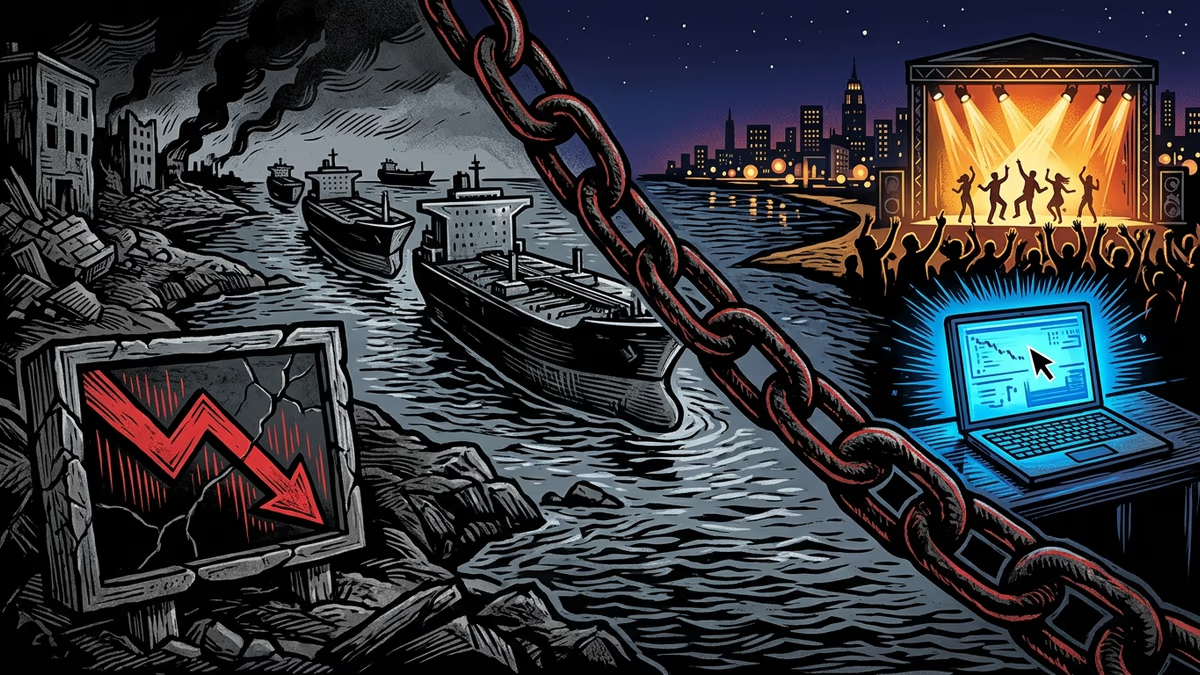
The Strait of Hormuz was blockaded. The S&P 500 fell for a third straight week. Iran quit the World Cup. OpenAI released an AI that uses your computer. BTS is returning at Gwanghwamun.
Jeong Jin LeePRISM by Liabooks
Place your ad in this space
[email protected]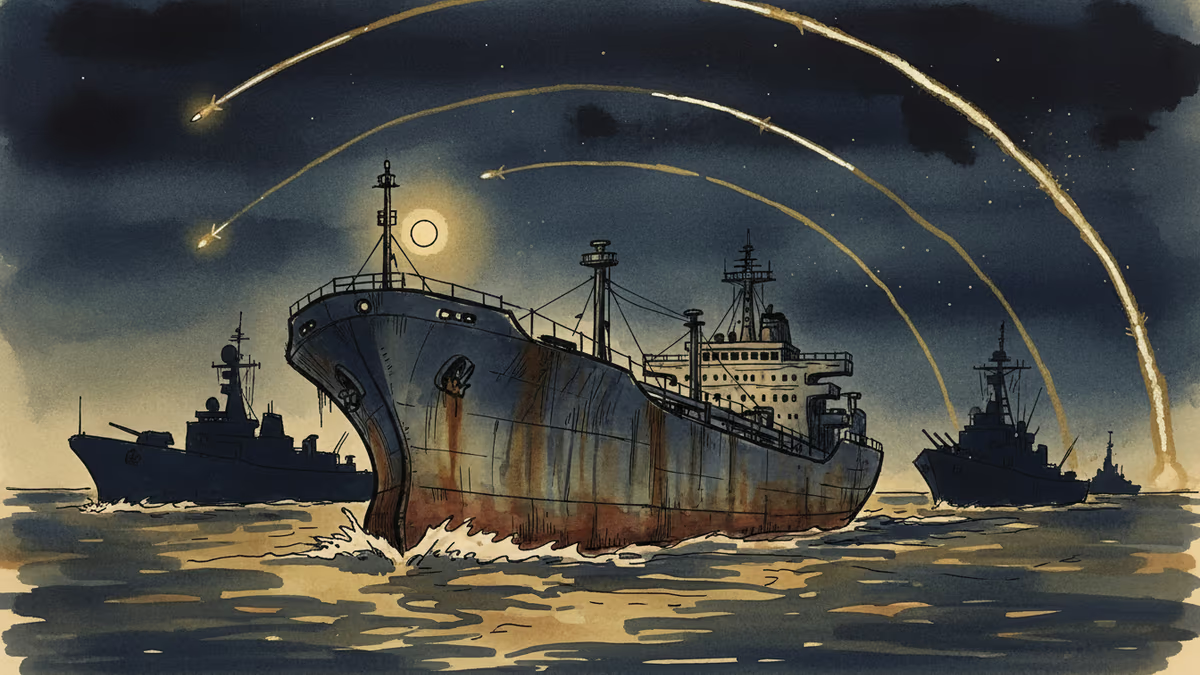
Oil tanker traffic through the Strait of Hormuz has collapsed by over 90% since conflict erupted between the US, Israel, and Iran on Feb. 28. Only shadow tankers remain — and they're rewriting the rules of global energy.
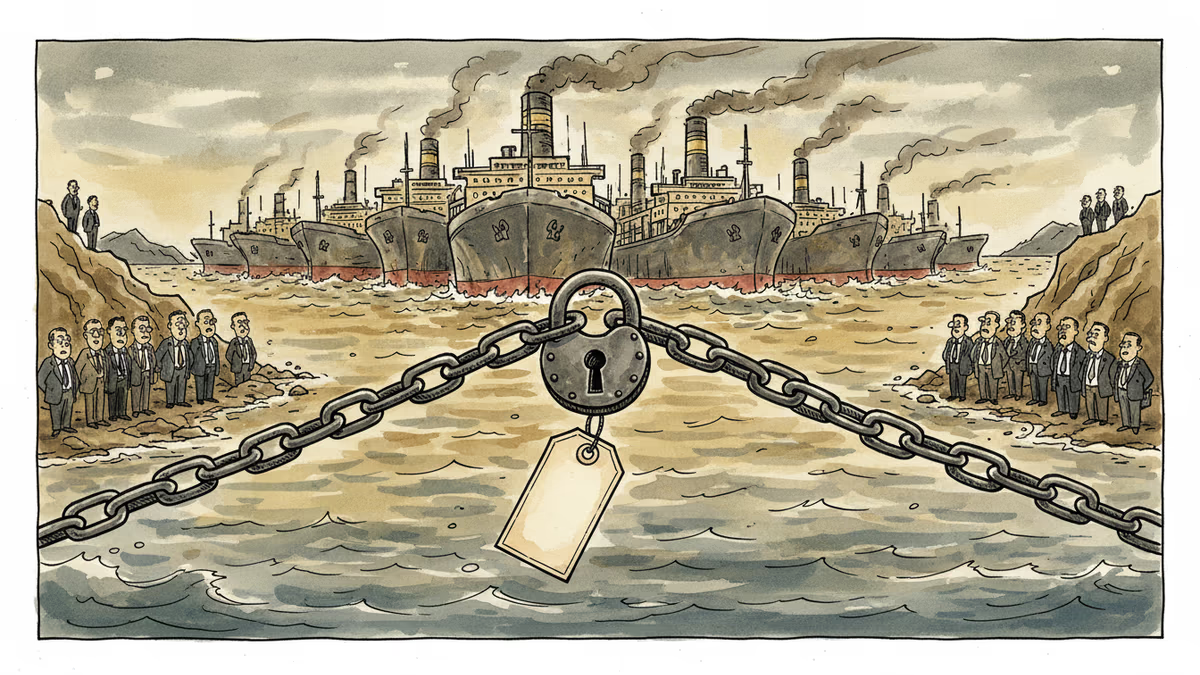
Iran's IRGC has vowed to block all oil through the Strait of Hormuz, threatening $200 oil. The IEA's 400-million-barrel release buys time—but how much?
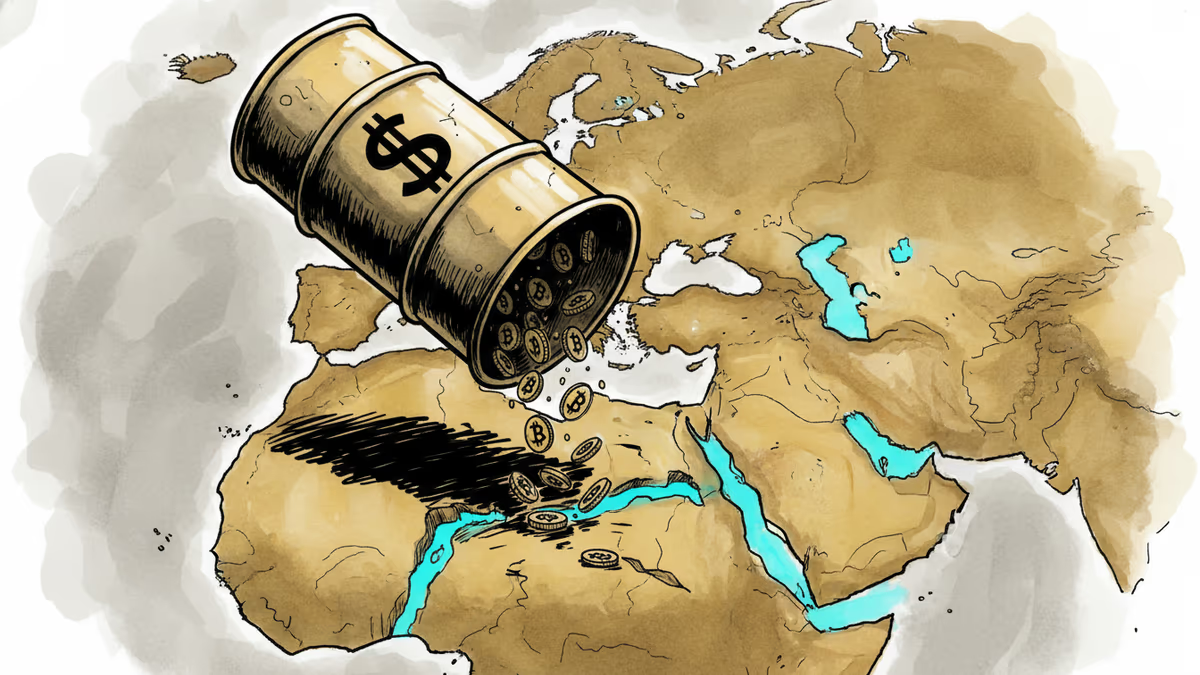
Murban crude, oil that bypasses the Strait of Hormuz, has surged past $103 a barrel. Here's why that number matters for bitcoin, global equities, and your portfolio.
