
#Hormuz Strait
Total 10 articles
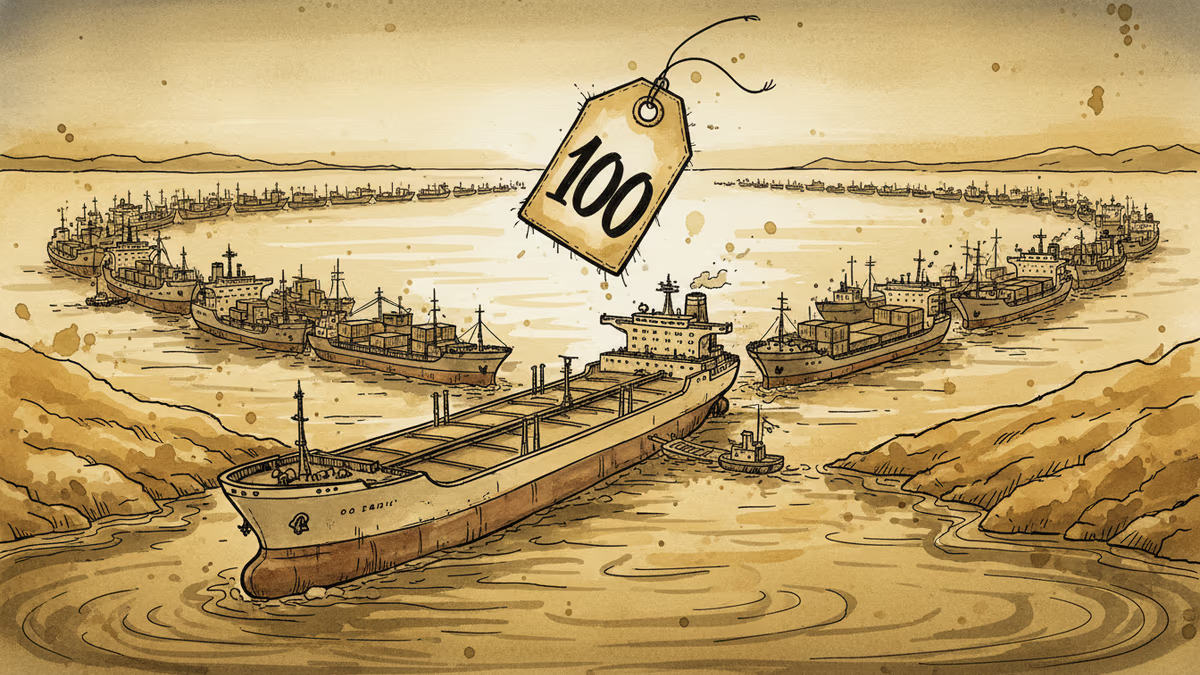
Barclays raised its 2026 Brent crude forecast to $100/barrel, citing prolonged Hormuz disruption. Here's what that means for energy markets, inflation, and your energy bill.
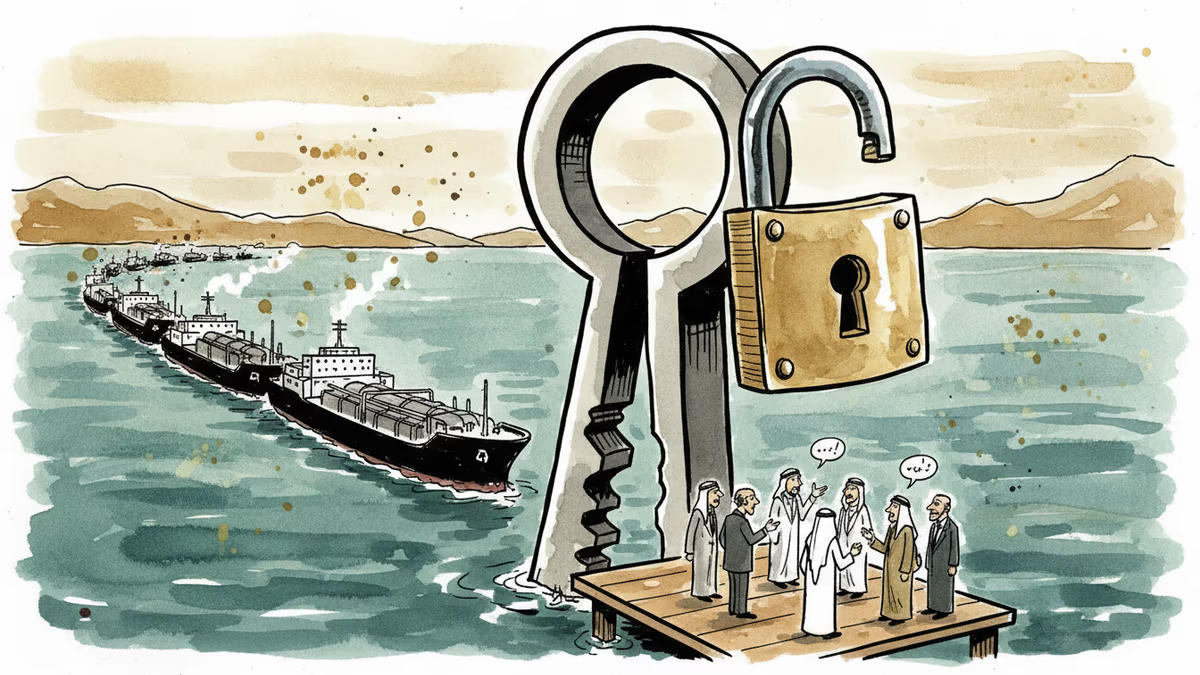
Crude prices stabilized on hopes of a deal to reopen the Strait of Hormuz. Here's what's really at stake, who wins, who loses, and why the calm may not last.
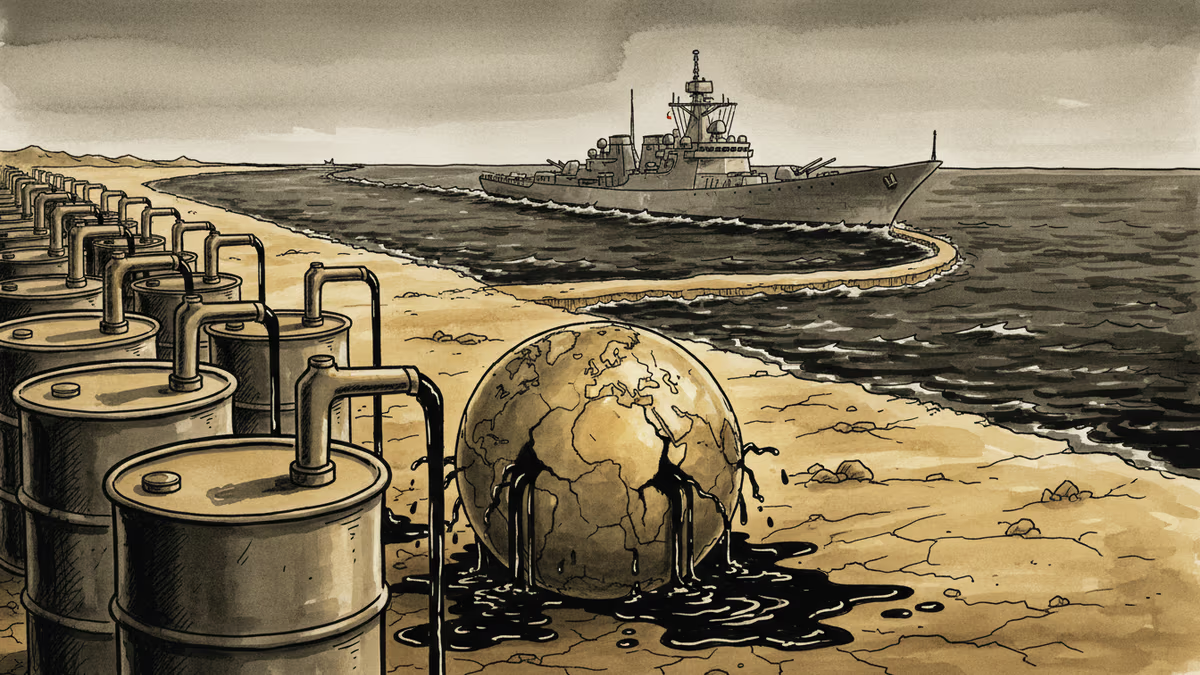
The IEA has ordered the largest strategic oil reserve release in history—412 million barrels from 32 countries. But with the Strait of Hormuz blocked, is it enough, and what happens when the reserves run dry?

PRISM by Liabooks
Place your ad in this space
[email protected]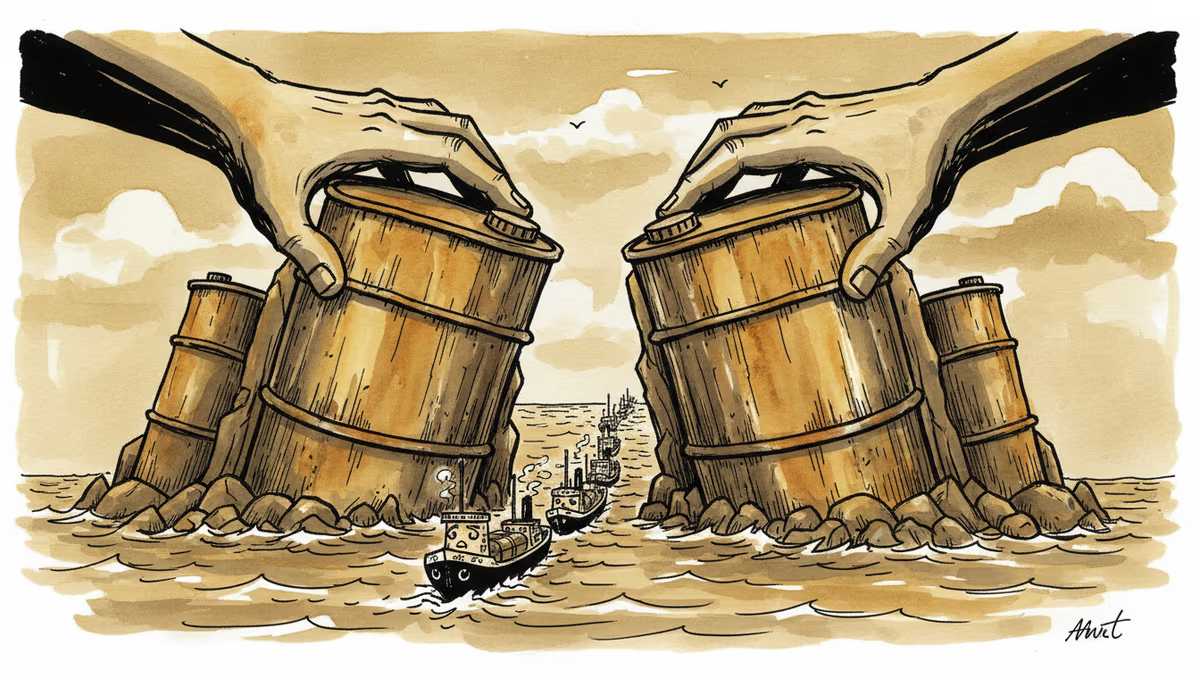
G7 nations have backed Hormuz Strait security amid rising Middle East tensions. With 20% of global oil passing through a 48km chokepoint, the stakes for energy markets, consumers, and geopolitics are enormous.
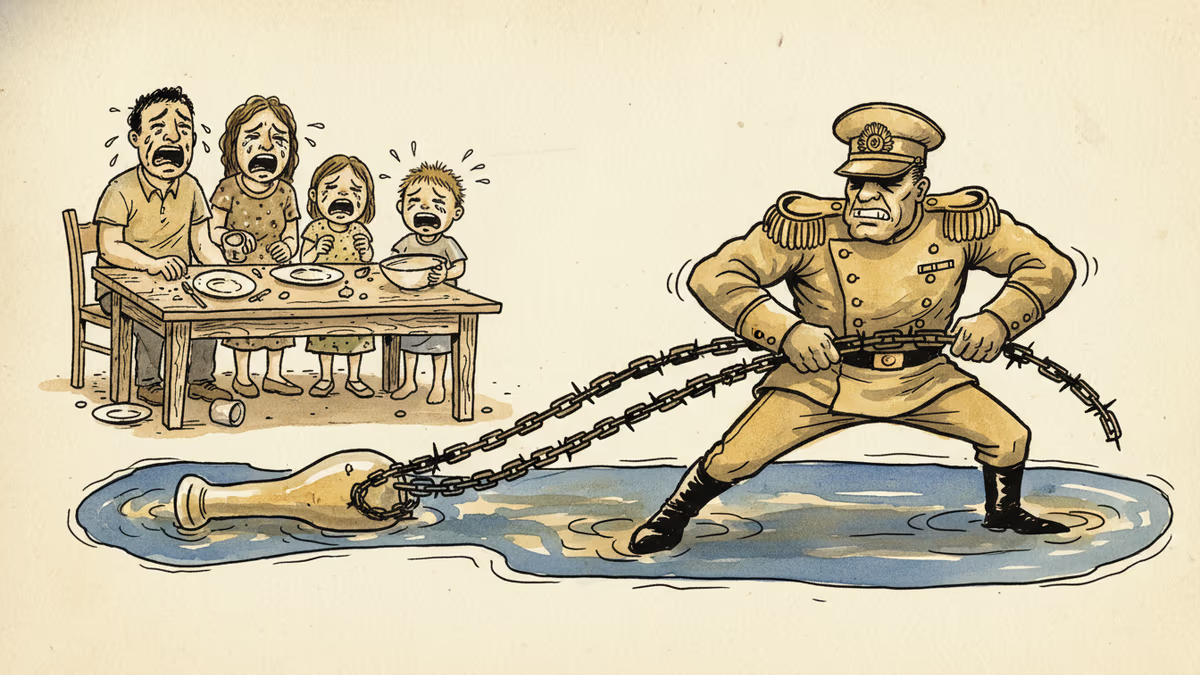
Tehran's de facto closure of the Strait of Hormuz was meant to pressure the West. Instead, it's driving up food prices at home, exposing the hidden cost of using geography as a weapon.
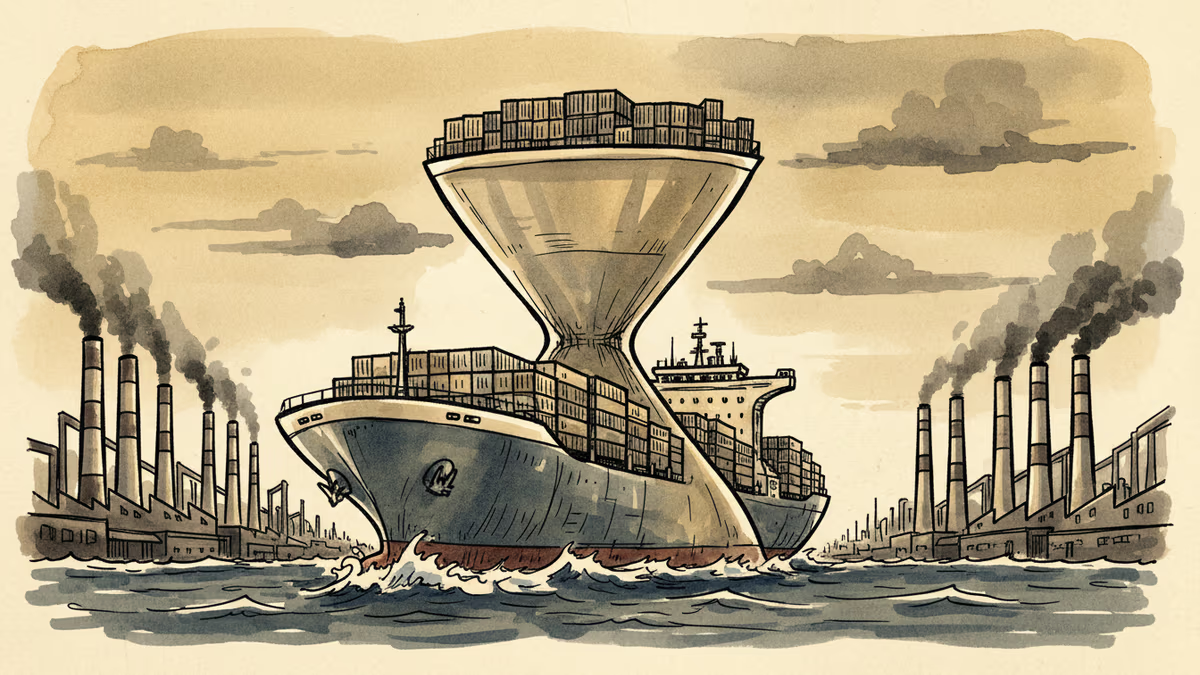
The U.S.-Iran war is strangling shipments through the Strait of Hormuz. Asian executives warn the fallout—petrochemicals, chips, shipping—is only beginning.
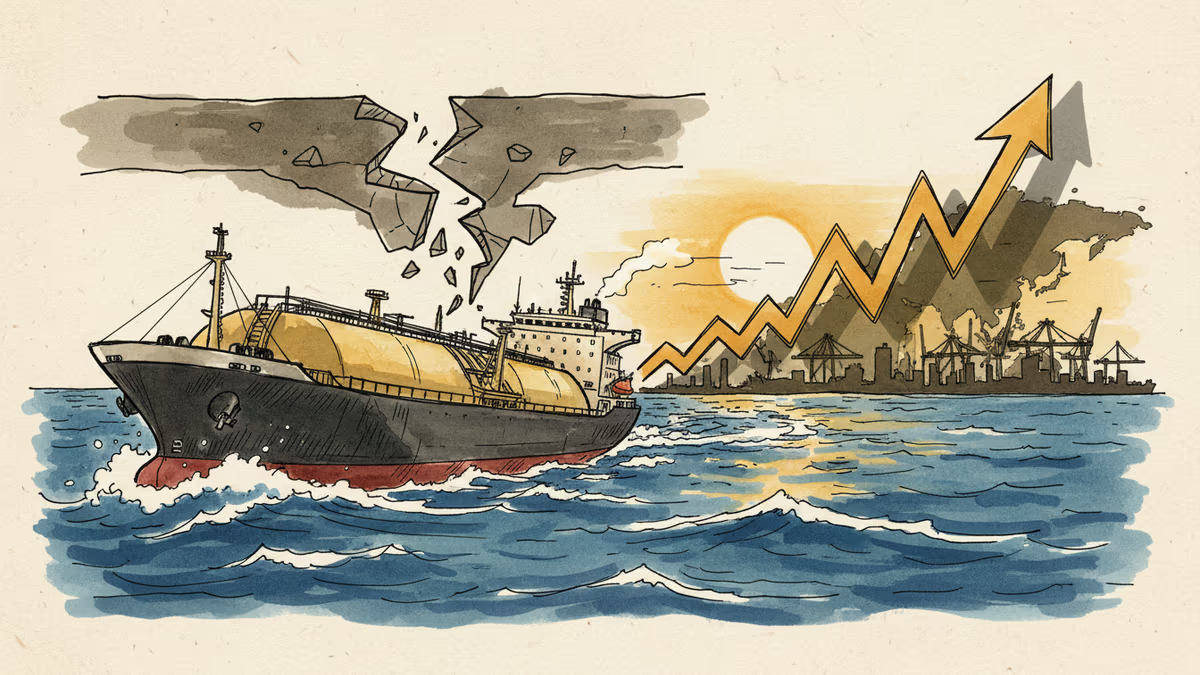
As Iran tensions effectively close the Strait of Hormuz, LNG tankers bound for Europe are diverting to Asia mid-voyage. What this means for energy markets, prices, and geopolitical leverage.
PRISM by Liabooks
Place your ad in this space
[email protected]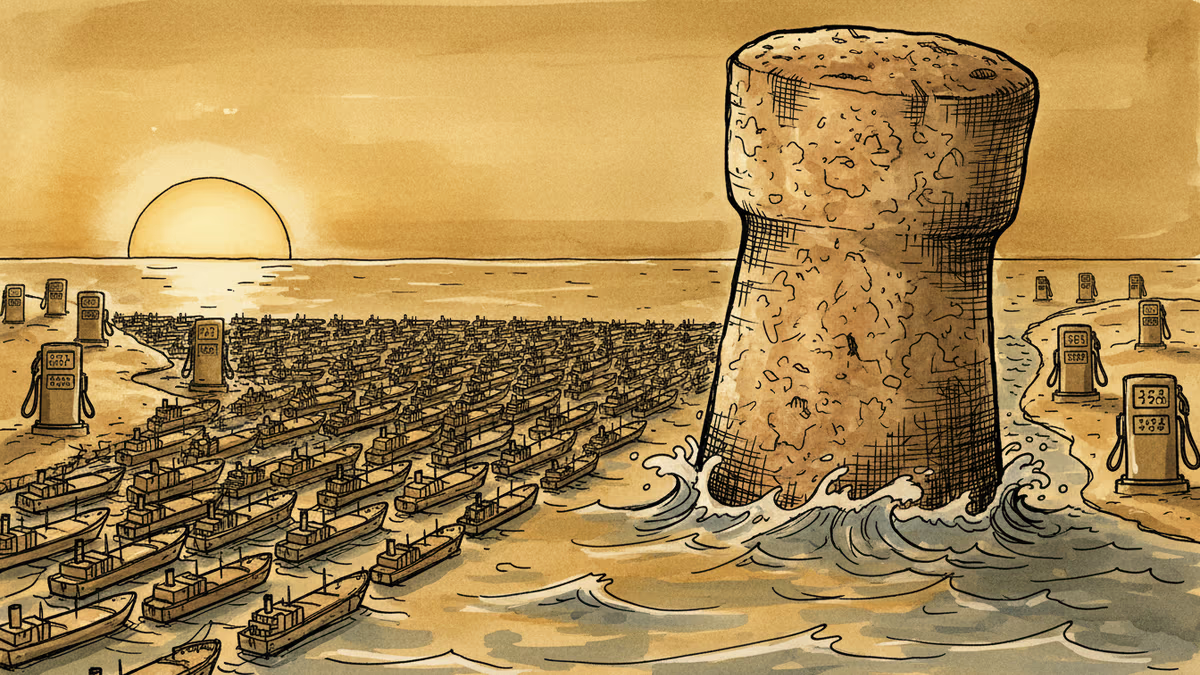
Iran's closure of the Hormuz Strait threatens global oil supplies, potentially doubling gas prices and triggering economic chaos worldwide. Markets remain surprisingly calm—for now.
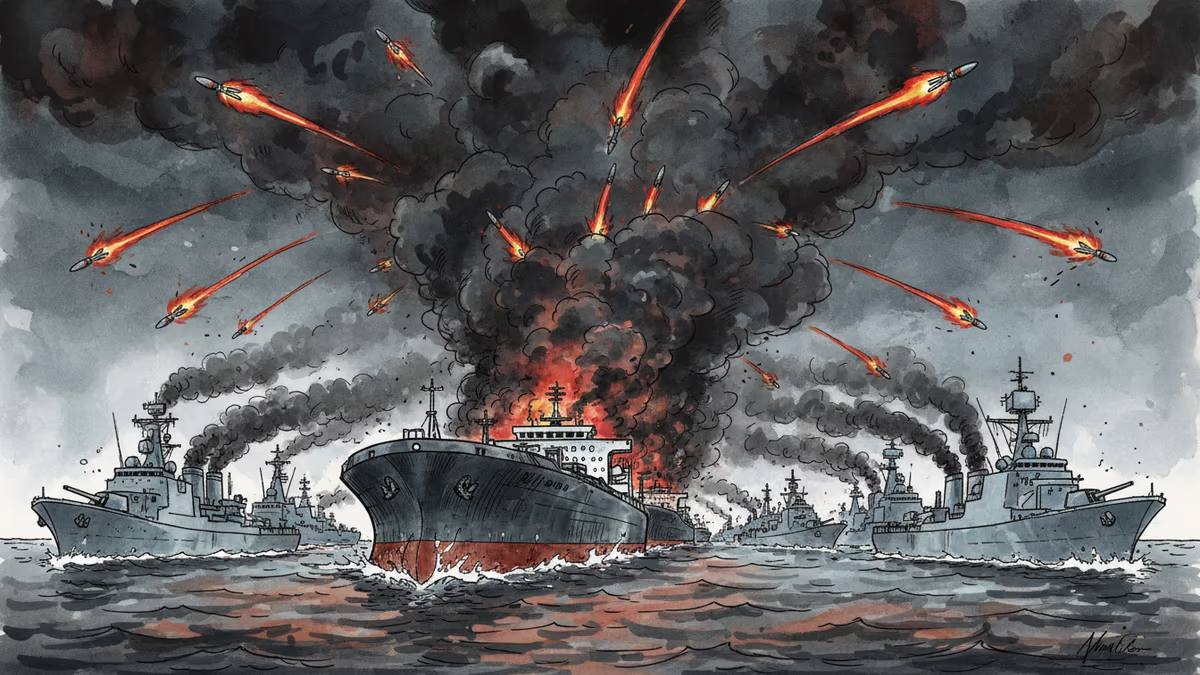
After Iran's Supreme Leader Khamenei's death, the Middle East spirals into full-scale war. What does the Strait of Hormuz blockade mean for the global economy?
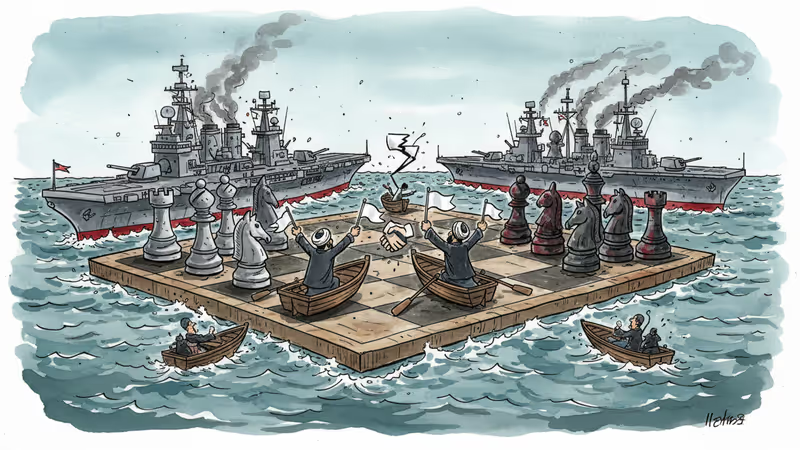
Iran's top security official claims negotiations with the US are advancing, while Trump deploys naval forces and threatens military action, escalating tensions in the critical maritime corridor.
