
#AI chips
Total 68 articles
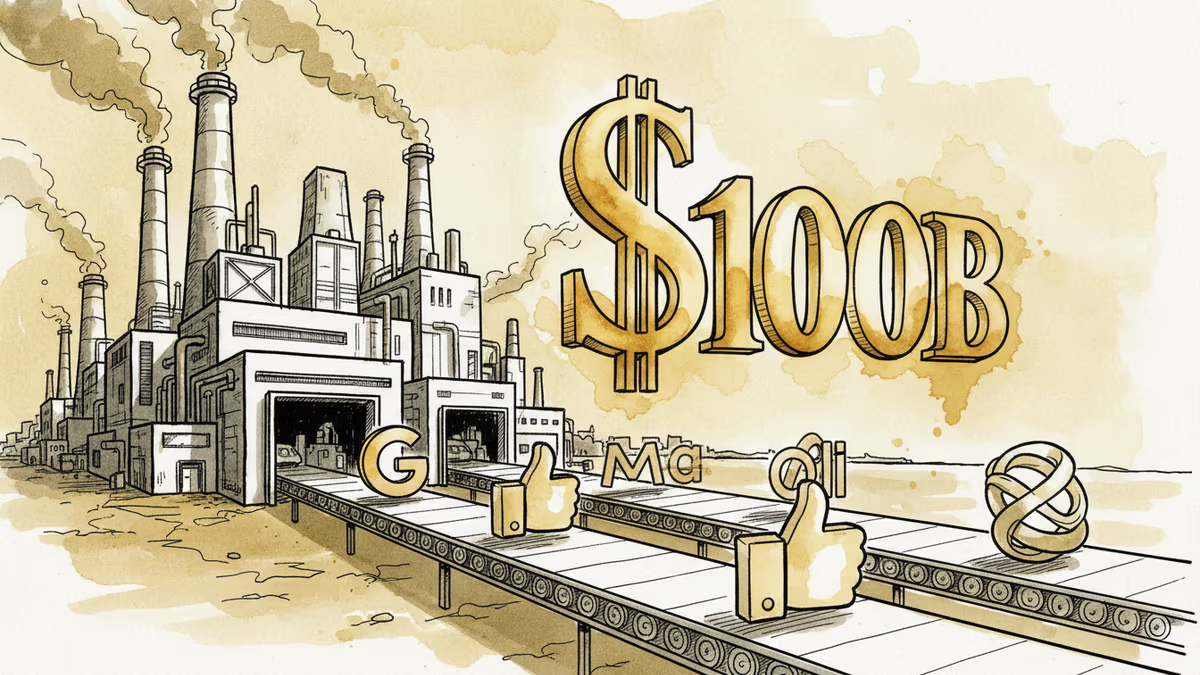
Broadcom CEO projects AI chip revenue exceeding $100 billion by 2027, driven by tech giants designing custom silicon. What does this shift mean for the semiconductor landscape and your investment portfolio?
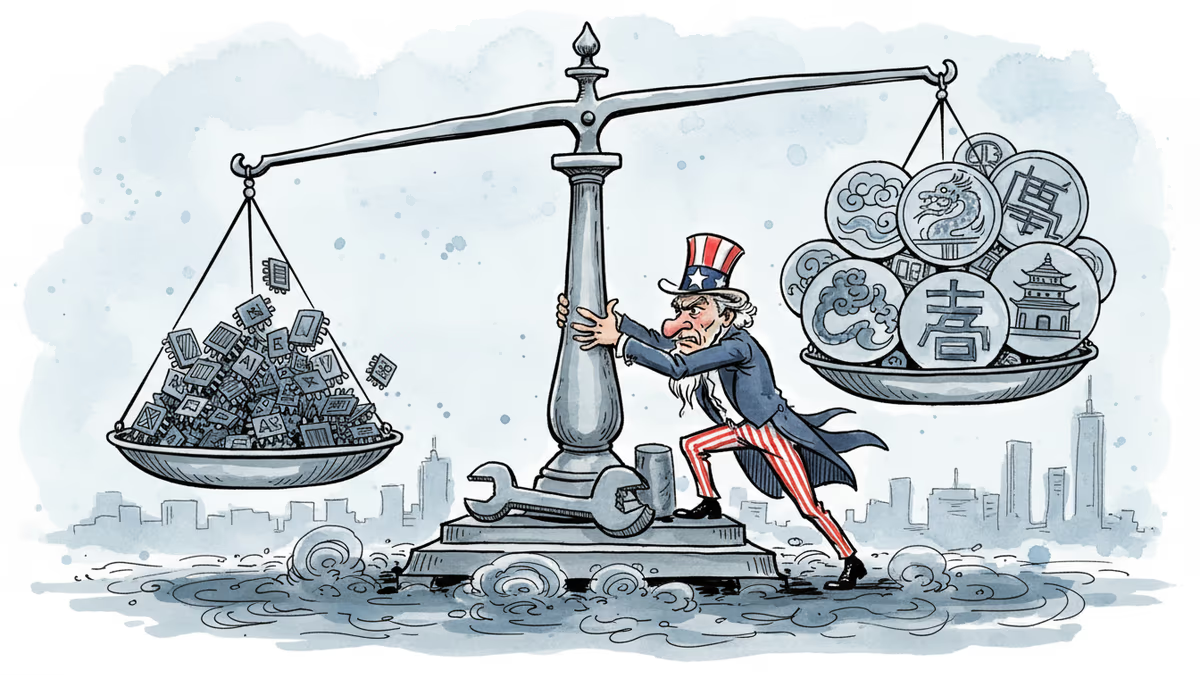
Trump administration considers limiting Chinese companies to 75,000 Nvidia H200 chips each, less than half what Alibaba and ByteDance want to buy. The move could reshape AI development globally while Nvidia shares slip on the news.
WSJ reports Nvidia plans new AI processing chip. What this means for competition, pricing, and the broader AI ecosystem.

PRISM by Liabooks
Place your ad in this space
[email protected]
Nvidia stock drops 6% this week despite 77% revenue growth forecast. Meta and OpenAI's shift to alternative AI chips signals end of Nvidia's monopoly era.
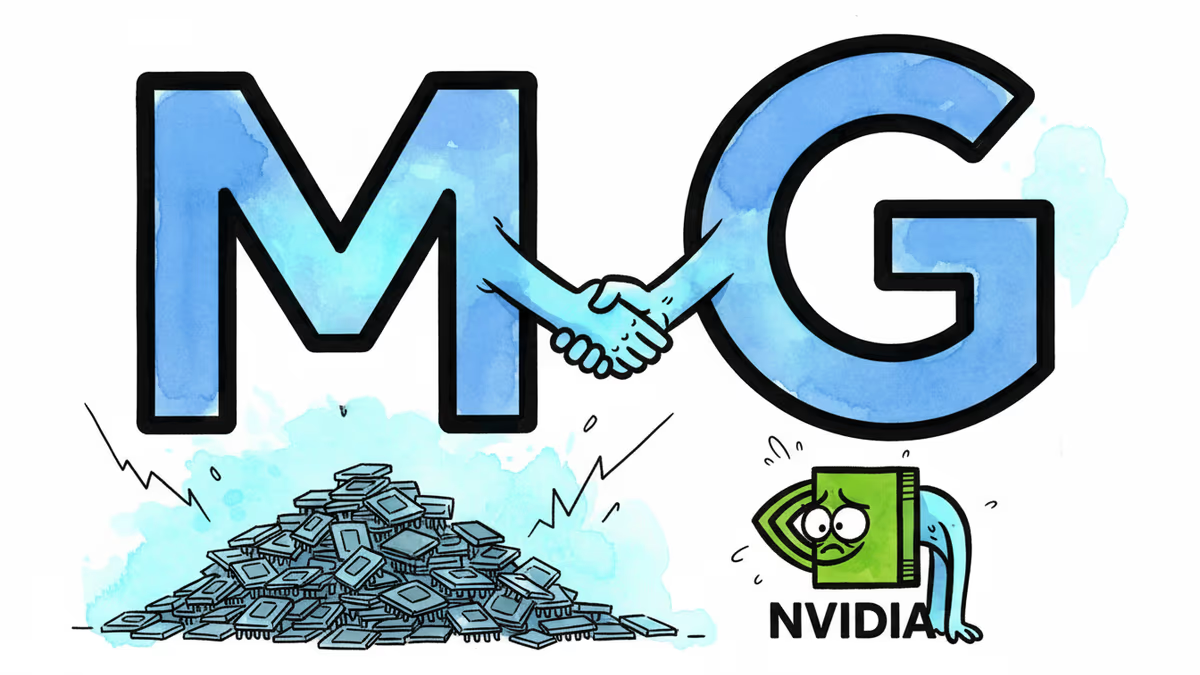
Meta signs massive deal to rent Google's TPU chips, potentially reshaping the AI hardware landscape. Is this the beginning of the end for Nvidia's dominance?
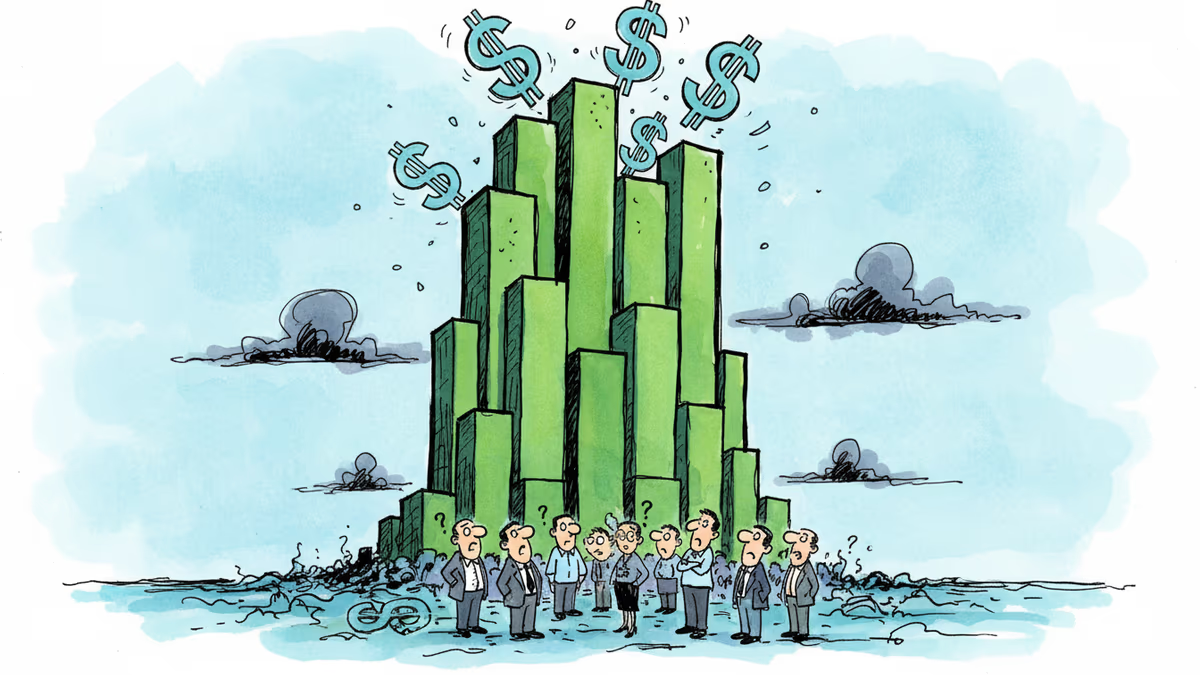
Nvidia crushed Wall Street expectations with 73% revenue growth, but shares rose just 1%. Here's why investors are growing cautious despite the AI boom.
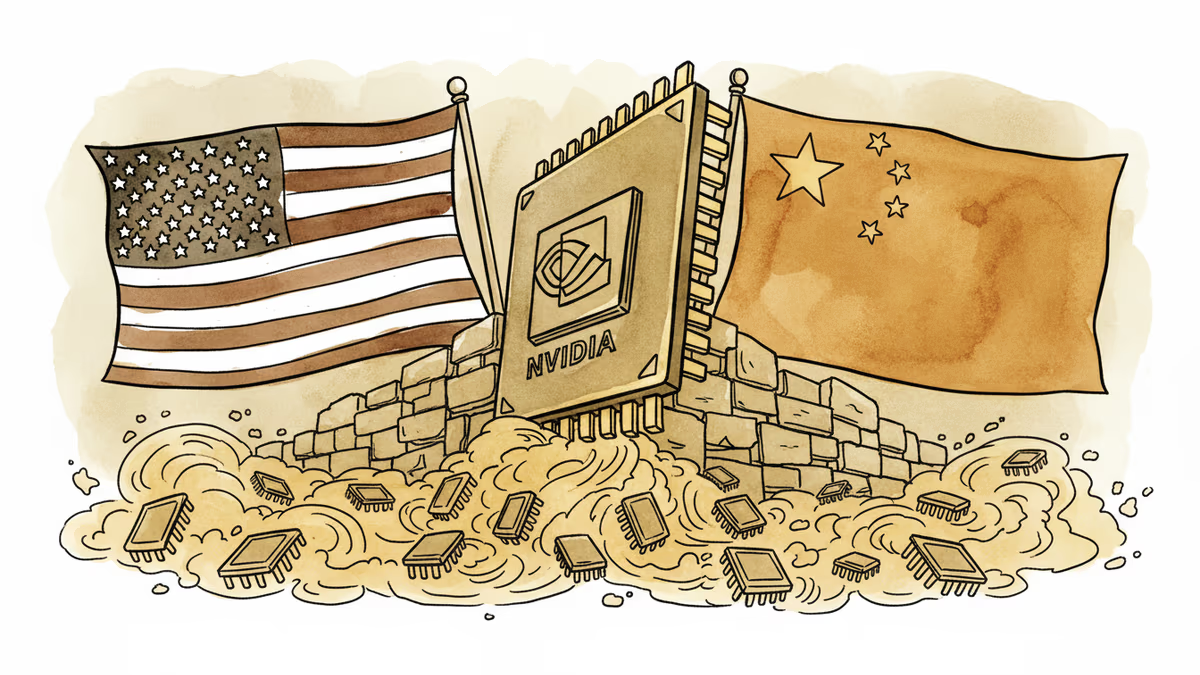
Despite Trump allowing H200 chip sales to China with 25% US cut, Nvidia reports zero revenue while Chinese AI rivals surge with cheaper alternatives and IPO funding.
PRISM by Liabooks
Place your ad in this space
[email protected]
Despite beating estimates with 77% revenue growth forecast, Nvidia shares stayed flat as investors face rising competition and China market uncertainty in the AI chip wars
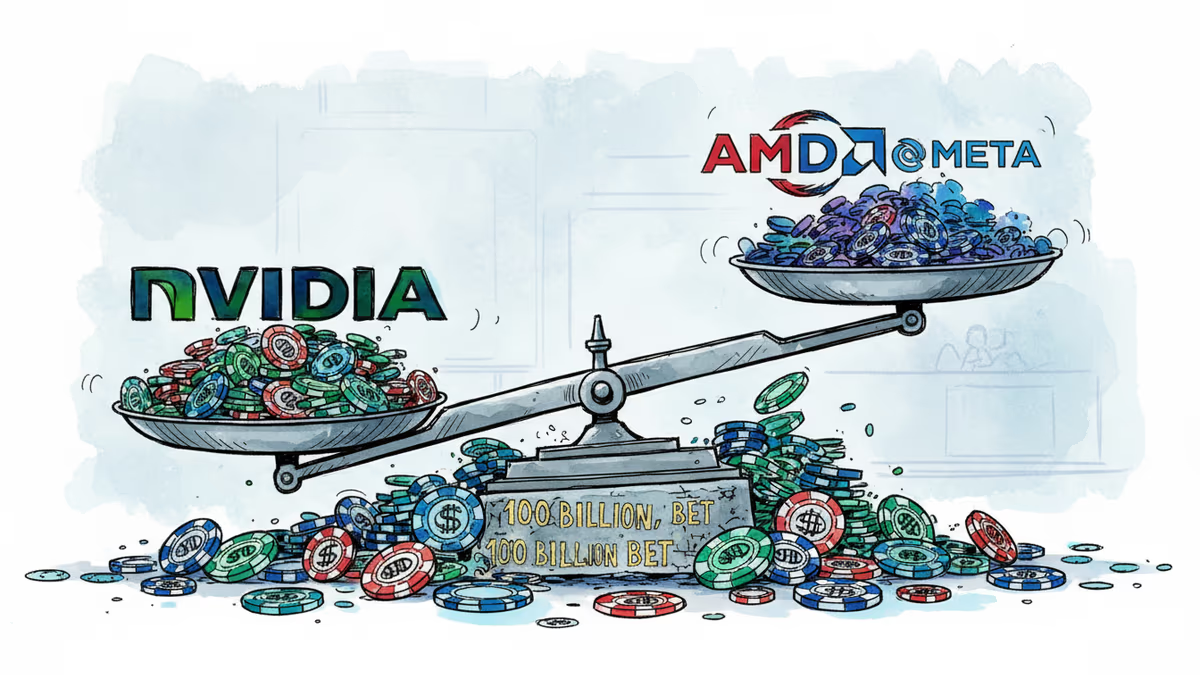
Meta's massive AMD partnership with equity warrants reveals a strategic shift in AI chip markets. Is this the beginning of the end for Nvidia's dominance?
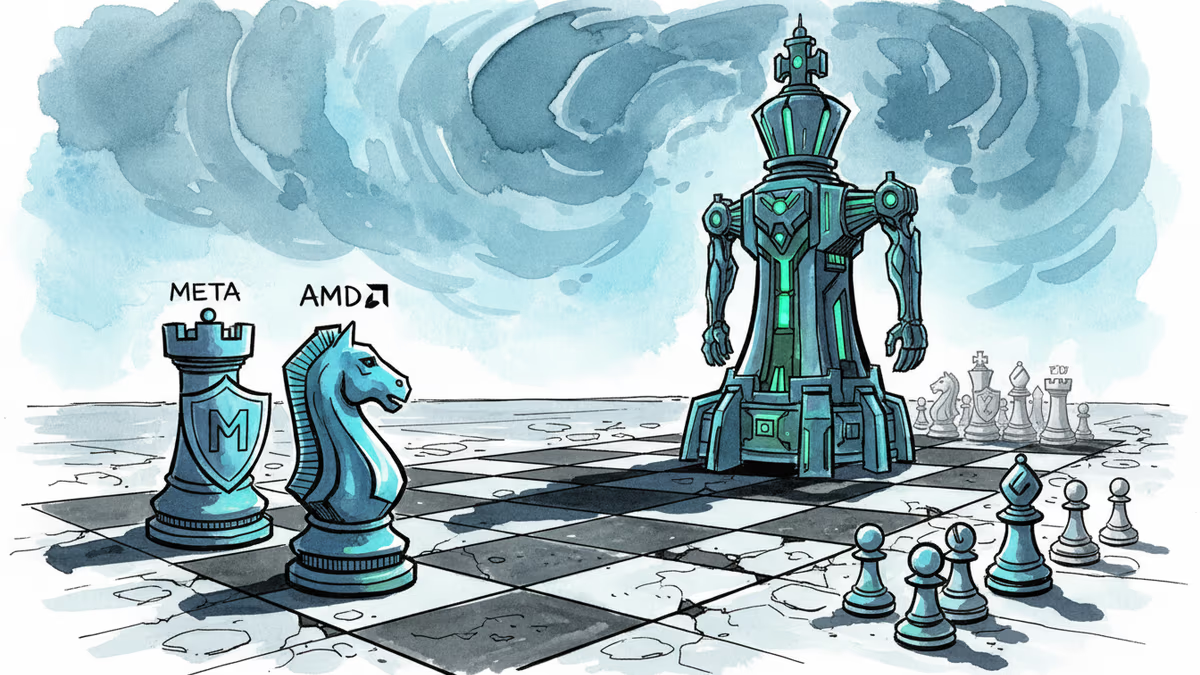
Meta strikes multi-billion dollar chip deal with AMD, considering 10% stake. Will this challenge Nvidia's AI dominance and reshape the semiconductor landscape?
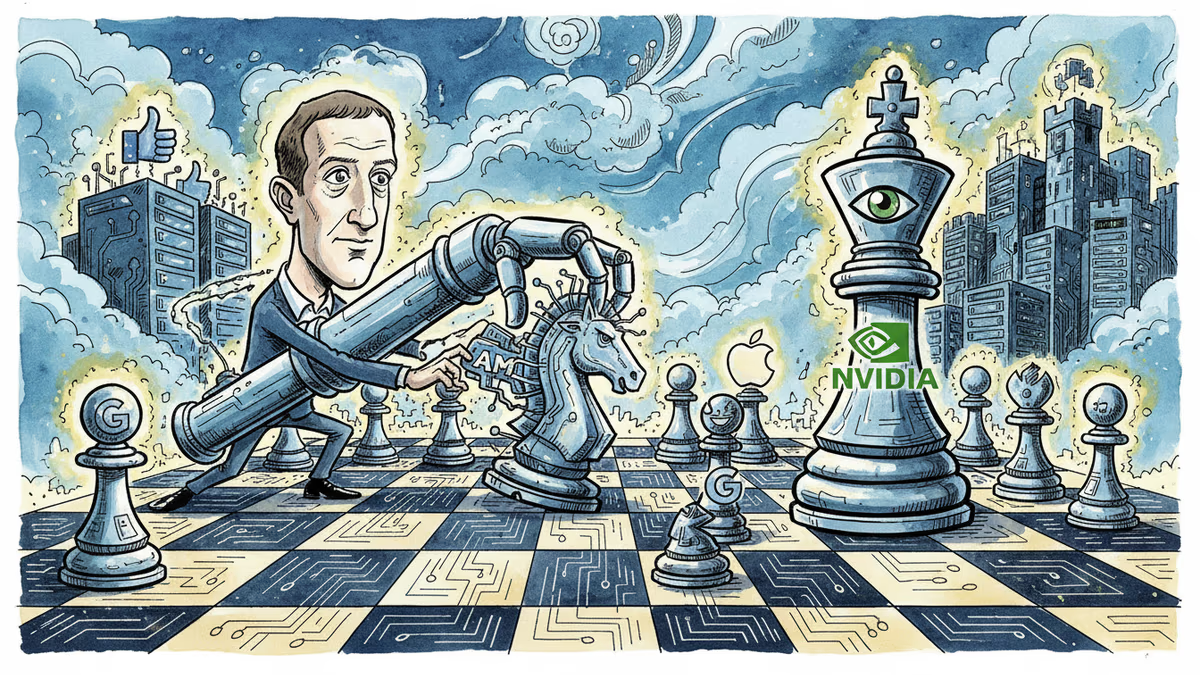
Meta strikes a multibillion-dollar chip deal with AMD, challenging NVIDIA's dominance in AI processors. Is this the beginning of real competition or just a negotiating tactic?
PRISM by Liabooks
Place your ad in this space
[email protected]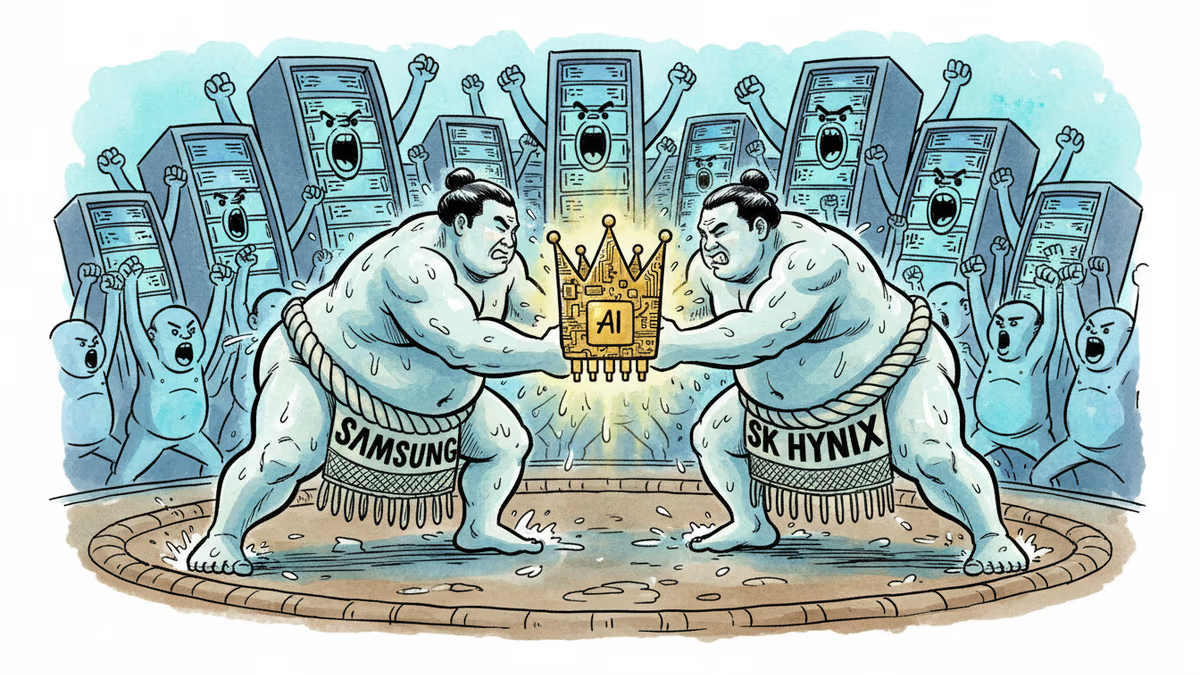
Samsung Electronics regained global DRAM leadership with $19.1B in Q4 sales, outpacing SK Hynix by just 3.7 percentage points in a fiercely competitive memory market.
