
#Space Exploration
Total 38 articles

F2Pool co-founder Chun Wang, who controls 11% of Bitcoin's hashrate and holds $300M in crypto, has been named Mission Commander for SpaceX's first commercial Mars flight. What does it mean when crypto capital funds humanity's next frontier?
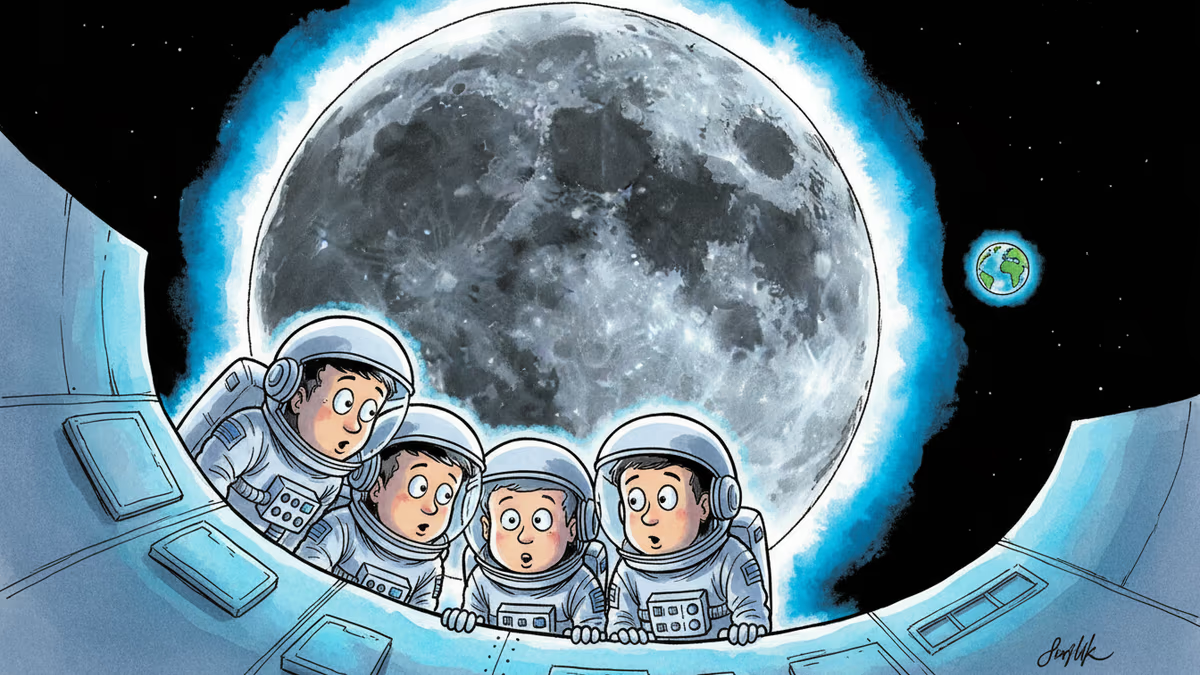
Artemis II astronauts witnessed a 54-minute solar eclipse from behind the Moon. What the science of awe tells us about why these moments matter beyond the spectacle.
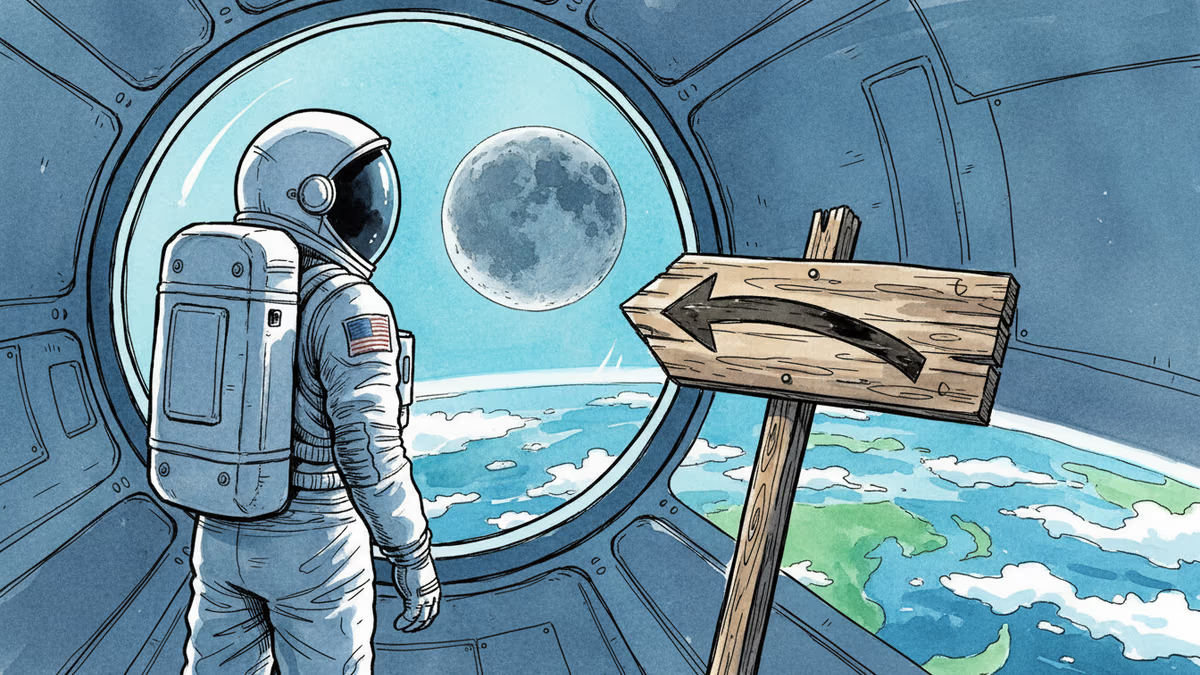
NASA's Artemis III has been redesigned as an Earth-orbit mission. SpaceX and Blue Origin say their landers won't be ready until late 2027. What does this mean for the future of lunar exploration?

PRISM by Liabooks
Place your ad in this space
[email protected]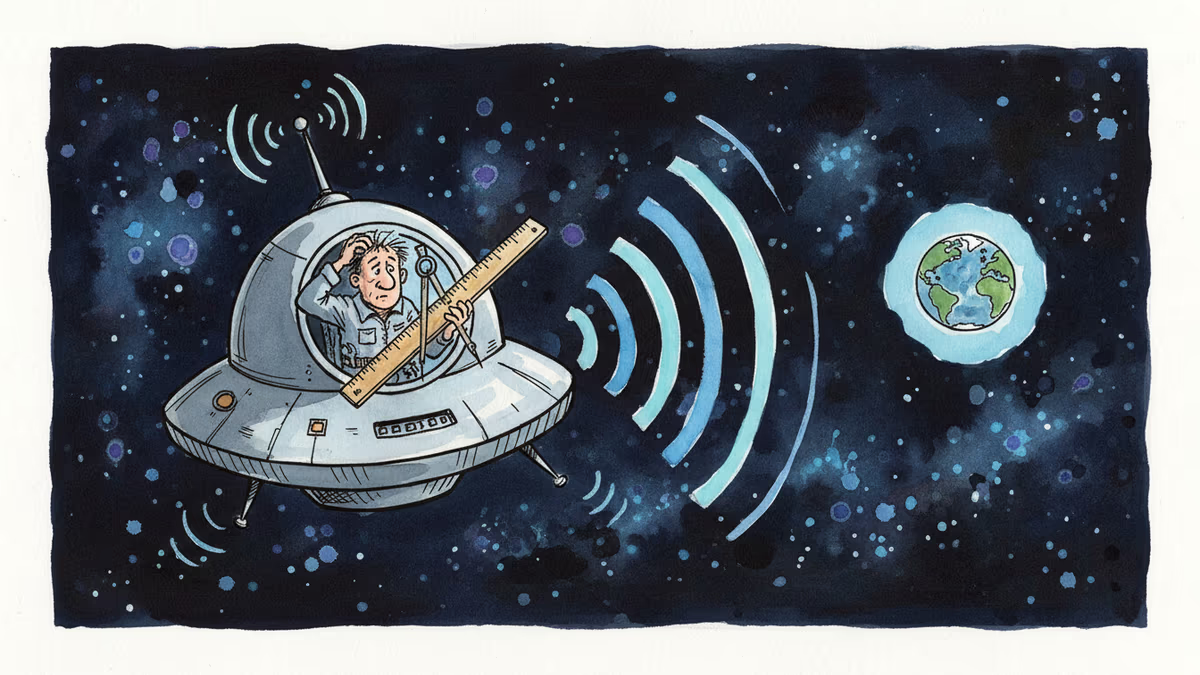
Flying to Mars means navigating without trees, wind, or GPS. Here's the surprisingly elegant physics behind how spacecraft measure their own velocity in the void.
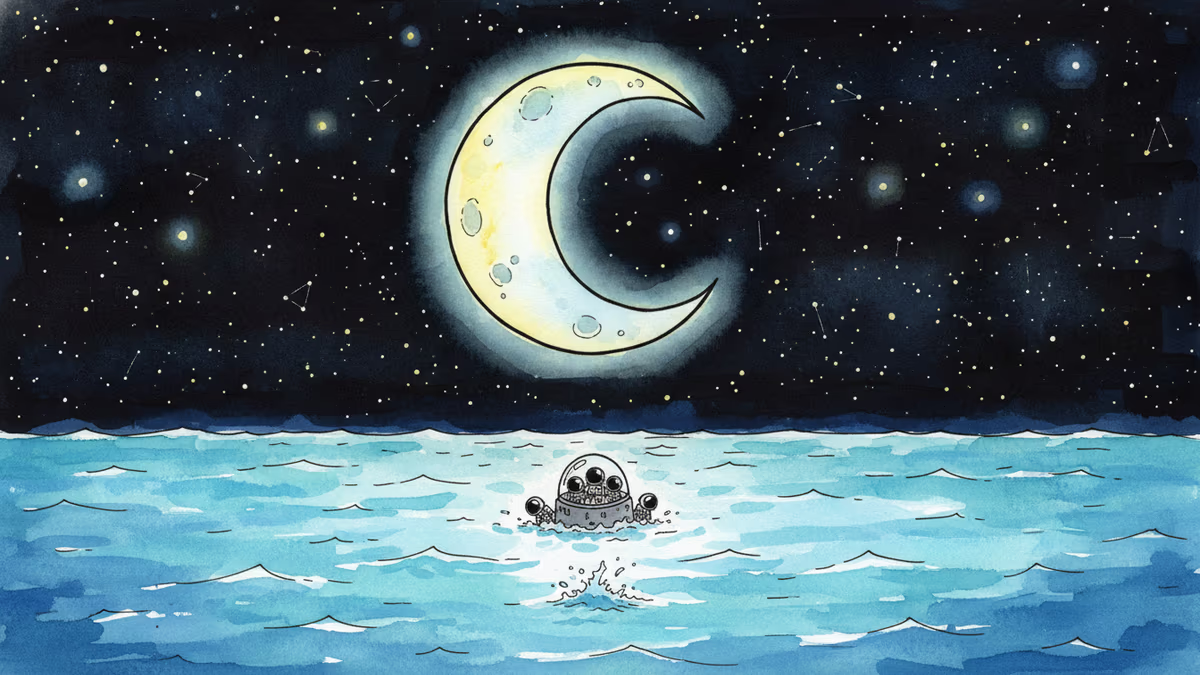
Artemis II splashed down successfully in the Pacific, marking humanity's first crewed deep space mission in over 50 years. But the harder question isn't whether we can go back — it's why we should.
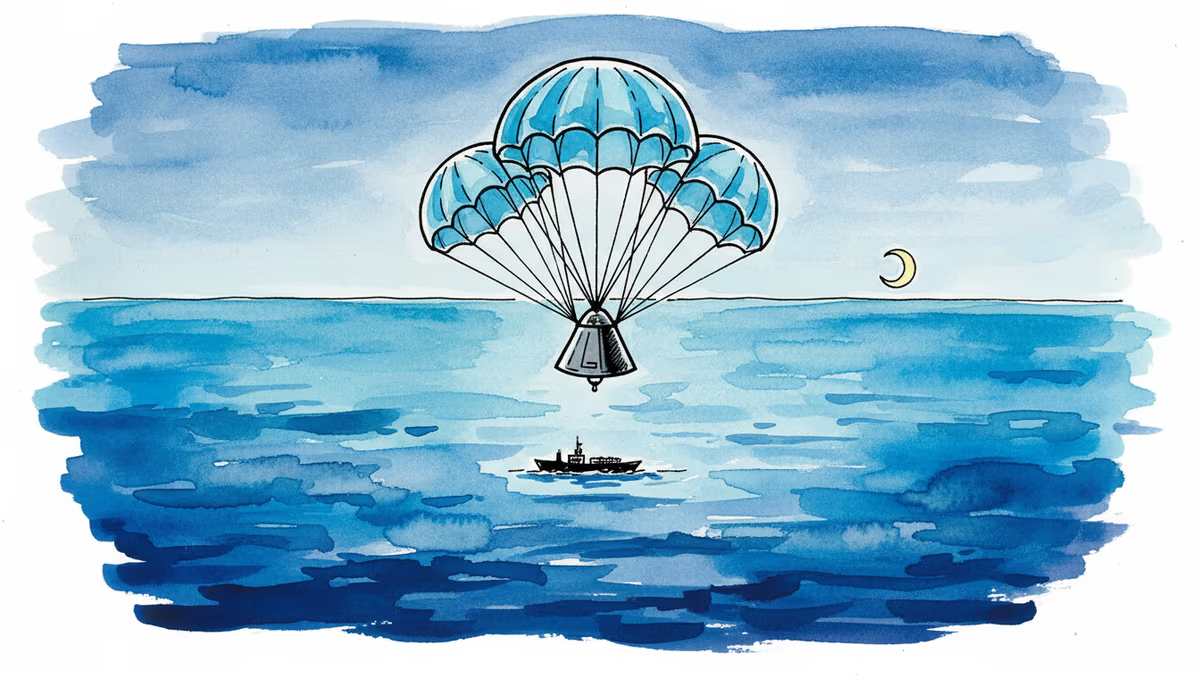
NASA's Orion capsule splashed down safely after humanity's first crewed lunar voyage in 54 years. The mission succeeded. Now the harder questions begin.
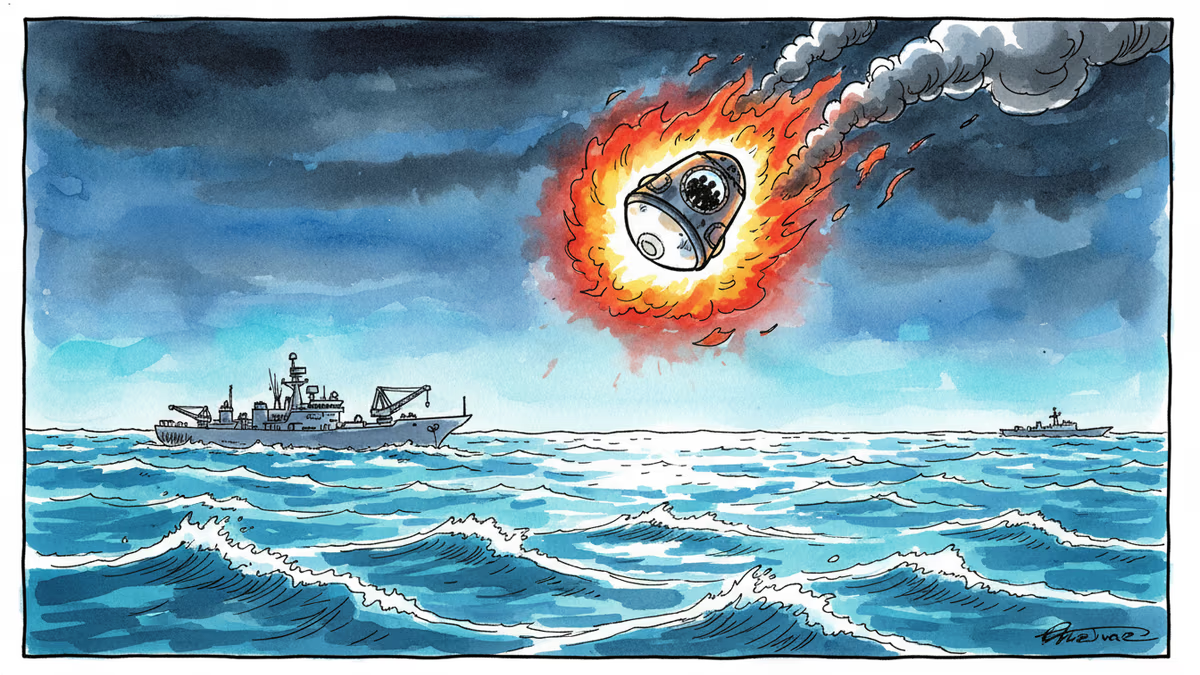
Artemis II's four astronauts are returning to Earth Friday night. The splashdown off Southern California isn't the anticlimax it sounds—it's the most technically perilous moment of the entire lunar journey.
PRISM by Liabooks
Place your ad in this space
[email protected]
Artemis II has returned from the farthest human journey in 54 years. As the moon becomes a destination again, we're forced to ask: are we going back for wonder, profit, or something we haven't admitted yet?
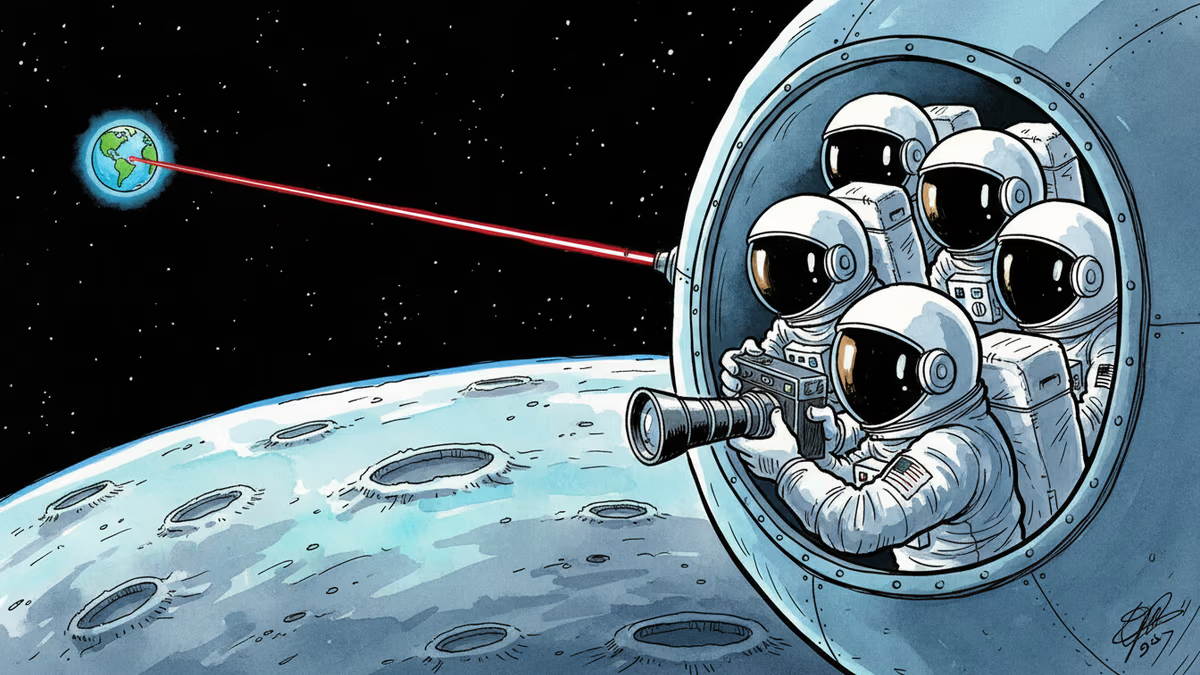
NASA's Artemis II crew beamed high-res photos to Earth via laser link after rounding the far side of the Moon. What this means for deep space communication—and who controls it.

As Artemis II astronauts gazed at Earth from lunar orbit and wept, Trump threatened to erase a civilization. The collision of these two moments asks something profound about power, ego, and what we choose to see.

NASA Artemis II commander Reid Wiseman ran out of words to describe the Moon after eight hours of observation. What does that tell us about human exploration in an age of perfect simulations?
PRISM by Liabooks
Place your ad in this space
[email protected]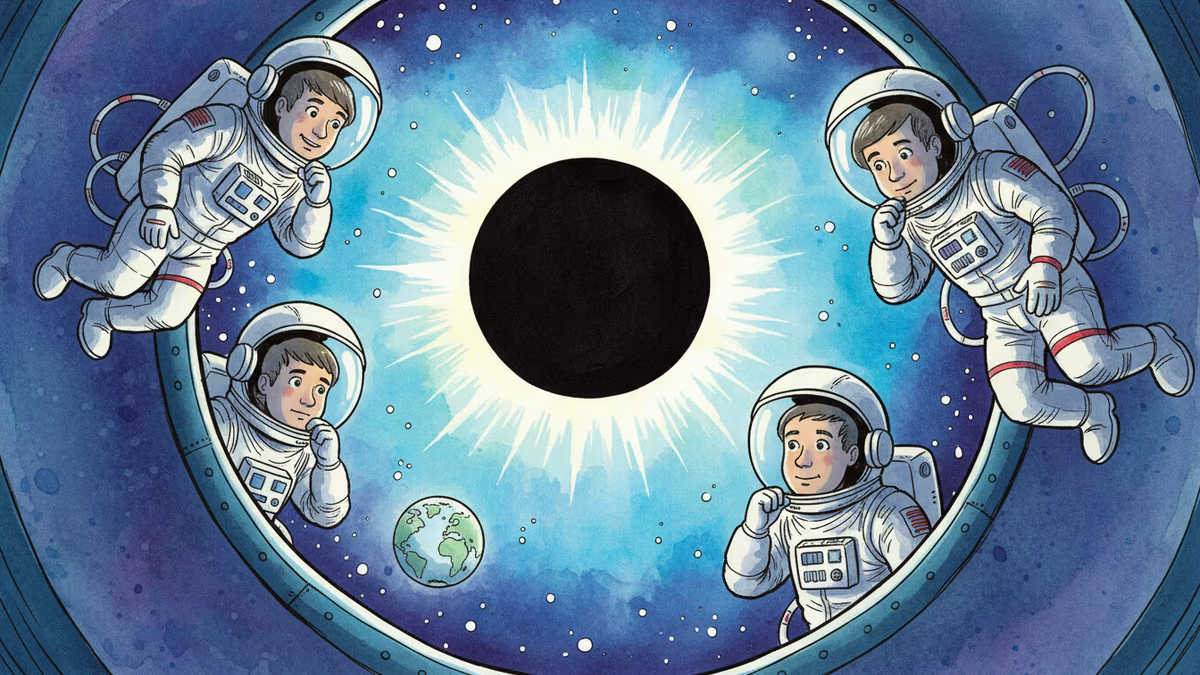
Artemis II astronauts photographed a total solar eclipse from beyond the Moon — a view no human had witnessed before. Here's why that matters beyond the stunning visuals.
