
#Energy Security
Total 128 articles
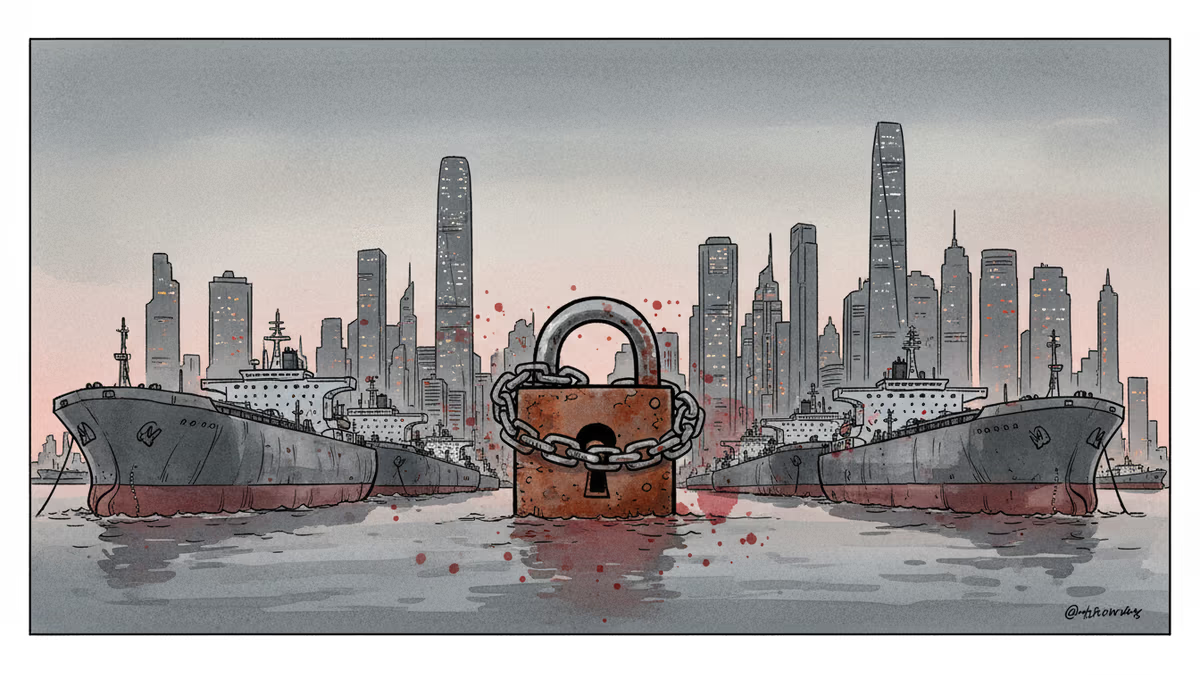
The U.S.-Israeli strikes on Iran have closed the Strait of Hormuz and sent cascading shocks across Asia—from Japan's record stock plunge to India's two-week LPG stockpile. A geopolitical analysis.
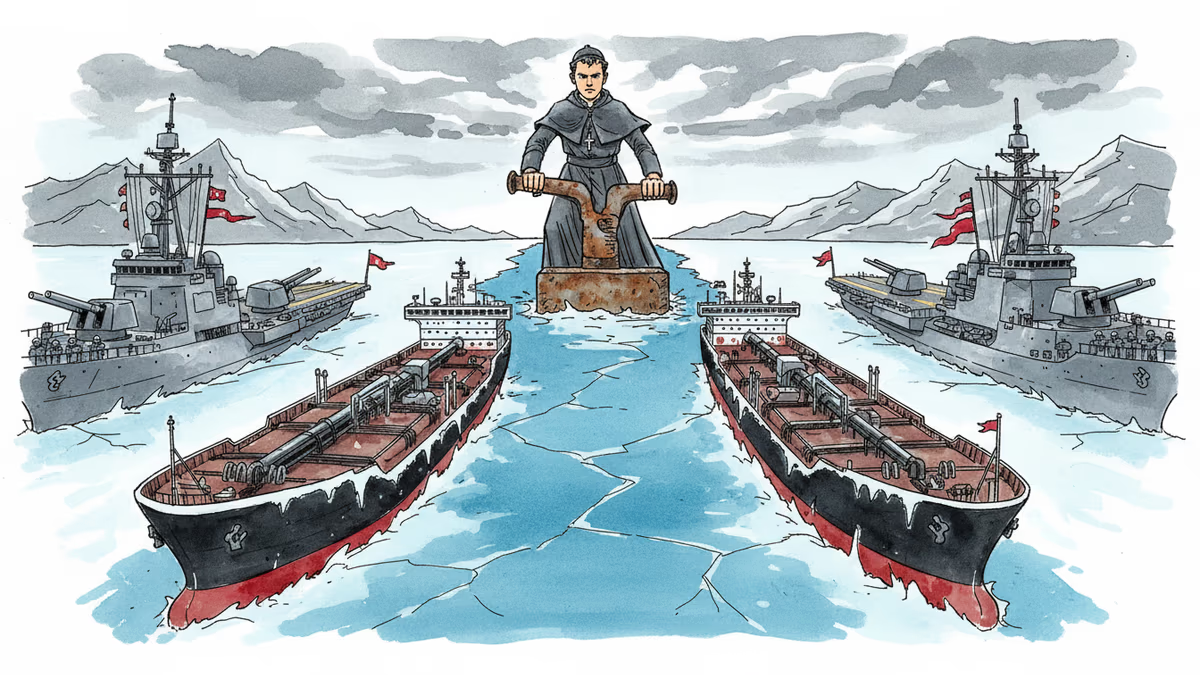
Iran's new Supreme Leader Mojtaba Khamenei has vowed to block the Strait of Hormuz and attack US bases. With 20% of global oil shipments at stake, the world is watching.
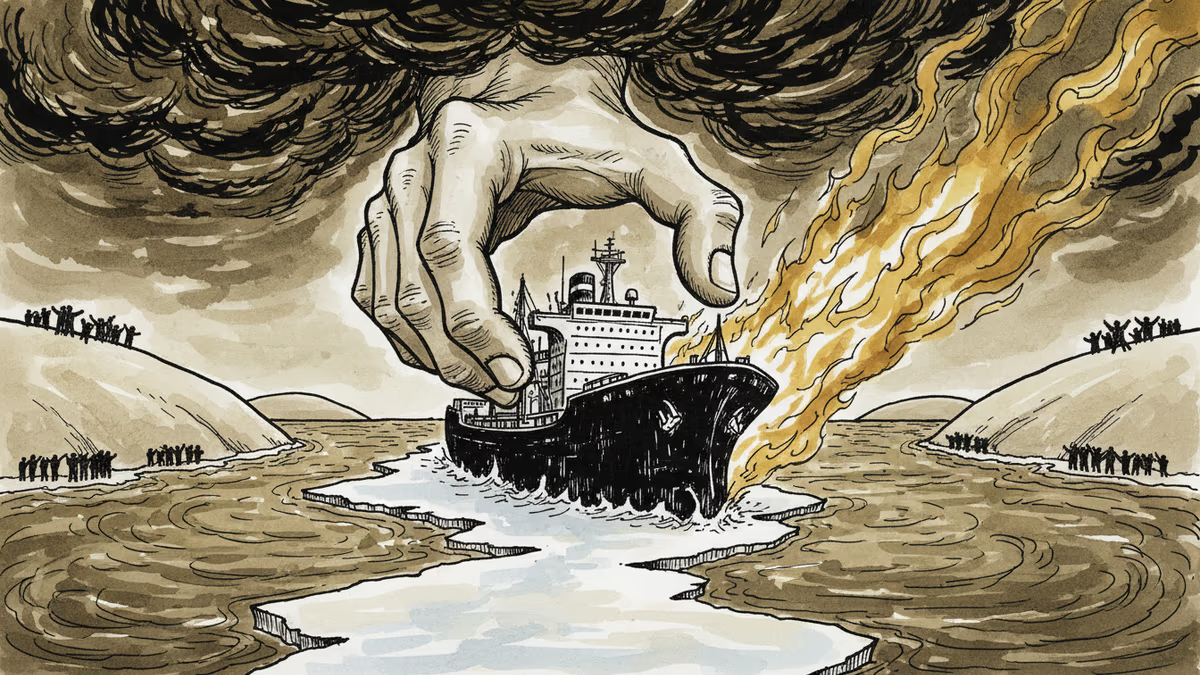
The IEA has called the Iran war the 'largest disruption in history' to oil supplies. Here's what that means for energy prices, global markets, and your wallet.

PRISM by Liabooks
Place your ad in this space
[email protected]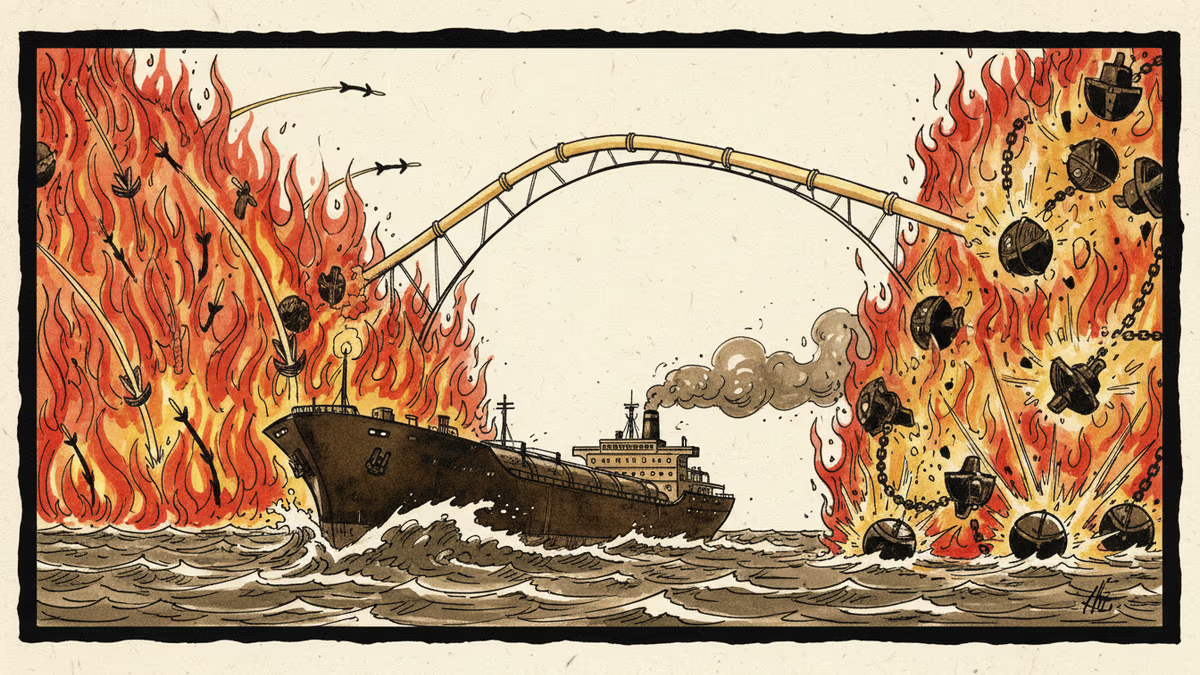
Saudi Arabia's East-West pipeline offers a way around the Strait of Hormuz—but ships emerge into Houthi-controlled Red Sea waters. A look at the geography of risk reshaping global energy markets.
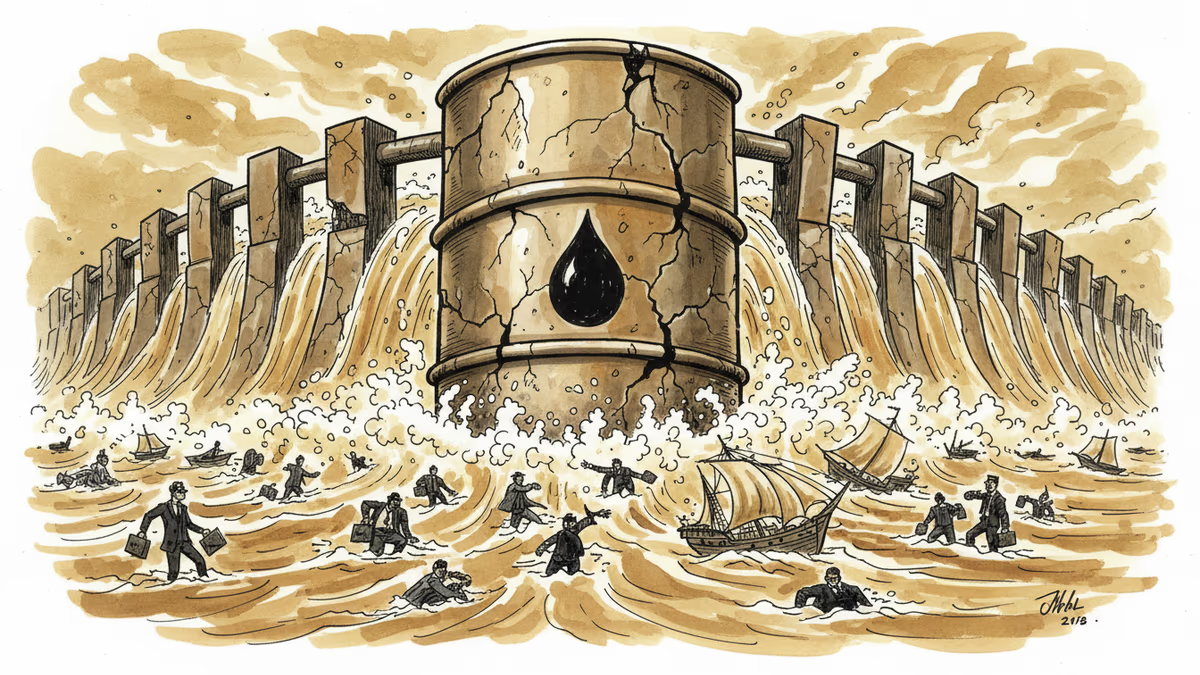
Brent crude topped $100 a barrel in Tokyo trading as the yen hit its weakest since January. With Hormuz closure fears mounting, what does this mean for Asian economies and your portfolio?
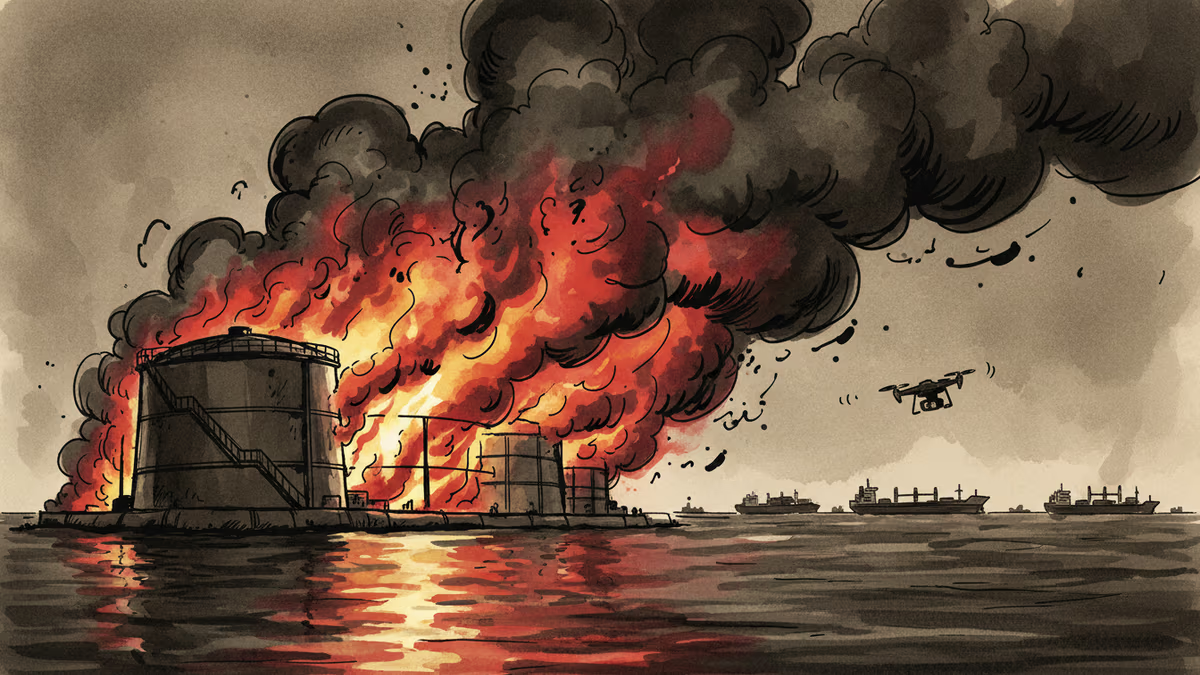
Drone strikes on Oman's Salalah port oil facilities signal a dangerous expansion of the Iran conflict. With the IEA recommending a record 400M barrel oil release, what comes next for global energy markets?
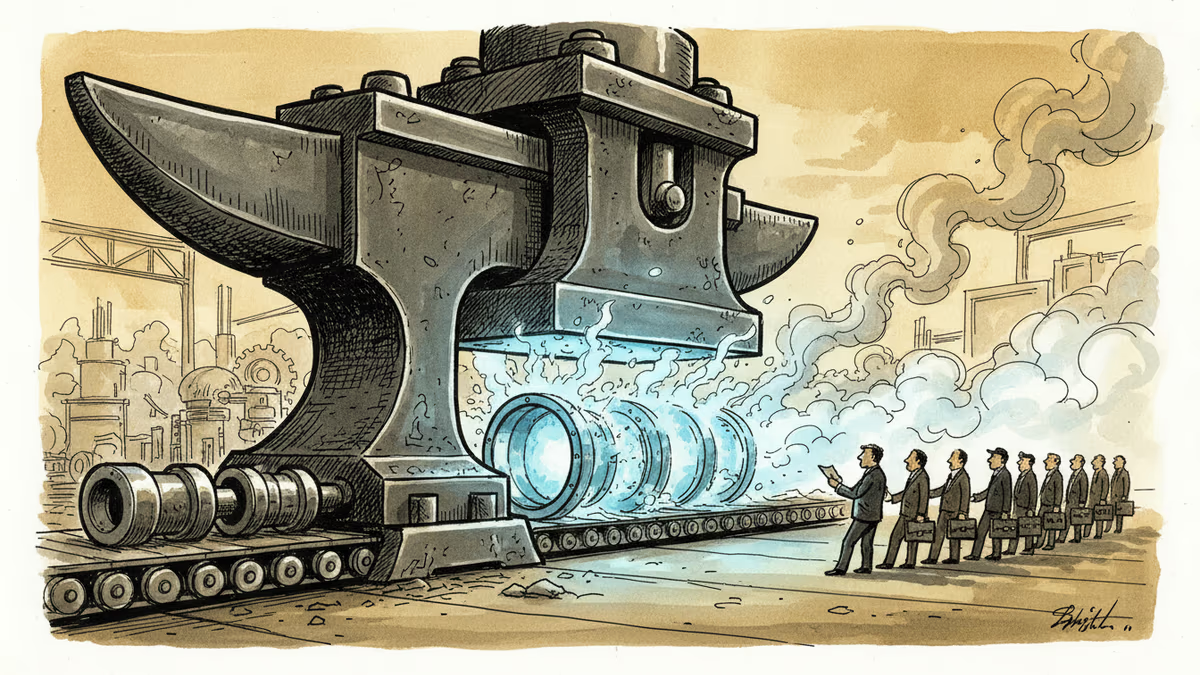
Japan Steel Works stock has quadrupled since end-2023 as nuclear power returns and defense spending surges. A look at what its monopoly-like grip on reactor components means for energy security and investors.
PRISM by Liabooks
Place your ad in this space
[email protected]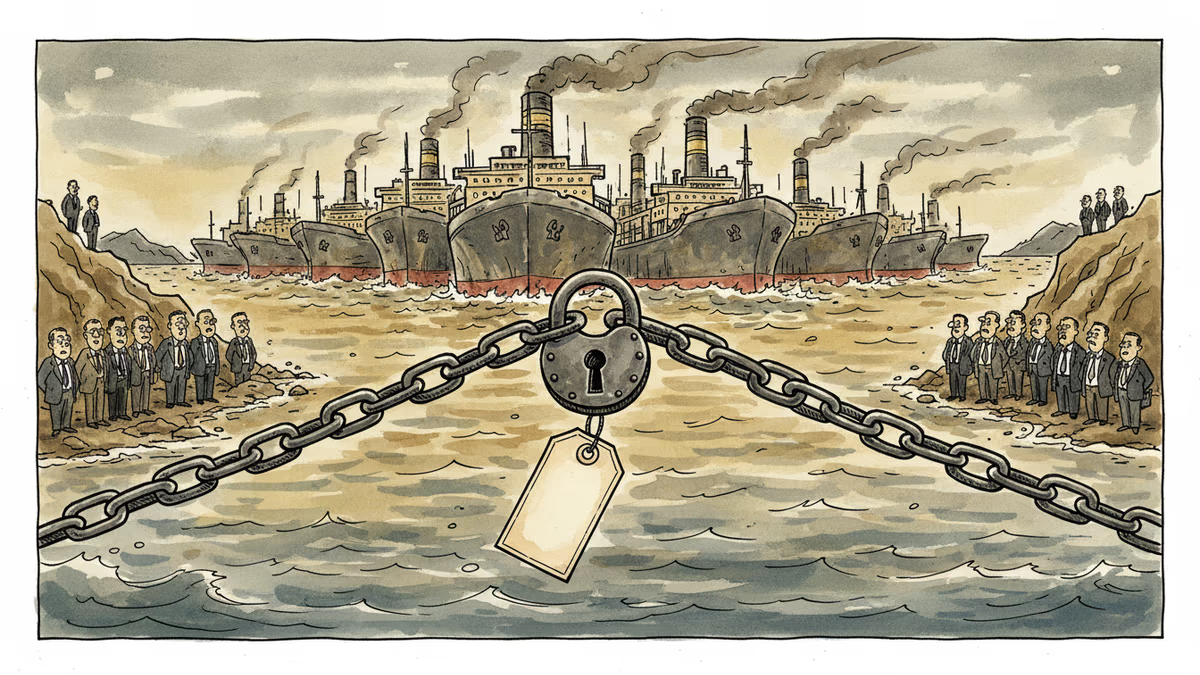
Iran's IRGC has vowed to block all oil through the Strait of Hormuz, threatening $200 oil. The IEA's 400-million-barrel release buys time—but how much?
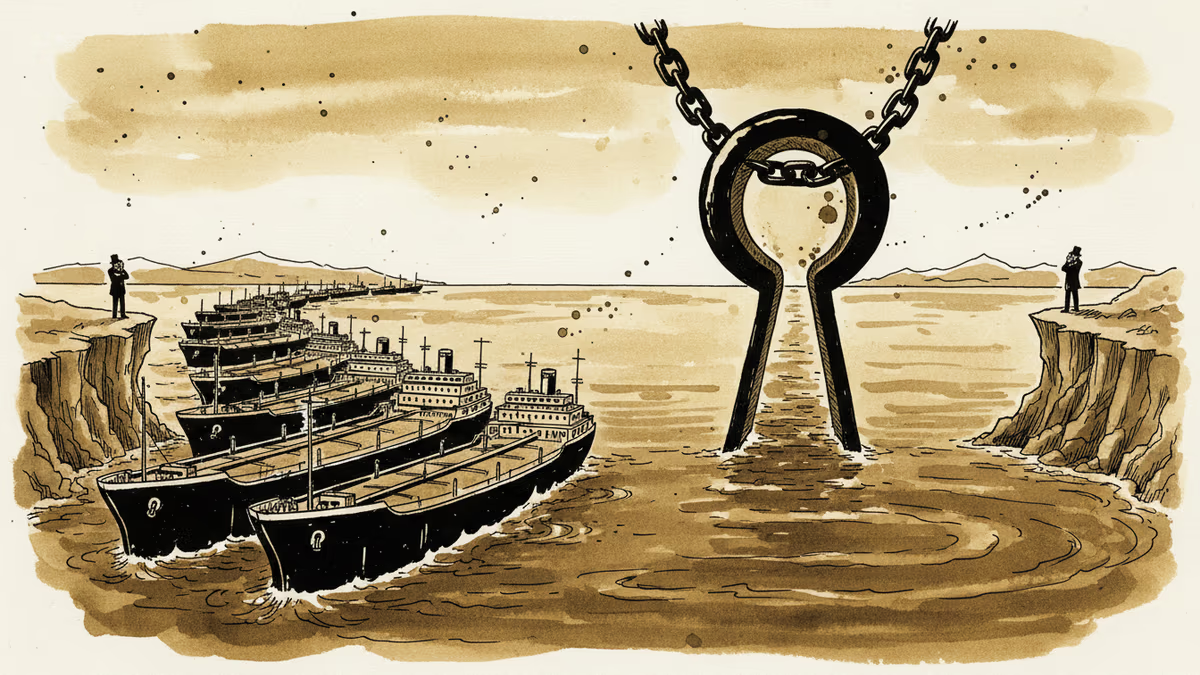
A military conflict involving Iran could send oil above $150 a barrel. Here's what that means for energy markets, household budgets, and global economic stability.
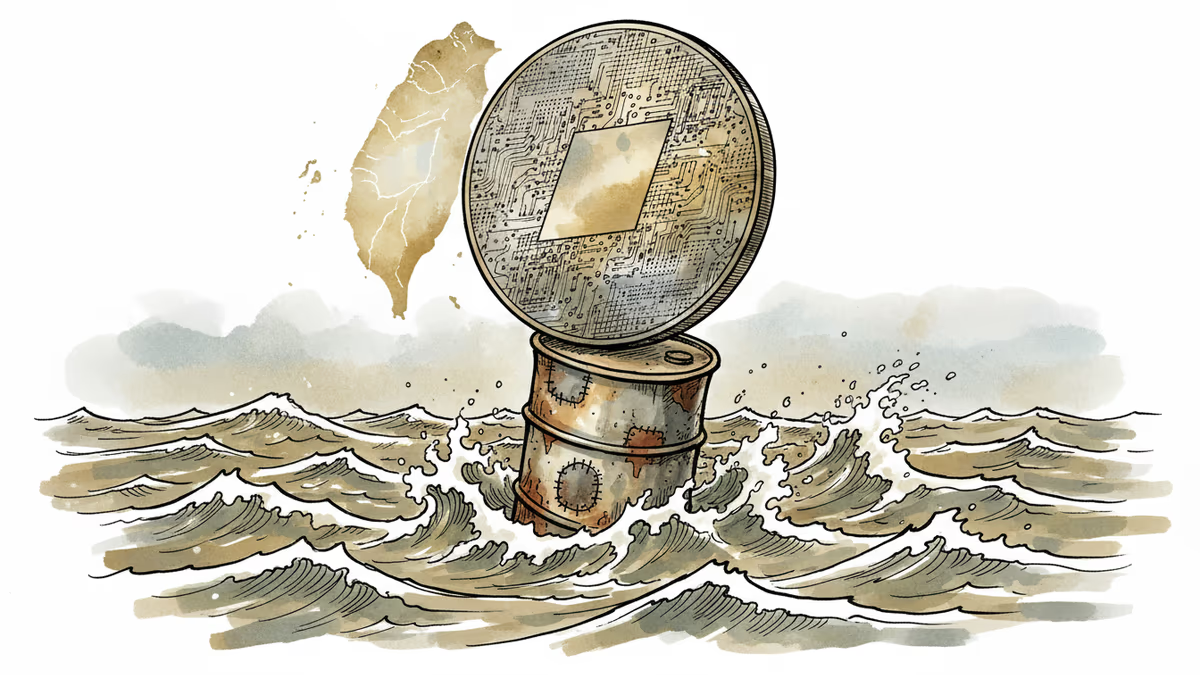
The Iran war has exposed Taiwan's deep dependence on Middle Eastern energy — and the island makes most of the world's advanced chips. Here's what's at stake for global supply chains.
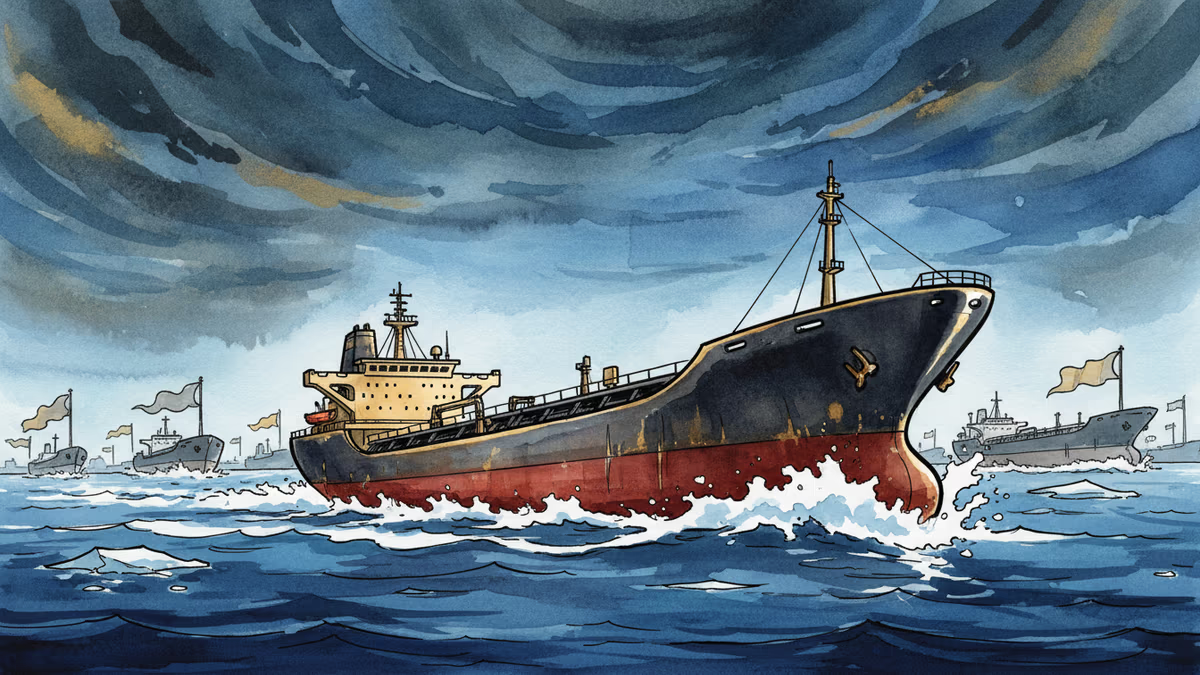
With the Strait of Hormuz effectively closed, the only tankers still moving are those that ignore international rules. What the shadow fleet reveals about how ocean governance really works.
PRISM by Liabooks
Place your ad in this space
[email protected]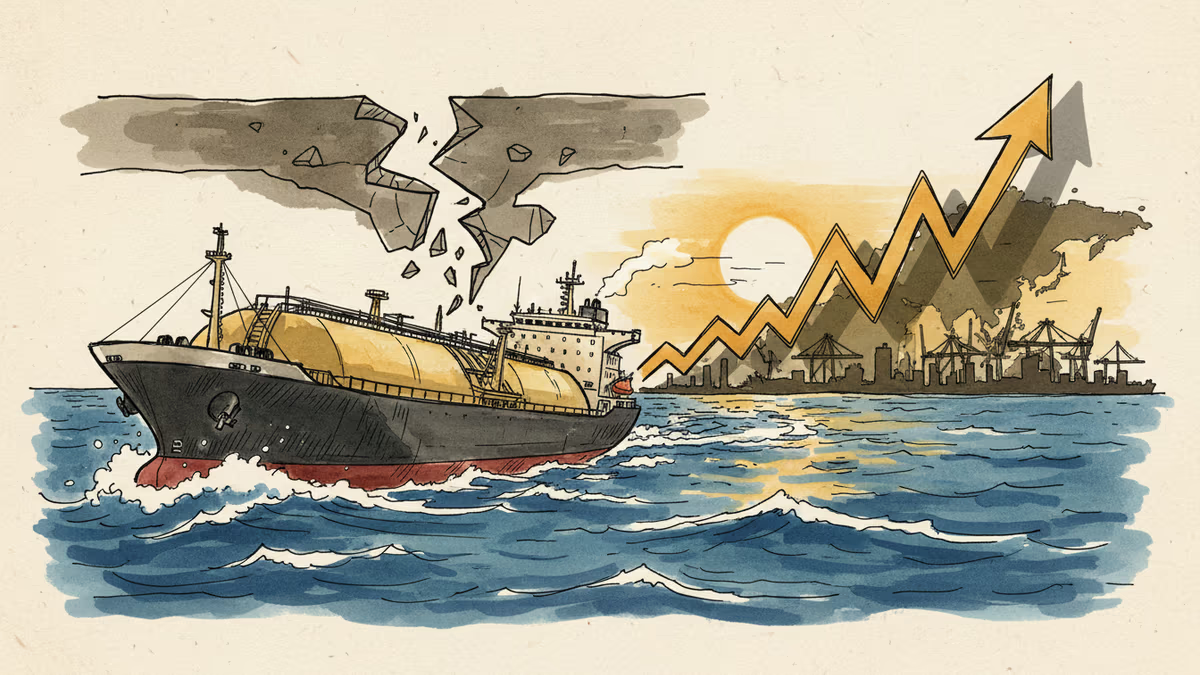
As Iran tensions effectively close the Strait of Hormuz, LNG tankers bound for Europe are diverting to Asia mid-voyage. What this means for energy markets, prices, and geopolitical leverage.
