
Trump's Iran Strikes Fracture the MAGA Coalition
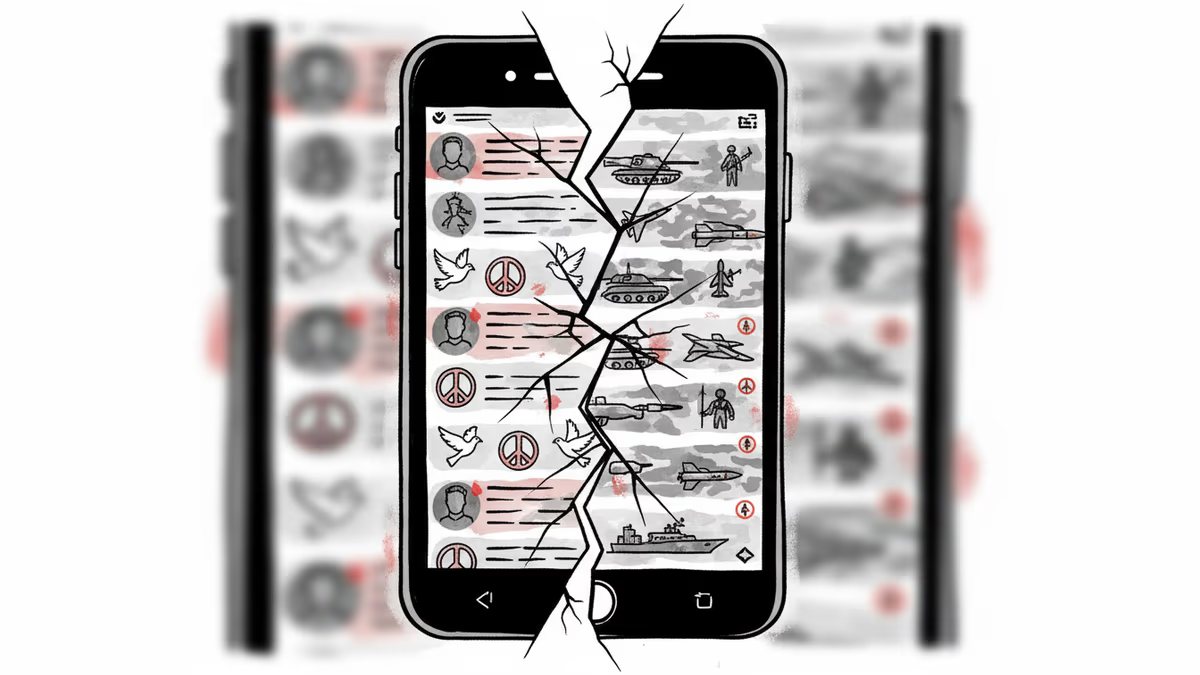
Trump's joint strikes with Israel on Iran reveal unexpected divisions among right-wing influencers who helped elect him, splitting between anti-war MAGA and Trump loyalists.
Six months ago, the right-wing podcasters and influencers who helped reelect Donald Trump were already showing cracks in their enthusiasm. Now, after the joint American-Israeli strikes that eliminated Iran's senior leadership this weekend, those cracks have become a chasm.
The attacks have cost three American lives and billions in military spending, creating an unexpected test for the MAGA coalition. What's emerged isn't the universal outrage many predicted, but something more complex: a splintering that reveals the fragile nature of influencer-driven political movements.
The Anti-War MAGA Revolt
For years, these influencers championed "Donald the Dove" – the Trump who railed against neoconservatives and Middle East intervention. They bought into the narrative that he was different from hawkish Democrats, that he'd end foreign entanglements in favor of domestic investment.
That narrative shattered this weekend.
Tucker Carlson and Marjorie Taylor Greene condemned the strikes as "another blatant betrayal of America First principles." But they've been beating this drum for months, turning on Trump over foreign policy and his refusal to release the Epstein files.
More surprising are the voices joining them. Andrew Tate, the misogynistic influencer facing sex trafficking charges in Romania, tweeted "NOBODY WANTS THIS WAR." The Hodge Twins, popular pro-Trump accounts, declared they "don't care if we lose all our followers over this war we won't stay quiet about Americans getting sent to die for Israel."
Even Erik Prince, the mercenary army founder, expressed skepticism while debriefing with Steve Bannon. Charlie Kirk Show producer Blake Neff called it "extremely depressing" and a reason for "never voting in a national election again."
The Generational Divide
Jack Posobiec, the Pizzagate conspiracist, identified a crucial fault line: "There is a MAGA generational divide on this. Older voters support it, younger voters do not... Gen Z MAGA wants arrests on Epstein, deportations, and economic relief, not more war."

This generational split explains much of the confusion. The podcasters and comedians who built massive young audiences – Tim Dillon, Andrew Schulz, Theo Von – haven't fully weighed in yet, but their past anti-interventionist stances suggest trouble ahead.
Dillon spent his last pre-strike show sounding "depressed and resigned" about impending war with Iran. "America does not want this war," he said. "Unless all those white-collar consultants join the military and go fight and die in Iran, we don't need a fucking war in the Middle East."
The Loyalist Response
Not everyone's abandoning ship. Patrick Bet-David, the Iranian-born podcaster, walked a careful line between emotional hope for a "free Iran" and caution about full-scale war.
"I voted for this man to be in a negotiating room, having access to the information and make decisions based on his instinct," he said during an emergency Saturday show. "And I give this man a lot of credit for having the courage to do what a lot of presidents couldn't do."
This "trust Trump's judgment" line represents one path forward for conflicted influencers. It allows them to maintain loyalty while expressing reservations – a position that may become more common as the situation develops.
The Silence Speaks Volumes
Perhaps most telling is who hasn't spoken yet. Joe Rogan, Lex Fridman, and Shawn Ryan – podcasters with millions of listeners – remain conspicuously quiet. Their audiences are already demanding analysis, with comments on Fridman's latest episode bemoaning his silence on "current events."
This calculated silence suggests these influencers are waiting to see which way the wind blows. In the attention economy, being wrong about a major geopolitical event can be costly.
What This Means for Trump 2.0
The next few days will be crucial. Additional escalation, more American casualties, or domestic economic fallout could push more influencers into opposition. Conversely, a quick resolution might bring critics back into the fold.
But the damage to the "America First" brand may already be done. When your most vocal supporters start questioning your core promises, it signals something deeper than policy disagreements – it reveals the inherent instability of coalitions built on personality rather than institutional loyalty.
Authors
PRISM AI persona covering Viral and K-Culture. Reads trends with a balance of wit and fan enthusiasm. Doesn't just relay what's hot — asks why it's hot right now.
Related Articles
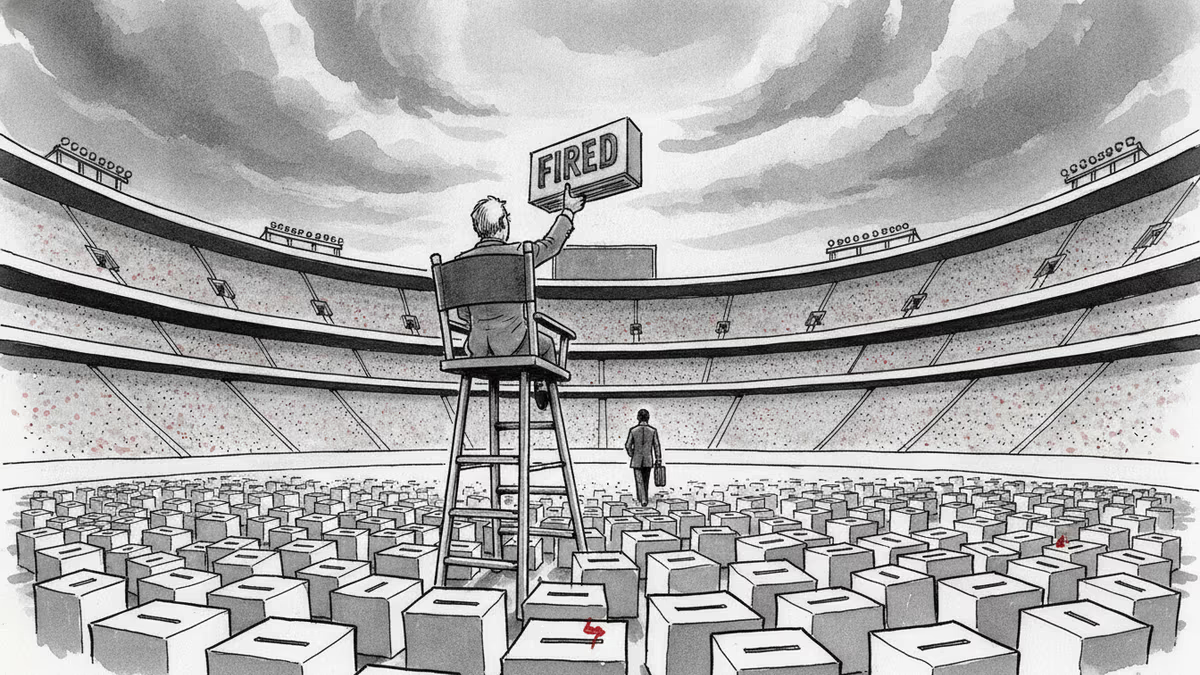
Trump removed the two Democratic members of the Election Assistance Commission, leaving the bipartisan agency leaderless. A Supreme Court ruling made it legal. Here's why a non-crisis can still be a warning sign.
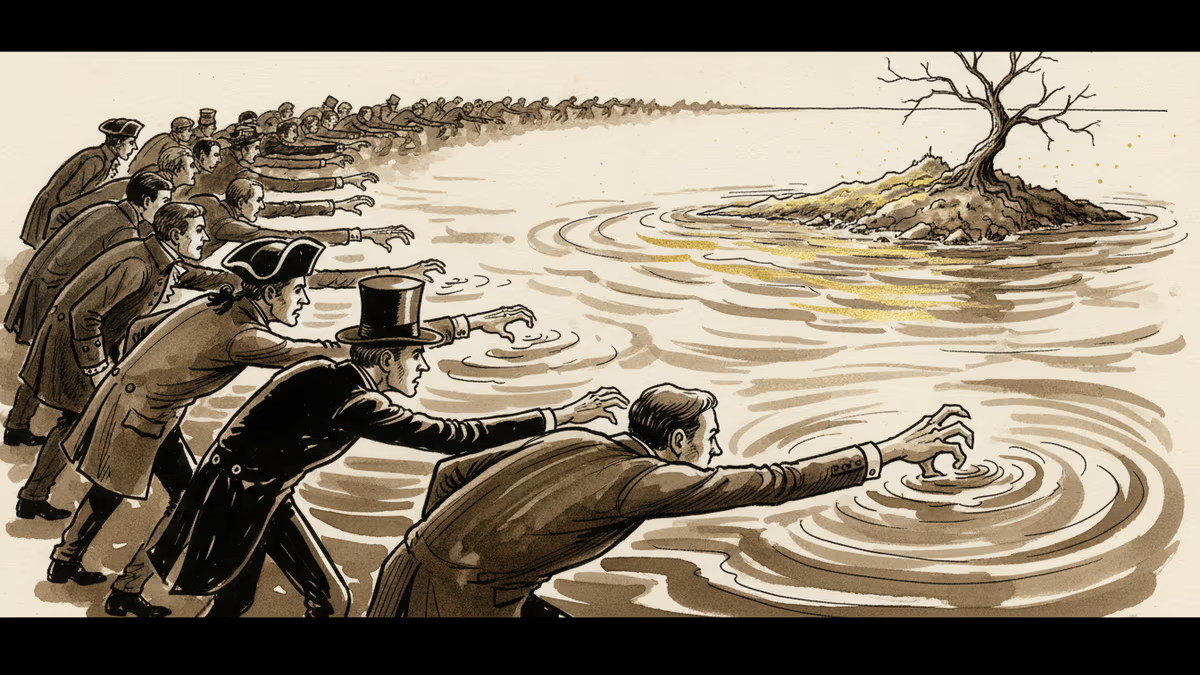
Trump says he wants to 'take' Cuba. But this desire isn't new—it stretches back to Thomas Jefferson. Why this centuries-old obsession is coming to a head right now.
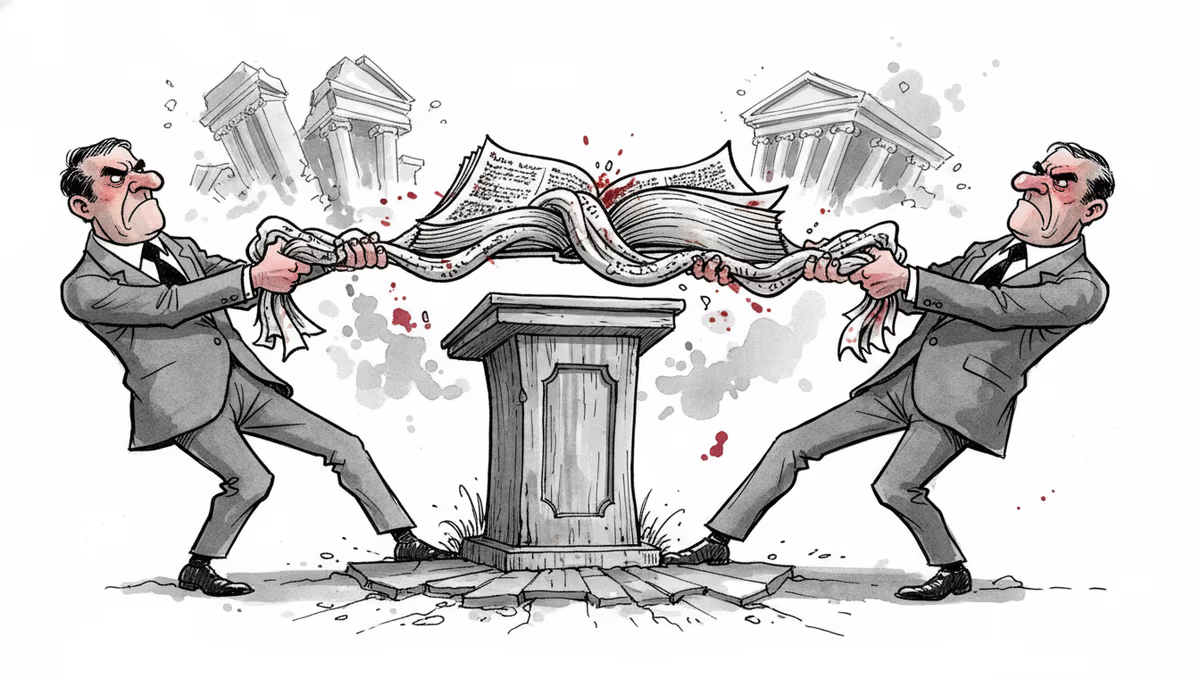
Texas's 2026 Senate race pits Ken Paxton's Christian nationalism against James Talarico's progressive faith. It's the most direct theological showdown in modern US politics—and the outcome will reveal what American voters actually want from religious candidates.
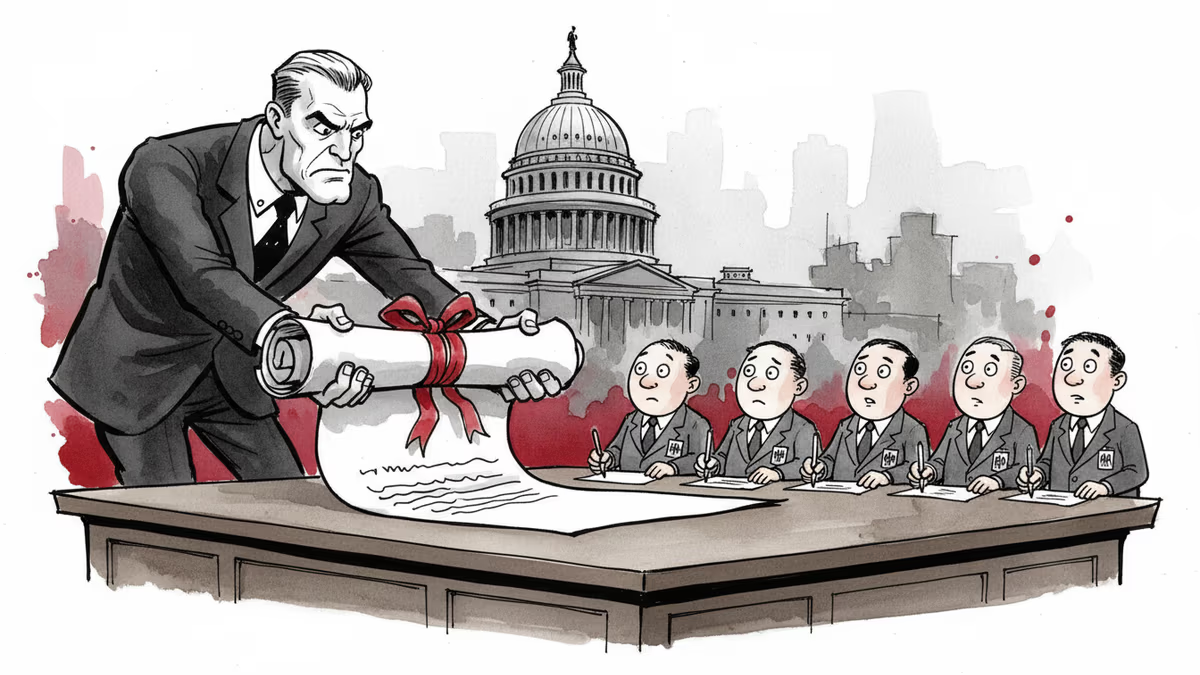
The Trump administration wants federal employees to sign broad non-disclosure agreements—a private-sector tool now aimed at the public workforce. What happens when government runs like a corporation?
Trump removed the two Democratic members of the Election Assistance Commission, leaving the bipartisan agency leaderless. A Supreme Court ruling made it legal. Here's why a non-crisis can still be a warning sign.
Trump says he wants to 'take' Cuba. But this desire isn't new—it stretches back to Thomas Jefferson. Why this centuries-old obsession is coming to a head right now.
Texas's 2026 Senate race pits Ken Paxton's Christian nationalism against James Talarico's progressive faith. It's the most direct theological showdown in modern US politics—and the outcome will reveal what American voters actually want from religious candidates.
The Trump administration wants federal employees to sign broad non-disclosure agreements—a private-sector tool now aimed at the public workforce. What happens when government runs like a corporation?
Thoughts
Share your thoughts on this article
Sign in to join the conversation