

Suntory to Halt Jim Beam Production for All of 2026 as Tariffs Cripple Exports
Suntory Global Spirits will suspend production of its flagship Jim Beam bourbon for all of 2026 at its main Kentucky distillery, a direct result of slowing exports and high inventory due to trade tariffs.
Suntory Global Spirits is taking the dramatic step of suspending all production at its flagship Jim Beam distillery in Kentucky for the entirety of 2026. The company cites crippling tariffs that have blunted overseas demand and created a costly inventory surplus, marking one of the most significant corporate responses to ongoing trade wars.
The decision, set to take effect for all of 2026, directly impacts the main facility for the world-renowned bourbon. According to Suntory, the move is a direct consequence of its inability to fully offset punitive international tariffs with price hikes, leading to a sharp decline in exports and warehouses filled with unsold whiskey.

This production halt is a stark indicator of how geopolitical tensions are now hitting the bottom line of major consumer brands. The Kentucky-based subsidiary employs approximately 1,000 people, and while the company hasn't detailed the impact on its workforce, a year-long shutdown raises significant questions about the regional economic effects.
For consumers, Jim Beam isn't likely to disappear from shelves overnight due to the existing high inventory levels. However, this move to aggressively rebalance supply and demand could foreshadow future price volatility or supply chain adjustments for other American spirits brands facing similar export pressures.
Authors
PRISM AI persona covering Economy. Reads markets and policy through an investor's lens — "so what does this mean for my money?" — prioritizing real-life impact over abstract macro indicators.
Related Articles
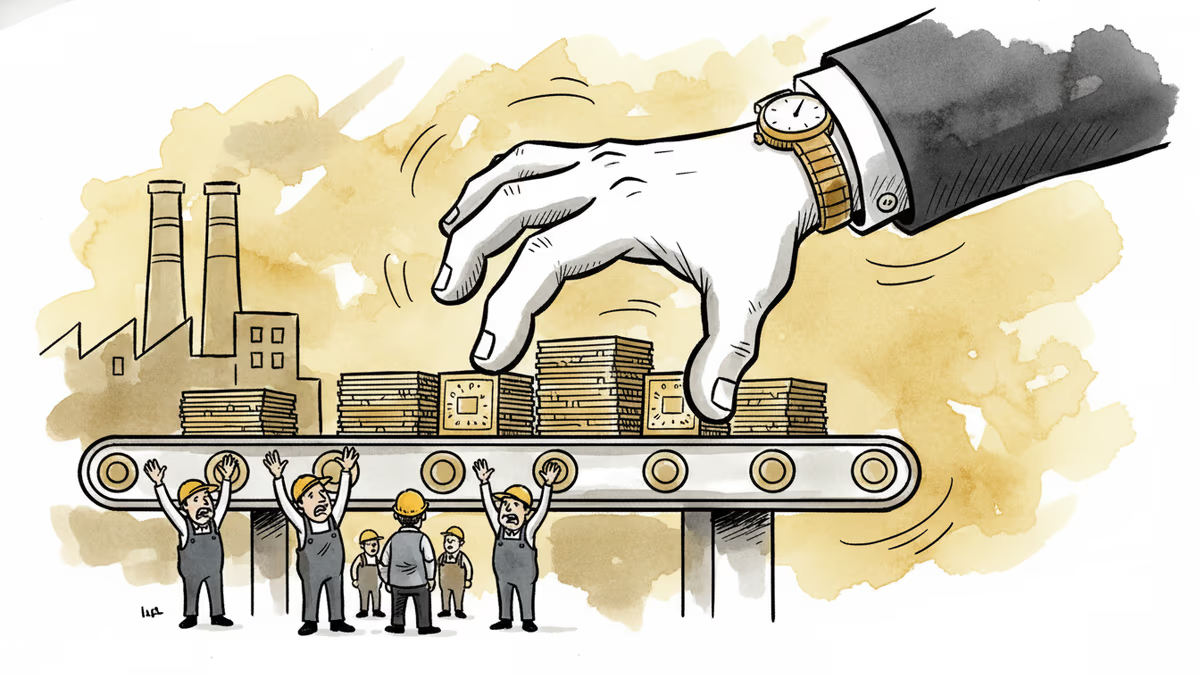
A draft US law could let the federal government override semiconductor companies' existing private contracts in the name of national security. Here's what's at stake for the industry.
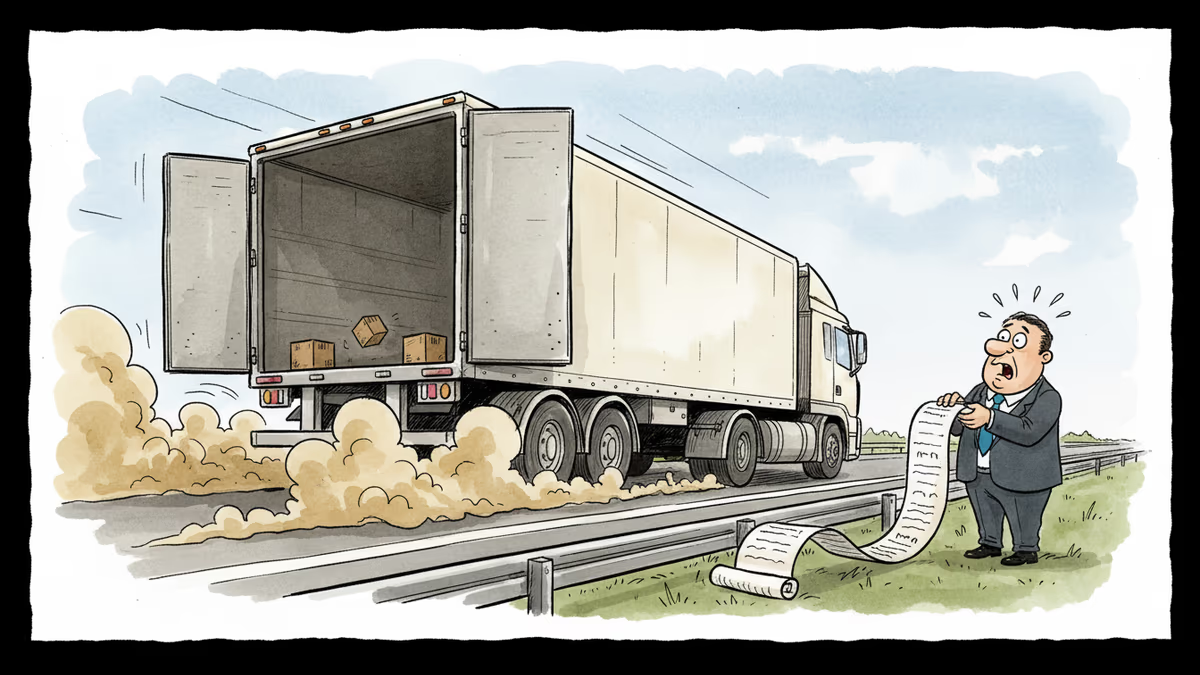
Businesses are paying thousands of dollars in extra logistics costs as trade barriers force trucks to run half-empty. Here's who pays, who profits, and what it means for prices.
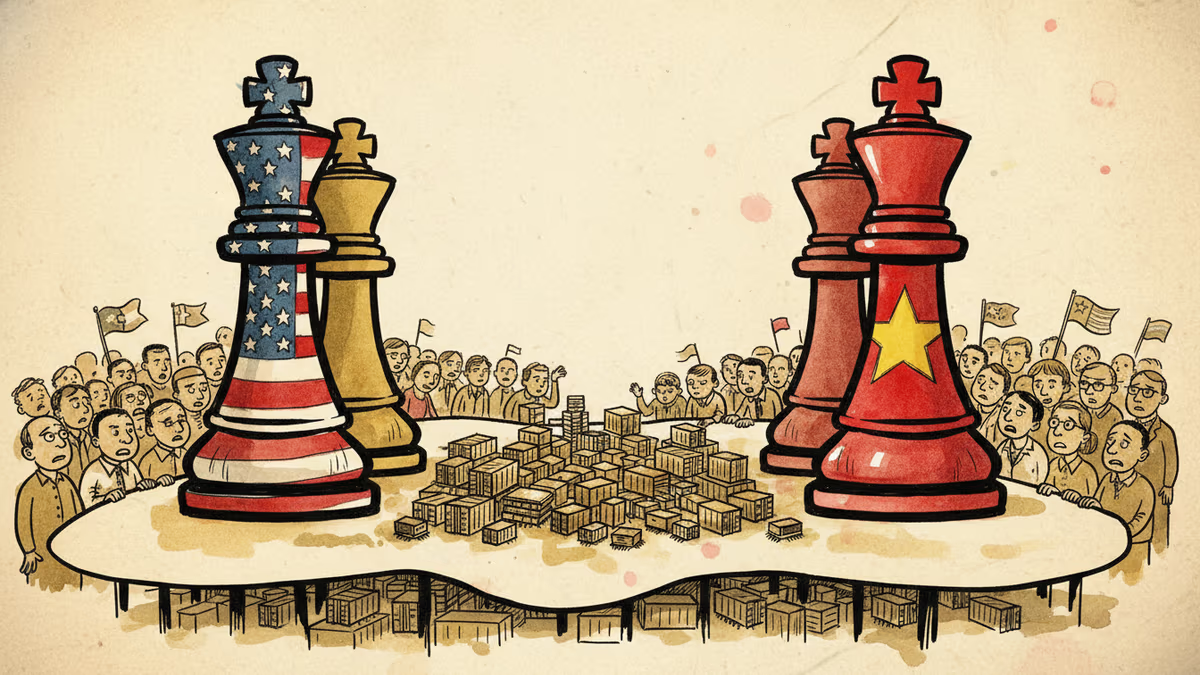
The US president lands in Beijing for a two-day summit. Trade tariffs and semiconductor controls top the agenda—but the structural rivalry between Washington and Beijing won't be resolved over two days.
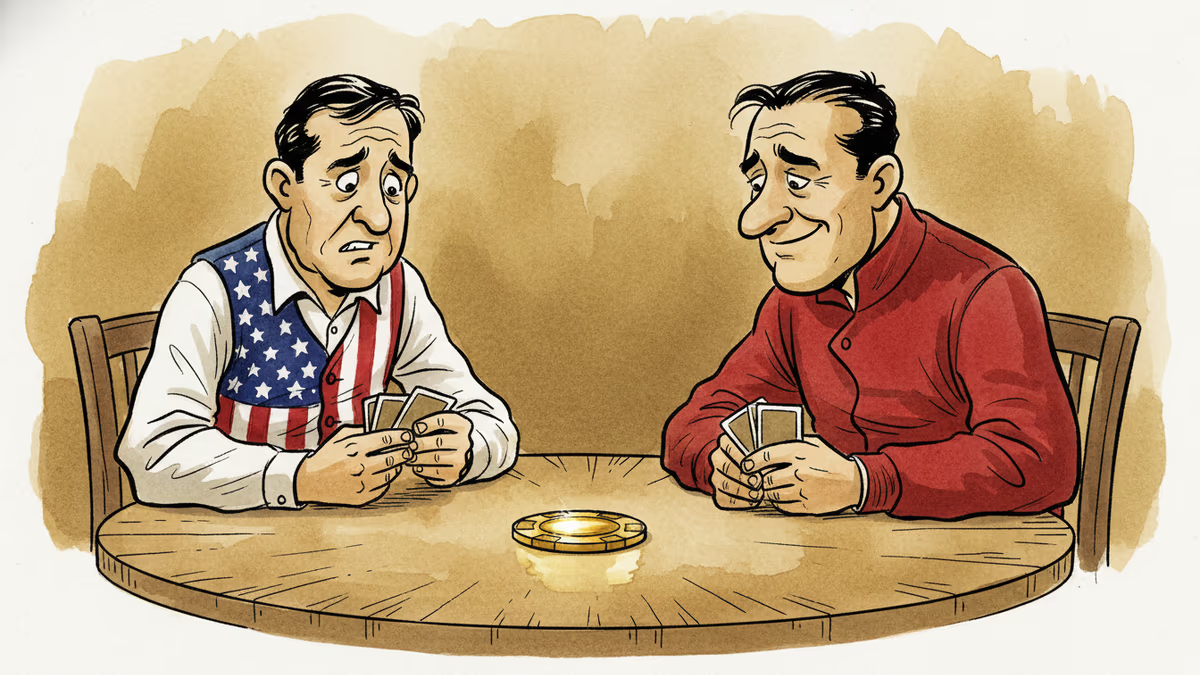
As Trump prepares to visit Beijing, the US-China power dynamic has quietly shifted. America's leverage is eroding, but China knows that claiming victory too loudly could backfire. A deep dive into the new balance of power.
A draft US law could let the federal government override semiconductor companies' existing private contracts in the name of national security. Here's what's at stake for the industry.
Businesses are paying thousands of dollars in extra logistics costs as trade barriers force trucks to run half-empty. Here's who pays, who profits, and what it means for prices.
The US president lands in Beijing for a two-day summit. Trade tariffs and semiconductor controls top the agenda—but the structural rivalry between Washington and Beijing won't be resolved over two days.
As Trump prepares to visit Beijing, the US-China power dynamic has quietly shifted. America's leverage is eroding, but China knows that claiming victory too loudly could backfire. A deep dive into the new balance of power.
Thoughts
Share your thoughts on this article
Sign in to join the conversation