

US House Passes SPEED Act 221-196, But Clean Energy Groups Are Hitting the Brakes
The US House passed the SPEED Act to overhaul environmental reviews, but lost support from clean energy groups. Now facing an uncertain Senate vote, the bill's fate could impact the future of US energy projects.
A major bill designed to overhaul America's environmental review process just took a paradoxical turn. The U.S. House of Representatives passed the Standardizing Permitting and Expediting Economic Development (SPEED) Act last Thursday, but last-minute changes caused key clean energy groups and moderate Democrats to withdraw their support, clouding its future.
A Fractured Vote: 221-196
The bill, introduced by Rep. Bruce Westerman (R-Ark.) and backed by Rep. Jared Golden (D-Maine), passed with a 221-196 vote. The tally reveals a split, with 11 Democrats crossing the aisle to join Republicans in supporting the reform effort. Environmentalists and many other Democrats strongly opposed the legislation, citing its sweeping changes to fundamental environmental laws.

Next Stop: An Uncertain Senate
The SPEED Act now heads to the Senate, where its prospects are far from certain. Both proponents and critics exist on both sides of the aisle, making its path to becoming law a difficult one to predict. The debate underscores a growing tension between the need to fast-track infrastructure—including for clean energy—and the imperative to maintain robust environmental safeguards.
Authors
Related Articles
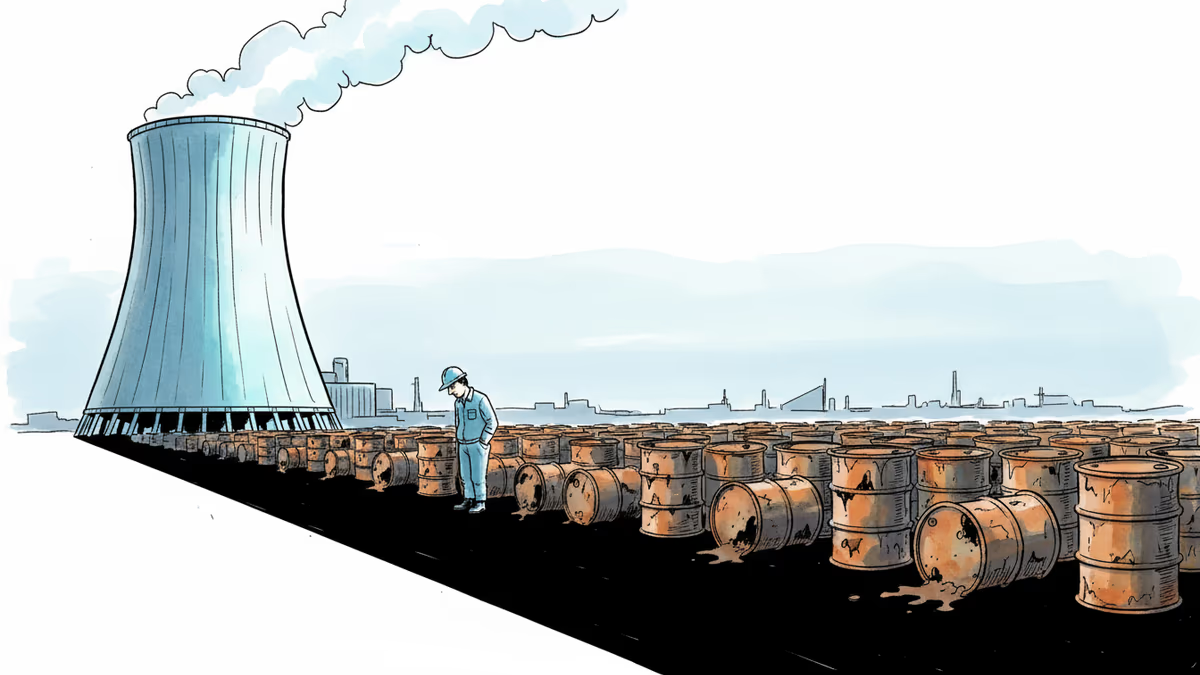
Nuclear power is winning fans across the political spectrum—and Big Tech is pouring billions in. But America still has no permanent home for the 2,000 metric tons of high-level waste its reactors produce every single year.

The Trump administration has gutted the DOJ's Voting Section, pushing out two dozen experienced lawyers and replacing them with loyalists. With 2026 midterms approaching, what does this mean for American democracy?
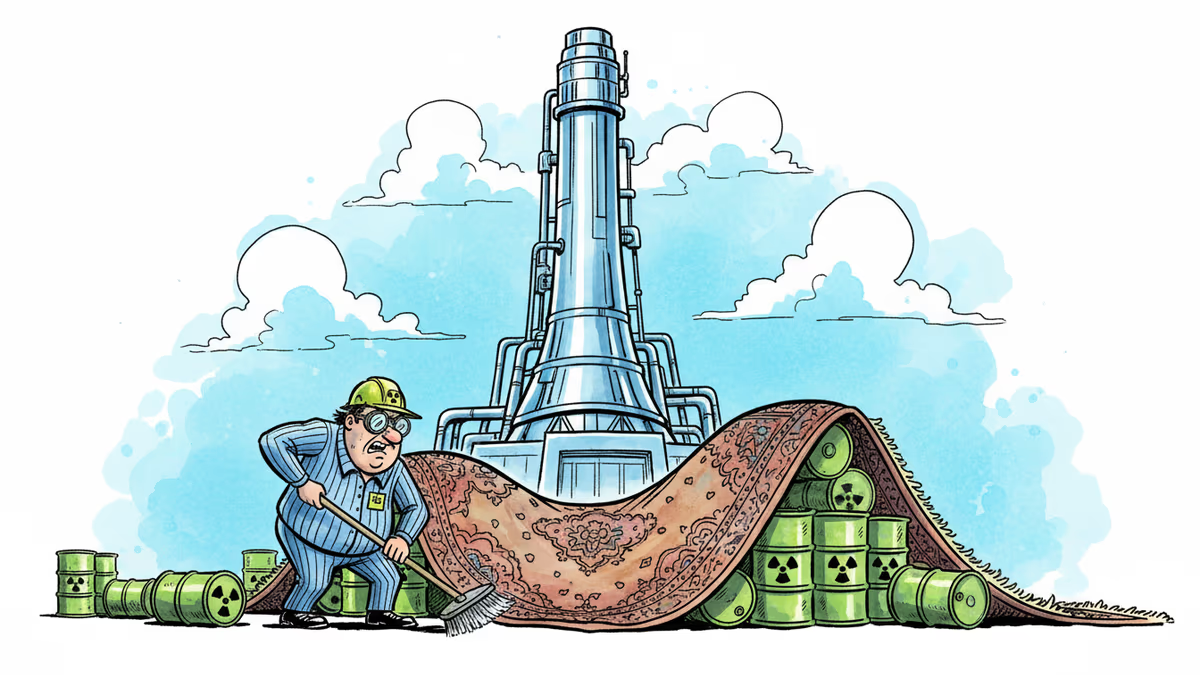
Nuclear energy is booming again, fueled by Big Tech's data center appetite. But 70 years of spent fuel still has nowhere permanent to go. Finland solved it. The US hasn't tried hard enough.
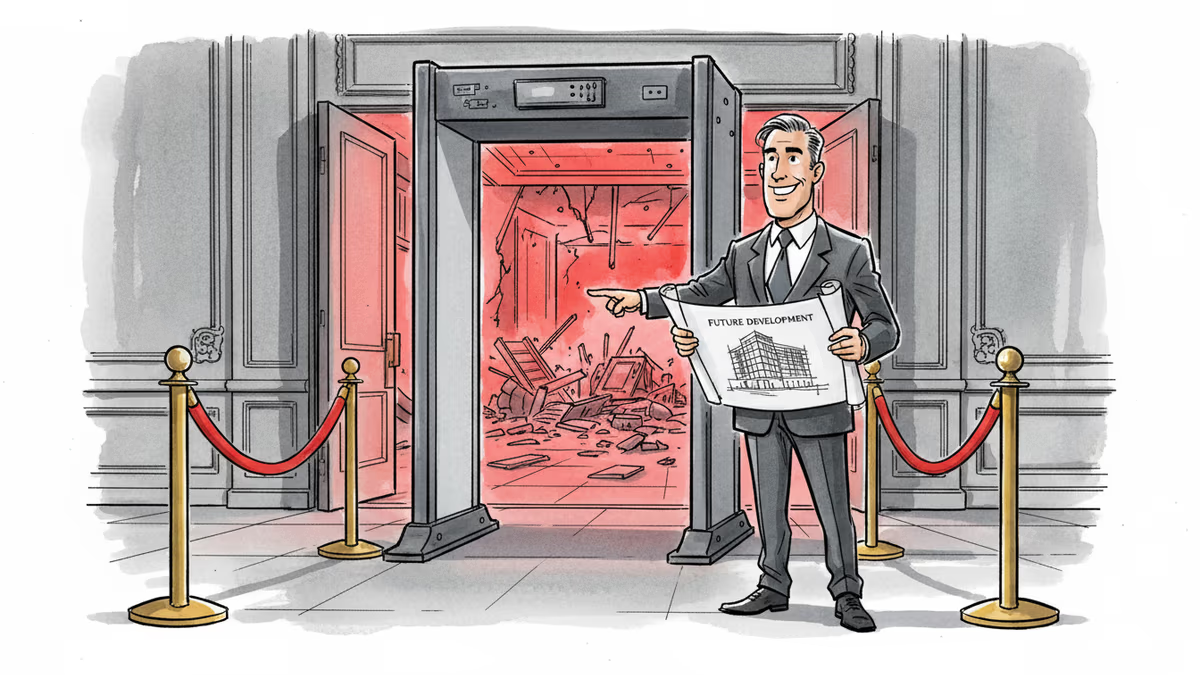
A gunman attacked a Secret Service checkpoint at the White House Correspondents' Dinner. Trump's first public reaction wasn't about security. It was about his $400M ballroom project.
Nuclear power is winning fans across the political spectrum—and Big Tech is pouring billions in. But America still has no permanent home for the 2,000 metric tons of high-level waste its reactors produce every single year.
The Trump administration has gutted the DOJ's Voting Section, pushing out two dozen experienced lawyers and replacing them with loyalists. With 2026 midterms approaching, what does this mean for American democracy?
Nuclear energy is booming again, fueled by Big Tech's data center appetite. But 70 years of spent fuel still has nowhere permanent to go. Finland solved it. The US hasn't tried hard enough.
A gunman attacked a Secret Service checkpoint at the White House Correspondents' Dinner. Trump's first public reaction wasn't about security. It was about his $400M ballroom project.
Thoughts
Share your thoughts on this article
Sign in to join the conversation