

97% Male, 84% Teens: South Korea Deepfake Crime Suspects 2024 Breakdown
Explore the 2024 South Korea deepfake crime suspects data showing that 97.6% of suspects are male and 83.7% are teenagers. A deep dive into the demographics of digital sex crimes.
The face of digital sex crimes in South Korea is overwhelmingly young and male. New data from the National Police Agency reveals a stark gender and age imbalance among those arrested for deepfake-related offenses, raising alarms about the weaponization of AI by teenagers.
South Korea Deepfake Crime Suspects 2024: A Statistical Deep Dive
According to figures obtained by lawmaker Yong Hye-in's office, 378 out of 387 individuals arrested between January and September 2024 were men. That's a staggering 97.6% of the total suspect pool. Only nine suspects were identified as female. The data also highlights that the crisis is driven by the youth: teenagers made up 83.7% of those arrested, or 324 people.

The Challenge of Juvenile Offenders
A concerning 66 suspects were under the age of 14. Under South Korean law, these individuals are classified as criminal minors and are not subject to standard criminal punishment. This release marks the first time police have publicly shared gender-based statistics for deepfake crimes, a move prompted by a special crackdown launched on August 28 following nationwide outrage.
Authors
Related Articles
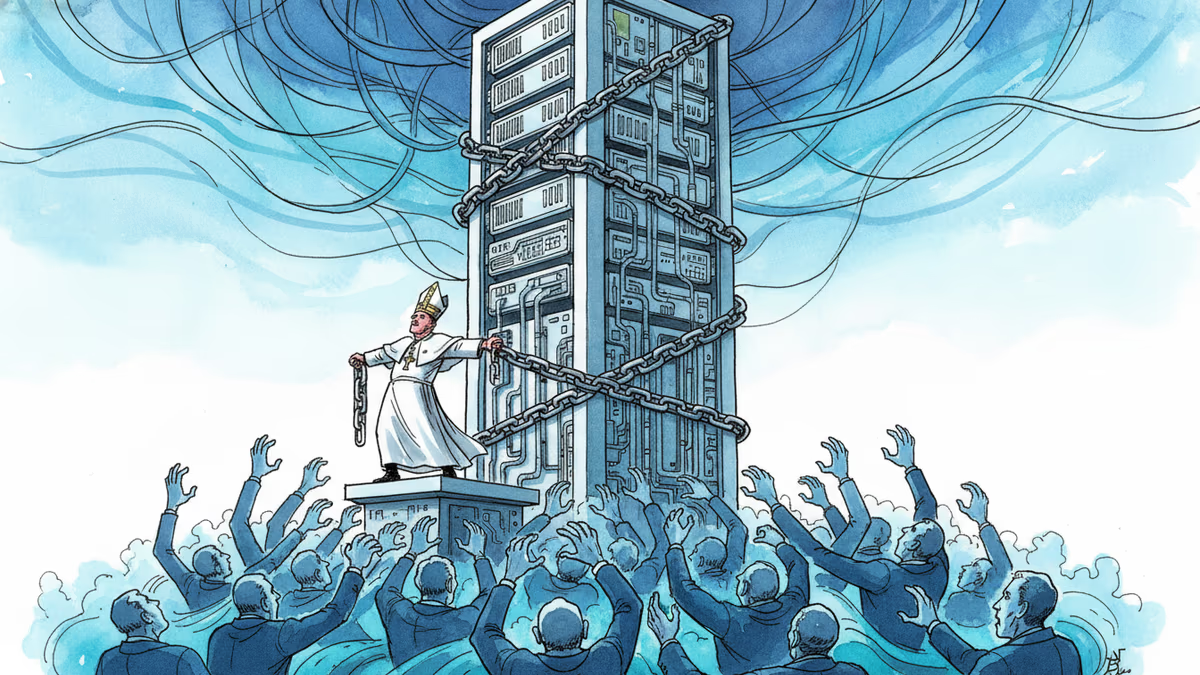
Pope Leo XIV's first encyclical frames AI not as a technology problem but a power problem. Who controls the algorithm controls reality—and that's a political question, not a spiritual one.
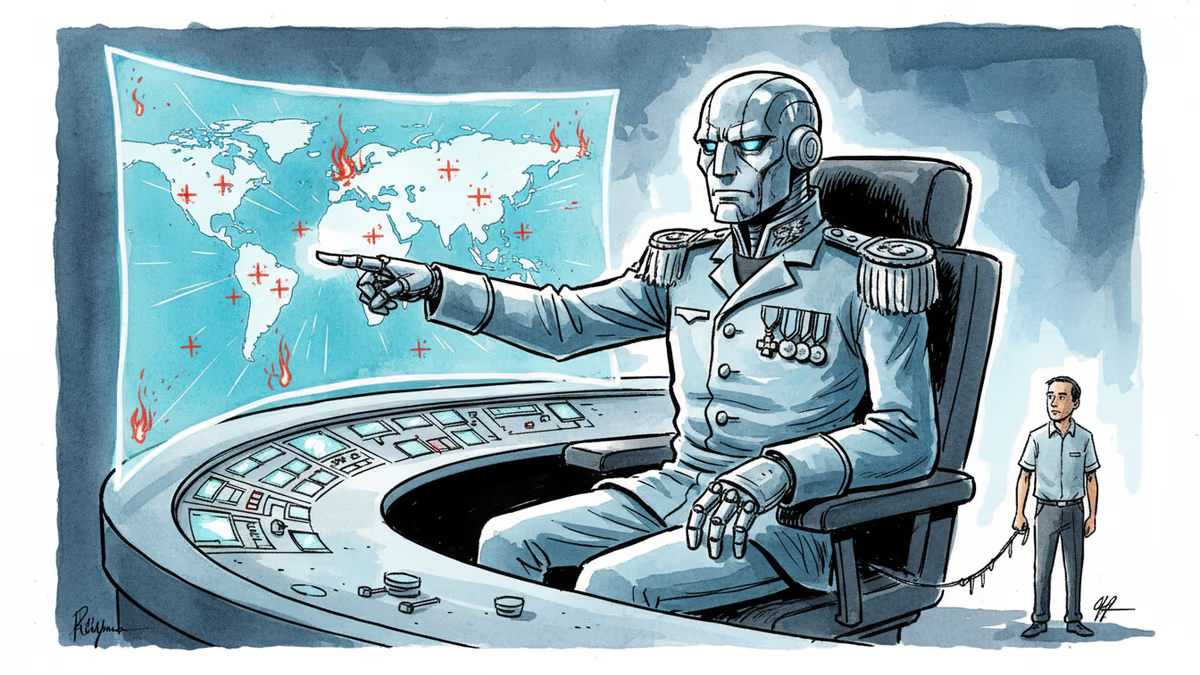
Anthropic's Claude AI is embedded in US military operations—from the capture of Maduro to the Iran war. A Pentagon dispute is exposing what "responsible AI" actually means in wartime.
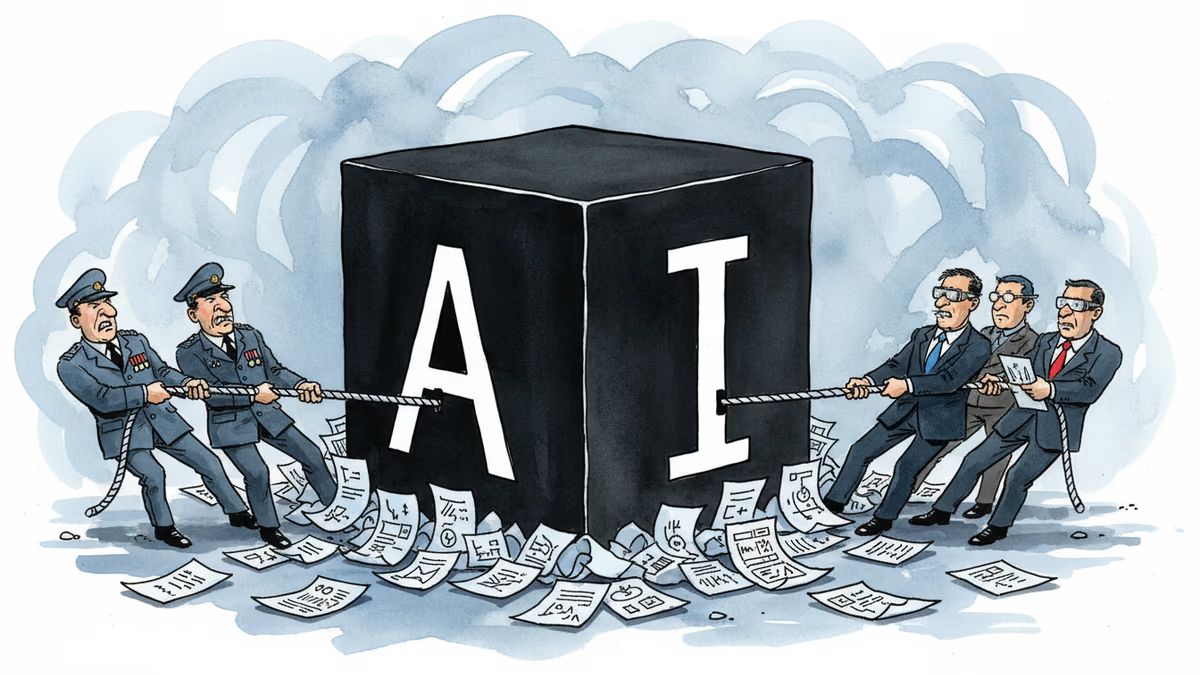
OpenAI faced internal backlash over Pentagon contracts, revealing deeper questions about AI military use, transparency, and corporate accountability in defense partnerships.
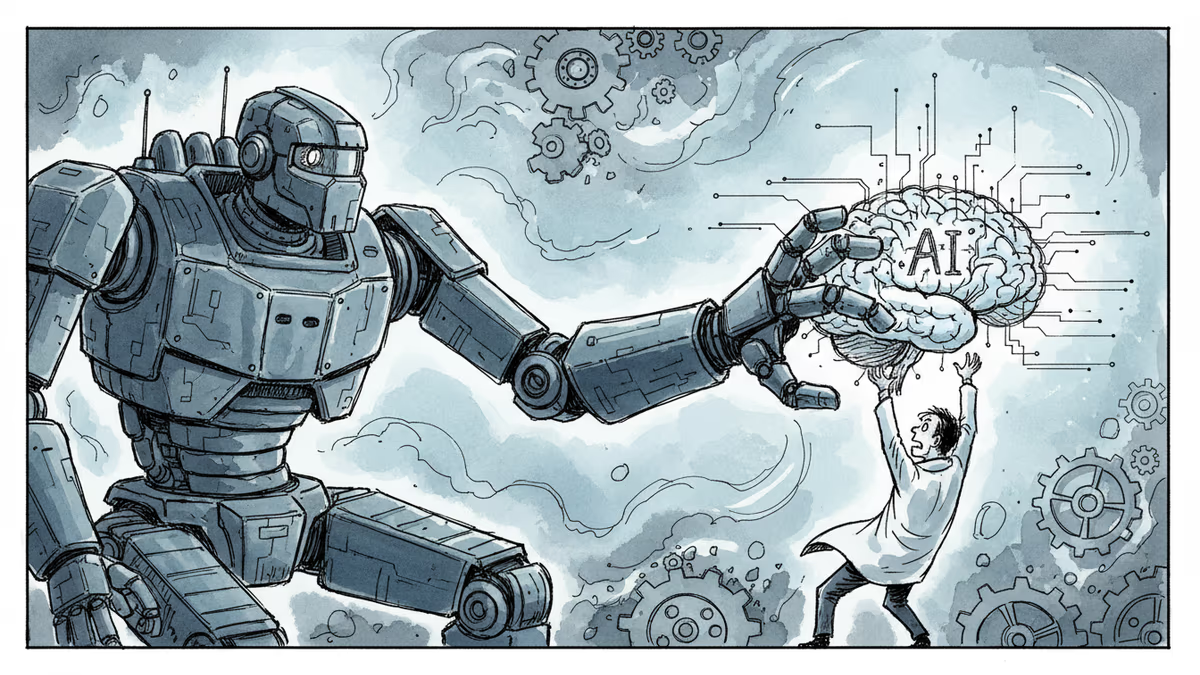
Trump's explosive reaction to Anthropic's military contract refusal reveals the growing tension between AI ethics and national security demands.
Pope Leo XIV's first encyclical frames AI not as a technology problem but a power problem. Who controls the algorithm controls reality—and that's a political question, not a spiritual one.
Anthropic's Claude AI is embedded in US military operations—from the capture of Maduro to the Iran war. A Pentagon dispute is exposing what "responsible AI" actually means in wartime.
OpenAI faced internal backlash over Pentagon contracts, revealing deeper questions about AI military use, transparency, and corporate accountability in defense partnerships.
Trump's explosive reaction to Anthropic's military contract refusal reveals the growing tension between AI ethics and national security demands.
Thoughts
Share your thoughts on this article
Sign in to join the conversation