

EU Takes Aim at TikTok's Infinite Scroll as 'Addictive Design
European Commission warns TikTok over endless feeds under Digital Services Act, marking a pivotal test of new tech regulation targeting platform design itself.
What if the feature that keeps you scrolling for hours could land a tech giant in $6.6 billion worth of trouble?
On Friday, the European Commission fired a warning shot at TikTok, claiming the platform's endless scroll feeds may violate Europe's groundbreaking Digital Services Act. The preliminary findings suggest TikTok failed to adequately assess and mitigate risks from addictive design features that could harm users' physical and mental wellbeing—particularly children and vulnerable groups.
This marks one of the most advanced tests yet of the EU's new regulatory framework, which requires large online platforms to identify and curb systemic risks linked to their products.
The Psychology Behind the Scroll
TikTok's infinite scroll isn't just a convenience feature—it's a carefully engineered dopamine delivery system. Each upward swipe promises something new, creating what psychologists call "variable ratio reinforcement," the same mechanism that makes slot machines so addictive. Users never know when the next scroll will deliver that perfect video, keeping them locked in an endless loop of anticipation.
The Commission's concern centers on how this design particularly affects young users. With 67% of TikTok's user base under 30, and average daily usage exceeding 95 minutes per user, the platform has become a dominant force in shaping digital habits during crucial developmental years.
Under the DSA, platforms with over 45 million EU users must conduct risk assessments and implement mitigation measures for systemic risks. TikTok, with approximately 150 million EU users, clearly falls under this threshold.

A New Era of Tech Regulation
This case represents a fundamental shift in how regulators approach Big Tech. Previous efforts focused primarily on antitrust concerns or data privacy violations. Now, Brussels is diving into the very architecture of digital platforms, questioning whether certain design choices should be considered harmful by default.
The implications extend far beyond TikTok. Other major platforms—Instagram, YouTube, Facebook—all employ similar infinite scroll mechanisms. If the Commission's preliminary findings hold, it could force a industry-wide rethinking of engagement-driven design.
TikTok now has the opportunity to respond to these preliminary findings before any final decision. If found in violation, the company could face fines up to 6% of its global annual revenue. With parent company ByteDance reporting approximately $110 billion in revenue for 2023, potential penalties could reach into the billions.
The Broader Battle for Digital Autonomy
This regulatory action comes amid growing global concern about social media's impact on mental health. The U.S. Surgeon General has called social media a "profound risk" to youth mental health, while countries from Australia to Canada are exploring similar regulatory approaches.
For investors, the case signals a new category of regulatory risk. Traditional tech valuations rarely factored in the possibility that core engagement features might be deemed illegal. Now, platforms must balance user engagement—their primary revenue driver—against regulatory compliance in major markets.
The timing is particularly significant as TikTok faces potential bans or forced sales in multiple jurisdictions. The EU's focus on design features rather than ownership structure suggests a different but equally challenging regulatory path ahead.
Authors
Related Articles
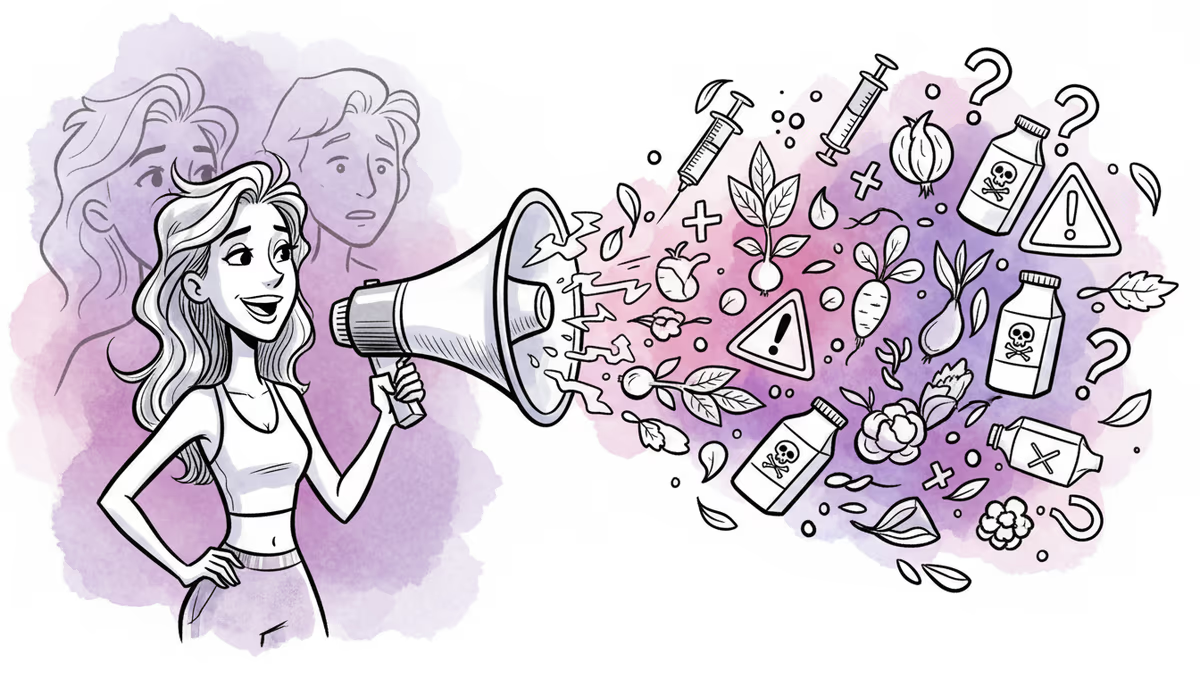
The journey from promoting healthy living to spreading medical misinformation reveals a troubling pattern in how selective science and algorithmic amplification create dangerous echo chambers.
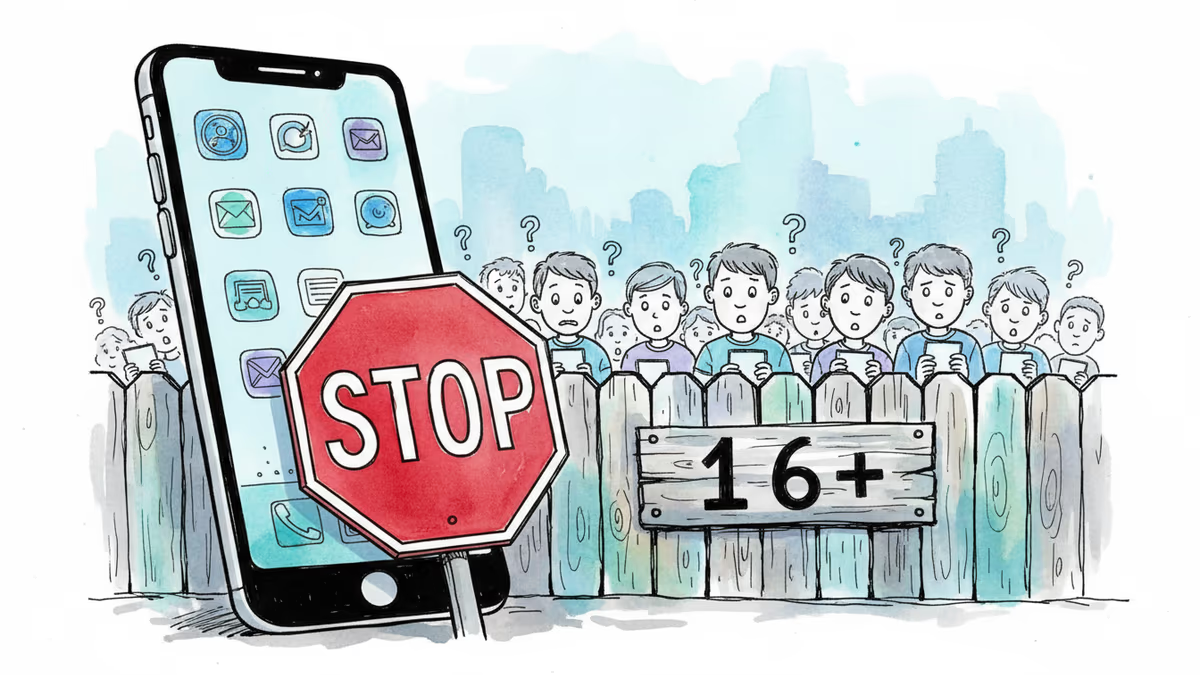
Karnataka state, home to Bengaluru's tech hub, joins a global wave of social media restrictions for minors. But can these bans actually work?
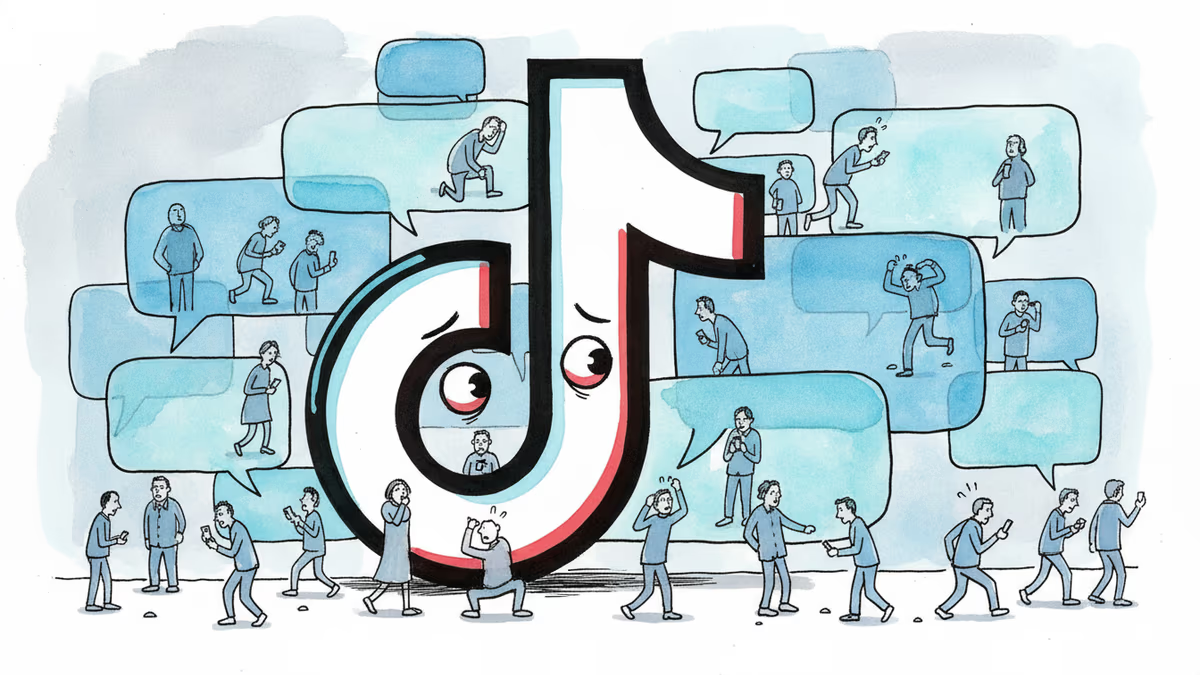
TikTok refuses end-to-end encryption for DMs, citing user safety. But this decision reveals a complex calculation about regulation, competition, and control.
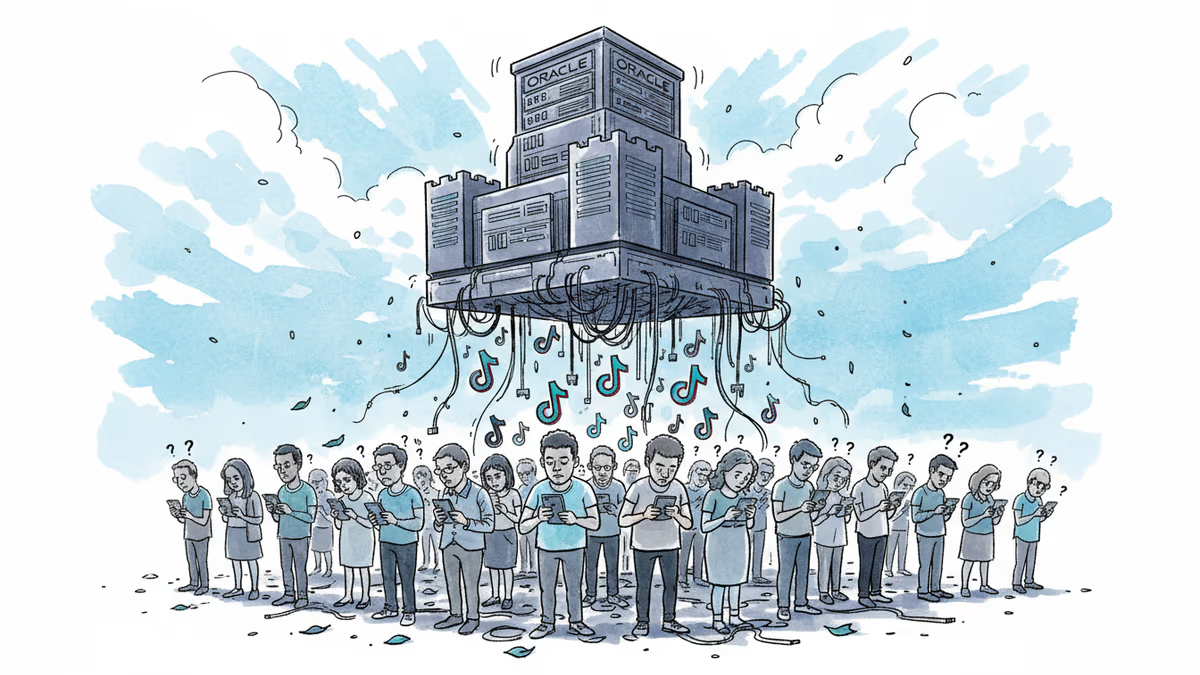
Second major TikTok outage in two months due to Oracle data center issues raises questions about cloud dependency and digital sovereignty in the post-divestiture era.
The journey from promoting healthy living to spreading medical misinformation reveals a troubling pattern in how selective science and algorithmic amplification create dangerous echo chambers.
Karnataka state, home to Bengaluru's tech hub, joins a global wave of social media restrictions for minors. But can these bans actually work?
TikTok refuses end-to-end encryption for DMs, citing user safety. But this decision reveals a complex calculation about regulation, competition, and control.
Second major TikTok outage in two months due to Oracle data center issues raises questions about cloud dependency and digital sovereignty in the post-divestiture era.
Thoughts
Share your thoughts on this article
Sign in to join the conversation