

EU Calls TikTok's Infinite Scroll 'Addictive by Design
European Commission labels TikTok's core features as deliberately addictive, demanding fundamental design changes. A turning point for social media regulation?
That mindless swipe you do hundreds of times daily? It's now officially classified as "addictive design." The European Commission delivered this verdict against TikTok on Friday, marking a potential turning point in how we regulate social media platforms.
The Science Behind the Scroll
The EU's executive arm didn't mince words: TikTok purposefully designed its app to be addictive. The culprits? Infinite scroll, autoplay, push notifications, and the recommendation engine that seems to know you better than you know yourself.
What makes this finding particularly damning is the scientific backing. "By constantly 'rewarding' users with new content, certain design features of TikTok fuel the urge to keep scrolling and shift the brain of users into 'autopilot mode,'" the Commission stated. Research shows this can lead to compulsive behavior and reduced self-control—especially problematic for minors and vulnerable adults.
The Commission's demands go beyond surface-level fixes. They want TikTok to disable infinite scroll, implement mandatory screen time breaks, and fundamentally alter its recommendation system. This isn't about adding new features; it's about dismantling the core mechanics that keep users hooked.
TikTok Fights Back
TikTok didn't take this lying down. The company called the findings "categorically false and entirely meritless," promising to challenge them "through every means available." It's a high-stakes battle—confirmed breaches of the Digital Services Act could result in fines up to 6% of global annual turnover.

But here's where it gets interesting: TikTok already offers screen-time management tools and parental controls. Yet the EU dismissed these as inadequate, arguing they're "easy to dismiss and introduce limited friction." The message is clear: voluntary self-regulation isn't enough when the fundamental design promotes addictive behavior.
A Global Regulatory Wave
This isn't happening in isolation. Australia just mandated that social media sites deactivate accounts for users under 16. The UK and Spain are considering similar measures. France, Denmark, Italy, and Norway are working on age restrictions, while 24 US states have enacted age-verification laws.
The pattern is unmistakable: governments worldwide are moving from hands-off approaches to active intervention in how social media platforms operate. TikTok recently settled a major addiction lawsuit in the US, and now faces this European challenge—suggesting the legal landscape is shifting rapidly.
The Design Dilemma
What makes this case fascinating is how it reframes familiar features. Infinite scroll wasn't always seen as manipulative—it was once celebrated as elegant UX design that eliminated pagination friction. Auto-play was about seamless content consumption. Push notifications were about keeping users informed.
Now these same features are being scrutinized through the lens of behavioral psychology and addiction science. The question isn't whether these features work (they clearly do), but whether their effectiveness crosses ethical lines.
This shift has implications far beyond TikTok. Every platform that uses similar engagement mechanics—from Instagram to YouTube to Twitter—is potentially vulnerable to similar scrutiny. The precedent being set here could reshape how social media platforms design their core user experiences.
Authors
Related Articles
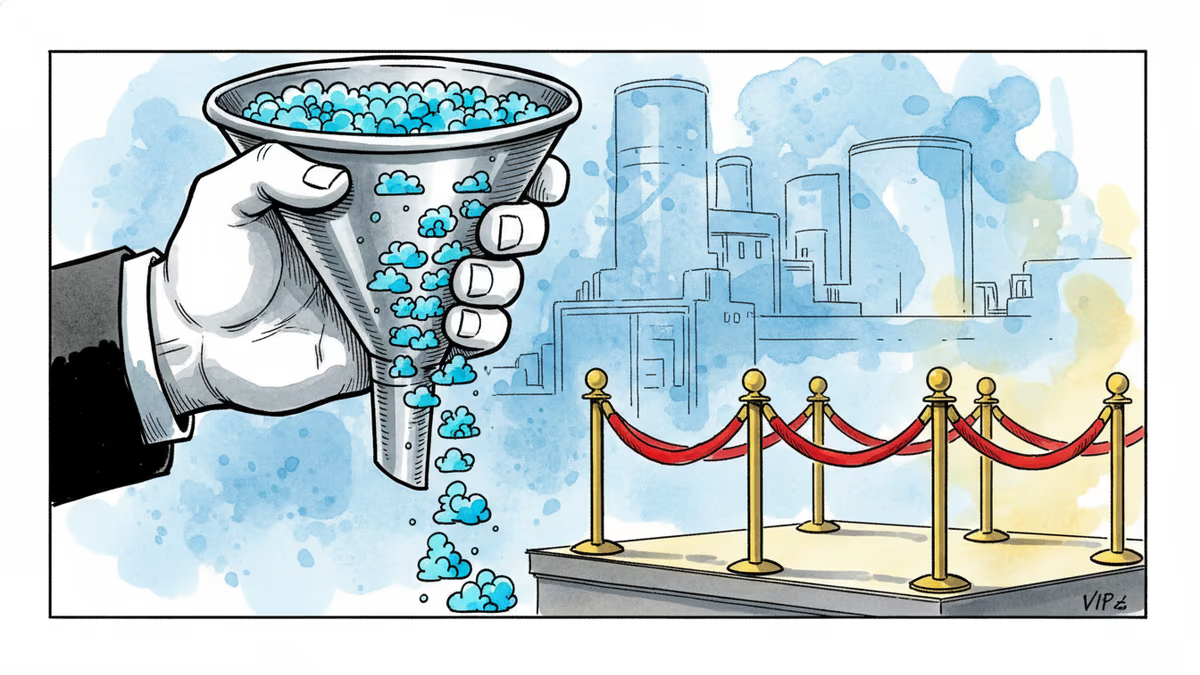
A cloud provider trade group has filed an EU antitrust complaint against Broadcom after it slashed VMware's CSP partner count from 4,000+ to just 19 in the US. Here's what's really at stake.
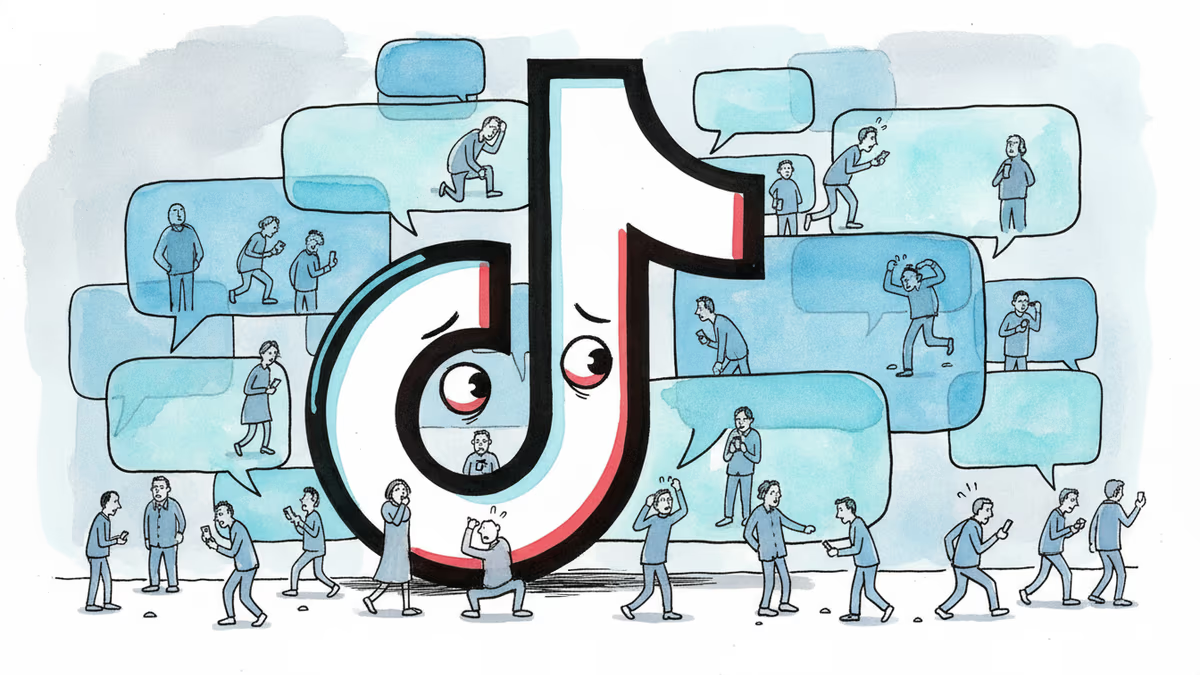
TikTok refuses end-to-end encryption for DMs, citing user safety. But this decision reveals a complex calculation about regulation, competition, and control.
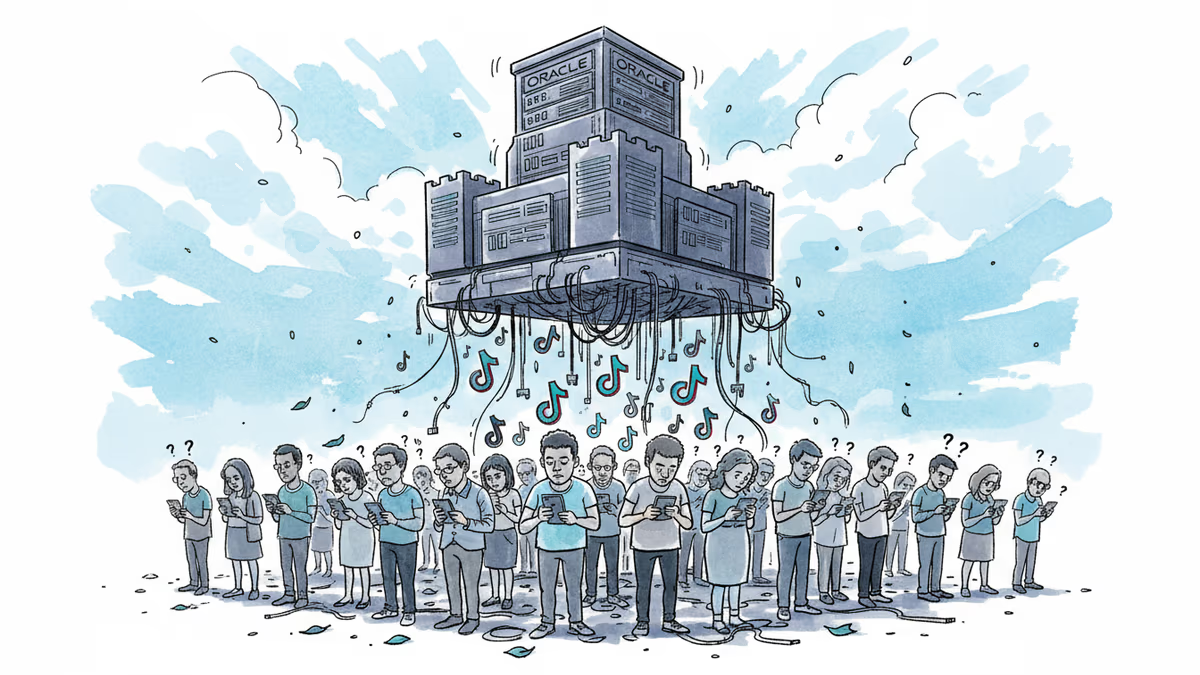
Second major TikTok outage in two months due to Oracle data center issues raises questions about cloud dependency and digital sovereignty in the post-divestiture era.
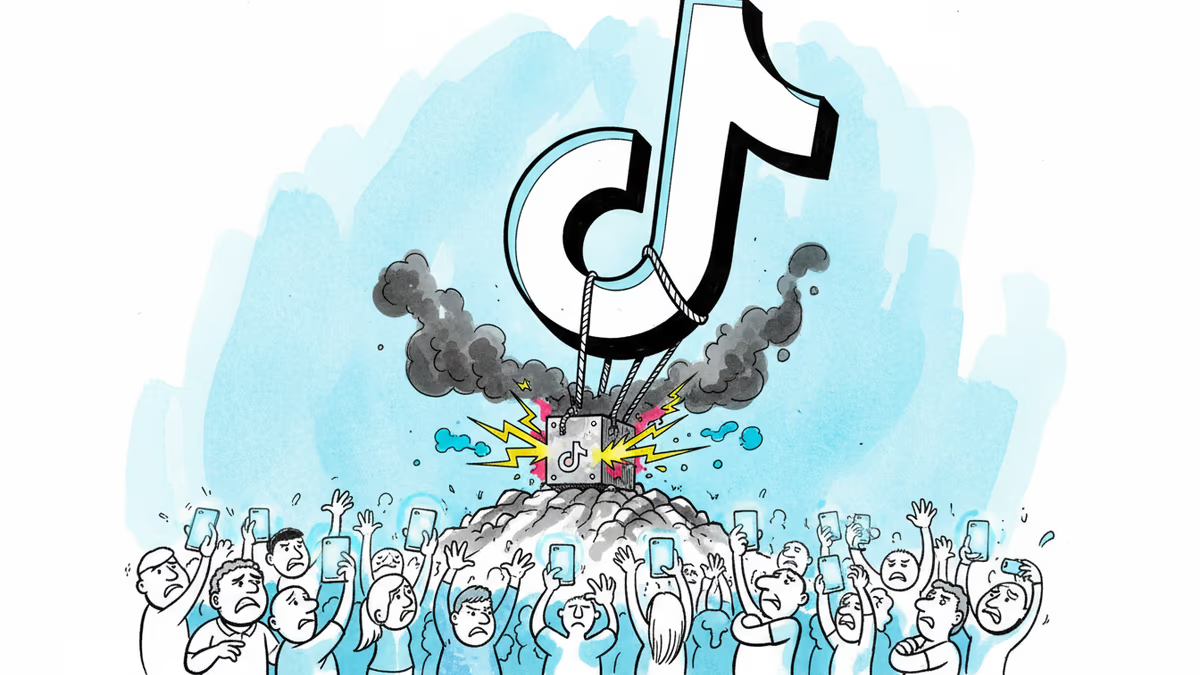
Just a month after the last outage, TikTok US faces another service disruption due to Oracle's data center issues. The incident highlights the risks of regulatory compliance creating single points of failure.
A cloud provider trade group has filed an EU antitrust complaint against Broadcom after it slashed VMware's CSP partner count from 4,000+ to just 19 in the US. Here's what's really at stake.
TikTok refuses end-to-end encryption for DMs, citing user safety. But this decision reveals a complex calculation about regulation, competition, and control.
Second major TikTok outage in two months due to Oracle data center issues raises questions about cloud dependency and digital sovereignty in the post-divestiture era.
Just a month after the last outage, TikTok US faces another service disruption due to Oracle's data center issues. The incident highlights the risks of regulatory compliance creating single points of failure.
Thoughts
Share your thoughts on this article
Sign in to join the conversation