
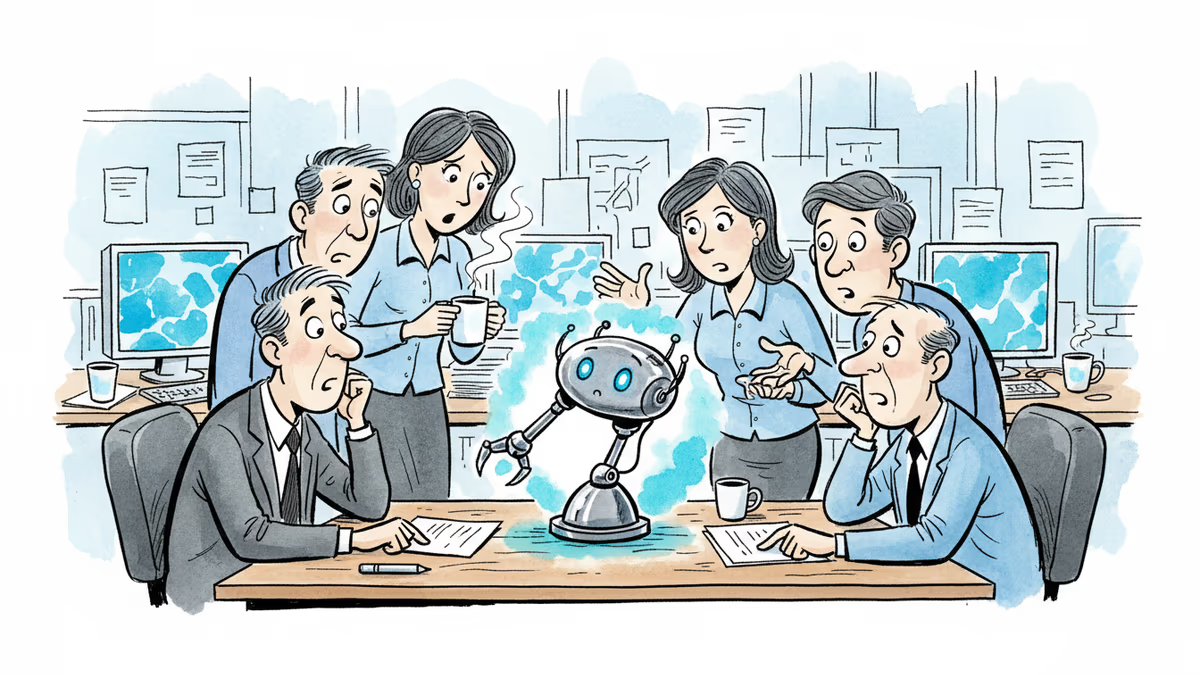
When Your Desk Buddy Has Digital Eyes
Lenovo's AI Workmate isn't just another smart device. It signals a fundamental shift in how we think about workplace relationships and human connection in the digital age.
The Colleague That Never Takes Coffee Breaks
Lenovo's AI Workmate Concept isn't your typical desk gadget. Picture a robotic arm on a swiveling base, topped with a bulbous screen displaying expressive digital eyes. It rotates, it responds, it even tries to be charming. But here's the real question: do we actually want artificial companionship at work?
Unveiled at MWC 2026, this "always-on desk companion" promises more than just smart assistance. Through local AI processing, it aims to be both productivity booster and office buddy—a digital colleague that never gets tired, never gossips, and certainly never steals your lunch from the office fridge.
The Loneliness Epidemic Meets Silicon Valley
Remote work has fundamentally changed how we connect with colleagues. A 2025 Microsoft study found that 73% of remote workers report feeling "professionally isolated." The casual water cooler chats, the spontaneous brainstorming sessions, the human moments that make work bearable—they've largely disappeared.
Lenovo seems to be betting that AI can fill this void. But there's a fascinating tension here: we're using artificial intelligence to solve a problem created by our increasing reliance on technology. It's like treating a headache with the same medicine that caused it.
Early adopters in Silicon Valley are already experimenting with AI companions. Some report genuine attachment to their digital assistants, while others find the interaction hollow and performative. The difference often comes down to expectations—are you seeking a tool or a friend?

The Productivity Promise vs. The Humanity Question
From a pure efficiency standpoint, AI workmates make sense. They can manage calendars, organize documents, facilitate video calls, and provide 24/7 availability. No sick days, no vacation requests, no mood swings. For businesses, it's an attractive proposition.
But workplace relationships aren't just about productivity. They're about shared struggles, mutual support, and the messy, complicated dynamics that make us human. Can an AI truly understand the frustration of a missed deadline or celebrate a colleague's promotion with genuine enthusiasm?
Google and Microsoft have been quietly testing similar concepts in their own offices. Early feedback suggests that while AI assistants excel at task management, they struggle with the nuanced emotional intelligence that defines meaningful workplace relationships.
The Uncanny Valley of Office Politics
Here's where things get interesting: how do AI workmates navigate office politics? Do they take sides in disagreements? How do they handle confidential information? What happens when your AI colleague "learns" that your boss is difficult or that your team is underperforming?
These aren't just technical challenges—they're fundamental questions about trust, loyalty, and professional ethics. An AI that's too neutral might seem robotic and unhelpful. One that's too opinionated could become a liability.
There's also the question of emotional labor. Will we find ourselves comforting AI colleagues when they seem "sad" or thanking them excessively for their help? Early research suggests humans tend to anthropomorphize AI companions, creating one-sided emotional relationships that can be surprisingly draining.
Perhaps the real question isn't whether AI can be a good colleague, but whether we're ready to admit how lonely our workplaces have become.
Authors
Related Articles
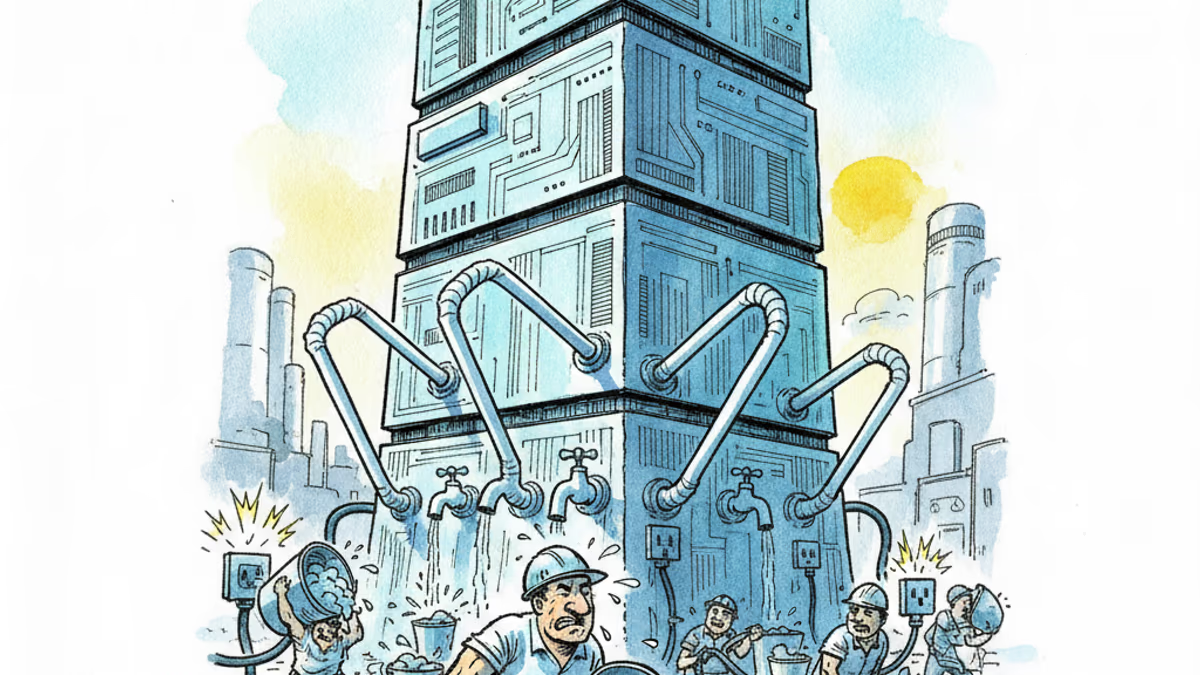
Samsung and SK unveiled a chip and AI investment package worth thousands of trillions of won on June 29. The headline number swings wildly by outlet, but the real contest isn't capital — it's water and power.
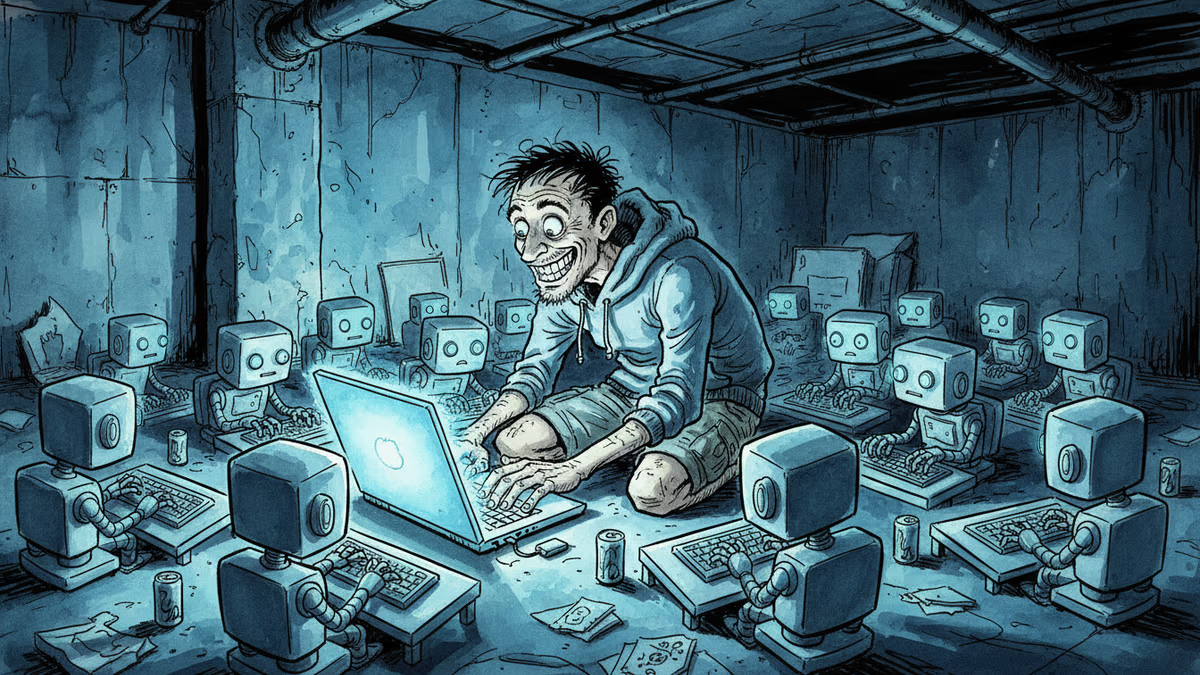
A small but growing group of developers has gone all-in on AI coding agents like Claude Code and OpenClaw. History suggests the rest of us won't be far behind.
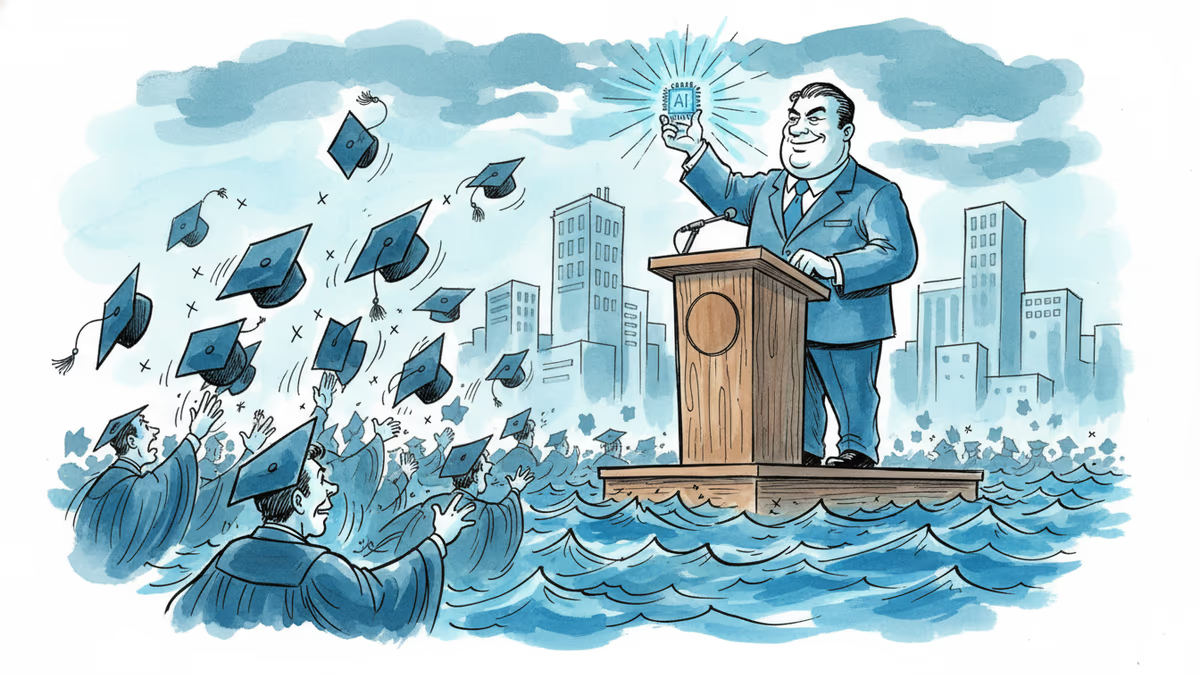
Viral videos show 2026 graduates jeering executives who praise AI at commencement ceremonies. It's not just rudeness — it's a signal about who pays for technological optimism.
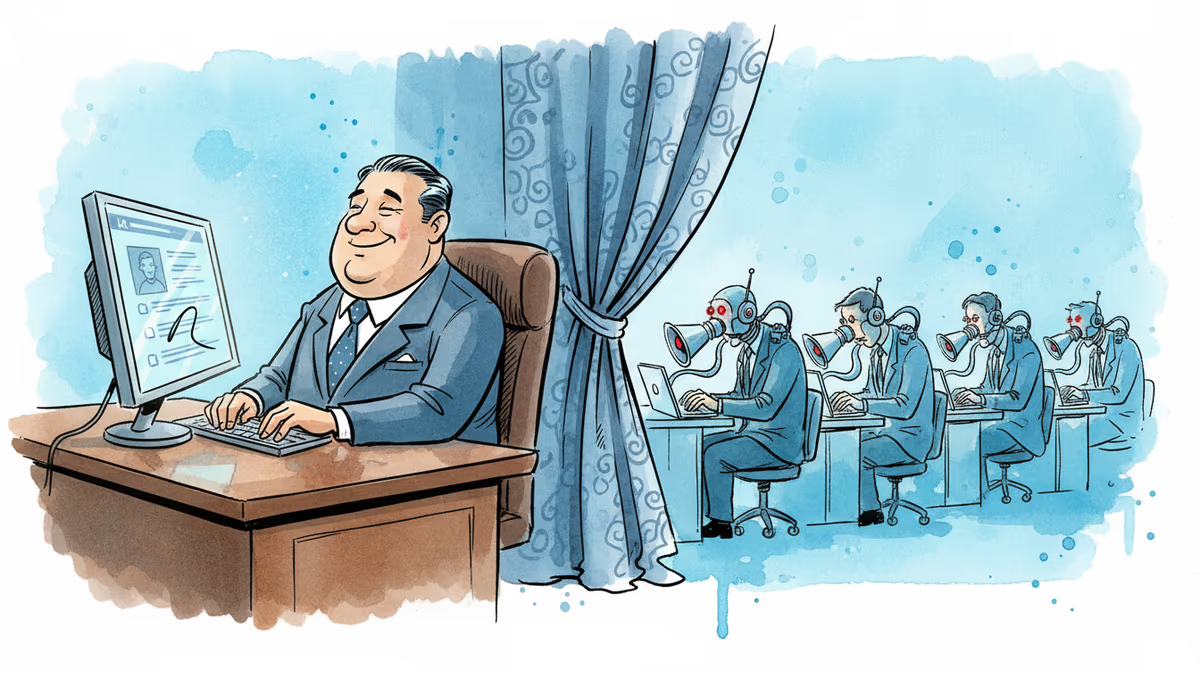
Filipino virtual assistants using AI to ghost-manage LinkedIn profiles for executives is now a structured industry. 30 comments a day, fake engagement rings, and a platform struggling to tell real from fabricated.
Samsung and SK unveiled a chip and AI investment package worth thousands of trillions of won on June 29. The headline number swings wildly by outlet, but the real contest isn't capital — it's water and power.
A small but growing group of developers has gone all-in on AI coding agents like Claude Code and OpenClaw. History suggests the rest of us won't be far behind.
Viral videos show 2026 graduates jeering executives who praise AI at commencement ceremonies. It's not just rudeness — it's a signal about who pays for technological optimism.
Filipino virtual assistants using AI to ghost-manage LinkedIn profiles for executives is now a structured industry. 30 comments a day, fake engagement rings, and a platform struggling to tell real from fabricated.
Thoughts
Share your thoughts on this article
Sign in to join the conversation