
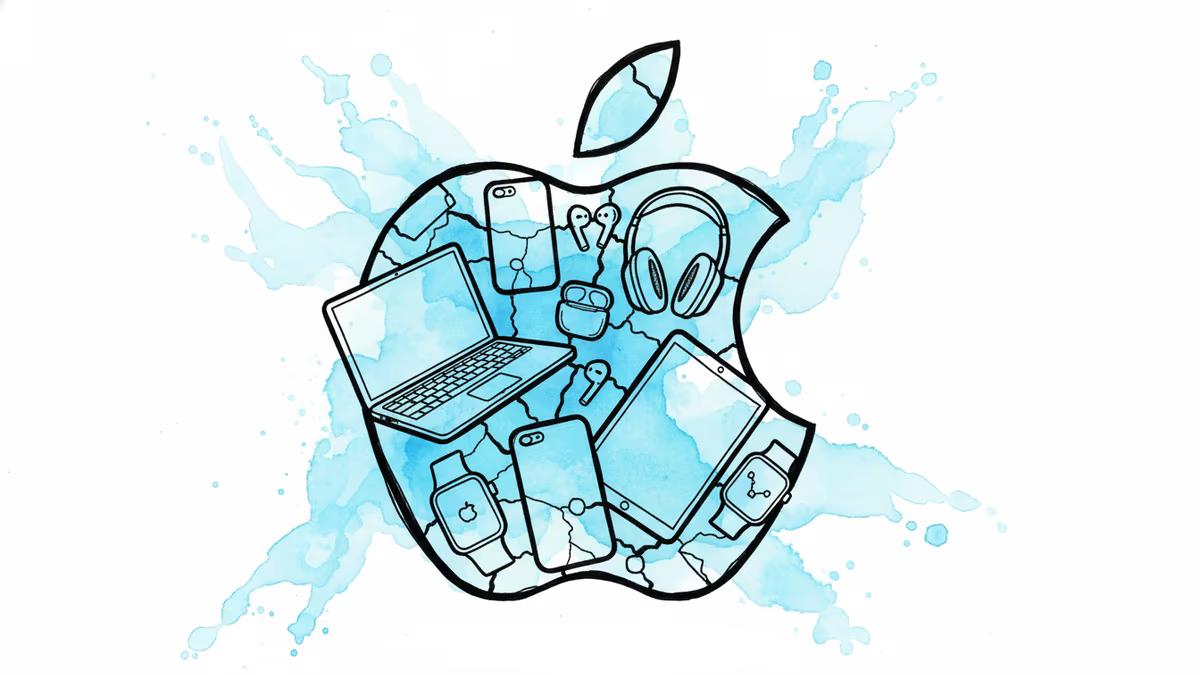
Apple's Quiet 2026 Revolution: Why Everything's Changing at Once
From iPhone SE 4 to M5 MacBook Pros, Apple's preparing a massive first-half product refresh that signals a fundamental strategy shift for 2026.
Six Months to Reshape the Apple Ecosystem
Apple's 2026 started quietly. After dropping the AirTag 2 and a Creator Studio app, the company's now preparing to play its real hand. According to Bloomberg's Mark Gurman, the iPhone SE 4, basic iPad, iPad Air, and M5 MacBook Pros are all coming "imminently," "soon," and "shortly."
This isn't just a product refresh cycle. It's Apple telegraphing where it's placing its 2026 bets.
From Budget to Pro: The Simultaneous Strike
The most intriguing piece is the iPhone SE 4. After four years of waiting, this isn't just an upgrade—it's a complete reimagining. Based on the iPhone 14 design with Face ID replacing the home button, Apple's "cheap iPhone" concept is about to get expensive.
The iPad lineup tells a similar story. Both the base iPad and iPad Air are getting new silicon, with the Air potentially jumping to M4 or M5 chips. That's a massive performance leap that blurs the line between "consumer" and "pro" tablets.
But the real power play? MacBook Pros with M5 chips optimized for local AI processing. While competitors scramble with cloud-based AI solutions, Apple's betting on device-level intelligence.
What Wall Street Isn't Seeing

Investors are focused on the hardware specs, but they're missing the bigger picture. Apple's compressing its traditional release cycle for a reason. Instead of the usual fall-heavy launch schedule, we're looking at two major waves in 2026—spring and fall.
This creates interesting market dynamics. Samsung and Google typically counter-program against Apple's fall events. But a spring offensive? That's uncharted territory that could catch competitors flat-footed during their own product planning cycles.
The financial implications are significant too. Spreading major launches across the year could smooth out Apple's historically lumpy quarterly revenue, making the stock more attractive to institutional investors who prefer predictable growth.
The AI Arms Race Accelerates
Here's what's really happening: Apple's racing to get AI-optimized hardware into as many hands as possible before the competition catches up. The iPhone SE 4 isn't just about capturing budget-conscious consumers—it's about expanding the AI-capable iPhone install base by potentially 50 million units this year.
Every iPad and MacBook getting upgraded means millions more devices capable of running Apple's on-device AI models. While Microsoft and Google fight over cloud AI market share, Apple's building an army of edge computing devices.
But there's a risk here. Consumers are already experiencing "upgrade fatigue." Will they embrace this accelerated release schedule, or start holding onto devices longer as the improvements become more incremental?
The Regulatory Wild Card
Timing matters for another reason: regulatory pressure. The EU's Digital Markets Act and potential US antitrust action could limit how Apple integrates its services across devices. By getting updated hardware into the market now, Apple establishes a stronger foundation before any regulatory constraints kick in.
The company's also likely trying to stay ahead of potential component supply issues. Memory and processor shortages have plagued the industry, and securing production capacity early gives Apple negotiating leverage with suppliers.
Authors
Related Articles
After 15 years of fragmented mobile messaging, Apple and Google are rolling out end-to-end encrypted RCS messaging between iPhones and Android devices. Here's what changed, why it took so long, and what it means for your privacy.
Apple agreed to pay $250 million to settle claims it misled iPhone 16 buyers about Apple Intelligence features. What this means for consumers, Big Tech marketing, and the AI industry.
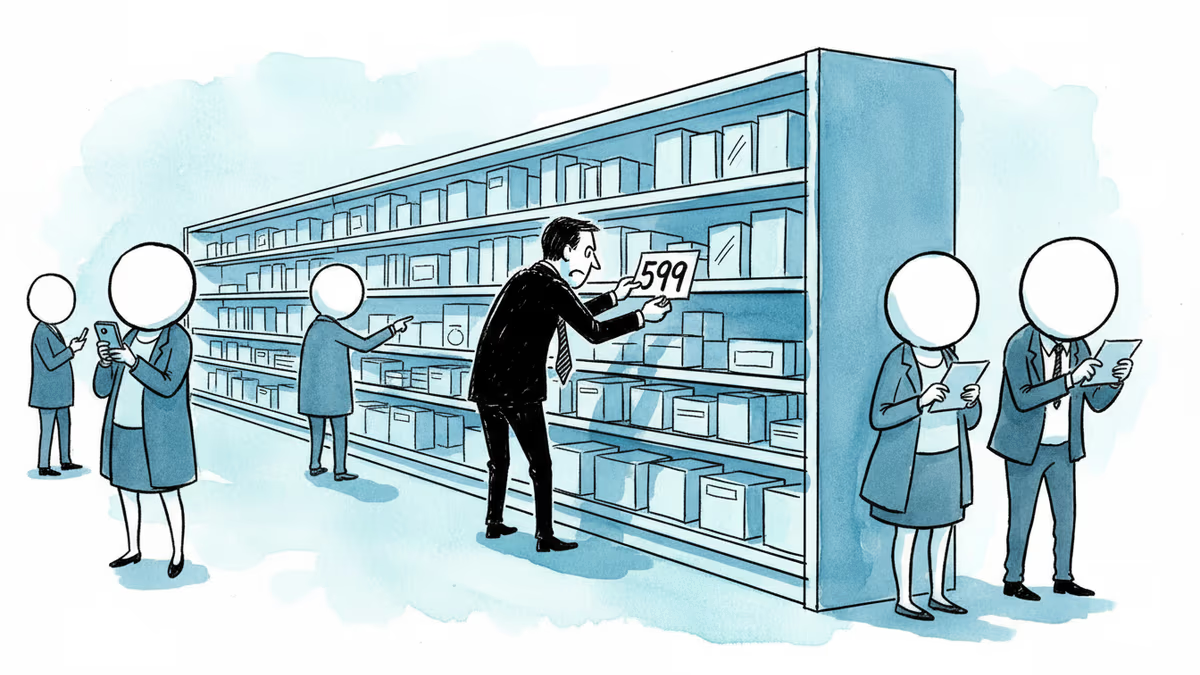
Apple quietly removed the entry-level $599 Mac Mini, raising the starting price to $799 — just one day after Tim Cook warned of chip supply constraints on the earnings call.
Apple names John Ternus, its hardware engineering chief, as the next CEO. The shift from operator to product person signals where Apple thinks its next decade of growth will come from — and raises real questions about what comes next.
After 15 years of fragmented mobile messaging, Apple and Google are rolling out end-to-end encrypted RCS messaging between iPhones and Android devices. Here's what changed, why it took so long, and what it means for your privacy.
Apple agreed to pay $250 million to settle claims it misled iPhone 16 buyers about Apple Intelligence features. What this means for consumers, Big Tech marketing, and the AI industry.
Apple quietly removed the entry-level $599 Mac Mini, raising the starting price to $799 — just one day after Tim Cook warned of chip supply constraints on the earnings call.
Apple names John Ternus, its hardware engineering chief, as the next CEO. The shift from operator to product person signals where Apple thinks its next decade of growth will come from — and raises real questions about what comes next.
Thoughts
Share your thoughts on this article
Sign in to join the conversation