
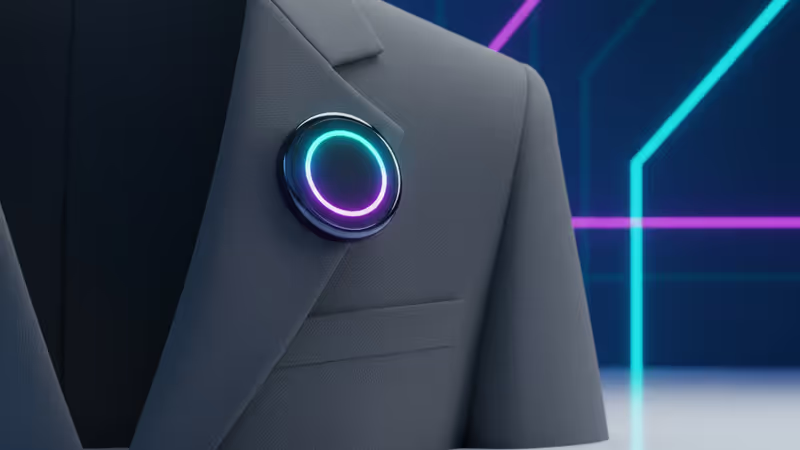
Apple AI Wearable Pin Under Development: A Second Chance for AI Pins?
Apple is reportedly developing a new Apple AI wearable pin, similar in size to an AirTag. Can Apple succeed where the Humane AI Pin failed by utilizing the iPhone ecosystem?
Apple is brewing a silent storm in the wearable market. According to The Information, the tech giant's working on a compact wearable device designed to bring AI models directly to your outfit.
The Apple AI Wearable Pin: Smaller, Smarter, and Synced
Sources say the device is roughly the size of an AirTag, though it's reportedly slightly thicker. It's meant to be worn as a pin, immediately drawing parallels to the Humane AI Pin that launched in 2024 to disappointing reviews and lackluster sales.

While Humane's product struggled with sluggish performance and severe overheating, Apple's solution might take a different path. It's speculated that Apple could offload the heavy AI processing to a synced iPhone, effectively turning the pin into a lightweight interface rather than a standalone computer.
Wearable AI Landscape Comparison
| Feature | Humane AI Pin | Apple AI Pin (Rumored) |
|---|---|---|
| Form Factor | Rectangular Pin | Circular (AirTag-like) |
| Processing | Standalone | iPhone-dependent (Likely) |
| Launch Year | 2024 | TBA |
| Price | $699 | Price Pending |
Authors
Related Articles
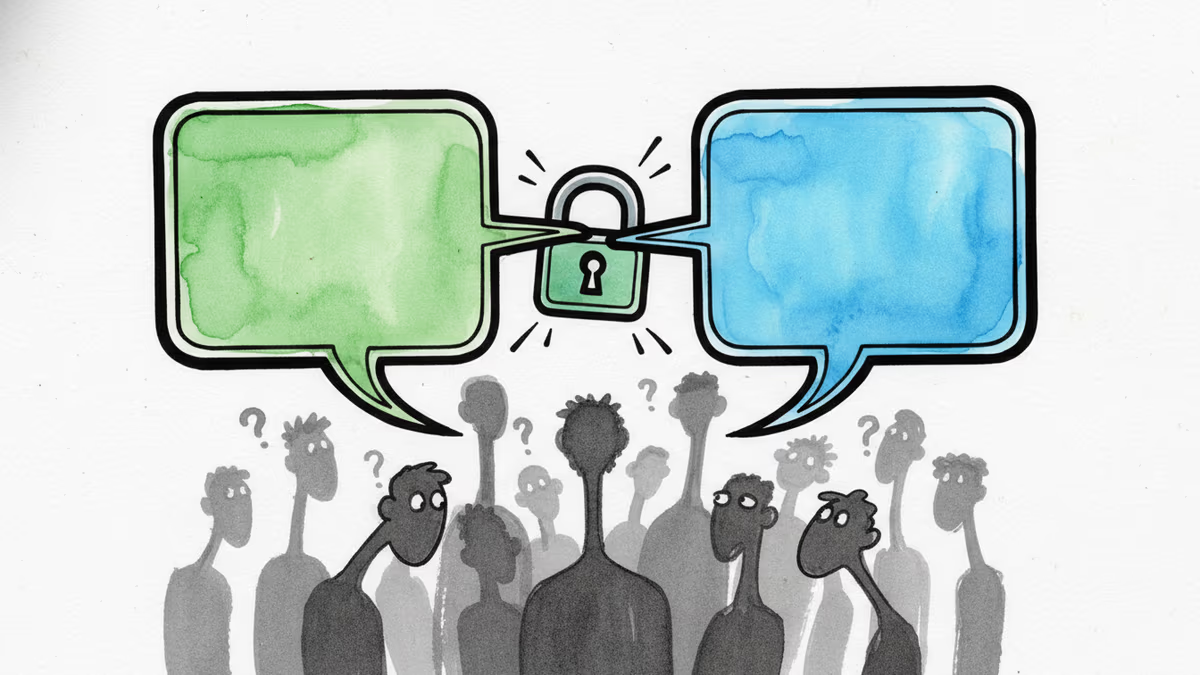
After 15 years of fragmented mobile messaging, Apple and Google are rolling out end-to-end encrypted RCS messaging between iPhones and Android devices. Here's what changed, why it took so long, and what it means for your privacy.
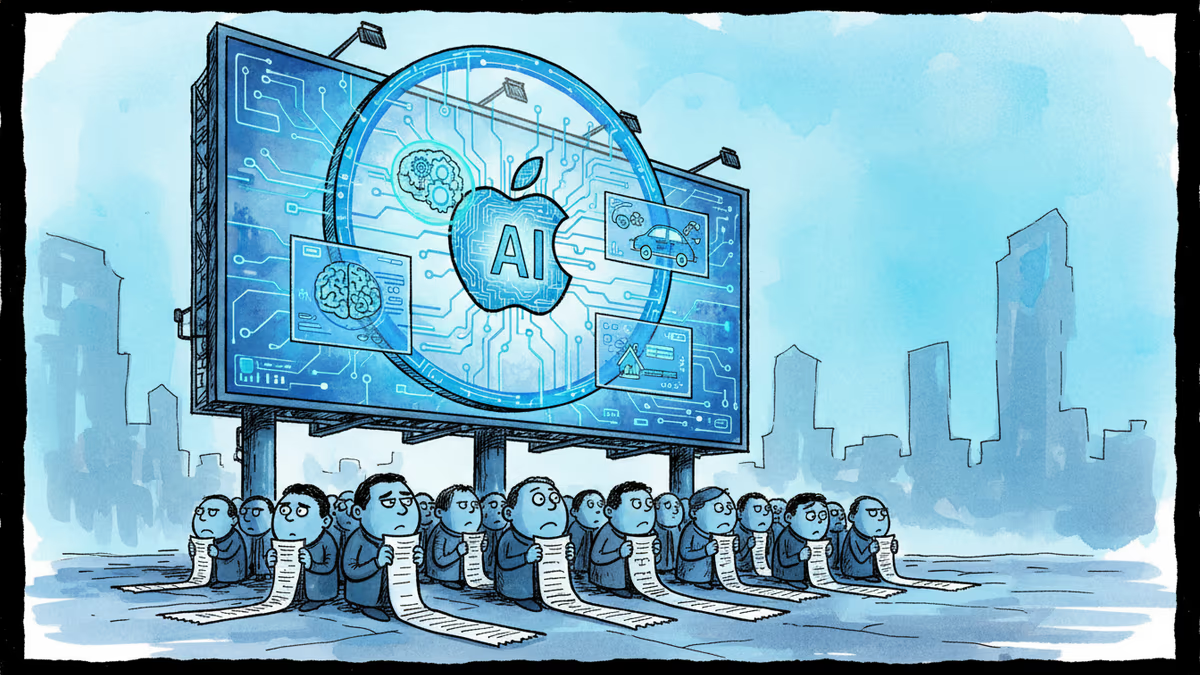
Apple agreed to pay $250 million to settle claims it misled iPhone 16 buyers about Apple Intelligence features. What this means for consumers, Big Tech marketing, and the AI industry.
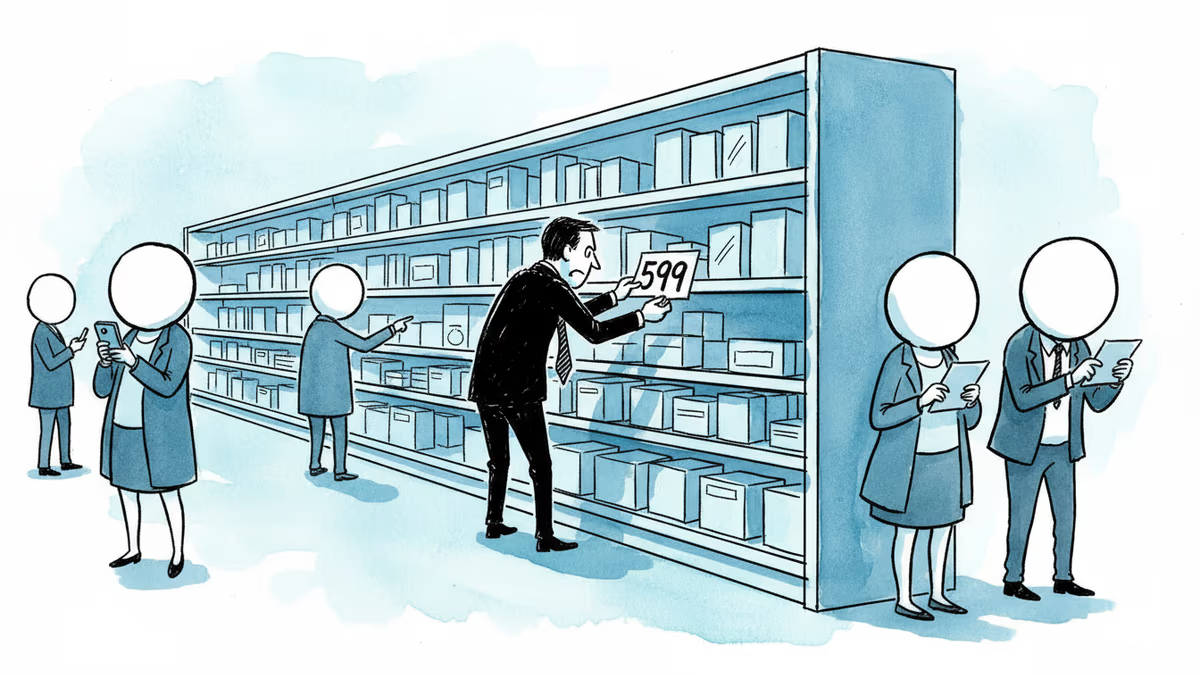
Apple quietly removed the entry-level $599 Mac Mini, raising the starting price to $799 — just one day after Tim Cook warned of chip supply constraints on the earnings call.
Apple names John Ternus, its hardware engineering chief, as the next CEO. The shift from operator to product person signals where Apple thinks its next decade of growth will come from — and raises real questions about what comes next.
After 15 years of fragmented mobile messaging, Apple and Google are rolling out end-to-end encrypted RCS messaging between iPhones and Android devices. Here's what changed, why it took so long, and what it means for your privacy.
Apple agreed to pay $250 million to settle claims it misled iPhone 16 buyers about Apple Intelligence features. What this means for consumers, Big Tech marketing, and the AI industry.
Apple quietly removed the entry-level $599 Mac Mini, raising the starting price to $799 — just one day after Tim Cook warned of chip supply constraints on the earnings call.
Apple names John Ternus, its hardware engineering chief, as the next CEO. The shift from operator to product person signals where Apple thinks its next decade of growth will come from — and raises real questions about what comes next.
Thoughts
Share your thoughts on this article
Sign in to join the conversation