
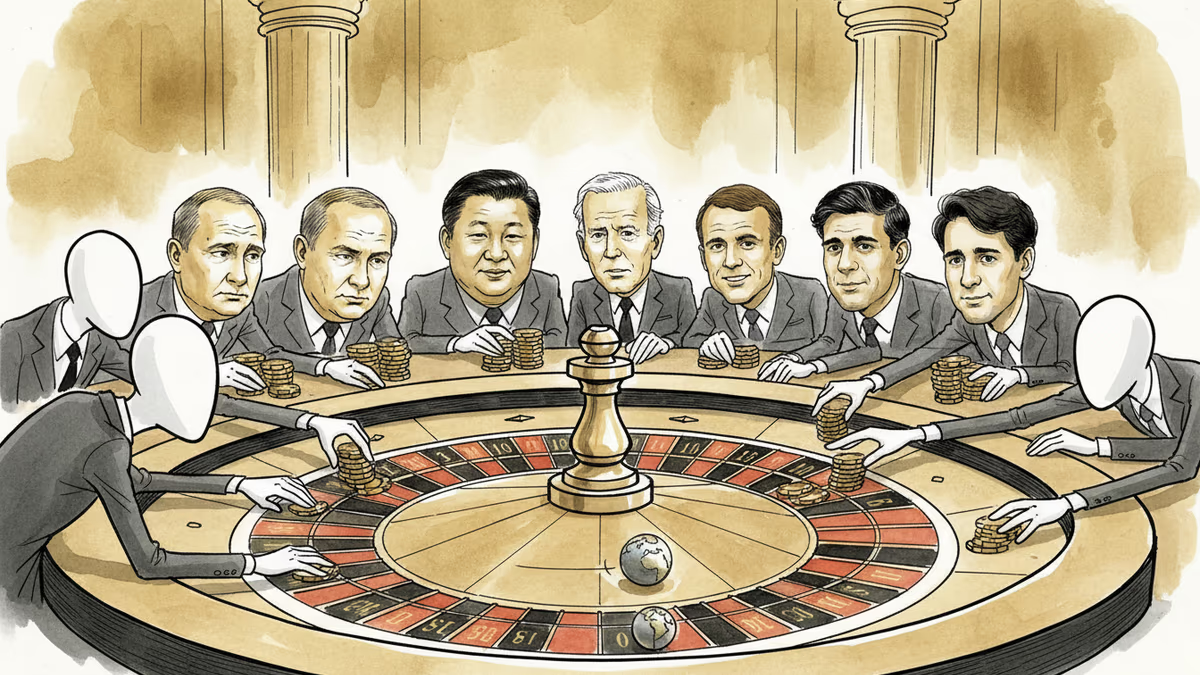
When Prediction Markets Meet Mortality: The Kalshi Dilemma
Kalshi's controversial handling of a market on Iran's Supreme Leader reveals the ethical boundaries of prediction platforms and the limits of platform governance
A $2.3 Million Market Vanished Overnight
Prediction market platform Kalshi found itself in hot water this week after abruptly shutting down trading on "Ali Khamenei out as Supreme Leader?" when rumors of the Iranian leader's death began circulating. The platform paid out positions at the last trading price, refunded fees, and reimbursed anyone who bought shares after the alleged death—a move that left many users furious.
CEO Tarek Mansour's explanation was swift but unsatisfying: Kalshi doesn't "list markets directly tied to death" and its rules are designed to "prevent people from profiting from death." But for traders who'd been betting on political transitions for months, the sudden rule enforcement felt arbitrary and costly.
The Prediction vs. Speculation Gray Zone
This incident exposes a fundamental tension in prediction markets: the thin line between information aggregation and morbid speculation. When you're betting on whether a 78-year-old authoritarian leader will leave office, you're implicitly wagering on mortality—even if the market is framed around political transitions.
Kalshi operates under CFTC approval, making it one of the few legal prediction market platforms in the US. But regulatory approval doesn't resolve ethical dilemmas. The platform wants to be seen as a sophisticated information-gathering tool, not a digital casino where people bet on death. Yet the distinction becomes murky when real-world events involve human mortality.

Platform Governance in Real Time
The backlash reveals how difficult it is to govern speculative platforms in real time. Some users argue the rules should have been clearer from the start. Others question whether such markets should exist at all. Kalshi's response—retroactive rule enforcement with full refunds—pleased no one and satisfied nothing.
This mirrors broader challenges facing prediction platforms globally. Polymarket, operating offshore, faces fewer regulatory constraints but similar ethical questions. Meanwhile, traditional betting platforms like DraftKings have steered clear of political markets entirely, perhaps anticipating exactly these kinds of controversies.
The Geopolitical Dimension
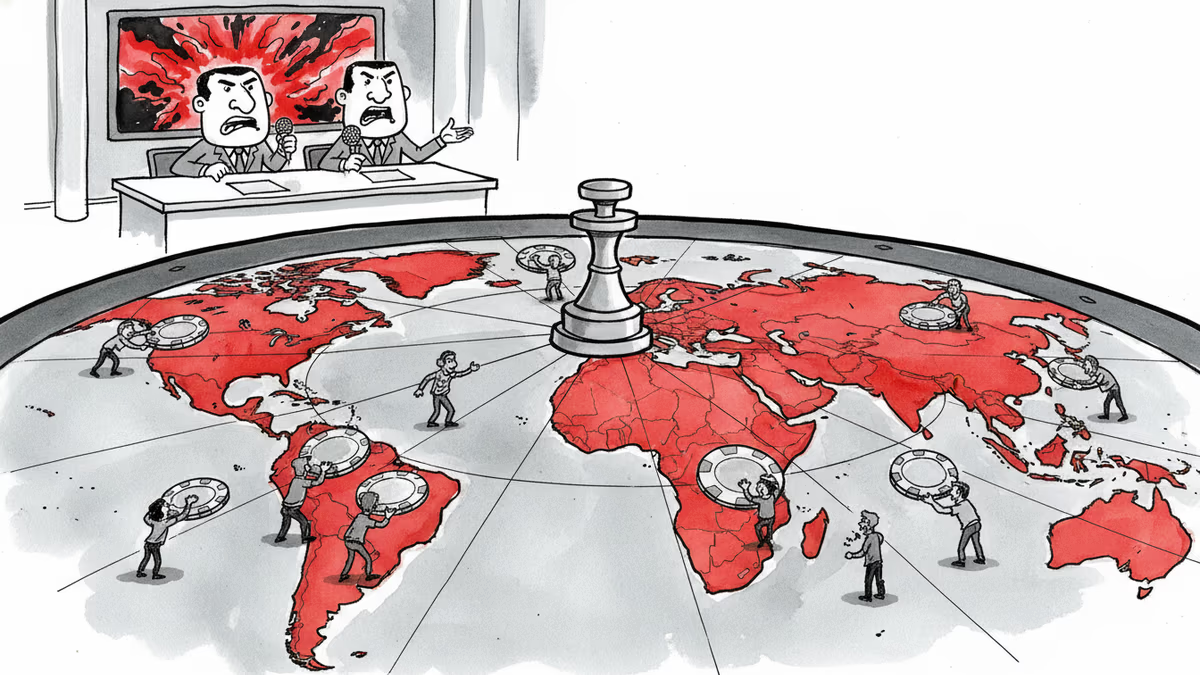
There's another layer here: American companies profiting from speculation about foreign leaders' mortality raises uncomfortable questions about digital colonialism and platform power. When Kalshi users bet on Iranian politics, they're not just making financial predictions—they're participating in a form of algorithmic imperialism where Western platforms commodify global instability.
The irony is stark. Iran bans most Western financial platforms, yet American traders can legally bet on its leadership transitions. This asymmetry highlights how prediction markets, despite their claims of neutrality, operate within existing power structures.
Authors
Related Articles
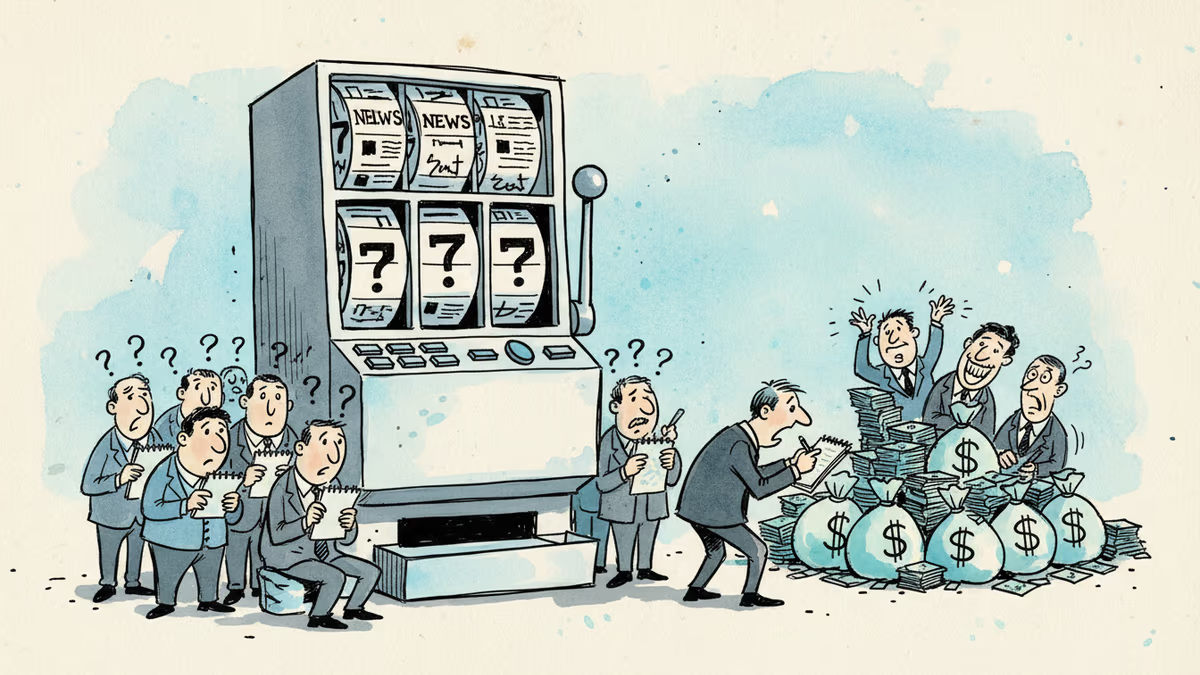
As Polymarket and Kalshi expand news partnerships, insider trading concerns mount. The line between gambling and information is blurring dangerously.
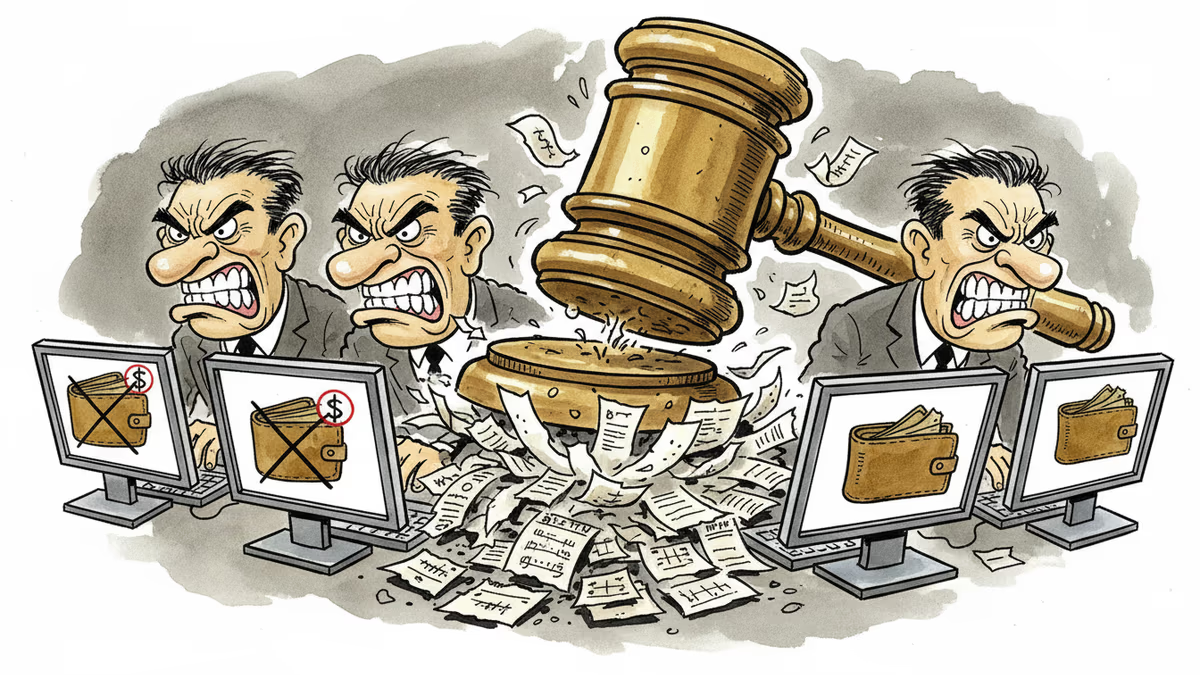
A massive dispute over Iran's supreme leader prediction market exposes the dark side of betting on world events. How Kalshi's rule interpretation sparked trader revolt.
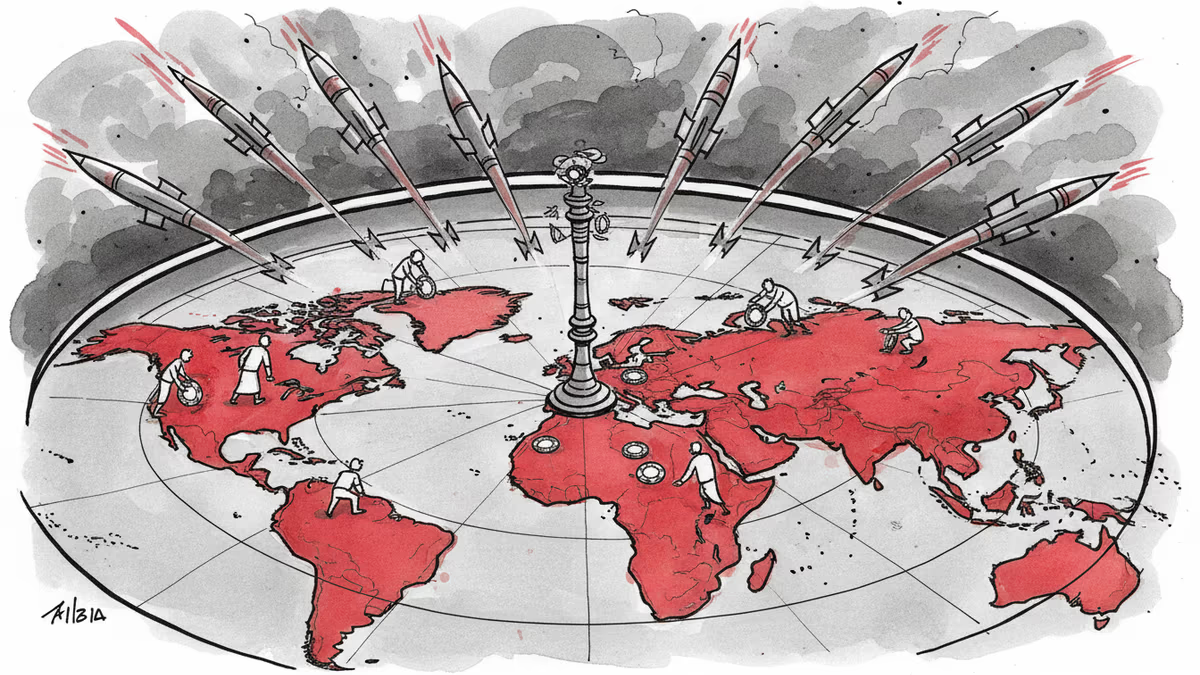
Iran bombing predictions drew $529M in bets, raising insider trading concerns. Exploring the ethical dilemmas of prediction markets in conflict zones.
Polymarket faces backlash for allowing bets on US-Iran strikes. The prediction market blurs lines between news and gambling as real conflicts unfold.
As Polymarket and Kalshi expand news partnerships, insider trading concerns mount. The line between gambling and information is blurring dangerously.
A massive dispute over Iran's supreme leader prediction market exposes the dark side of betting on world events. How Kalshi's rule interpretation sparked trader revolt.
Iran bombing predictions drew $529M in bets, raising insider trading concerns. Exploring the ethical dilemmas of prediction markets in conflict zones.
Polymarket faces backlash for allowing bets on US-Iran strikes. The prediction market blurs lines between news and gambling as real conflicts unfold.
Thoughts
Share your thoughts on this article
Sign in to join the conversation