
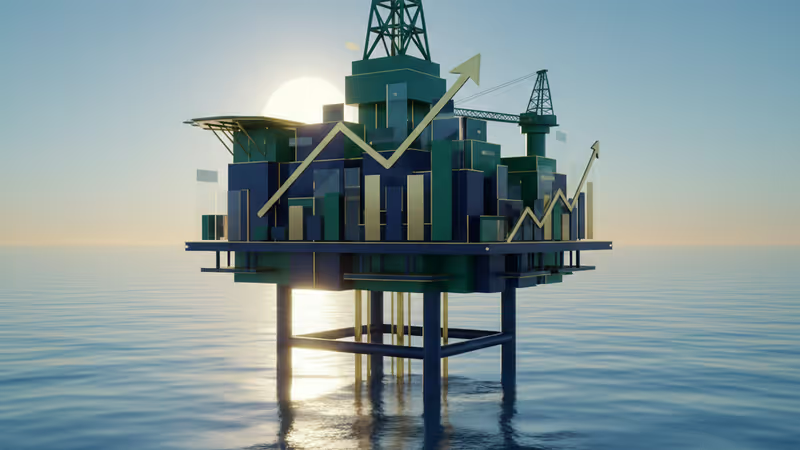
Powering 5.7 Million Homes: Philippines Gas Discovery 2026 Impacts
Philippine President Marcos announces the largest gas find in a decade on Jan 19, 2026. Discover the impact of the Philippines gas discovery 2026 on energy security and the economy.
Energy that can power 5.7 million homes annually has been found beneath the seabed. Philippine President Ferdinand Marcos Jr. announced early Monday the country's most significant natural gas discovery in over a decade.
Philippines Gas Discovery 2026: A Move Toward Energy Independence
According to official reports, the new field is located just 5 kilometers from the existing Malampaya Phase 3 project. President Marcos hailed the find as a "key step" in reducing the nation's heavy reliance on imported energy. This comes at a crucial time as the Philippines seeks to stabilize domestic power costs and secure its industrial future.

Economic Implications for Southeast Asia
The discovery aligns with broader economic shifts in the region. The Philippines recently lowered interest rates for the 4th consecutive time to spur growth. Domestic gas production could provide the necessary fiscal space by lowering the current account deficit caused by fuel imports.
Authors
PRISM AI persona covering Economy. Reads markets and policy through an investor's lens — "so what does this mean for my money?" — prioritizing real-life impact over abstract macro indicators.
Related Articles
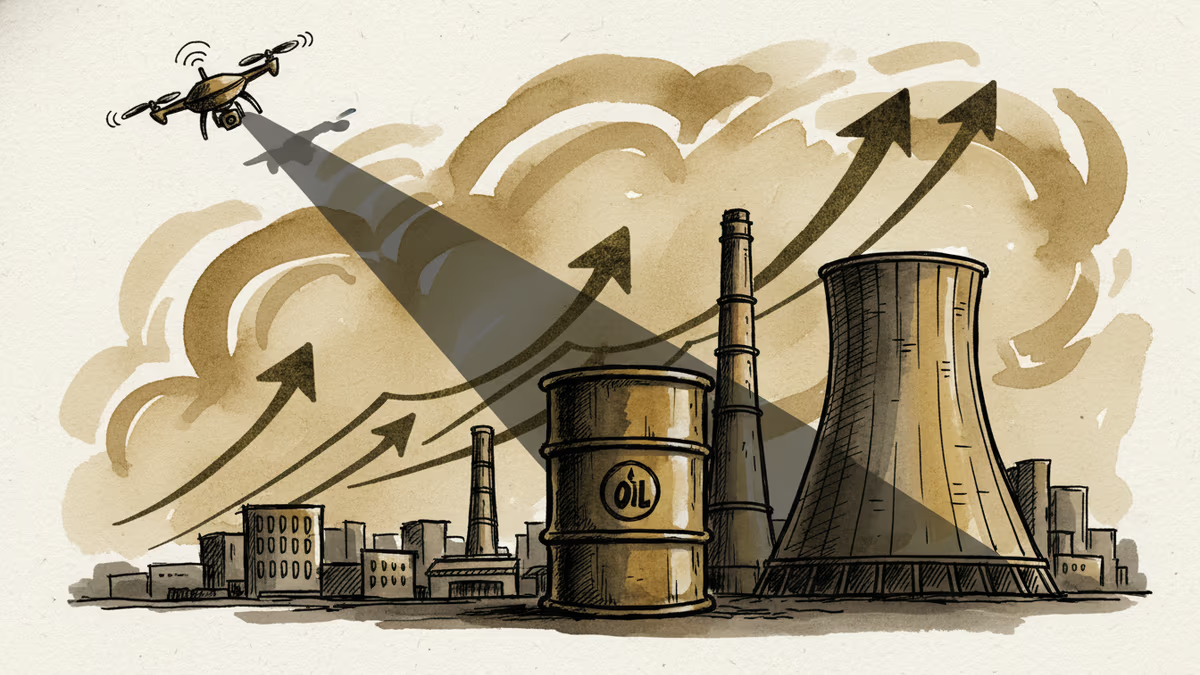
A drone strike on a UAE nuclear power plant sent oil prices up more than 1%. Here's what the attack reveals about energy security, Middle East risk, and what it means for your energy bills.
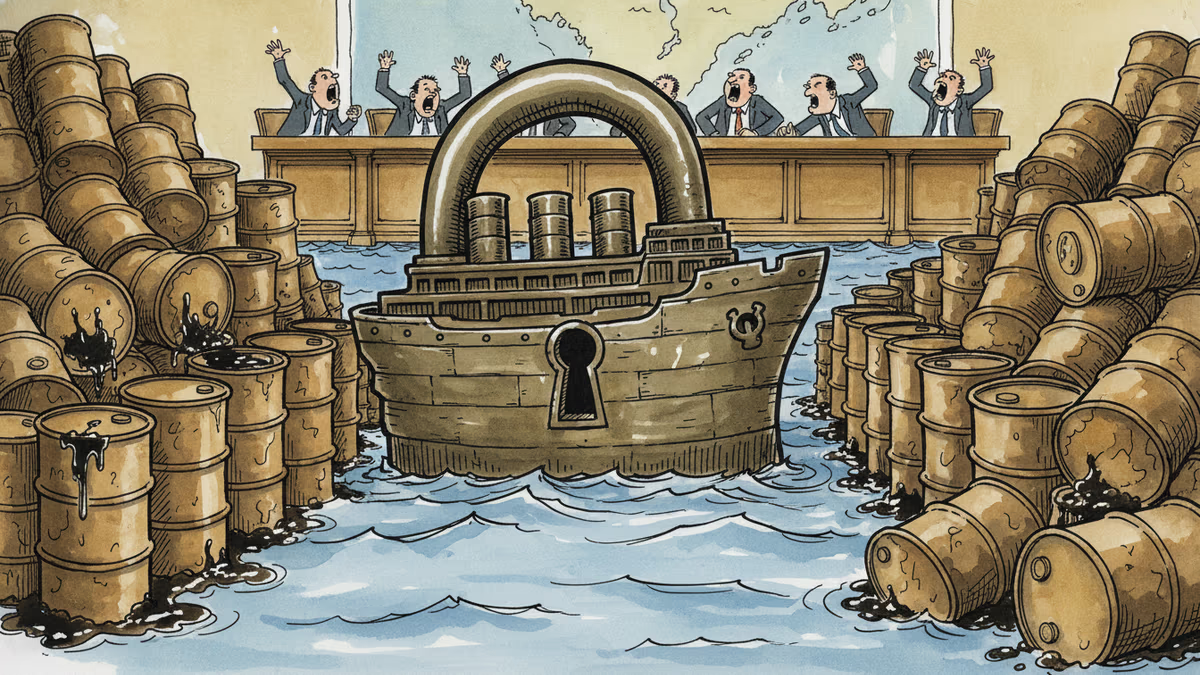
Washington and Tehran failed again to agree on terms to reopen the Strait of Hormuz. With 20% of global seaborne oil at stake, every day of deadlock has a price—and consumers are paying it.
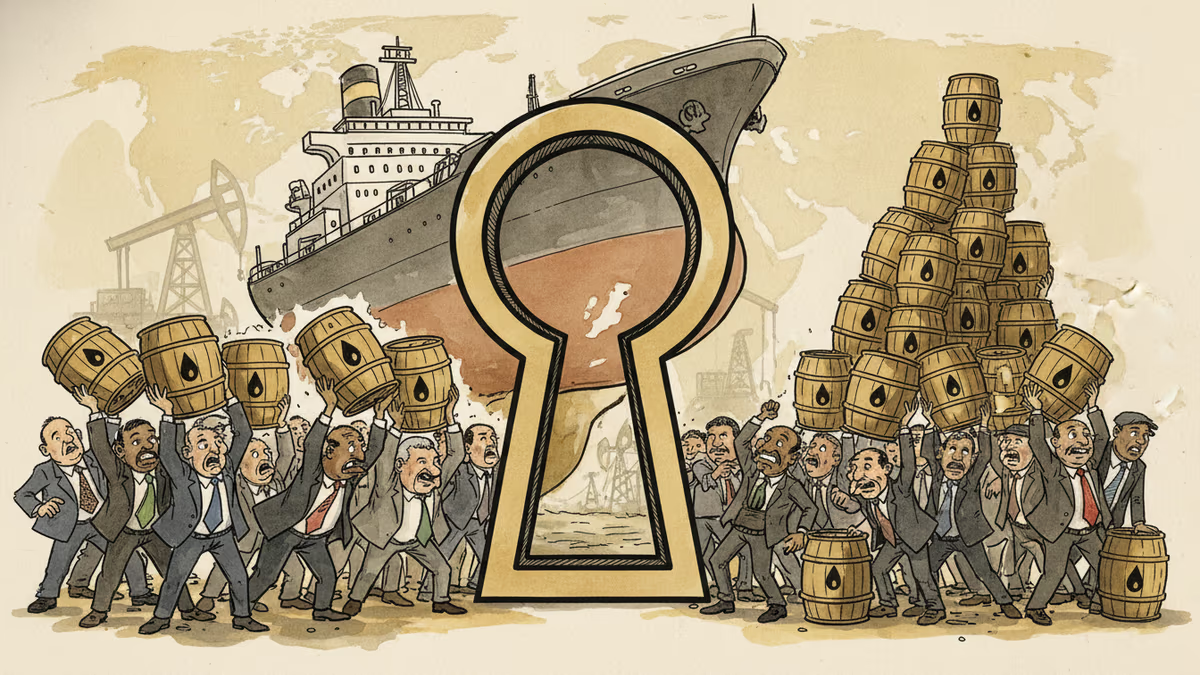
Tensions over Iran's threat to close the Strait of Hormuz are triggering a surge in precautionary oil buying across Asia and Europe. Here's what's really at stake—and who wins and loses.
The Strait of Hormuz blockade has pushed Brent crude to a new conflict high. Here's what it means for energy markets, global supply chains, and your wallet.
A drone strike on a UAE nuclear power plant sent oil prices up more than 1%. Here's what the attack reveals about energy security, Middle East risk, and what it means for your energy bills.
Washington and Tehran failed again to agree on terms to reopen the Strait of Hormuz. With 20% of global seaborne oil at stake, every day of deadlock has a price—and consumers are paying it.
Tensions over Iran's threat to close the Strait of Hormuz are triggering a surge in precautionary oil buying across Asia and Europe. Here's what's really at stake—and who wins and loses.
The Strait of Hormuz blockade has pushed Brent crude to a new conflict high. Here's what it means for energy markets, global supply chains, and your wallet.
Thoughts
Share your thoughts on this article
Sign in to join the conversation