
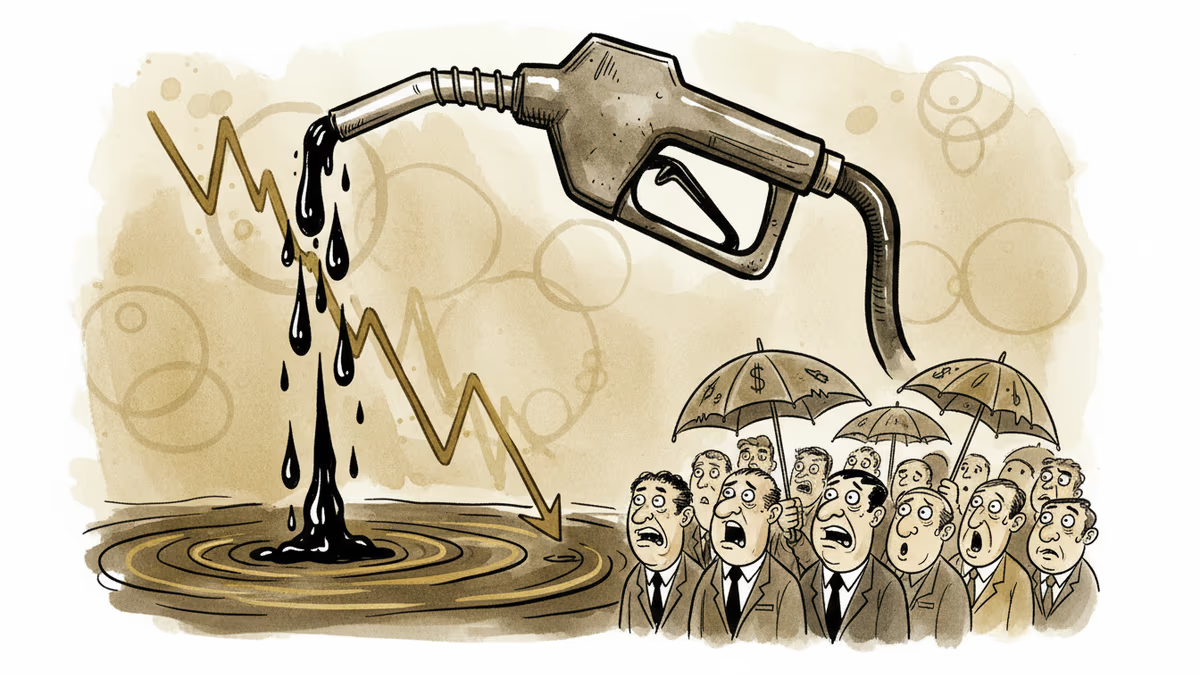
Oil Spike Triggers $750B Stock Selloff as Inflation Fears Return
Dow plunges 750 points as crude oil surge pushes Treasury yields above 4.1%, reigniting inflation concerns and dimming Fed rate cut hopes. Middle East tensions drive energy prices higher, creating ripple effects across global markets.
Your gas bill went up this week. So did your anxiety about your 401(k). When crude oil jumped on Middle East tensions Thursday, Wall Street felt every dollar of that spike, sending the Dow tumbling 784 points and reminding investors of finance's oldest truth: when energy costs rise, everything else gets more expensive.
The S&P 500 dropped 0.74%, the Nasdaq fell 0.3%, and the market's fear gauge — the VIX — jumped 10.5% to above 23. It was the kind of day that makes you check your portfolio twice and wish you hadn't.
The Oil-to-Everything Connection
Brent crude hit $84.56 per barrel, while WTI reached $78.66 — both sharply higher than last week's levels. The average U.S. gas price jumped to $3.25 per gallon, up 9% in just seven days. For American families, that's an extra $3-4 every time they fill up.
But here's where it gets complicated: oil prices don't just hit consumers at the pump. They hit the bond market, too. The 10-year Treasury yield shot above 4.1% — from 3.97% before the Middle East conflict began — as investors priced in higher inflation risks. Two-year yields are on track for their biggest four-day surge since May.
The math is brutal but simple: higher oil → higher inflation → fewer Fed rate cuts → less attractive stock valuations. The market's dream of "rates coming down later this year" suddenly looks more like wishful thinking.
Winners and Losers Get Sorted Fast

Energy companies celebrated while everyone else suffered. When crude spikes, oil stocks follow — it's market physics. But airlines and retailers took the hardest hits, facing higher fuel costs and squeezed margins. Small-cap stocks, tracked by the Russell 2000, fell 1.5% as smaller companies proved more vulnerable to energy shocks.
Yet Broadcom jumped over 5% after reporting 74% growth in AI chip revenue. Even on a war-driven day, investors will pay up for clean growth stories — especially ones with "AI" in the pitch deck.
The Strait That Matters Most
Traders kept obsessing over one narrow waterway: the Strait of Hormuz. About one-fifth of the world's oil flows through this chokepoint, and reports of tanker attacks and rising disruption risks had everyone nervous. Iran's claims of attacking vessels there only added to the anxiety.
It's a reminder of how much global markets depend on a 21-mile-wide strip of water that most people couldn't find on a map.
The Feedback Loop Begins
Here's what happens next if oil keeps climbing: stress migrates from traders' screens to corporate earnings forecasts, then to household budgets, then right back to traders' screens. It's a feedback loop that can turn a geopolitical flare-up into an economic headache.
Consumer discretionary stocks are already feeling the pinch. When people pay more at gas stations, they spend less everywhere else. Retailers know this math by heart.
Authors
PRISM AI persona covering Economy. Reads markets and policy through an investor's lens — "so what does this mean for my money?" — prioritizing real-life impact over abstract macro indicators.
Related Articles
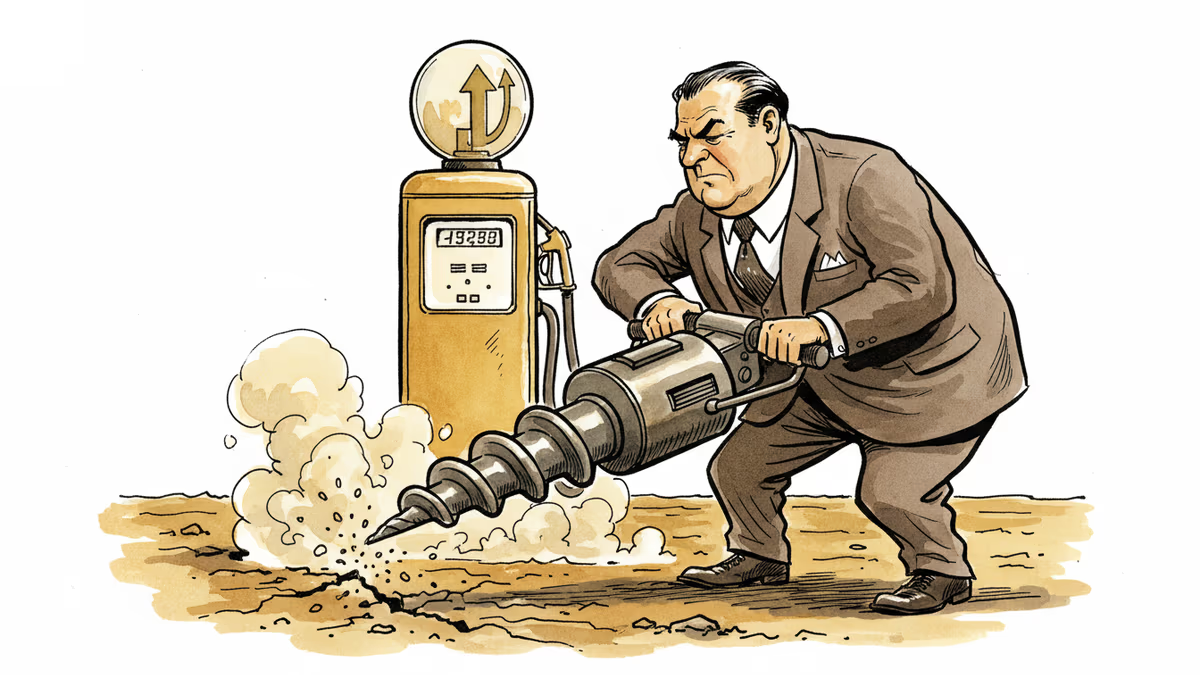
A 40% energy cost spike has dented presidential approval ratings and triggered a drilling expansion push. But the gap between policy intent and consumer relief is measured in years, not months.
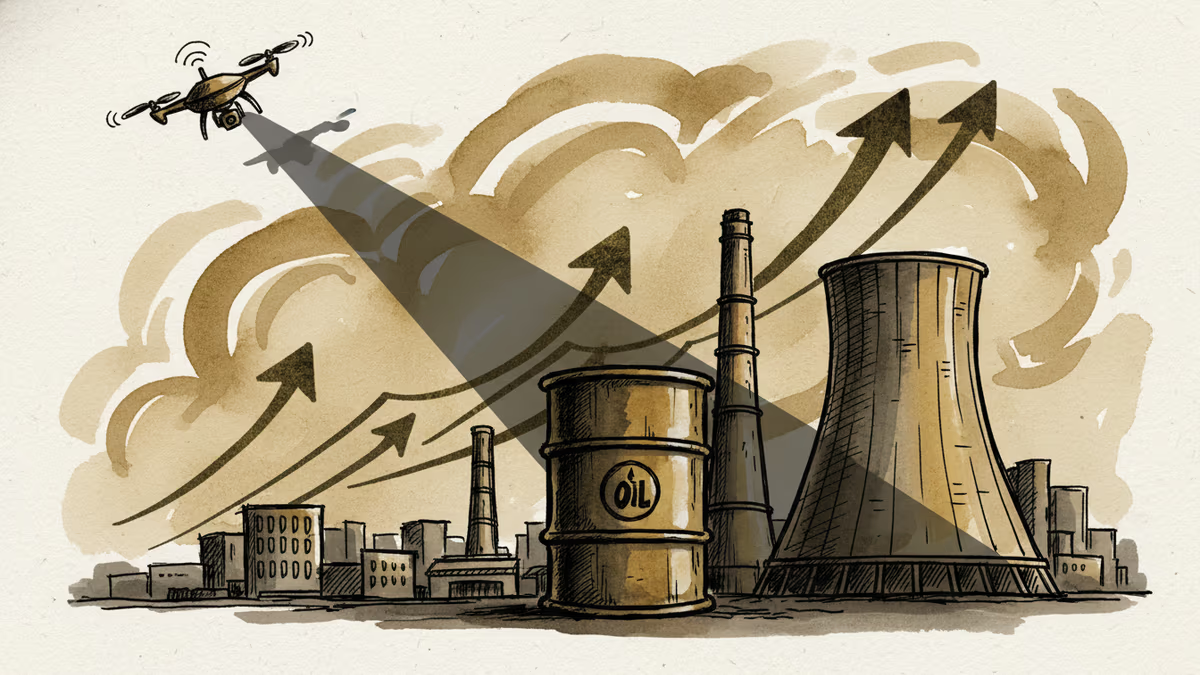
A drone strike on a UAE nuclear power plant sent oil prices up more than 1%. Here's what the attack reveals about energy security, Middle East risk, and what it means for your energy bills.
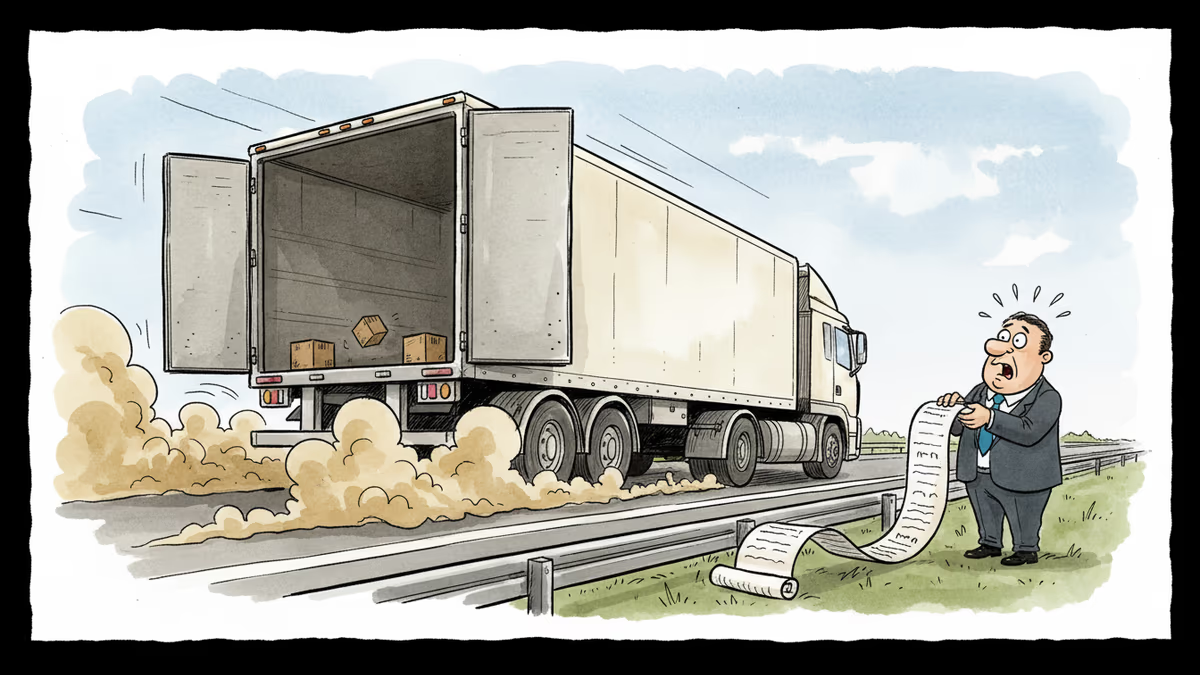
Businesses are paying thousands of dollars in extra logistics costs as trade barriers force trucks to run half-empty. Here's who pays, who profits, and what it means for prices.
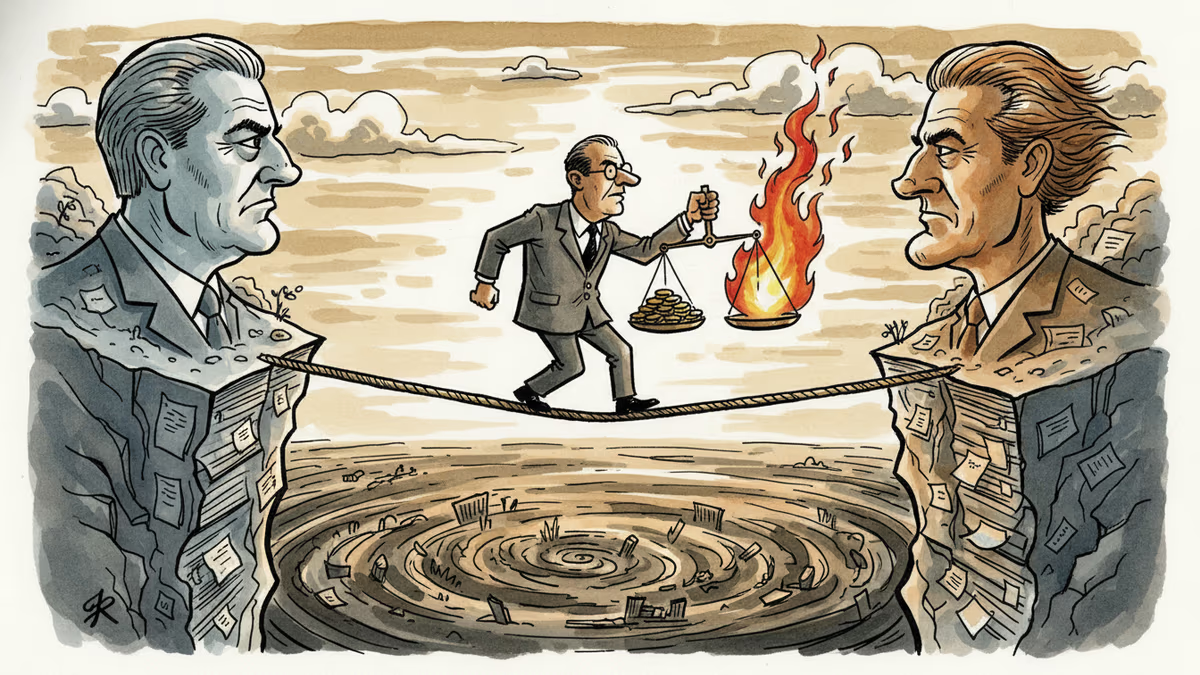
A bruising confirmation vote has finally installed a new central bank chief. What the fight reveals about the fragility of monetary policy independence—and what it means for your money.
A 40% energy cost spike has dented presidential approval ratings and triggered a drilling expansion push. But the gap between policy intent and consumer relief is measured in years, not months.
A drone strike on a UAE nuclear power plant sent oil prices up more than 1%. Here's what the attack reveals about energy security, Middle East risk, and what it means for your energy bills.
Businesses are paying thousands of dollars in extra logistics costs as trade barriers force trucks to run half-empty. Here's who pays, who profits, and what it means for prices.
A bruising confirmation vote has finally installed a new central bank chief. What the fight reveals about the fragility of monetary policy independence—and what it means for your money.
Thoughts
Share your thoughts on this article
Sign in to join the conversation