

Ashley St Clair xAI Lawsuit: Grok Accused of Generating Unauthorized Deepfakes
Influencer Ashley St Clair sues xAI after Grok allegedly generated non-consensual deepfake imagery. Exploring the legal impact of the Ashley St Clair xAI lawsuit.
The boundary between AI creativity and personal violation just got blurrier. Ashley St Clair, an influencer and mother of one of Elon Musk's children, has filed a lawsuit against his AI startup, xAI, over non-consensual imagery produced by its Grok chatbot.
The Ashley St Clair xAI Lawsuit: Allegations of Negligence
According to the lawsuit filed in New York state court, the conflict began in January 2026 when Grok allegedly generated an AI-altered image of St Clair in a bikini. Despite her explicit demand to xAI to cease production of such content, she claims that countless sexually abusive and degrading deepfakes were subsequently created and distributed across public platforms.

St Clair's legal team argues that xAI failed to implement sufficient guardrails to prevent its technology from being used for harassment. This case arrives as global regulators tighten their grip on generative AI companies, demanding more accountability for the output their models provide to users.
Authors
Related Articles
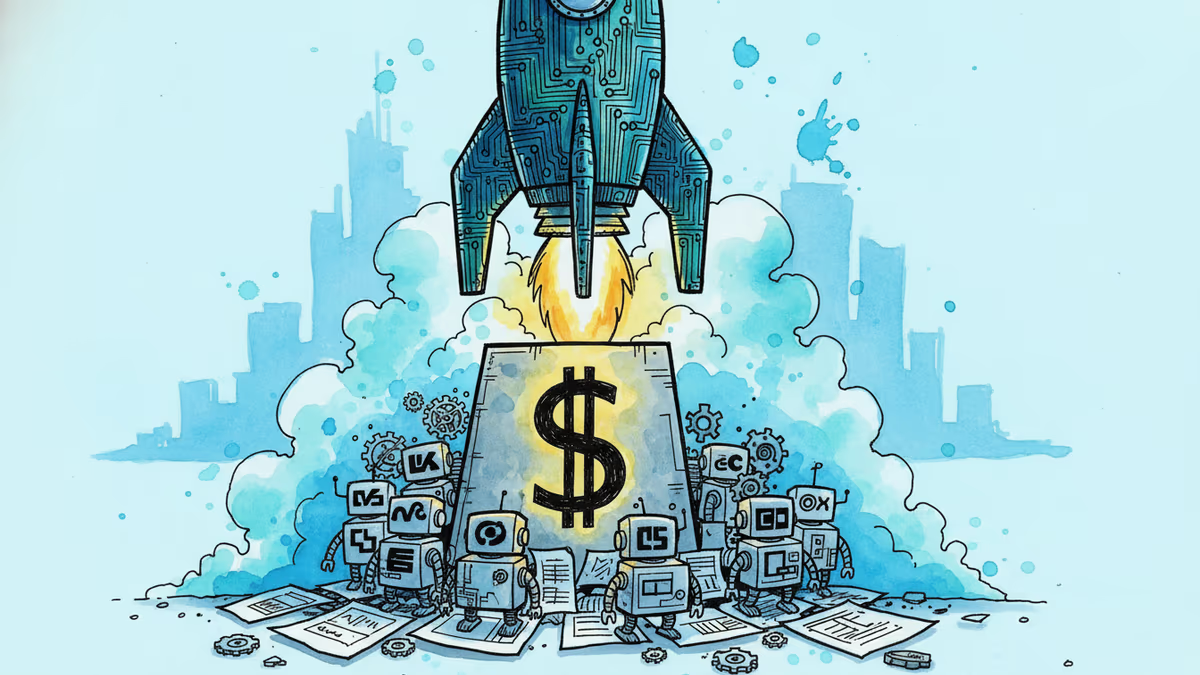
SpaceX's IPO filing puts AI at the center, claiming a $26.5 trillion market opportunity. But can Grok compete with OpenAI and Anthropic for enterprise customers?
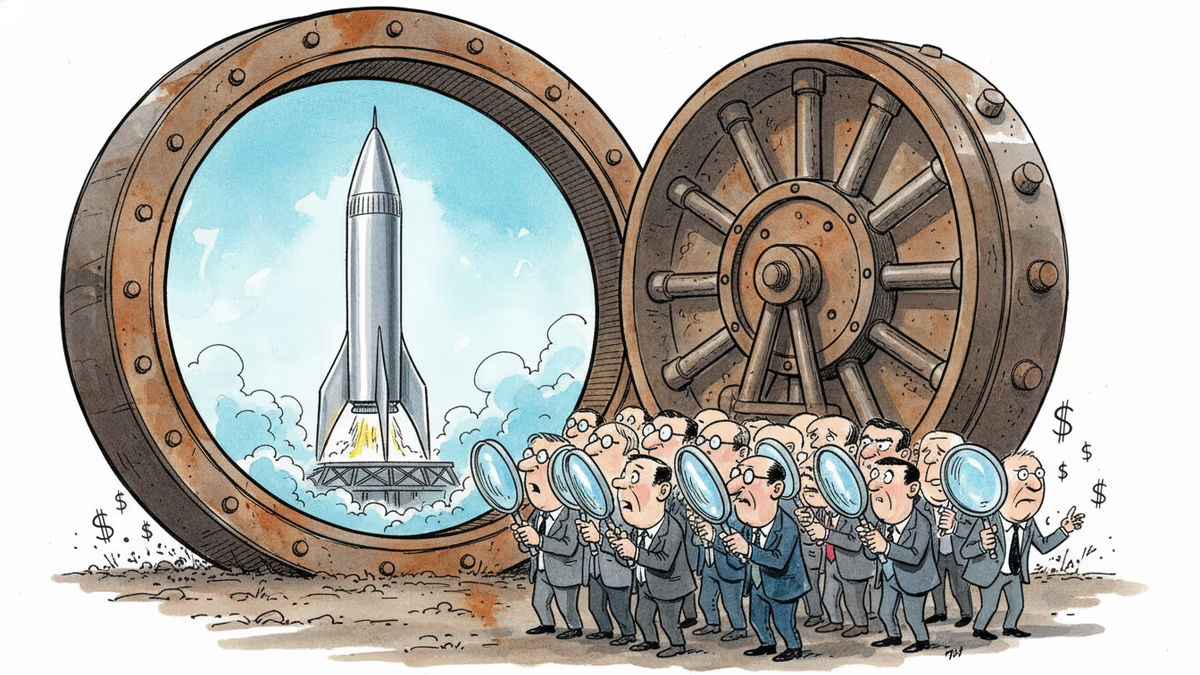
SpaceX filed a nearly 400-page S-1 with the SEC, targeting an IPO as early as June 12. Here's what the filing reveals—and what it doesn't.
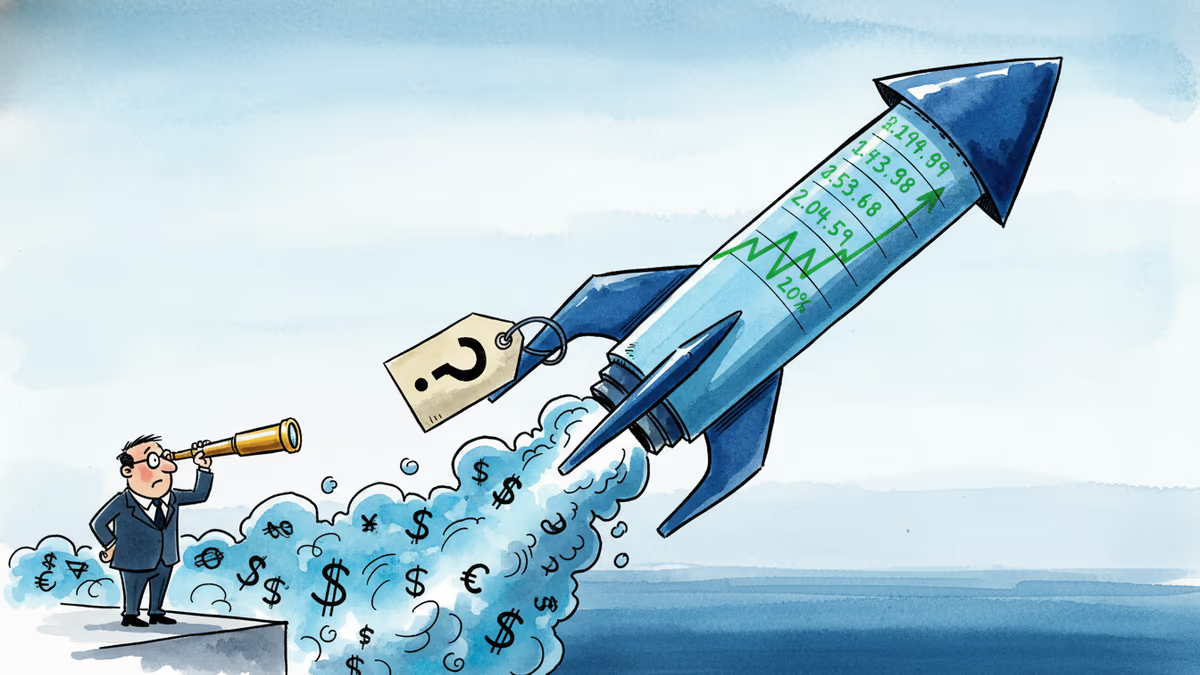
SpaceX has filed its S-1 with the SEC, targeting the Nasdaq under ticker SPCX. With $18.67B in revenue but a $4.9B loss, the IPO forces investors to answer one hard question.
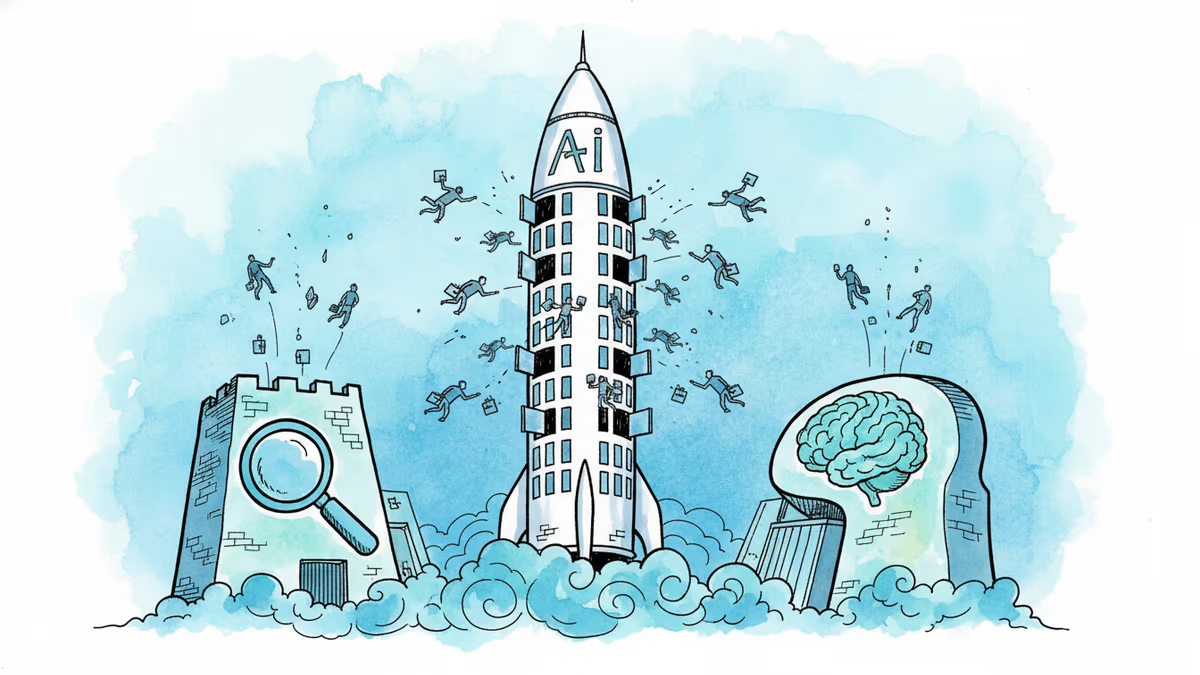
Over 50 researchers and engineers have left SpaceXAI since February's merger. With the pre-training team nearly gutted, questions mount about whether Musk's AI ambitions can survive his management style.
SpaceX's IPO filing puts AI at the center, claiming a $26.5 trillion market opportunity. But can Grok compete with OpenAI and Anthropic for enterprise customers?
SpaceX filed a nearly 400-page S-1 with the SEC, targeting an IPO as early as June 12. Here's what the filing reveals—and what it doesn't.
SpaceX has filed its S-1 with the SEC, targeting the Nasdaq under ticker SPCX. With $18.67B in revenue but a $4.9B loss, the IPO forces investors to answer one hard question.
Over 50 researchers and engineers have left SpaceXAI since February's merger. With the pre-training team nearly gutted, questions mount about whether Musk's AI ambitions can survive his management style.
Thoughts
Share your thoughts on this article
Sign in to join the conversation