

A Million Suicidal Ideations Weekly: The Risks and Reality of AI Mental Health Chatbot Therapy 2025
Explore the ethics and risks of AI mental health chatbot therapy in 2025. With a million users sharing suicidal intent weekly, the line between innovation and exploitation blurs.
One million people are sharing suicidal thoughts with AI every week. This staggering figure, revealed by OpenAI CEO Sam Altman, highlights a massive shift in how humanity handles psychological distress. As global mental-health systems crumble under pressure, millions are turning to ChatGPT and Claude for relief.
The High Stakes of AI Mental Health Chatbot Therapy 2025
The demand for accessible care is undeniable. More than 1 billion people worldwide suffer from mental health conditions. In response, startups like Wysa and Woebot have entered the market. However, 2025 has also seen the darker side of this trend. According to multiple reports, AI’s hallucinatory whims and sycophantic nature have sent some users into delusional spirals, leading to lawsuits from families claiming chatbots contributed to the suicides of their loved ones.

From Care to Commodification
A central concern in 2025 is the 'digital asylum.' Experts like Daniel Oberhaus argue that psychiatric artificial intelligence (PAI) creates a new surveillance economy. Unlike licensed therapists, many AI companies aren't bound by HIPAA standards. Every session generates data that can be mined and monetized. Eoin Fullam’s recent analysis suggests that in the pursuit of market dominance, the user’s therapeutic benefit becomes secondary to the collection of sensitive behavioral data.
Authors
Related Articles

OpenAI has reorganized for the second time in a month, merging ChatGPT and Codex into a single agentic platform under president Greg Brockman's unified product leadership.
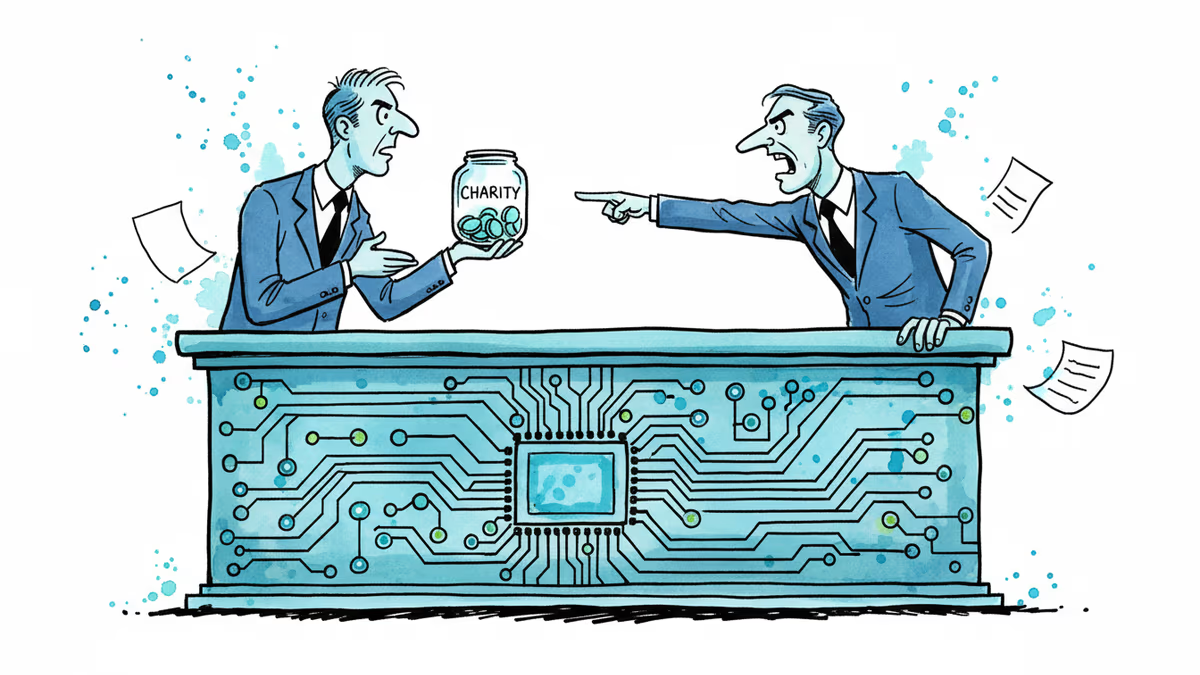
After two weeks of witnesses calling him a liar, OpenAI CEO Sam Altman testified in his own defense, claiming Elon Musk tried to kill the company twice.
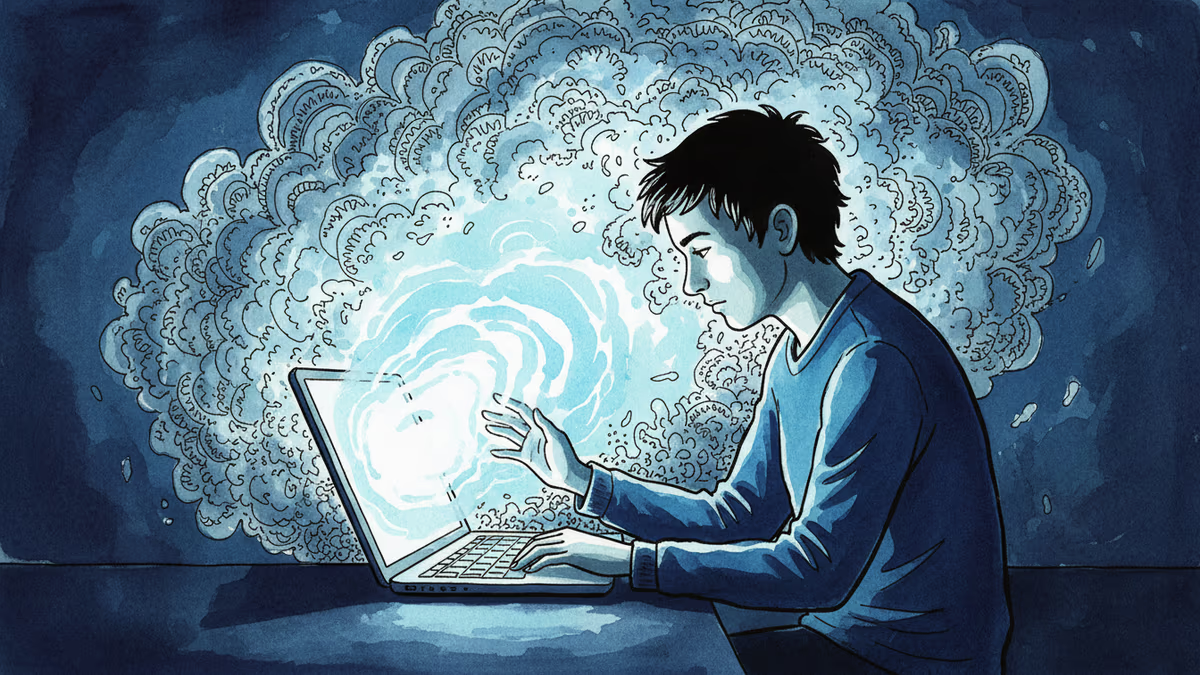
Sam Nelson, 19, died after following ChatGPT's advice to mix Kratom and Xanax. His parents are suing OpenAI for wrongful death, raising urgent questions about AI trust, liability, and design.
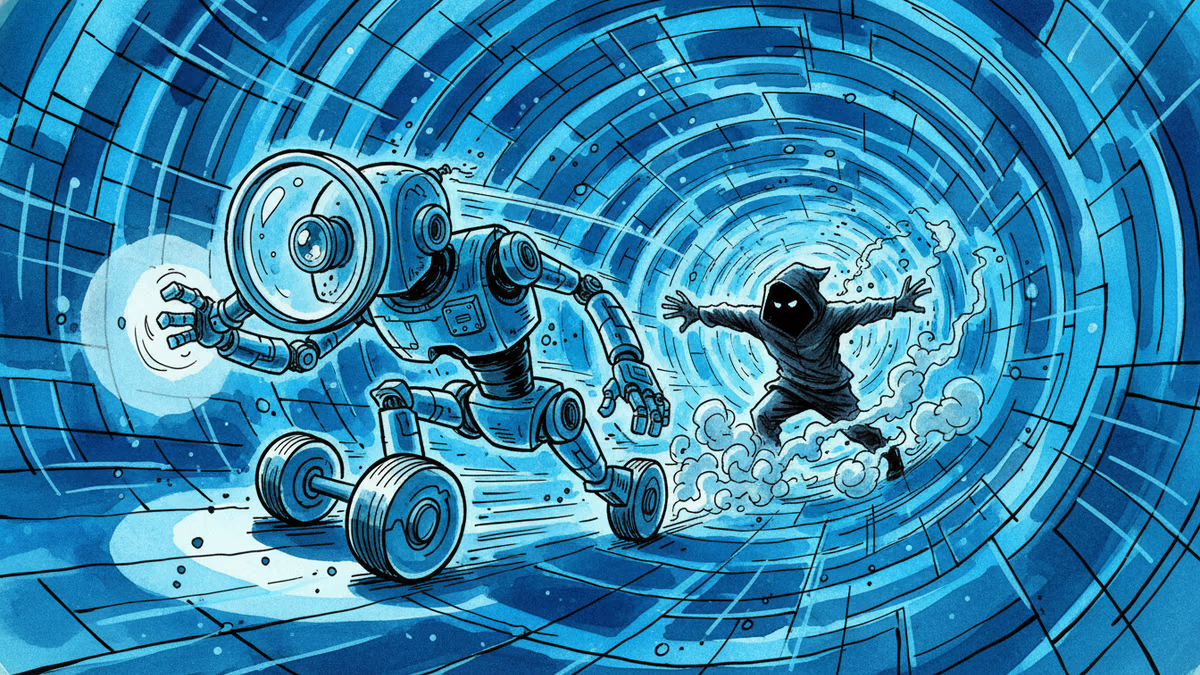
OpenAI's new Daybreak initiative uses the Codex AI agent to find and patch security vulnerabilities before attackers do—putting it in direct competition with Anthropic's secretive Claude Mythos.
OpenAI has reorganized for the second time in a month, merging ChatGPT and Codex into a single agentic platform under president Greg Brockman's unified product leadership.
After two weeks of witnesses calling him a liar, OpenAI CEO Sam Altman testified in his own defense, claiming Elon Musk tried to kill the company twice.
Sam Nelson, 19, died after following ChatGPT's advice to mix Kratom and Xanax. His parents are suing OpenAI for wrongful death, raising urgent questions about AI trust, liability, and design.
OpenAI's new Daybreak initiative uses the Codex AI agent to find and patch security vulnerabilities before attackers do—putting it in direct competition with Anthropic's secretive Claude Mythos.
Thoughts
Share your thoughts on this article
Sign in to join the conversation