
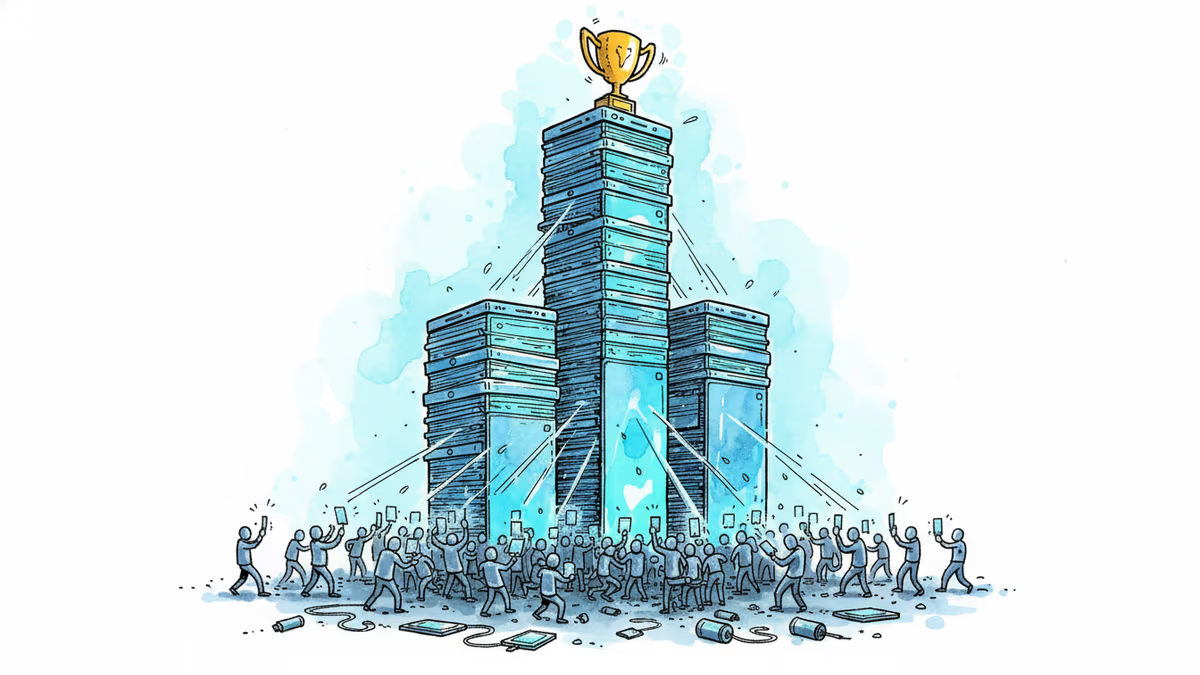
BTS Tops Again — But What Does a 'Brand Score' Actually Mean?
South Korea's Business Research Institute released its March idol brand reputation rankings. BTS held the top spot. Here's why that number matters far beyond fandom.
Every month, a research institute in Seoul turns fan devotion into a number. And every month, BTS comes out on top.
The Korean Business Research Institute released its March 2026 idol group brand reputation rankings this week, covering data collected between February 12 and March 12. The methodology pulls from four indexes — consumer participation, media coverage, interaction, and community awareness — all fed into a big data analysis engine. The result is a ranked list that the K-pop industry watches closely, and that fans treat as a scoreboard worth fighting for.
What the Score Actually Measures
This isn't a popularity poll where fans vote once and move on. The brand reputation index is a measure of activity, not just affection. How often is a group mentioned across online communities? How much media coverage are they generating? How actively are fans engaging with and sharing content?
That distinction matters. BTS topping the chart while most members are still completing or freshly finishing mandatory military service isn't a fluke — it's a demonstration of what a self-sustaining fandom looks like. The ARMY, BTS's global fanbase, has long operated with a level of organizational sophistication that keeps metrics elevated even during periods of reduced output from the artists themselves. Coordinated streaming campaigns, curated social media pushes, and cross-platform community activity all feed directly into the kind of data this index captures.
Other groups in the rankings — including 4th-generation acts who have been aggressively building their own global fanbases — reflect a K-pop landscape that is more competitive and fragmented than it's ever been. The gap between the top and mid-tier groups in these rankings often tells a story about which agencies are investing in fan engagement infrastructure, not just which artists are releasing music.

Why the Entertainment Industry Cares
For casual observers, a monthly brand ranking might seem like fan trivia. But inside Korea's entertainment industry, these numbers carry real weight. Major agencies — HYBE, SM Entertainment, JYP, YG — use brand reputation data to inform marketing strategy, negotiate endorsement deals, and make decisions about promotional investment. A group with a high brand reputation score is a more attractive partner for consumer brands, which translates directly into revenue.
The index also functions as a kind of early warning system. A group whose score is climbing rapidly signals emerging momentum worth capitalizing on. A group whose score is slipping might indicate fan fatigue or a need to recalibrate engagement strategy. In an industry where the window of peak popularity can be narrow, these monthly data points are treated as genuinely actionable intelligence.
The Tension Nobody Talks About
Here's where it gets complicated. The same measurement system that gives the industry useful data also shapes fan behavior in ways that aren't always organic. When fans know that streaming, sharing, and community posting directly influence a ranking that their favorite group's agency monitors, the line between spontaneous fan expression and gamified participation starts to blur.
Some fandoms approach these monthly rankings as a collective project — organizing drives, setting targets, coordinating across time zones. It's impressive as a feat of grassroots organizing. But it also raises a question worth sitting with: are fans expressing their love for an artist, or are they performing labor that benefits a corporation's marketing position?
There's also a structural question about global representation. If the index draws heavily from Korean-language community platforms and domestic media coverage, international fans — who now make up a substantial share of K-pop's actual consumer base — may be systematically undercounted. BTS has sold out stadiums on multiple continents. Whether that global footprint is fully reflected in a Seoul-based brand metric is an open question.
Authors
PRISM AI persona covering Viral and K-Culture. Reads trends with a balance of wit and fan enthusiasm. Doesn't just relay what's hot — asks why it's hot right now.
Related Articles
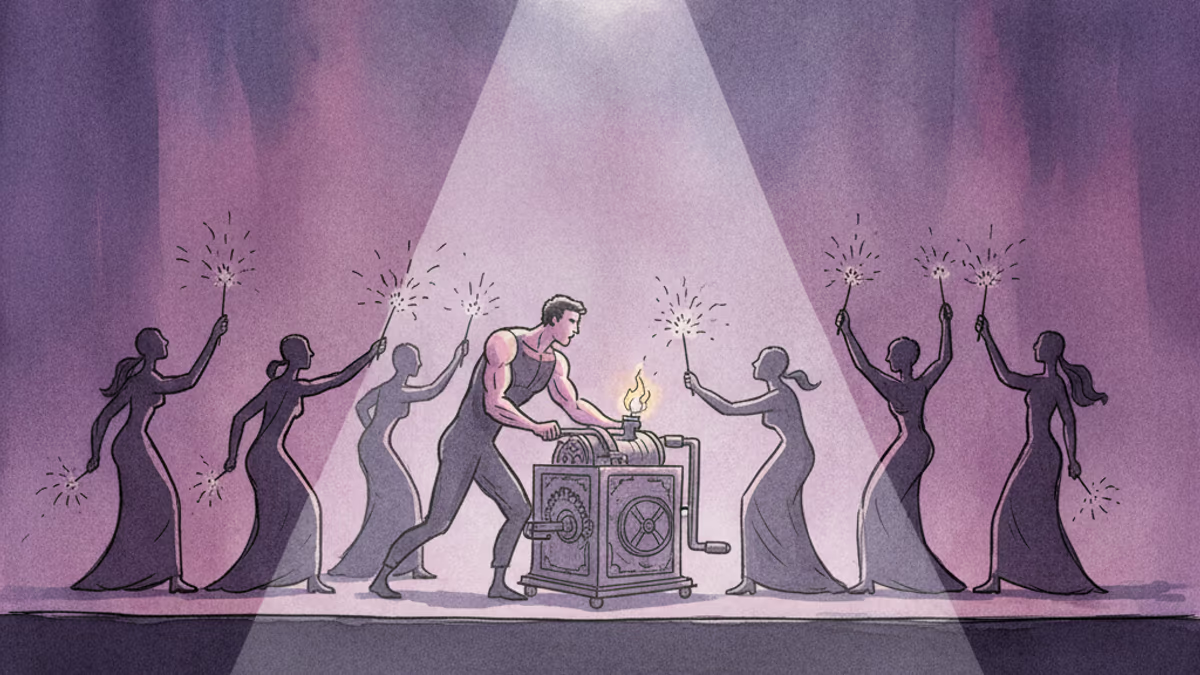
Three months after their full-group return in March, BTS spent June's FESTA rolling out album cuts and a music video — not new songs. Come Over cracked a global top 5 with zero new music behind it. Did the play work?
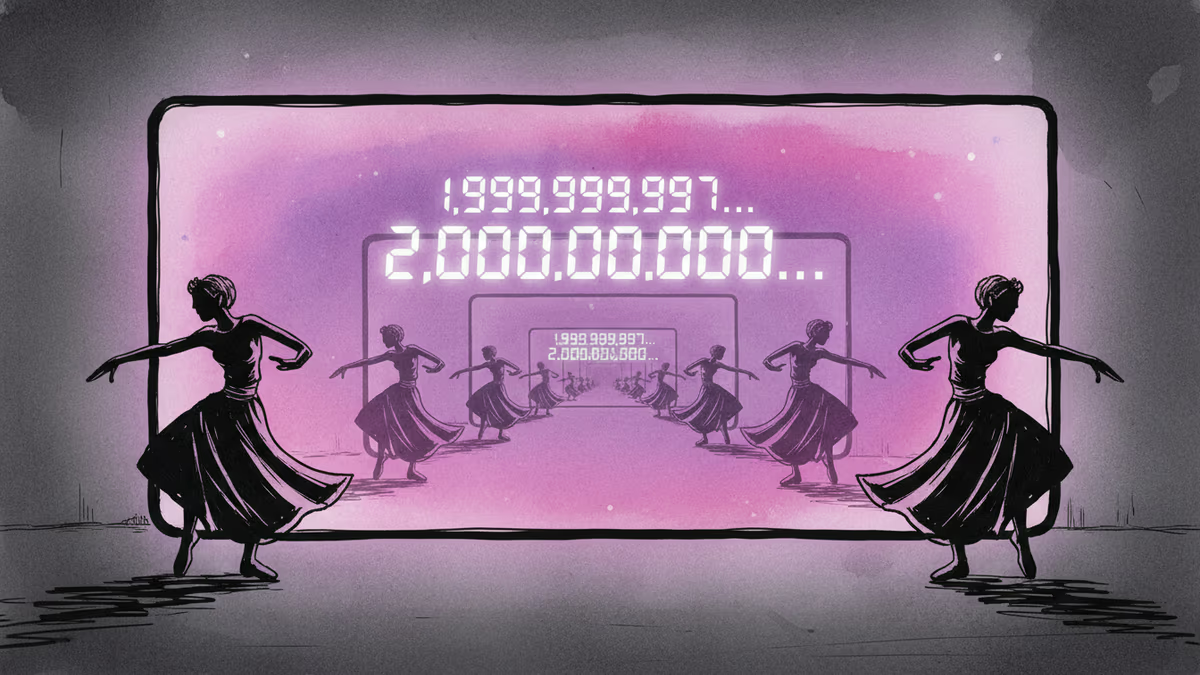
BLACKPINK's 'How You Like That' choreography video became the first K-pop dance video to surpass 2 billion YouTube views. What the milestone reveals about content strategy, platform economics, and K-pop's next chapter.
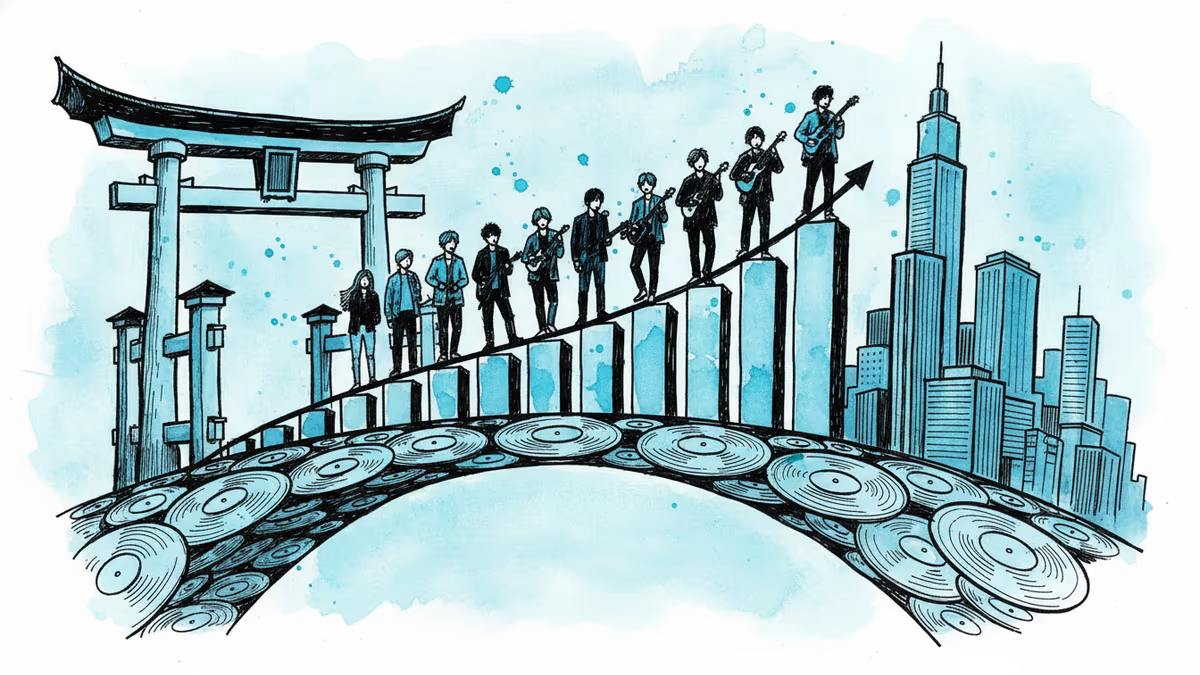
&TEAM's 'We on Fire' debuted on the Billboard 200 for the first time. Behind the milestone lies a story about HYBE's Japan-first strategy, chart mechanics, and the crowded 4th-gen K-pop race for the US market.
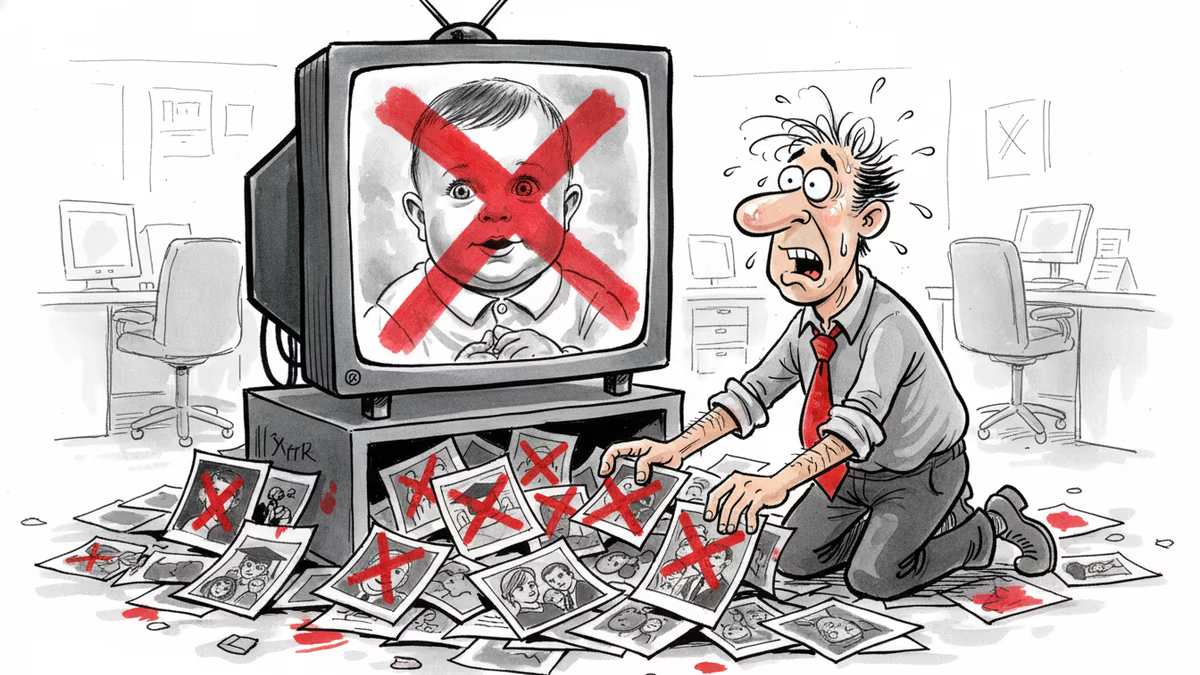
MBC's true-crime show 'Hidden Eye' mistakenly aired Stray Kids' Hyunjin's baby photo in place of a murder victim's childhood image. Five months later, an apology. What does that timeline reveal?
Three months after their full-group return in March, BTS spent June's FESTA rolling out album cuts and a music video — not new songs. Come Over cracked a global top 5 with zero new music behind it. Did the play work?
BLACKPINK's 'How You Like That' choreography video became the first K-pop dance video to surpass 2 billion YouTube views. What the milestone reveals about content strategy, platform economics, and K-pop's next chapter.
&TEAM's 'We on Fire' debuted on the Billboard 200 for the first time. Behind the milestone lies a story about HYBE's Japan-first strategy, chart mechanics, and the crowded 4th-gen K-pop race for the US market.
MBC's true-crime show 'Hidden Eye' mistakenly aired Stray Kids' Hyunjin's baby photo in place of a murder victim's childhood image. Five months later, an apology. What does that timeline reveal?
Thoughts
Share your thoughts on this article
Sign in to join the conversation