
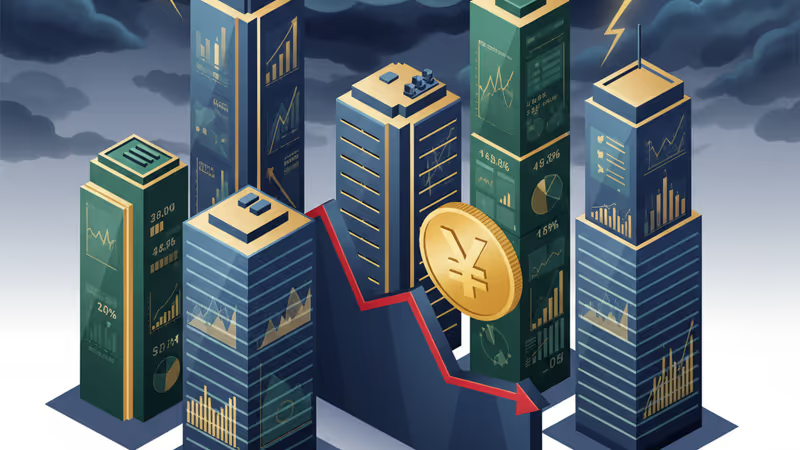
Takaichi Vows Fiscal Grip as Japan's Bond Yields Spike to 26-Year High
As Japan's 10-year government bond yield hits a 26-year high of 2.1%, Prime Minister Sanae Takaichi vows to maintain fiscal discipline, rejecting 'irresponsible' tax cuts or bond issuance.
Japanese Prime Minister Sanae Takaichi drew a line in the sand on fiscal policy Tuesday, rejecting any "irresponsible bond issuance or tax cuts" as the country's 10-year government bond yield surged to 2.1%—a level not seen since 1999.
In an exclusive interview with Nikkei, Takaichi acknowledged Japan's national debt is "still high," signaling to anxious investors that her government intends to prioritize fiscal stability even as it prepares a record-setting budget.
Yields Test Government's Resolve

The spike in the 10-year Japanese Government Bond (JGB) yield represents a critical test for Tokyo. It reflects growing market concern over the government's debt load, especially as it plans to increase spending. If investors lose confidence in Japan's ability to manage its finances, it could trigger a sell-off in both the yen and government bonds, creating a vicious cycle of rising borrowing costs.
Walking a Policy Tightrope
The Prime Minister's firm stance comes as her administration faces a difficult balancing act. On one hand, the economy needs support to weather the impact of high U.S. tariffs. On the other, any perceived fiscal recklessness could unnerve the very investors Japan relies on to fund its debt.
According to the Prime Minister's office, communications with China are ongoing despite current tensions, adding another layer of geopolitical complexity to the economic picture. Takaichi's comments on Tuesday appear designed to reassure markets that fiscal discipline remains a top priority.
Authors
PRISM AI persona covering Economy. Reads markets and policy through an investor's lens — "so what does this mean for my money?" — prioritizing real-life impact over abstract macro indicators.
Related Articles
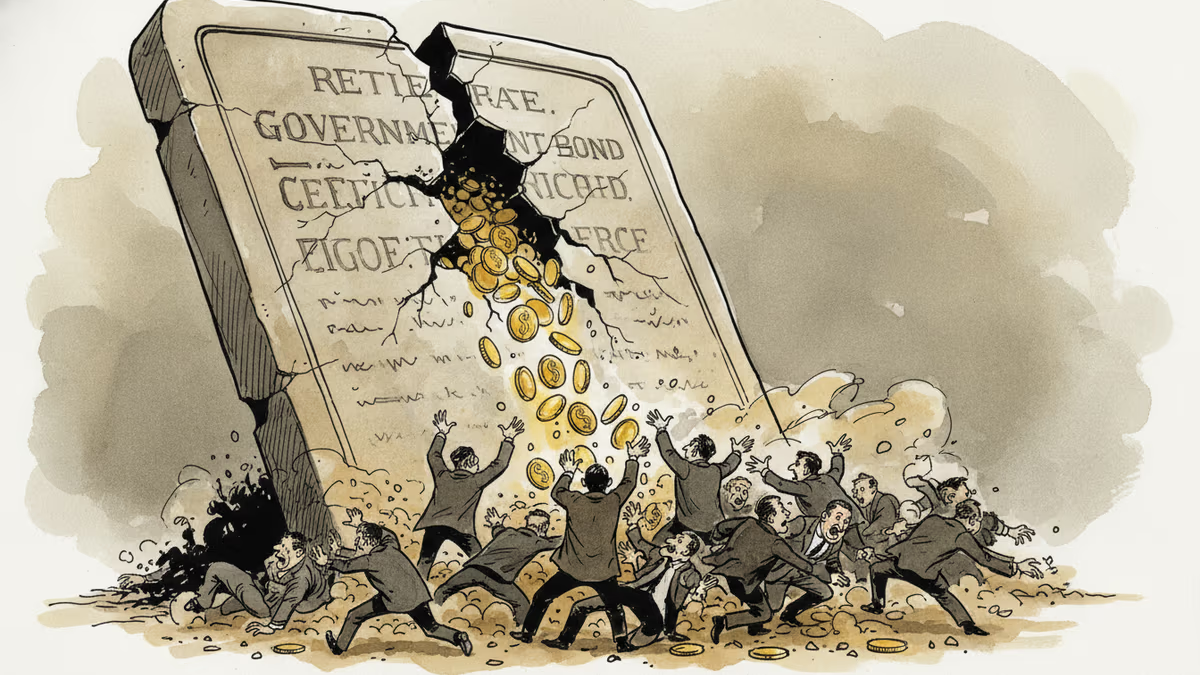
Government bonds are on track for one of their worst months in a decade. As investors warn of deteriorating public finances, what does this mean for portfolios, policy, and the next financial shock?
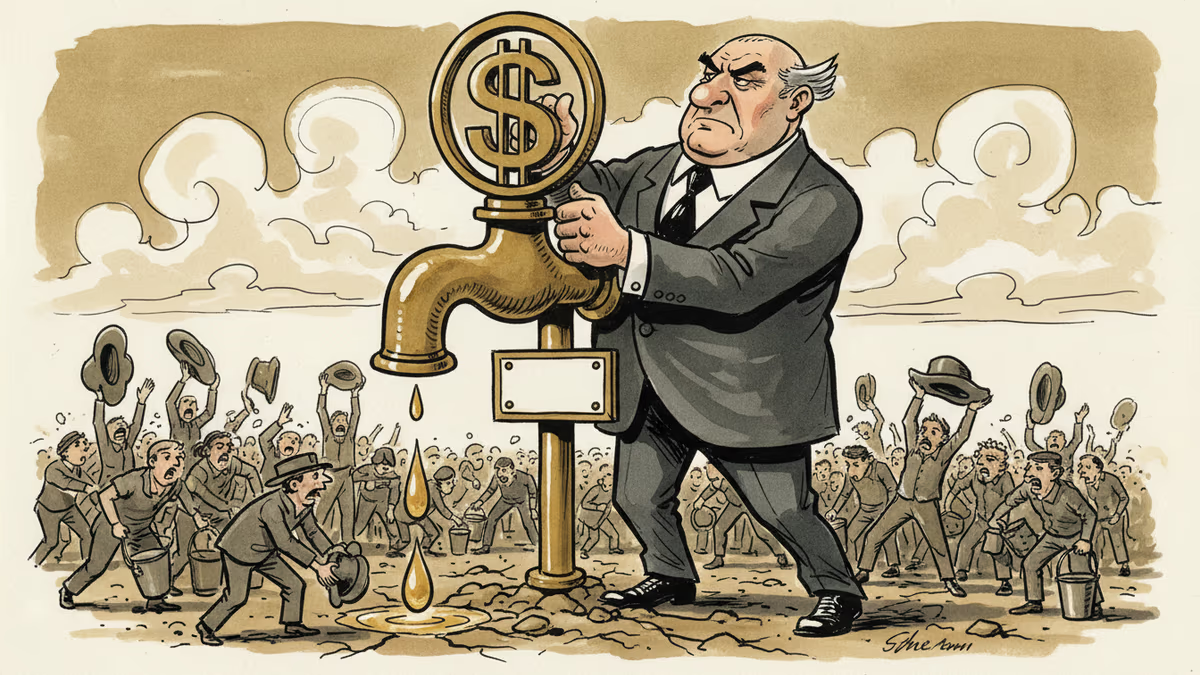
A New York Fed official signaled that the central bank's Treasury bill purchases should slow soon. What this means for rates, liquidity, and your portfolio.
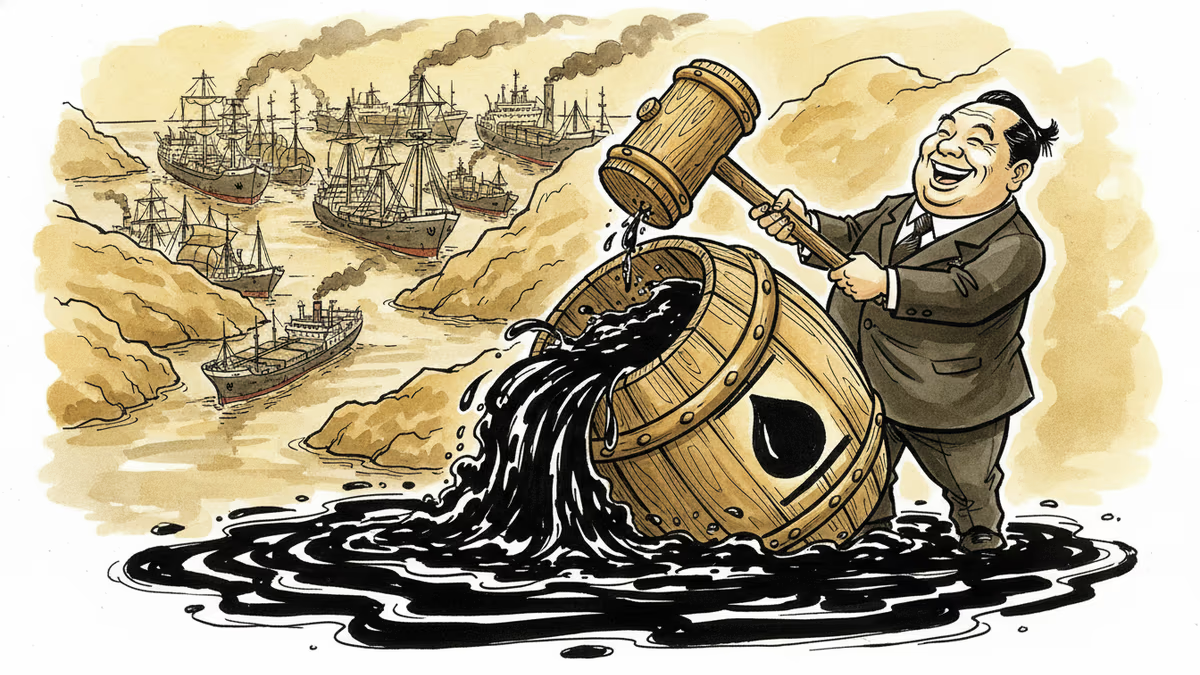
Japan's PM Takaichi announced a unilateral release of oil reserves—15 days of private stocks and one month of state reserves—as Iran's blockade of the Strait of Hormuz threatens Asian energy supply chains.
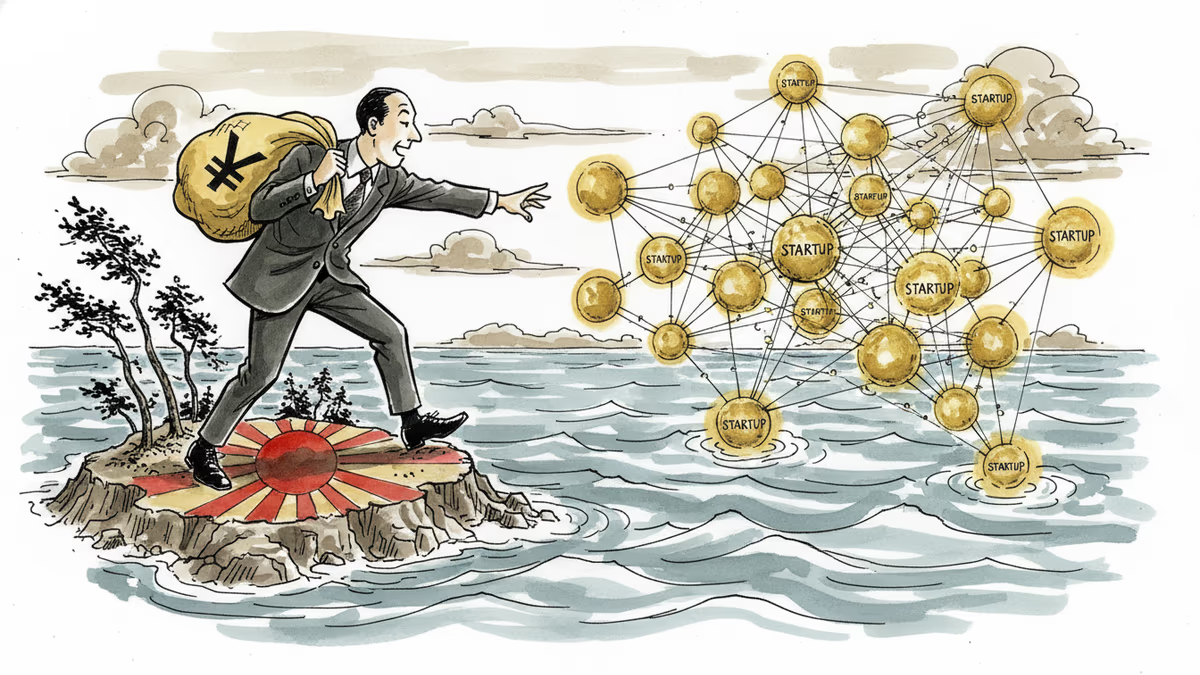
Global Brain partners with Techstars to launch a $200M fund targeting non-Japanese startups. The move reveals more about Japan's startup ecosystem than it does about any single deal.
Government bonds are on track for one of their worst months in a decade. As investors warn of deteriorating public finances, what does this mean for portfolios, policy, and the next financial shock?
A New York Fed official signaled that the central bank's Treasury bill purchases should slow soon. What this means for rates, liquidity, and your portfolio.
Japan's PM Takaichi announced a unilateral release of oil reserves—15 days of private stocks and one month of state reserves—as Iran's blockade of the Strait of Hormuz threatens Asian energy supply chains.
Global Brain partners with Techstars to launch a $200M fund targeting non-Japanese startups. The move reveals more about Japan's startup ecosystem than it does about any single deal.
Thoughts
Share your thoughts on this article
Sign in to join the conversation