
#Japan
Total 124 articles

Korea logged 24,275 births in July. Taiwan and China fell by double digits; Japan reads two ways. We ask whether the rebound is cohort size or policy.
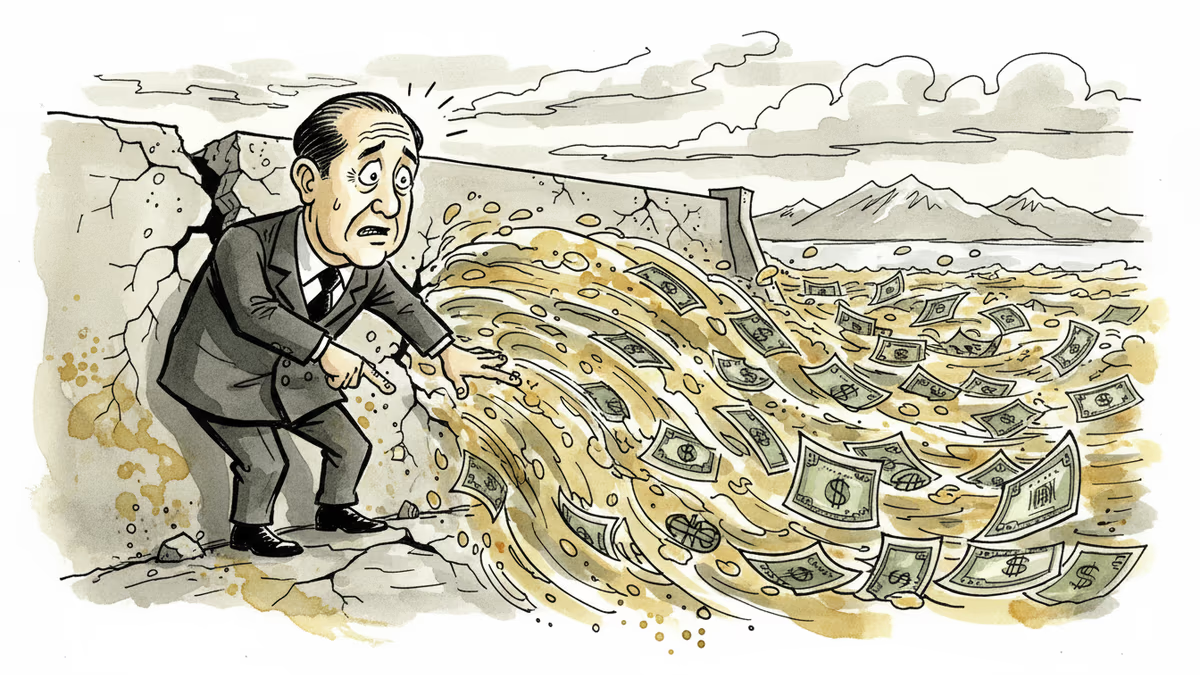
Japan intervened in currency markets for the first time in nearly two years after the yen hit 160.72 per dollar. We unpack what it means for investors, trade, and the limits of intervention.

Fifteen years after Fukushima, the global nuclear community speaks of lessons learned. But whose lessons? And at whose expense? A critical look at how disaster narratives erase victims.

PRISM by Liabooks
Place your ad in this space
[email protected]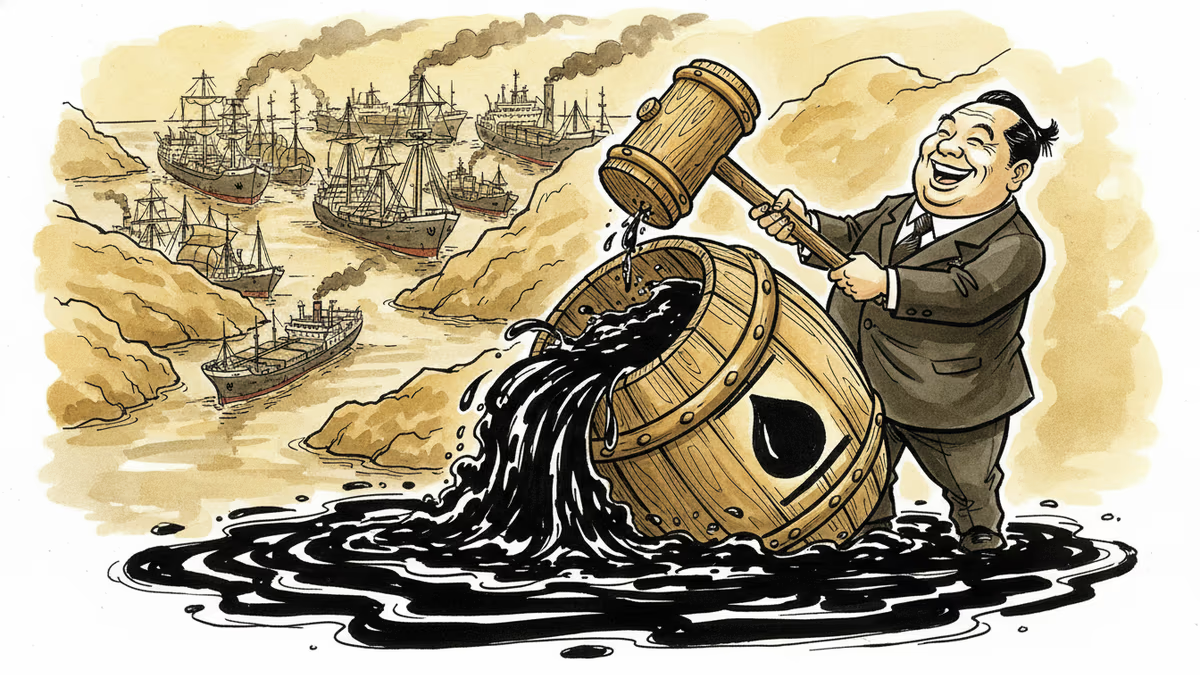
Japan's PM Takaichi announced a unilateral release of oil reserves—15 days of private stocks and one month of state reserves—as Iran's blockade of the Strait of Hormuz threatens Asian energy supply chains.
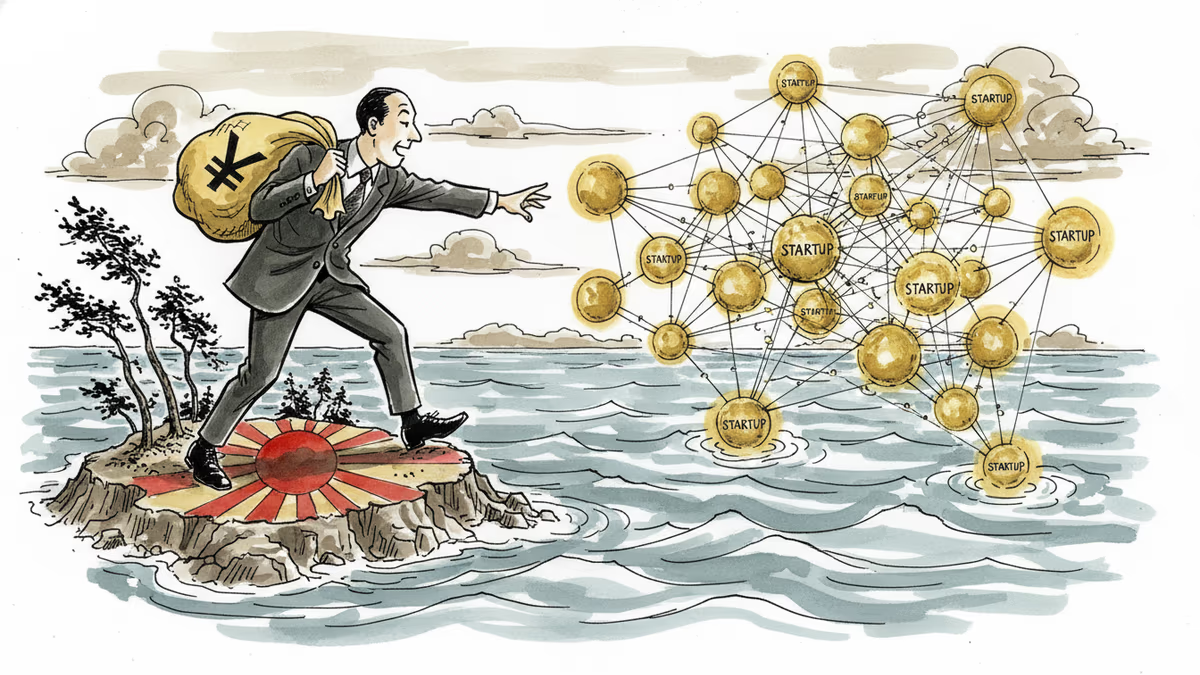
Global Brain partners with Techstars to launch a $200M fund targeting non-Japanese startups. The move reveals more about Japan's startup ecosystem than it does about any single deal.
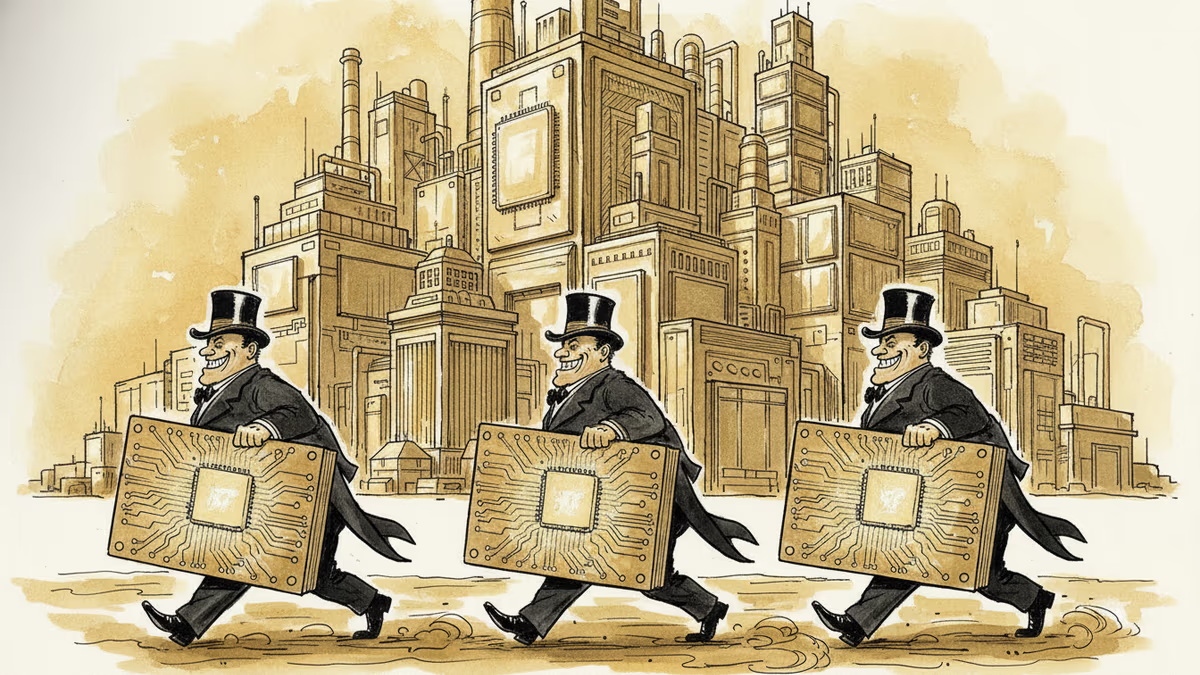
Japan's three largest banks are building dedicated semiconductor lending teams as the country's $50bn chip industry accelerates. What does this mean for investors and the global chip race?
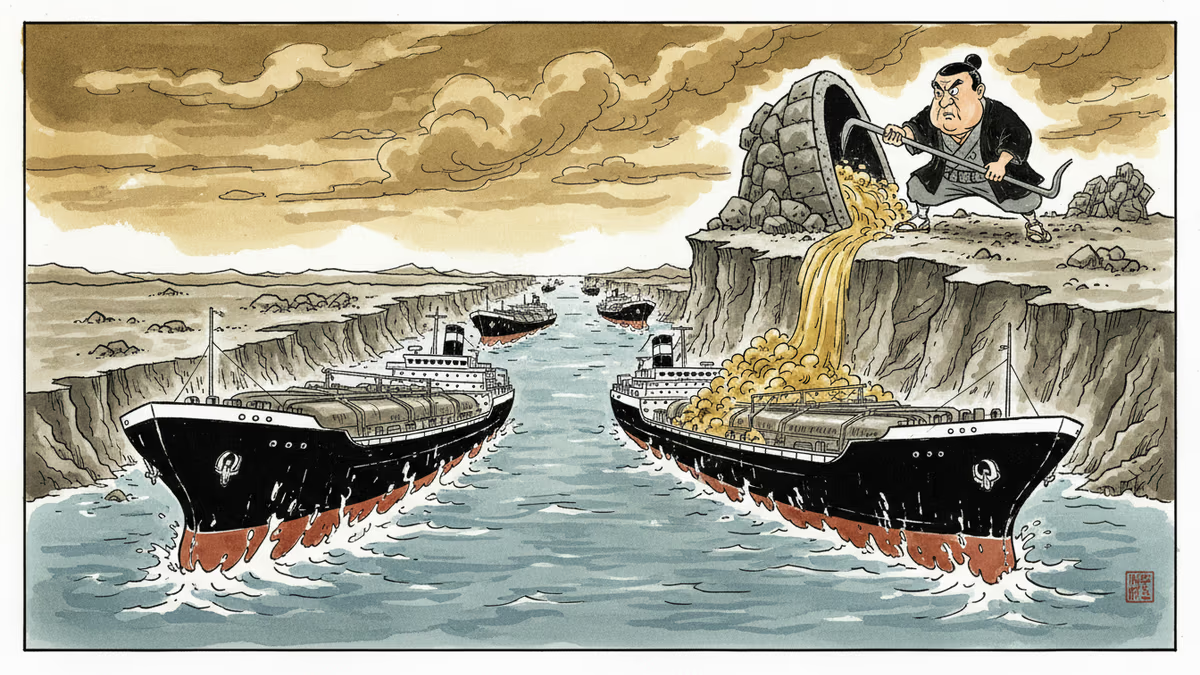
Japan has ordered preparations to release its strategic oil reserves as the Hormuz standoff threatens to cut off the crude supply that powers Asia's third-largest economy. Here's what it means for energy markets and your wallet.
PRISM by Liabooks
Place your ad in this space
[email protected]
Fifteen years after Japan's 2011 earthquake and tsunami, Tohoku communities are sharing hard-won lessons with foreign visitors in multiple languages. What happens when trauma becomes a global curriculum?
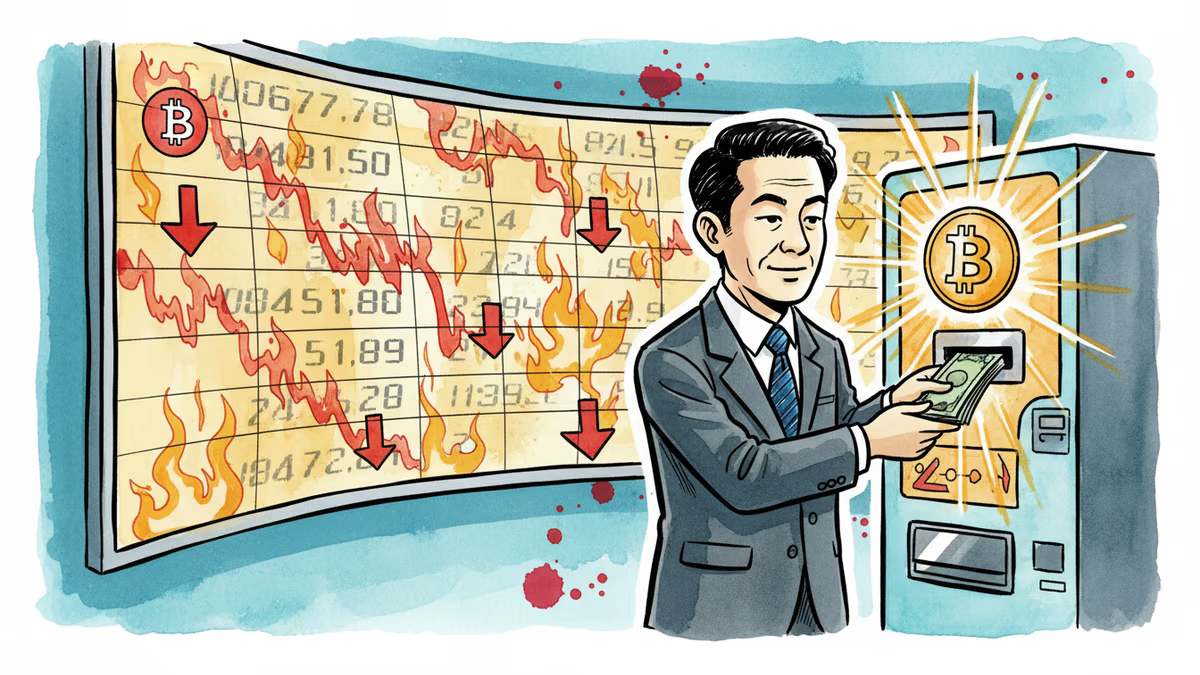
As oil prices spiked 25% and the Nikkei tumbled 6.5%, Japanese traders piled into crypto — pushing Bitflyer volumes up 200%, far outpacing Binance and Coinbase. Here's what that tells us.
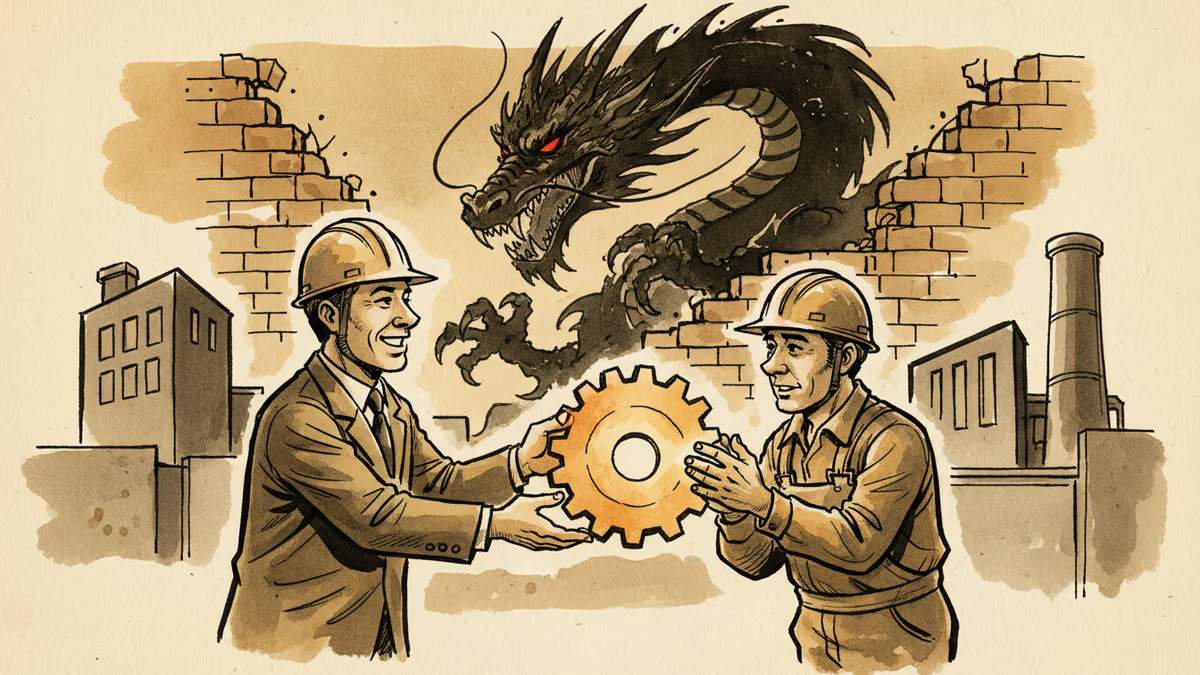
Japan is transferring rare-earth refining technology to Malaysia to reduce dependence on China. What does this mean for global supply chains, investors, and the critical minerals race?
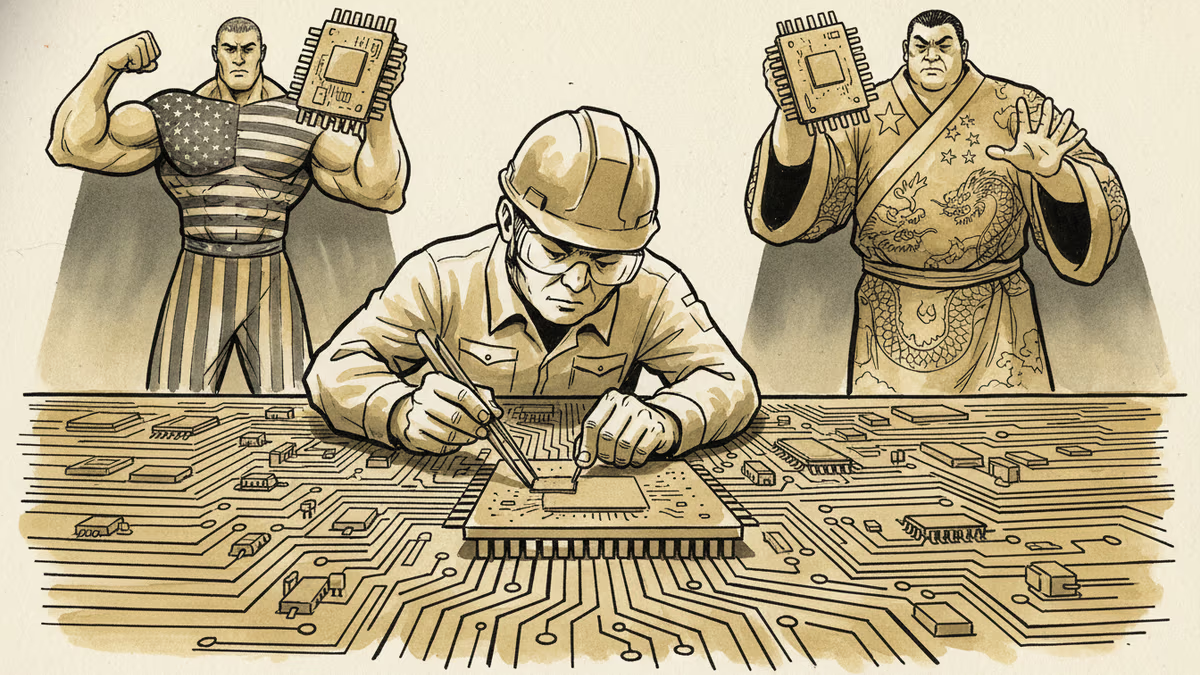
Japan has set a $254 billion domestic semiconductor sales target for 2040, aiming to rival the US and China. But ambition and execution are two very different things. Here's what's really at stake.
PRISM by Liabooks
Place your ad in this space
[email protected]
As China advances ethnic unity legislation, Uyghur rights advocates turn to Japan's popular PM Sanae Takaichi amid waning European support for their cause
