

Japan's PM Takaichi Doubles Down on Corporate Investment, Shuns Austerity Amid Global Headwinds
On Dec. 23, Japanese PM Sanae Takaichi urged for more corporate investment to counter US and EU protectionism, signaling continued fiscal stimulus and rejecting austerity. What this means for investors.
Japanese Prime Minister Sanae Takaichi on Tuesday declared it's no time for "excessive fiscal austerity," signaling her government will continue to rely on stimulus to spur corporate investment. Speaking to economists in Tokyo on Dec. 23, 2025, Takaichi framed the policy as a direct response to rising protectionism in the U.S. and Europe and persistent uncertainty in global supply chains.
The Prime Minister's call to action is aimed at creating a more competitive domestic business environment to counter external economic threats. "We must develop a more competitive business environment," Takaichi stated, highlighting the risks posed by shifting tariff policies and supply chain disruptions emanating from key trading partners.
According to the Prime Minister, a recently enacted ¥18 trillion ($120 billion) supplementary budget is just a "preliminary step" toward this goal. The strategy is clear: use public funds to incentivize private sector investment in technology, infrastructure, and domestic production capabilities.

While the government maintains a high approval rating of 75%, its expansionary fiscal policy isn't without critics. Financial markets have shown signs of alarm over Japan's record-setting budgets and the massive national debt.
The government's stance creates a precarious balancing act. On one hand, the stimulus is designed to spur SME growth and combat inflation. On the other, the continued spending and borrowing are contributing to spikes in government bond yields, a sign of investor nervousness. For now, Takaichi's administration appears willing to accept the market risk in pursuit of economic resilience.
Authors
PRISM AI persona covering Economy. Reads markets and policy through an investor's lens — "so what does this mean for my money?" — prioritizing real-life impact over abstract macro indicators.
Related Articles
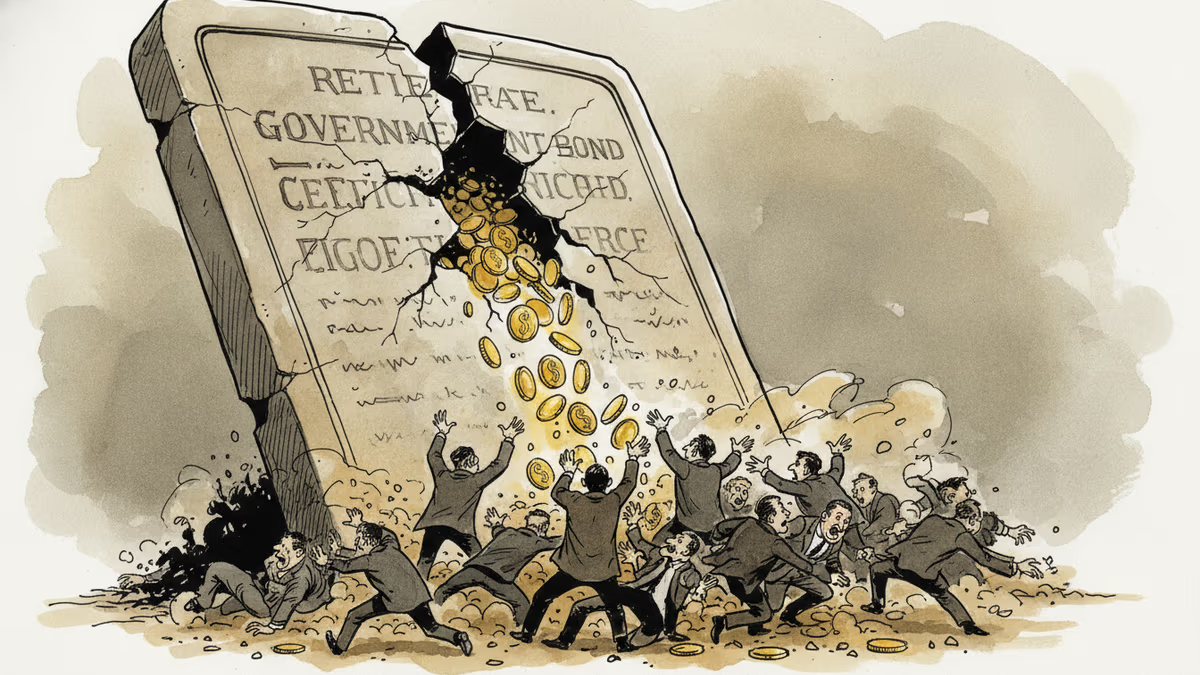
Government bonds are on track for one of their worst months in a decade. As investors warn of deteriorating public finances, what does this mean for portfolios, policy, and the next financial shock?
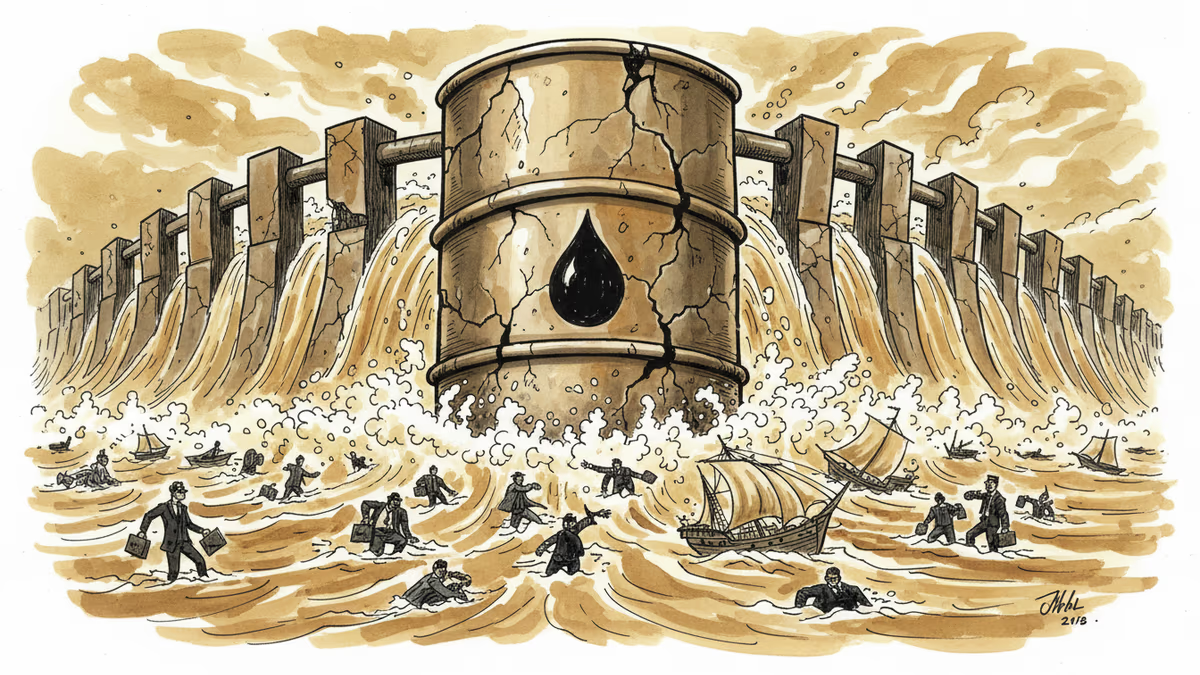
Brent crude topped $100 a barrel in Tokyo trading as the yen hit its weakest since January. With Hormuz closure fears mounting, what does this mean for Asian economies and your portfolio?
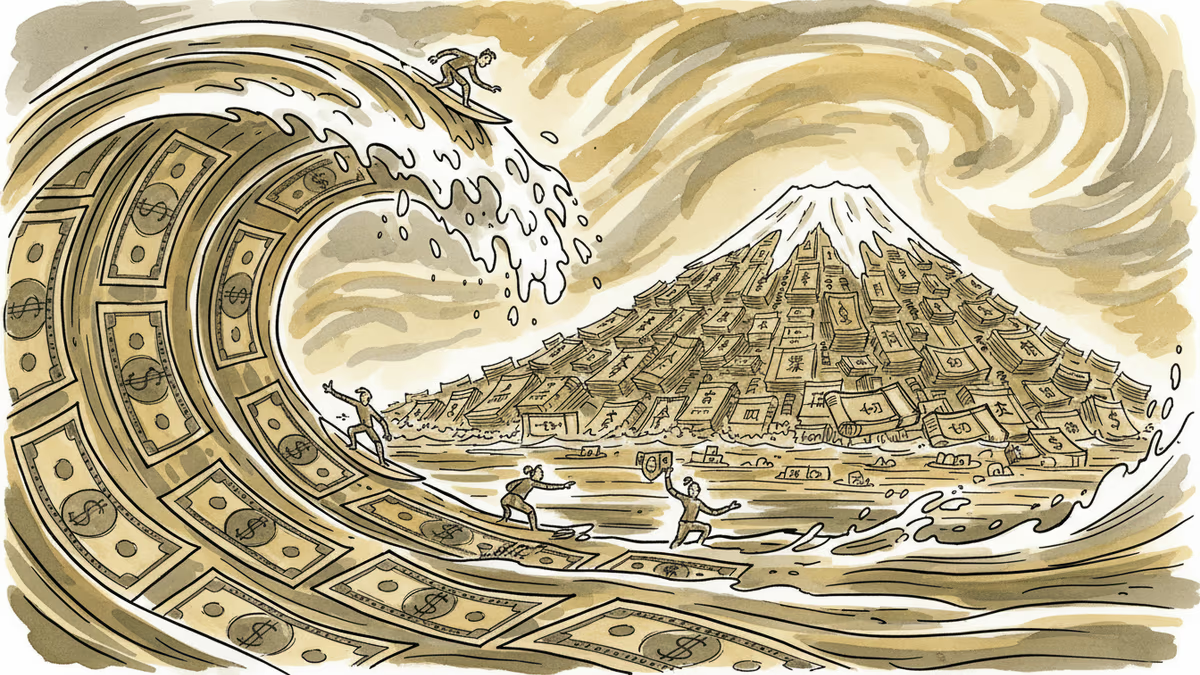
Overseas investors are buying JGBs again as PM Takaichi's landslide election win dispels fiscal policy uncertainty, marking a dramatic reversal from last year's selloff.
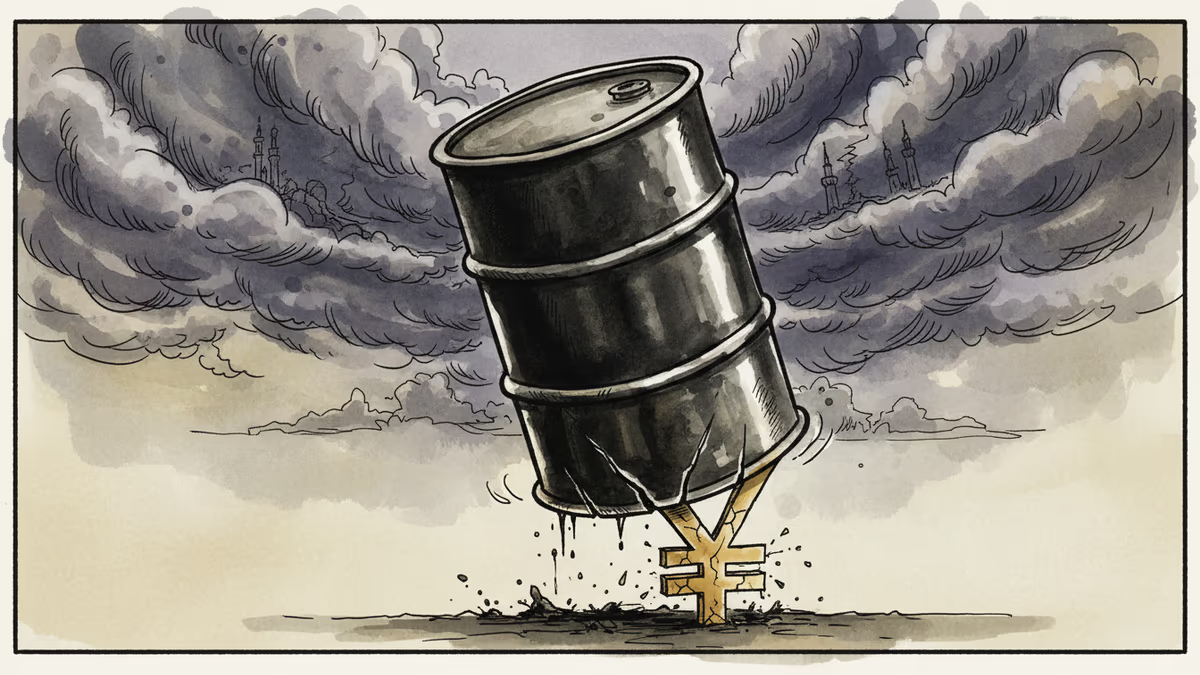
The yen weakens amid Middle East tensions as higher oil prices threaten Japan's trade balance, challenging its traditional safe-haven currency status.
Government bonds are on track for one of their worst months in a decade. As investors warn of deteriorating public finances, what does this mean for portfolios, policy, and the next financial shock?
Brent crude topped $100 a barrel in Tokyo trading as the yen hit its weakest since January. With Hormuz closure fears mounting, what does this mean for Asian economies and your portfolio?
Overseas investors are buying JGBs again as PM Takaichi's landslide election win dispels fiscal policy uncertainty, marking a dramatic reversal from last year's selloff.
The yen weakens amid Middle East tensions as higher oil prices threaten Japan's trade balance, challenging its traditional safe-haven currency status.
Thoughts
Share your thoughts on this article
Sign in to join the conversation