

iPhone Storage Full? The 80GB 'System Data' Mystery and What You Can Do
The mysterious 'System Data' category is eating up iPhone storage, sometimes taking over 100GB. We explain what it is, why you can't delete it, and the one trick you can try.
Is your iPhone really full of photos and apps? For one user, a mysterious category called 'System Data' ballooned to 80GB, consuming nearly a third of their total storage. This isn't an isolated glitch; it's a hidden problem frustrating users everywhere.
The Ghost in the Machine
When the dreaded 'Storage Full' notification appears, most iPhone users instinctively start deleting photos or offloading unused apps. But the real culprit might be hiding in plain sight. At the very bottom of the iPhone Storage settings, the 'System Data' category can sometimes expand to dozens of gigabytes. One user on Reddit reported it was taking up a massive 128GB on their 256GB device—half their entire storage.
Why You Can't Just Delete It

The most frustrating part is that there's no manual 'Clear' button. Apple states that iOS is designed to automatically monitor and optimize storage, removing temporary files and caches as needed. In short, their official stance is that users don't need to—and can't—manage it themselves.
This data's size is indeed highly volatile. The original article's author saw their 80GB of System Data drop to 50GB overnight. It's because iOS itself decides when and what to clean up.
The Only Trick That Might Work
While there's no official fix, there's one action you can take that may help nudge the automatic cleanup process along: force-closing your unused apps. To do this, swipe up from the bottom of the screen to reveal all your open app windows, then swipe each window up to close it. This signals to the system that the temporary files associated with those apps are no longer needed. It won't clear the data immediately, but it's believed to help the system prioritize the cleanup.
Authors
Related Articles
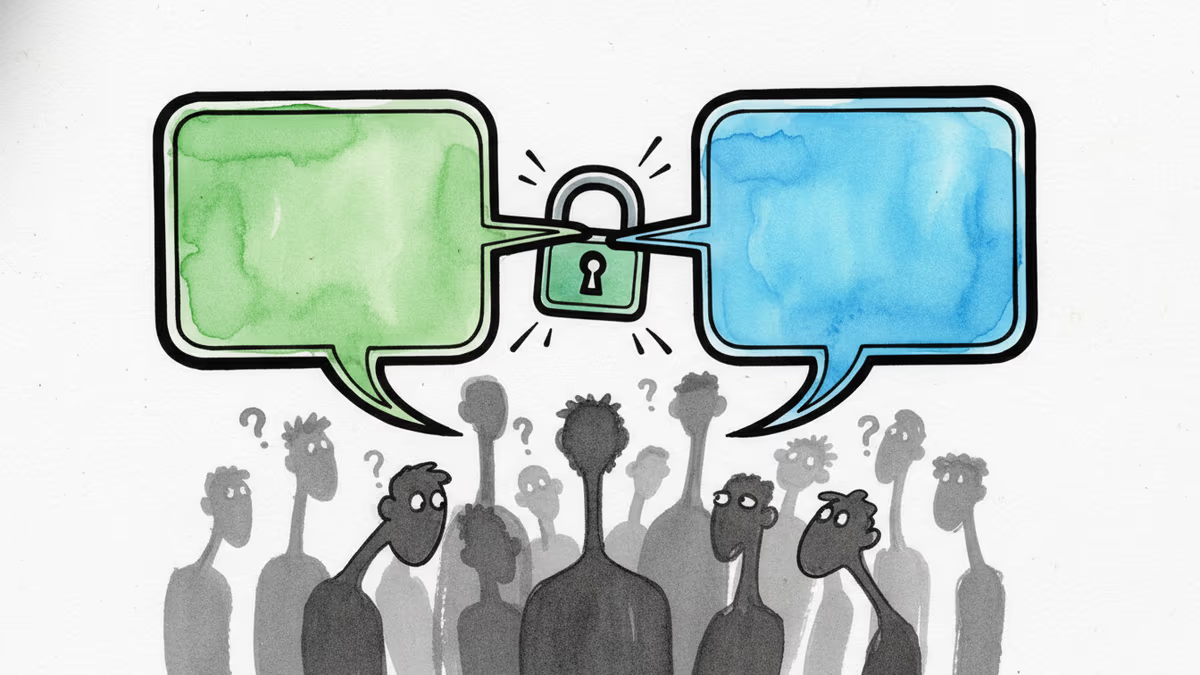
After 15 years of fragmented mobile messaging, Apple and Google are rolling out end-to-end encrypted RCS messaging between iPhones and Android devices. Here's what changed, why it took so long, and what it means for your privacy.
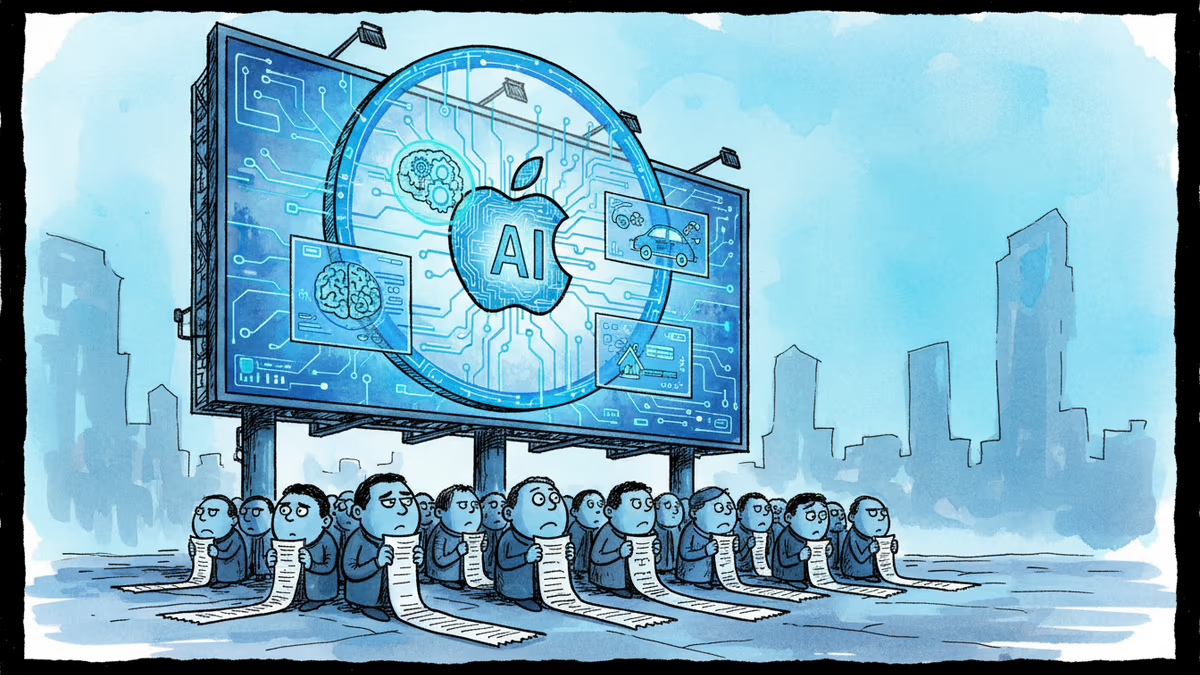
Apple agreed to pay $250 million to settle claims it misled iPhone 16 buyers about Apple Intelligence features. What this means for consumers, Big Tech marketing, and the AI industry.
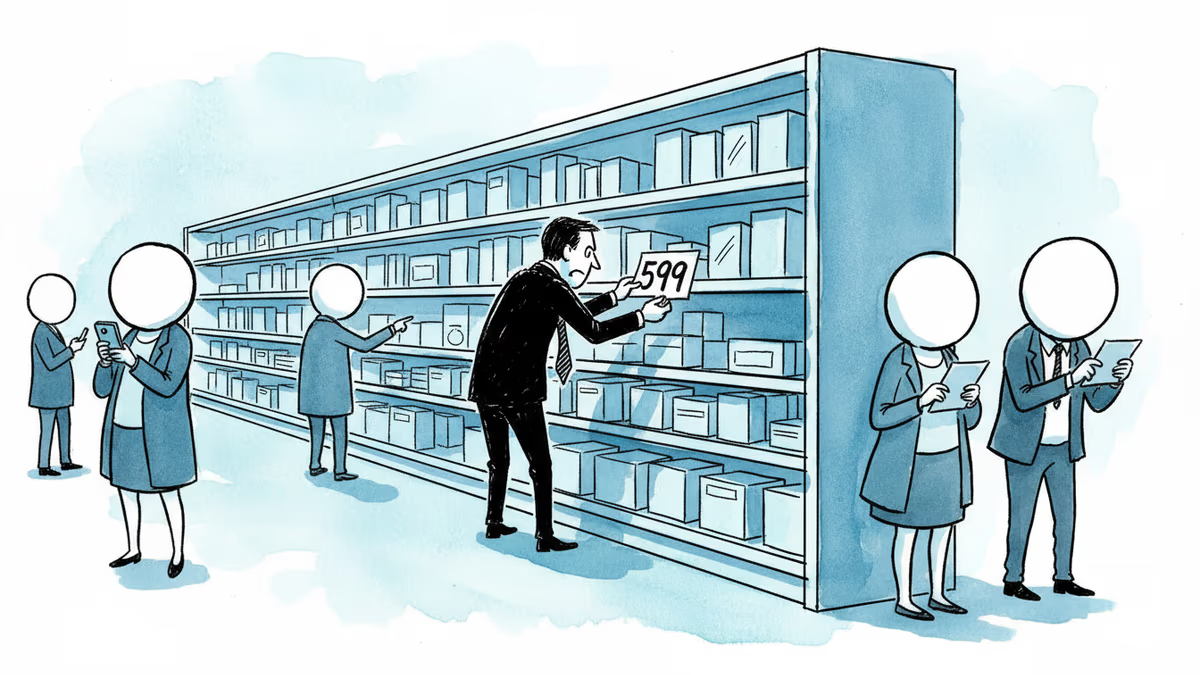
Apple quietly removed the entry-level $599 Mac Mini, raising the starting price to $799 — just one day after Tim Cook warned of chip supply constraints on the earnings call.
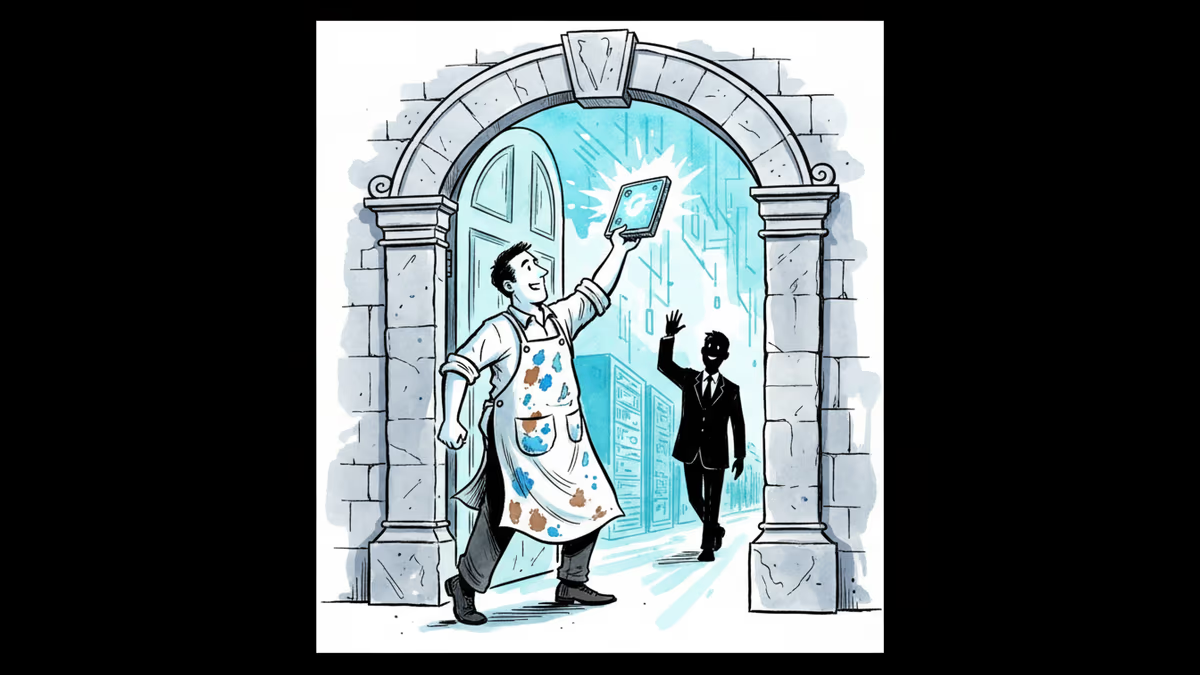
Apple names John Ternus, its hardware engineering chief, as the next CEO. The shift from operator to product person signals where Apple thinks its next decade of growth will come from — and raises real questions about what comes next.
After 15 years of fragmented mobile messaging, Apple and Google are rolling out end-to-end encrypted RCS messaging between iPhones and Android devices. Here's what changed, why it took so long, and what it means for your privacy.
Apple agreed to pay $250 million to settle claims it misled iPhone 16 buyers about Apple Intelligence features. What this means for consumers, Big Tech marketing, and the AI industry.
Apple quietly removed the entry-level $599 Mac Mini, raising the starting price to $799 — just one day after Tim Cook warned of chip supply constraints on the earnings call.
Apple names John Ternus, its hardware engineering chief, as the next CEO. The shift from operator to product person signals where Apple thinks its next decade of growth will come from — and raises real questions about what comes next.
Thoughts
Share your thoughts on this article
Sign in to join the conversation