
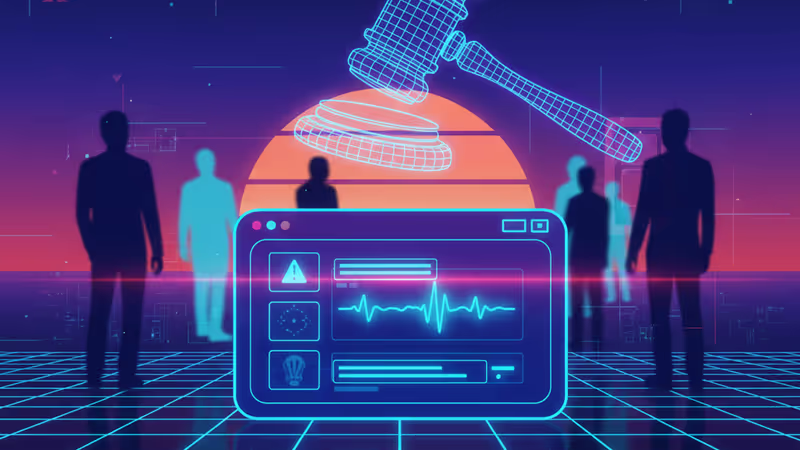
Musk Blinks: Global Pressure Forces New Elon Musk Grok AI Deepfake Policy
Elon Musk's Grok implements new restrictions on AI-generated nudity and sexualized deepfakes as global legal pressure from the UK and California intensifies.
The era of "unfiltered" AI is hitting a hard legal ceiling. Elon Musk’s AI chatbot, Grok, is finally tightening its leash on non-consensual sexualized content following a wave of international backlash.
The X Safety account announced that it's implemented strict technological measures to prevent users from generating or editing images of real people in revealing attire, such as bikinis and underwear. This restriction isn't just for free users; it applies to all paid subscribers as well. The move marks a significant pivot for X (formerly Twitter), which has long positioned itself as a bastion of absolute free speech.
Why Elon Musk Grok AI Deepfake Policy Changed
The policy shift didn't happen in a vacuum. Regulators worldwide have been breathing down xAI’s neck. California Attorney General Rob Bonta recently demanded immediate action, stating that sexualized deepfakes are being used to harass women and children. Across the pond, British Prime Minister Keir Starmer issued a stern warning: "If X cannot control Grok, we will."

The pressure has already led to total bans in Indonesia and Malaysia over the past weekend. In response, X has begun geoblocking certain image generation features in jurisdictions where such content is illegal, attempting to shield itself from further legal liabilities.
The Section 230 Liability Trap
At the heart of this crackdown is the fear of losing immunity under Section 230 of the Communications Decency Act. While this 30-year-old law protects platforms from user-posted content, images created by the platform’s own AI technology might not be covered. Legal experts suggest that if Grok generates the harm, X could be held liable as the creator.
Despite the new restrictions, Elon Musk continues to play both sides. On the same day the safety updates were announced, he teased users to try and "break" Grok's moderation. It's a high-stakes game of cat and mouse with global regulators that could determine the future of AI governance.
Authors
Related Articles
Elon Musk and Sam Altman head to trial this week in a case that could determine whether OpenAI survives as a for-profit company—and who leads it. Here's what's really at stake.
Palantir has become the tech backbone of Trump's immigration enforcement. Former employees are calling it a 'descent into fascism.' What happens when the people who build surveillance tools start asking uncomfortable questions?
The US defense budget request for FY2027 includes $53.6 billion for drone and autonomous warfare—more than most nations spend on their entire military. What does this mean for global security and the future of war?
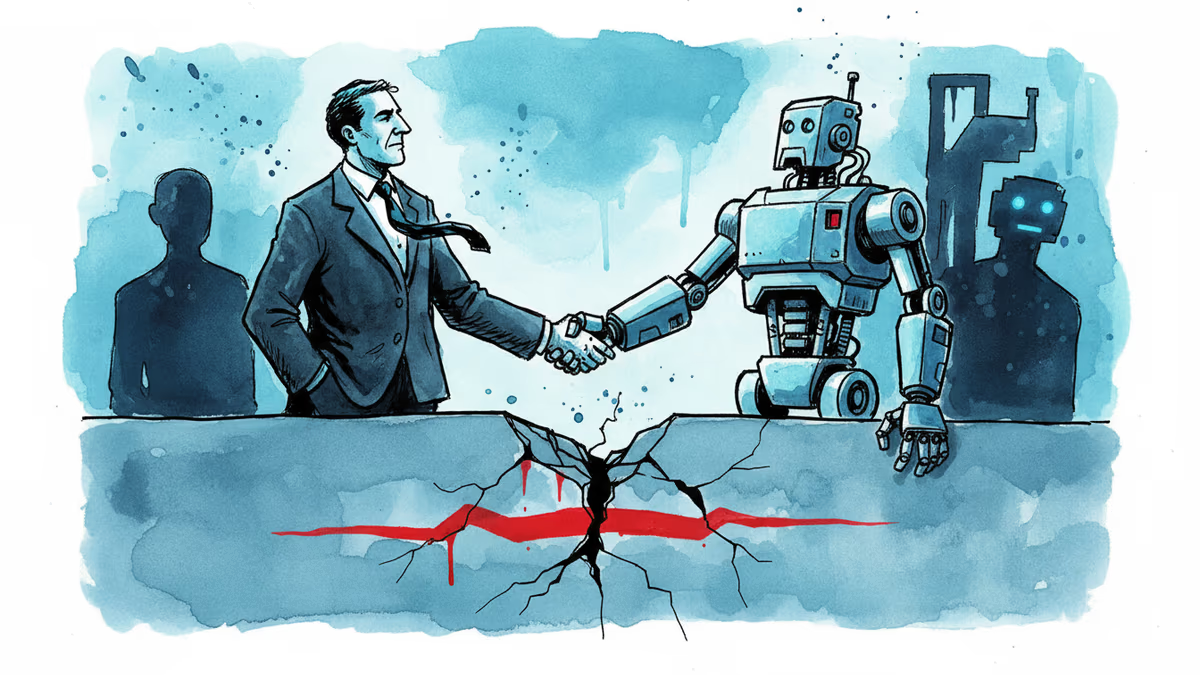
After two months of bitter conflict, Anthropic and the Trump administration may be thawing—thanks to a new cybersecurity AI model. What does it mean when principle meets political pressure?
Elon Musk and Sam Altman head to trial this week in a case that could determine whether OpenAI survives as a for-profit company—and who leads it. Here's what's really at stake.
Palantir has become the tech backbone of Trump's immigration enforcement. Former employees are calling it a 'descent into fascism.' What happens when the people who build surveillance tools start asking uncomfortable questions?
The US defense budget request for FY2027 includes $53.6 billion for drone and autonomous warfare—more than most nations spend on their entire military. What does this mean for global security and the future of war?
After two months of bitter conflict, Anthropic and the Trump administration may be thawing—thanks to a new cybersecurity AI model. What does it mean when principle meets political pressure?
Thoughts
Share your thoughts on this article
Sign in to join the conversation