

Google Photos Me Meme AI 2026: Turn Your Selfies into Viral Memes
Google Photos launches 'Me Meme,' an AI feature that puts you in famous meme templates. Learn about the Gemini Nano Banana tech and how to use it in 2026.
Your face is about to go viral—or at least become your favorite inside joke. On January 23, 2026, Google officially introduced 'Me Meme,' a generative AI-powered feature that lets users insert themselves into famous meme templates.
Google Photos Me Meme AI 2026 Features and Availability
According to reports from TechCrunch, this experimental feature is powered by the 'Nano Banana' version of Google's Gemini AI. Originally spotted in development by Android Authority back in late 2025, the tool is now rolling out to U.S.-based users on both iOS and Android.

How to Use Me Meme
The process is straightforward. Users can find the feature under the 'Create' tab in the Google Photos app. You select a template, tap 'add photo,' and hit 'Generate.' The AI then attempts to blend your likeness into the chosen meme. While it's currently an experimental release, Google says it'll reach most U.S. users over the coming weeks.
This move highlights a growing trend where tech giants focus on 'unserious' AI tools to boost user retention. By making the app a place for play rather than just storage, Google aims to keep users away from competitors like OpenAI, whose Sora app has seen success with similar personalized video features.
Authors
Related Articles
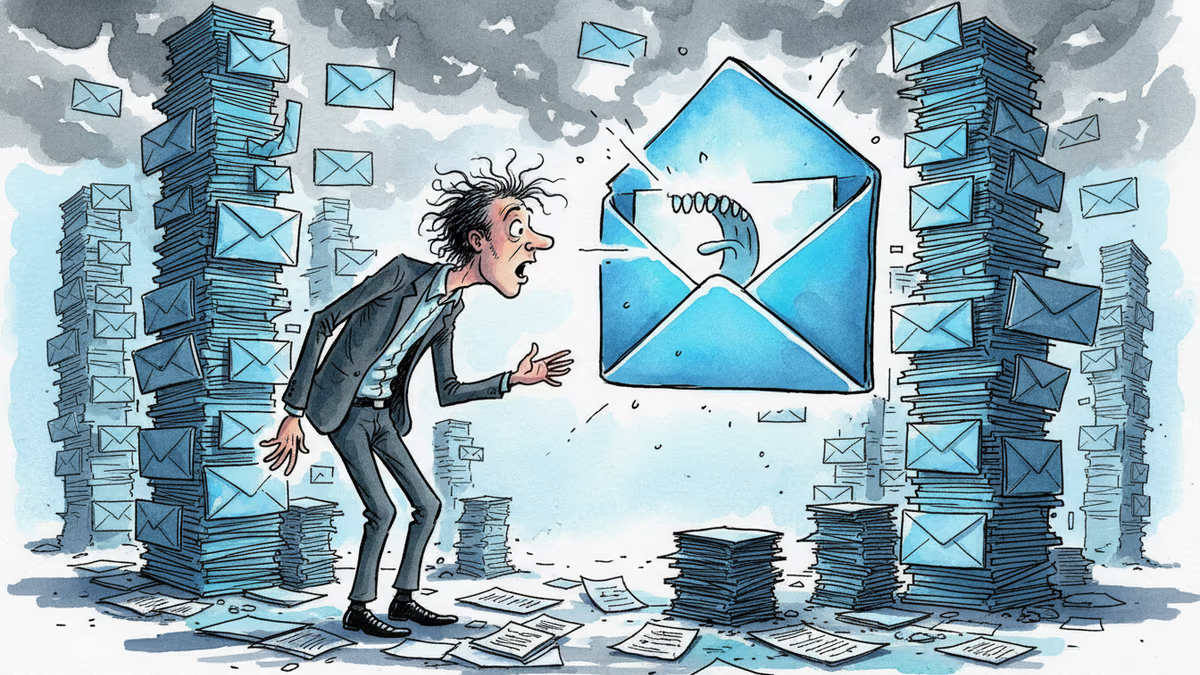
Google's Gmail Live lets you ask your inbox questions out loud. Announced at I/O 2026, it's AI's pitch to skeptics — and a reminder of how much Google already knows about you.
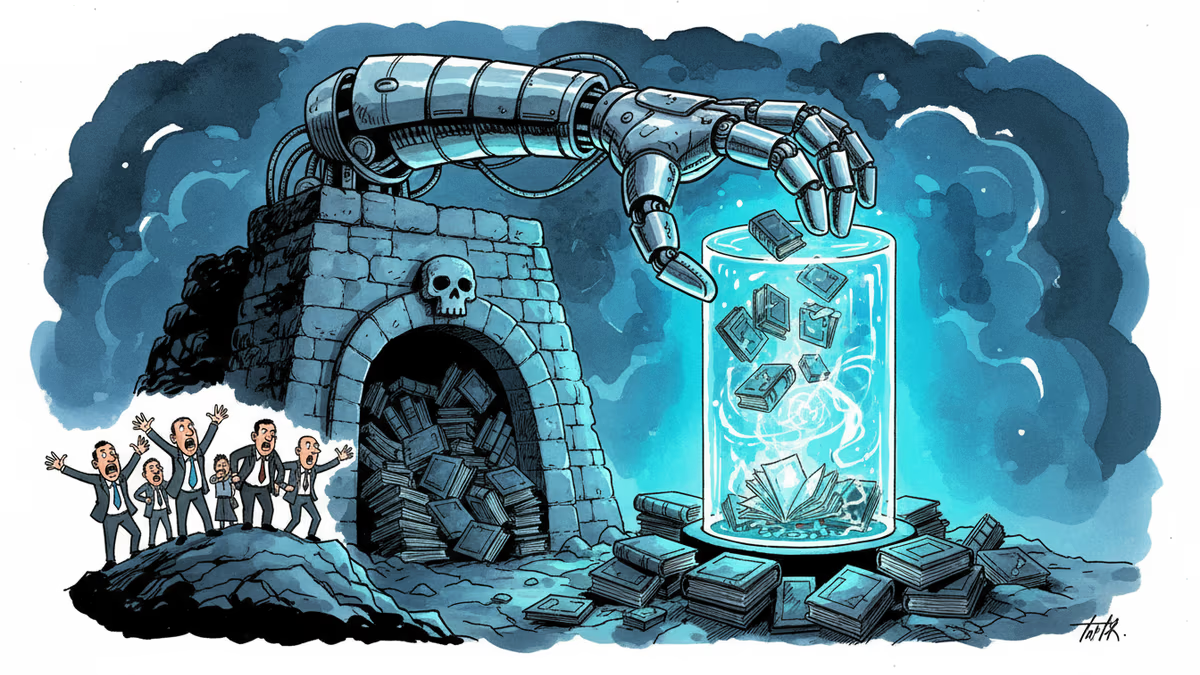
Five major publishers and author Scott Turow have filed a class action lawsuit against Meta, alleging the company used illegal pirate sites like LibGen to train its Llama AI models without permission.
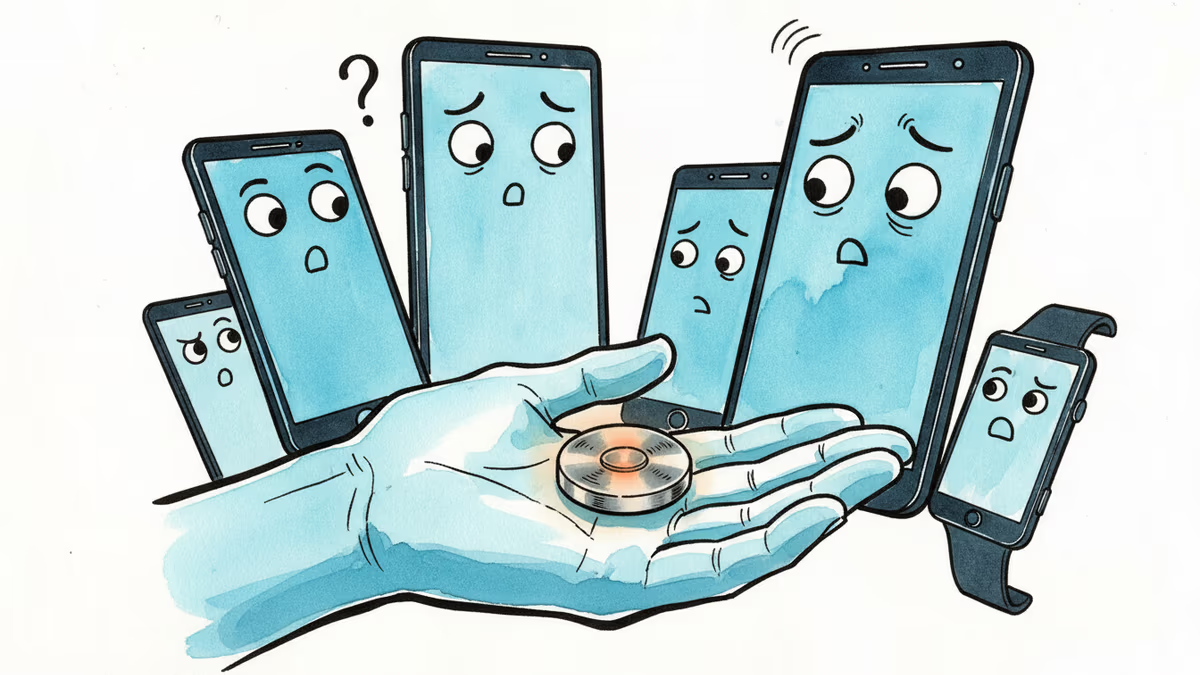
Two ex-Apple engineers built an AI puck that only listens when you press it. At $179, Button is a deliberate bet that dedicated AI hardware beats the Swiss Army knife approach of smartphones.
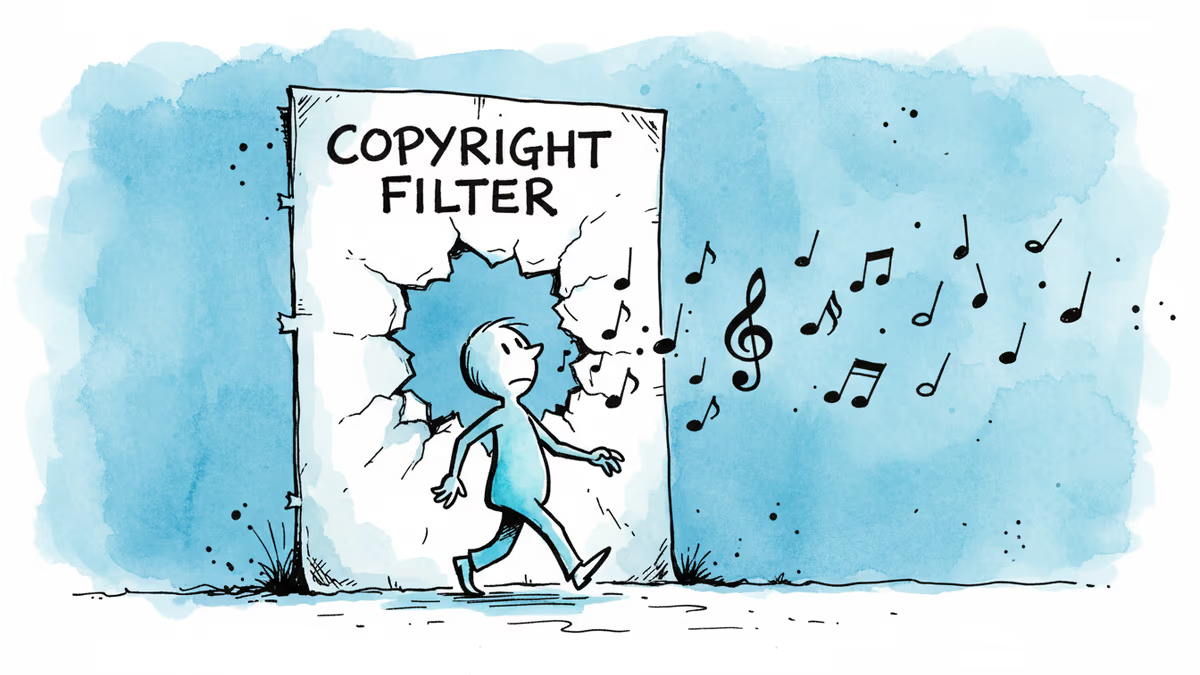
Suno's AI music platform claims to block copyrighted content, but researchers found its filters can be bypassed with minimal effort and free tools, generating near-identical imitations of Beyoncé, Black Sabbath, and more.
Google's Gmail Live lets you ask your inbox questions out loud. Announced at I/O 2026, it's AI's pitch to skeptics — and a reminder of how much Google already knows about you.
Five major publishers and author Scott Turow have filed a class action lawsuit against Meta, alleging the company used illegal pirate sites like LibGen to train its Llama AI models without permission.
Two ex-Apple engineers built an AI puck that only listens when you press it. At $179, Button is a deliberate bet that dedicated AI hardware beats the Swiss Army knife approach of smartphones.
Suno's AI music platform claims to block copyrighted content, but researchers found its filters can be bypassed with minimal effort and free tools, generating near-identical imitations of Beyoncé, Black Sabbath, and more.
Thoughts
Share your thoughts on this article
Sign in to join the conversation