
Super Bowl AI Ads Failed Spectacularly. Here's Why
Despite improved AI technology, 2026 Super Bowl commercials using generative AI failed to demonstrate real value to consumers, focusing on tech showcase over practical benefits.
$100 Million Spent to Make AI Look Pointless
This year's Super Bowl was drowning in AI-generated commercials. But instead of showcasing artificial intelligence as revolutionary, brands accidentally highlighted its limitations. Coca-Cola, Doritos, BMW, and others rushed to display their AI capabilities, only to leave viewers asking: "So what?"
The irony is thick. AI video generation has genuinely improved over the past year—sophisticated enough that major brands felt comfortable attaching their names to AI-derived footage. Yet every single attempt fell flat.
The Fundamental Misunderstanding
Brands treated AI as the message instead of the medium. They got so excited about being able to create with AI that they forgot to ask why they should.
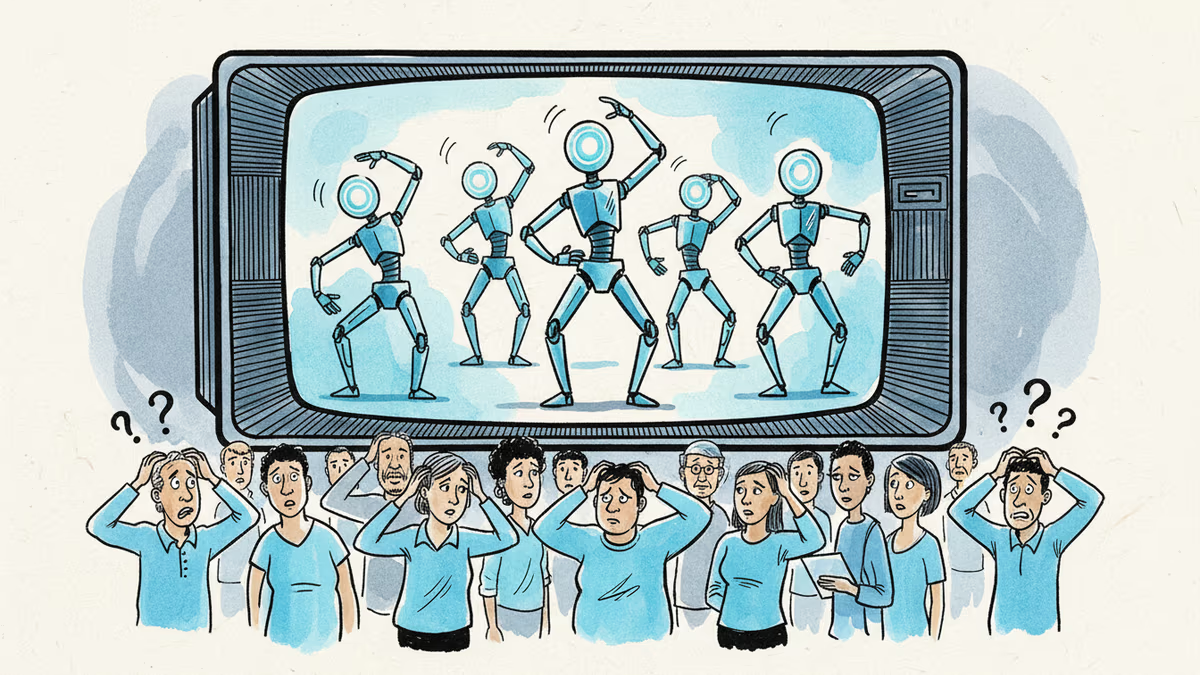
Budweiser's AI-generated dancing beer bottles exemplify this confusion. The commercial showcased decent AI animation, but viewers were left wondering why this couldn't have been done with traditional CGI or live action—and done better.
The pattern was consistent across brands: impressive technology demonstrations that solved no actual problems.
What Consumers Actually Saw
While brands celebrated their technical achievements, audiences experienced something else entirely. The AI-generated content felt hollow, lacking the human insight that makes advertising memorable.

Successful AI products like ChatGPT and Midjourney never led with "Look, we're AI!" They solved real problems first, then users discovered the technology behind the solution. These Super Bowl ads reversed that formula—and it showed.
The Cost of Being First
Using AI for production was undoubtedly cheaper and faster than traditional methods. But "cost-effective" doesn't automatically translate to "effective." Brands saved money on the backend while potentially damaging their message on the frontend.
This creates a dangerous precedent. As AI tools become more accessible, the temptation to use them simply because they exist will only grow. But accessibility isn't the same as appropriateness.
What Actually Works in AI Marketing
The few AI implementations that resonate with consumers share common traits:
- They solve specific user problems
- The AI component enhances rather than replaces human creativity
- They focus on outcomes, not processes
Consumers don't care if their personalized shopping recommendations come from AI—they care that the recommendations are accurate. They don't need to know their customer service chat is AI-powered—they want quick, helpful responses.
The Regulatory Shadow
There's another layer here that brands might be missing. As AI regulation tightens globally, companies that built their marketing around "AI-first" messaging may find themselves in awkward positions. What happens when AI disclosure requirements make these campaigns feel dated or problematic?
Smart brands are already thinking beyond the current AI hype cycle, focusing on sustainable value propositions that don't depend on technological novelty.
Authors
Related Articles

Samsung and SK unveiled a chip and AI investment package worth thousands of trillions of won on June 29. The headline number swings wildly by outlet, but the real contest isn't capital — it's water and power.

Viral videos show 2026 graduates jeering executives who praise AI at commencement ceremonies. It's not just rudeness — it's a signal about who pays for technological optimism.
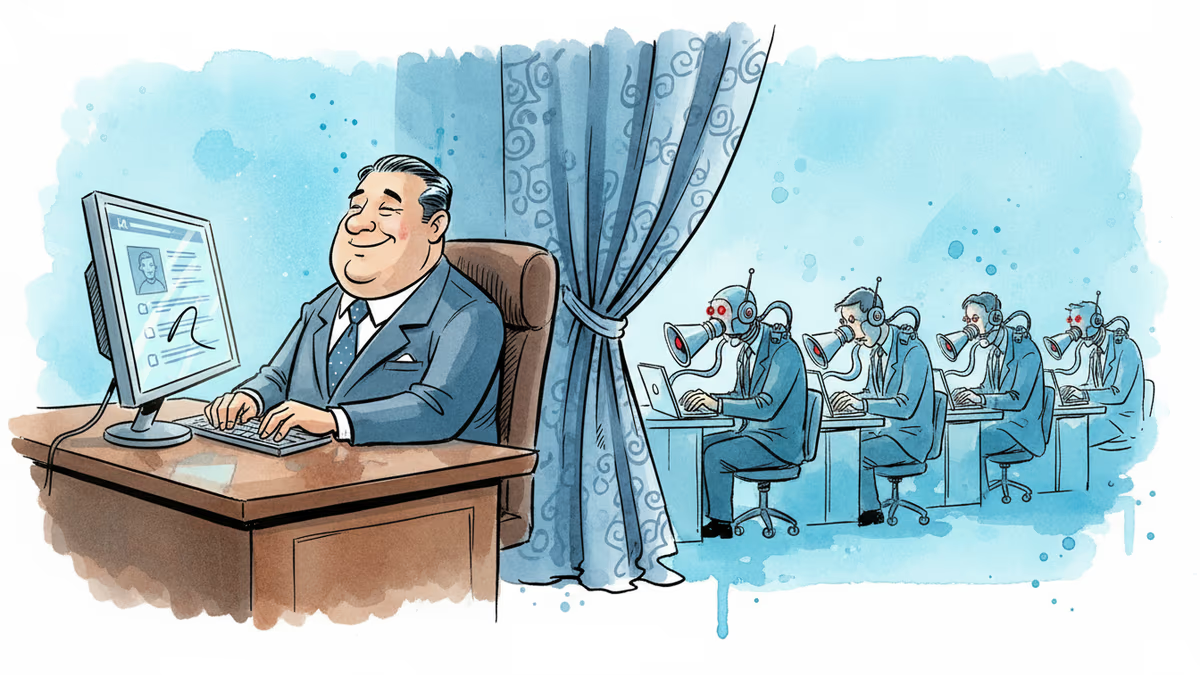
Filipino virtual assistants using AI to ghost-manage LinkedIn profiles for executives is now a structured industry. 30 comments a day, fake engagement rings, and a platform struggling to tell real from fabricated.
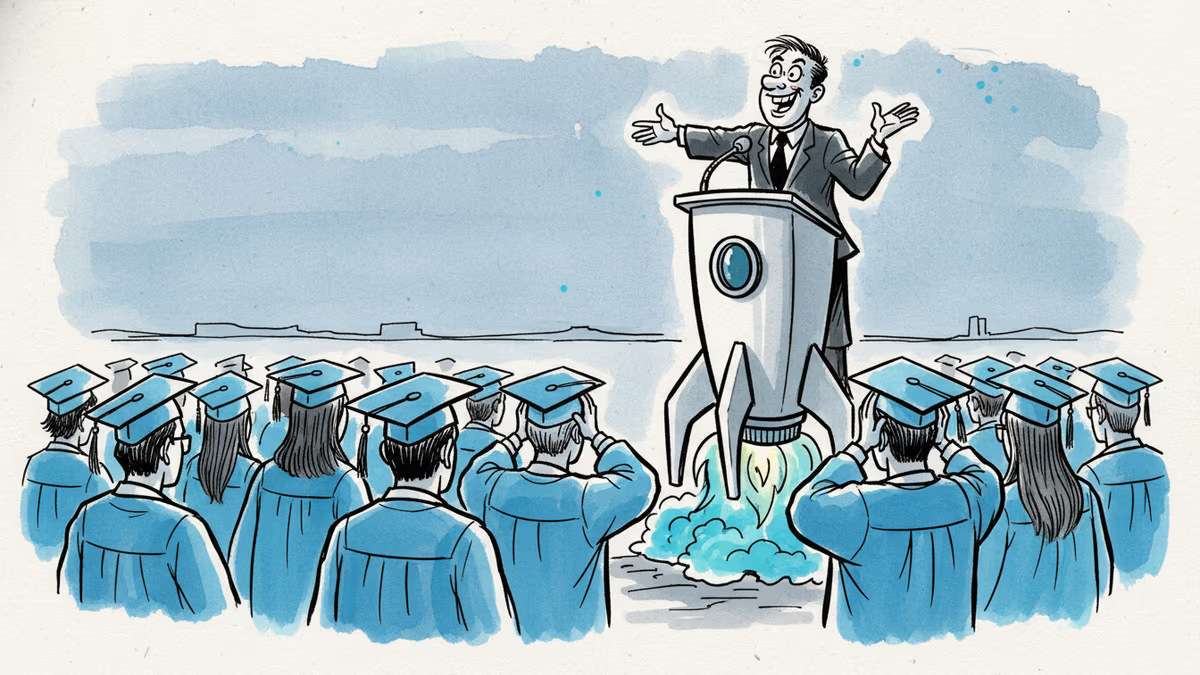
Two commencement speakers learned the hard way that AI enthusiasm doesn't land well with today's graduates. The backlash reveals a widening gap between tech optimism and Gen Z's economic reality.
Samsung and SK unveiled a chip and AI investment package worth thousands of trillions of won on June 29. The headline number swings wildly by outlet, but the real contest isn't capital — it's water and power.
Viral videos show 2026 graduates jeering executives who praise AI at commencement ceremonies. It's not just rudeness — it's a signal about who pays for technological optimism.
Filipino virtual assistants using AI to ghost-manage LinkedIn profiles for executives is now a structured industry. 30 comments a day, fake engagement rings, and a platform struggling to tell real from fabricated.
Two commencement speakers learned the hard way that AI enthusiasm doesn't land well with today's graduates. The backlash reveals a widening gap between tech optimism and Gen Z's economic reality.
Thoughts
Share your thoughts on this article
Sign in to join the conversation