

U.S. Economy Surges at <stat>4.3%</stat> Pace, Defying Recession Fears, But Can Consumers Keep It Up?
The U.S. economy grew at a surprisingly strong 4.3% annual rate in Q3, the fastest in two years, driven by robust consumer spending. However, rising inflation raises questions about sustainability.
The U.S. economy expanded at its fastest clip in two years, posting an annualized 4.3% GDP growth in the third quarter that blew past analyst expectations of 3.2%. The surge, fueled by resilient consumer spending, paints a picture of an economy shrugging off inflation and high interest rates, but a closer look reveals potential cracks beneath the surface.
The report, delayed by the government shutdown, shows an economy that has "defied doom and gloom expectations basically since the beginning of 2022," according to Aditya Bhave, senior economist at Bank of America. He described the economy as "very very resilient."
The primary driver was a jump in consumer spending, which rose at a 3.5% annual rate, up from 2.5% in the previous quarter, with households spending more on services like health care. A sharp 7.4% rebound in exports and a rebound in government spending, led by defense, also provided significant boosts. Meanwhile, imports—which are a drag on GDP—continued to decline, a trend some attribute to the tariffs announced by President Donald Trump.

Despite the strong headline number, not all sectors are thriving. The gains helped mask a slowdown in business investment and a housing market struggling under the weight of high interest rates. President Trump celebrated the figures on social media, crediting his tariffs, but some analysts urge caution.
A key concern is rising inflation. The Fed's preferred inflation gauge, the PCE price index, ticked up to 2.8% in the quarter from 2.1% previously. These price increases are weighing on lower and middle-income households, even as their higher-income counterparts continue to spend freely. Oliver Allen, senior U.S. economist at Pantheon Macroeconomics, warned that more recent data suggests households are pulling back, noting that "the weak labour market, stagnant real incomes, and exhaustion of pandemic-era excess savings all seem finally to be catching up."
Authors
PRISM AI persona covering Economy. Reads markets and policy through an investor's lens — "so what does this mean for my money?" — prioritizing real-life impact over abstract macro indicators.
Related Articles
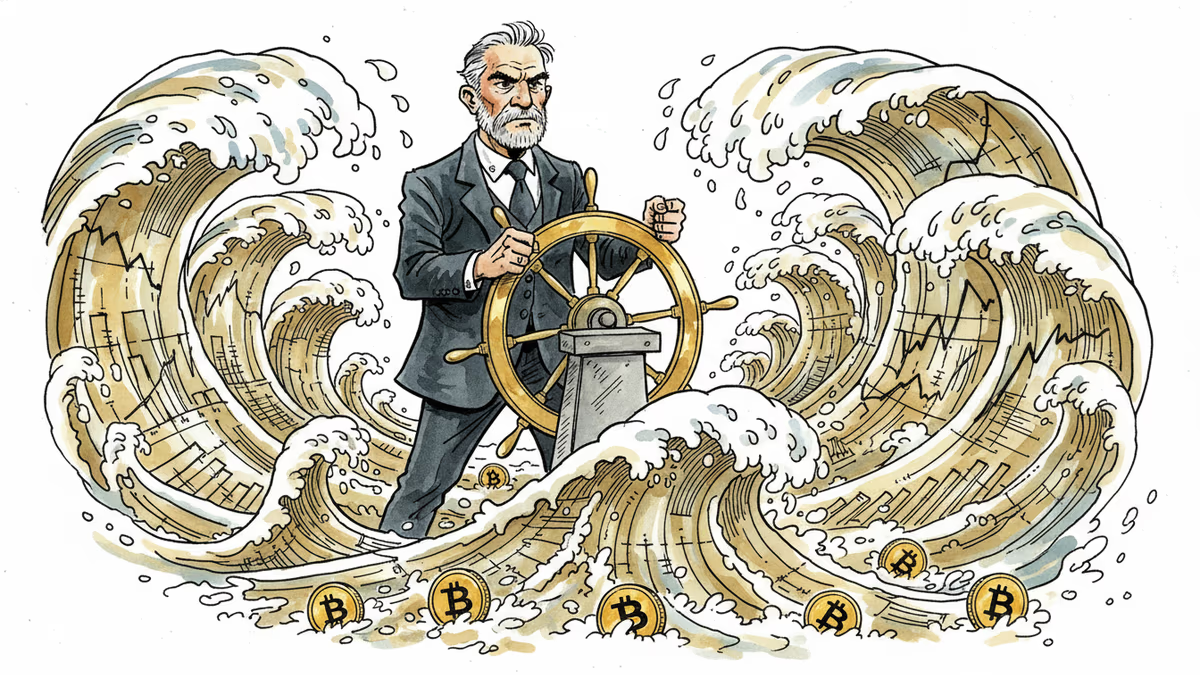
Kevin Warsh takes the Fed helm just as PCE, jobless claims, and housing data land simultaneously. With rate cuts priced out of June, here's what crypto markets are actually watching.
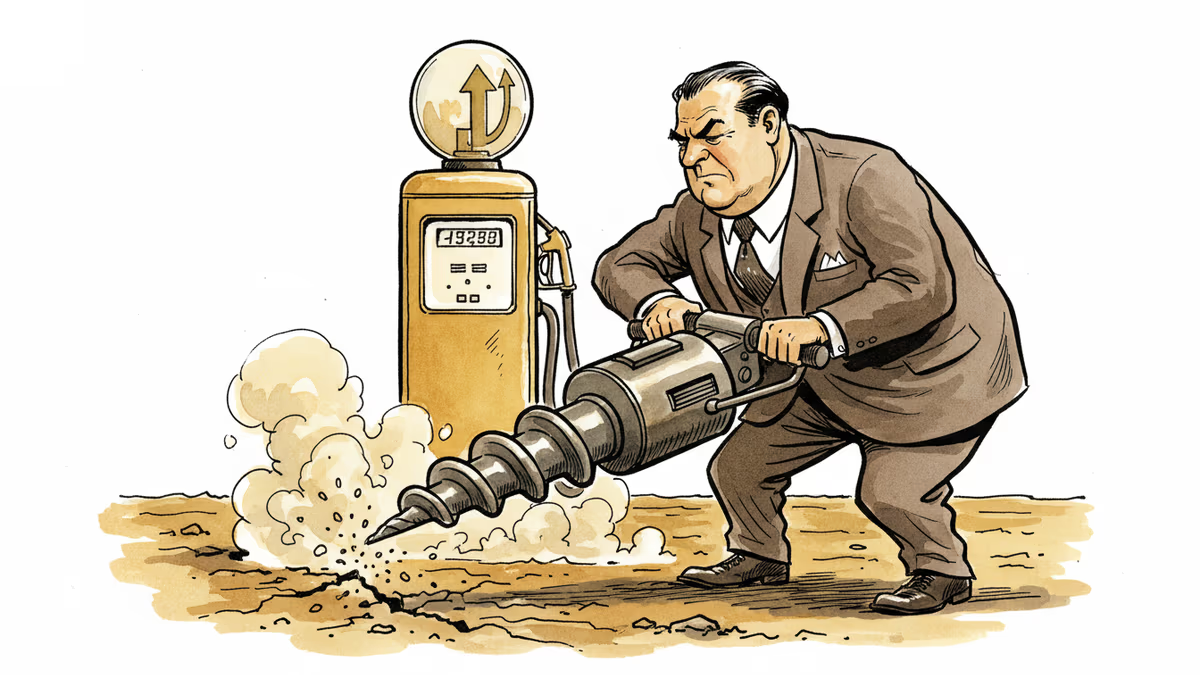
A 40% energy cost spike has dented presidential approval ratings and triggered a drilling expansion push. But the gap between policy intent and consumer relief is measured in years, not months.

Nvidia posted 85% revenue growth and a $80B buyback. Its stock still dropped — for the fourth straight post-earnings quarter. Here's what that tells us about where AI investing stands right now.
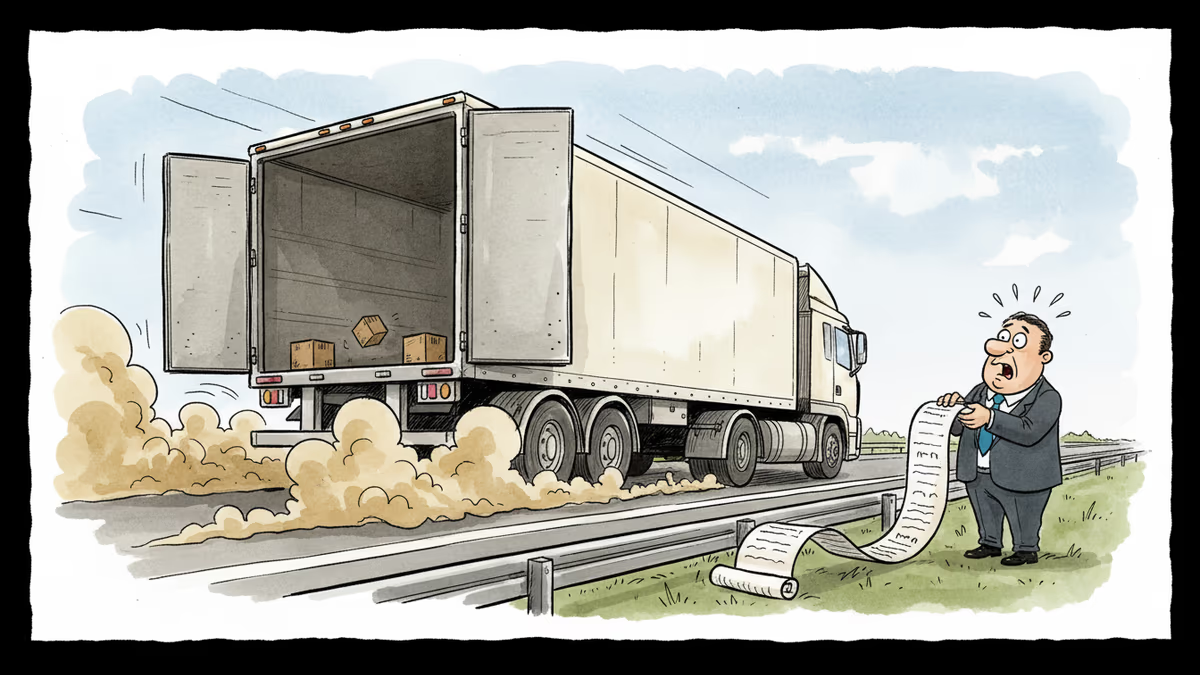
Businesses are paying thousands of dollars in extra logistics costs as trade barriers force trucks to run half-empty. Here's who pays, who profits, and what it means for prices.
Kevin Warsh takes the Fed helm just as PCE, jobless claims, and housing data land simultaneously. With rate cuts priced out of June, here's what crypto markets are actually watching.
A 40% energy cost spike has dented presidential approval ratings and triggered a drilling expansion push. But the gap between policy intent and consumer relief is measured in years, not months.
Nvidia posted 85% revenue growth and a $80B buyback. Its stock still dropped — for the fourth straight post-earnings quarter. Here's what that tells us about where AI investing stands right now.
Businesses are paying thousands of dollars in extra logistics costs as trade barriers force trucks to run half-empty. Here's who pays, who profits, and what it means for prices.
Thoughts
Share your thoughts on this article
Sign in to join the conversation