

Pixels Over Packages: The DoorDash AI Delivery Fraud Scandal
DoorDash has banned a driver for using AI-generated photos to fake deliveries. Read about the DoorDash AI delivery fraud and how platform security is evolving to fight AI scams.
The photo showed a delivery at the doorstep, but there was no food to be found. A viral incident has exposed a sophisticated new scam where a DoorDash driver allegedly used AI-generated images to fake successful deliveries. This evolution of digital fraud marks a new challenge for the integrity of the gig economy.
How the DoorDash AI Delivery Fraud Unfolded
According to reports from TechCrunch, the scheme came to light when Austin resident Byrne Hobart posted a startling discovery on X. He noted that a driver accepted his order and immediately marked it as delivered, submitting a photo that featured an AI-generated image of a DoorDash bag superimposed onto his actual front door.

The methodology likely involved the use of jailbroken phones and hacked accounts. By accessing a feature that displays photos from prior deliveries, the driver could obtain an image of the customer's home and use generative AI to place a fake order bag into the scene, creating a convincing but fraudulent proof of delivery.
Zero Tolerance and Platform Security
DoorDash acted swiftly following the public outcry. A spokesperson told TechCrunch that the company has permanently removed the Dasher's account and ensured the customer was made whole through a refund. The company emphasized its zero tolerance policy for fraud, utilizing a mix of automated technology and human review to safeguard the platform.
Authors
Related Articles
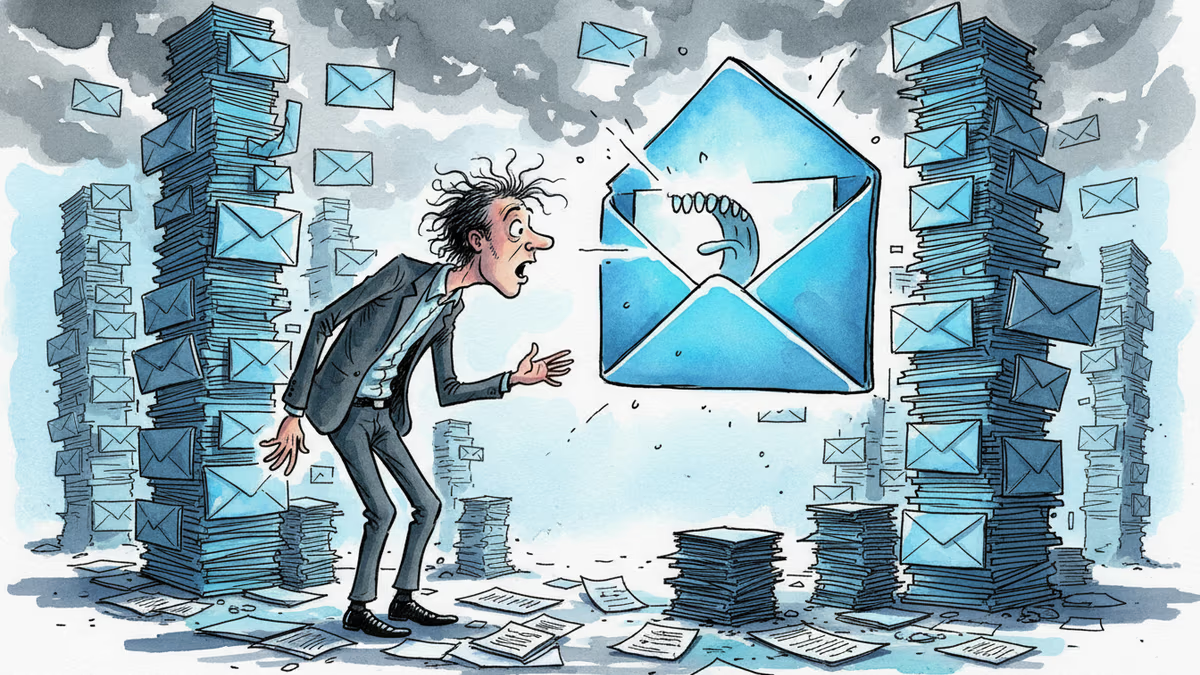
Google's Gmail Live lets you ask your inbox questions out loud. Announced at I/O 2026, it's AI's pitch to skeptics — and a reminder of how much Google already knows about you.
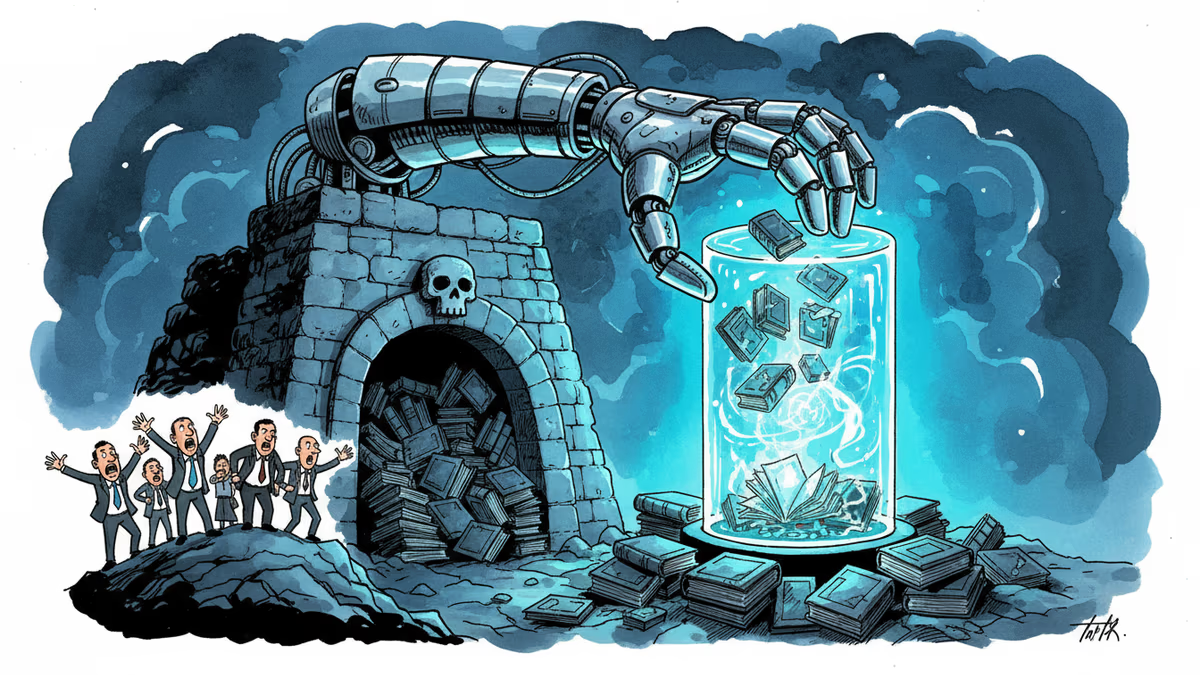
Five major publishers and author Scott Turow have filed a class action lawsuit against Meta, alleging the company used illegal pirate sites like LibGen to train its Llama AI models without permission.

Two ex-Apple engineers built an AI puck that only listens when you press it. At $179, Button is a deliberate bet that dedicated AI hardware beats the Swiss Army knife approach of smartphones.
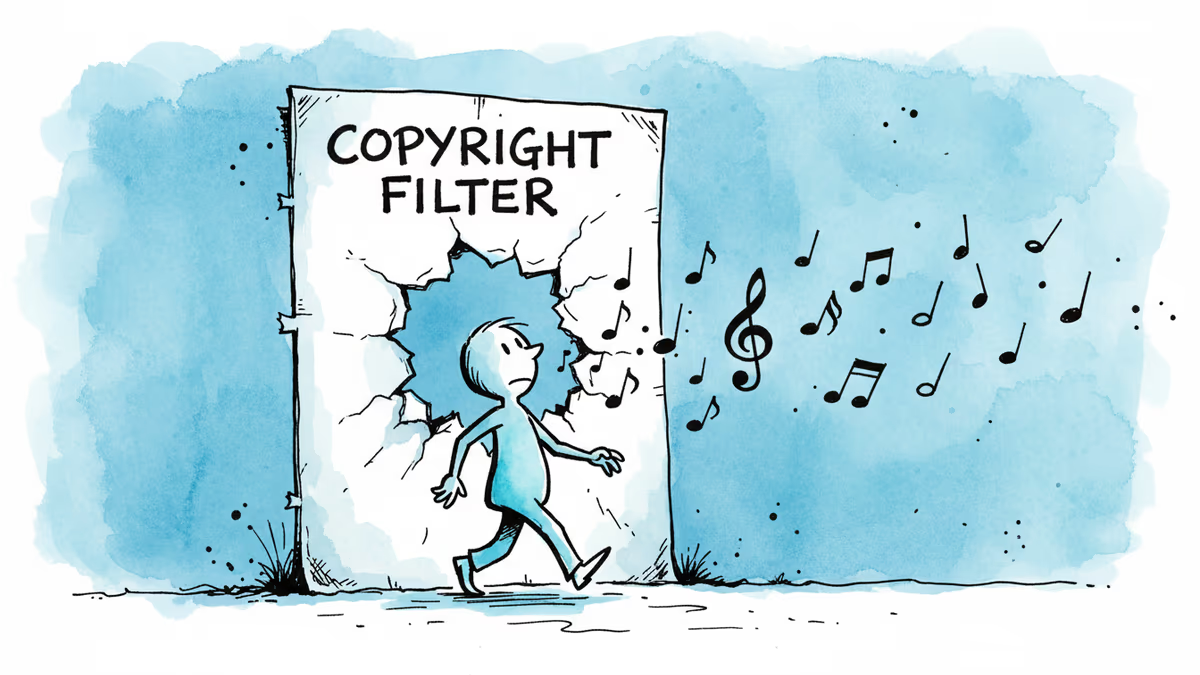
Suno's AI music platform claims to block copyrighted content, but researchers found its filters can be bypassed with minimal effort and free tools, generating near-identical imitations of Beyoncé, Black Sabbath, and more.
Google's Gmail Live lets you ask your inbox questions out loud. Announced at I/O 2026, it's AI's pitch to skeptics — and a reminder of how much Google already knows about you.
Five major publishers and author Scott Turow have filed a class action lawsuit against Meta, alleging the company used illegal pirate sites like LibGen to train its Llama AI models without permission.
Two ex-Apple engineers built an AI puck that only listens when you press it. At $179, Button is a deliberate bet that dedicated AI hardware beats the Swiss Army knife approach of smartphones.
Suno's AI music platform claims to block copyrighted content, but researchers found its filters can be bypassed with minimal effort and free tools, generating near-identical imitations of Beyoncé, Black Sabbath, and more.
Thoughts
Share your thoughts on this article
Sign in to join the conversation