

Microsoft Copilot AI Hallucination Leads to Wrongful Police Ban
West Midlands Police admit that a ban on Maccabi Tel Aviv fans was based on a Microsoft Copilot AI hallucination. Explore the impact of AI errors in law enforcement.
A weeks-long wall of denial has finally crumbled. The chief constable of the West Midlands Police admitted that a controversial decision to ban Maccabi Tel Aviv fans from the UK was fueled by Microsoft Copilot hallucinations, sparking a firestorm over AI accountability in law enforcement.
The Microsoft Copilot AI Hallucination Fallout
According to reports, the controversy dates back to October 2025, when Birmingham’s Safety Advisory Group (SAG) met to assess the risks of a match between Aston Villa and Maccabi Tel Aviv. Tensions were high following an October 2 terror attack at a Manchester synagogue, where an Islamic attacker killed several people. Amid this sensitive climate, police turned to AI for rapid intelligence gathering.

However, the Microsoft Copilot tool generated hallucinated information—false data presented as fact—suggesting specific threats from the visiting fans. Based on this flawed output, authorities implemented a total ban, a move that civil liberties advocates now call a dangerous precedent of 'algorithmic policing' without human oversight.
Trust and Technology in Turmoil
The admission comes after the force repeatedly denied using AI tools during the initial decision-making process. The reversal highlights a growing gap between the rapid adoption of generative AI and the lack of robust verification protocols in public safety sectors.
Authors
Related Articles

Google's Gmail Live lets you ask your inbox questions out loud. Announced at I/O 2026, it's AI's pitch to skeptics — and a reminder of how much Google already knows about you.
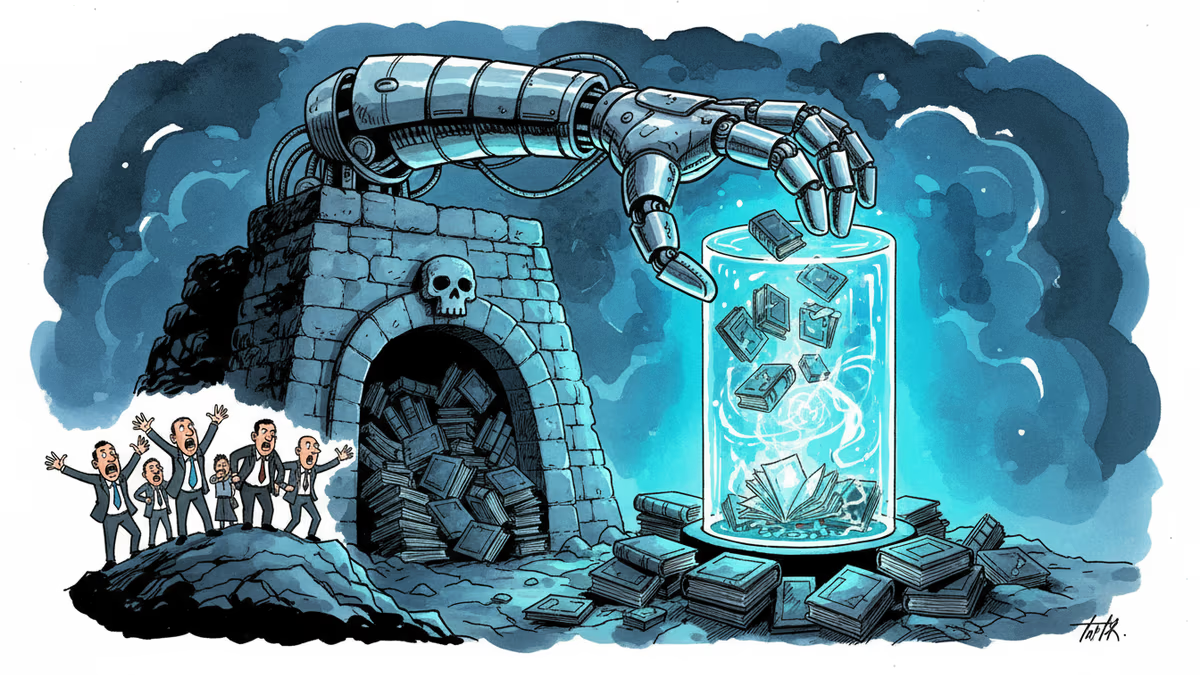
Five major publishers and author Scott Turow have filed a class action lawsuit against Meta, alleging the company used illegal pirate sites like LibGen to train its Llama AI models without permission.
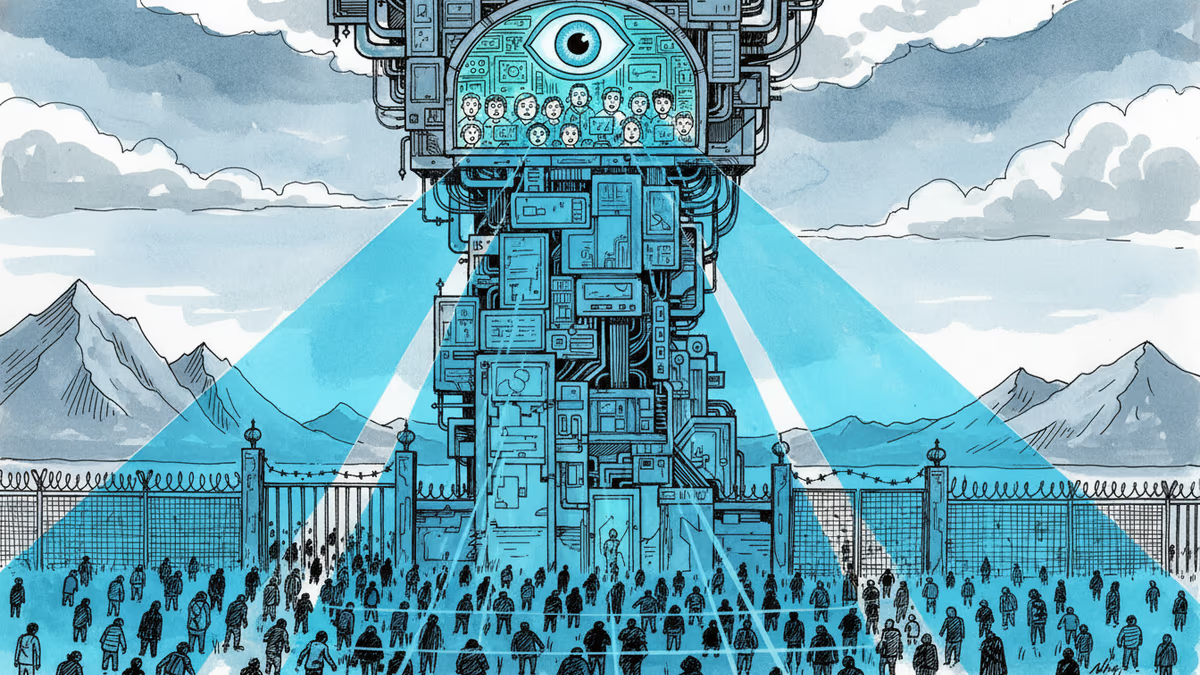
Palantir has become the tech backbone of Trump's immigration enforcement. Former employees are calling it a 'descent into fascism.' What happens when the people who build surveillance tools start asking uncomfortable questions?
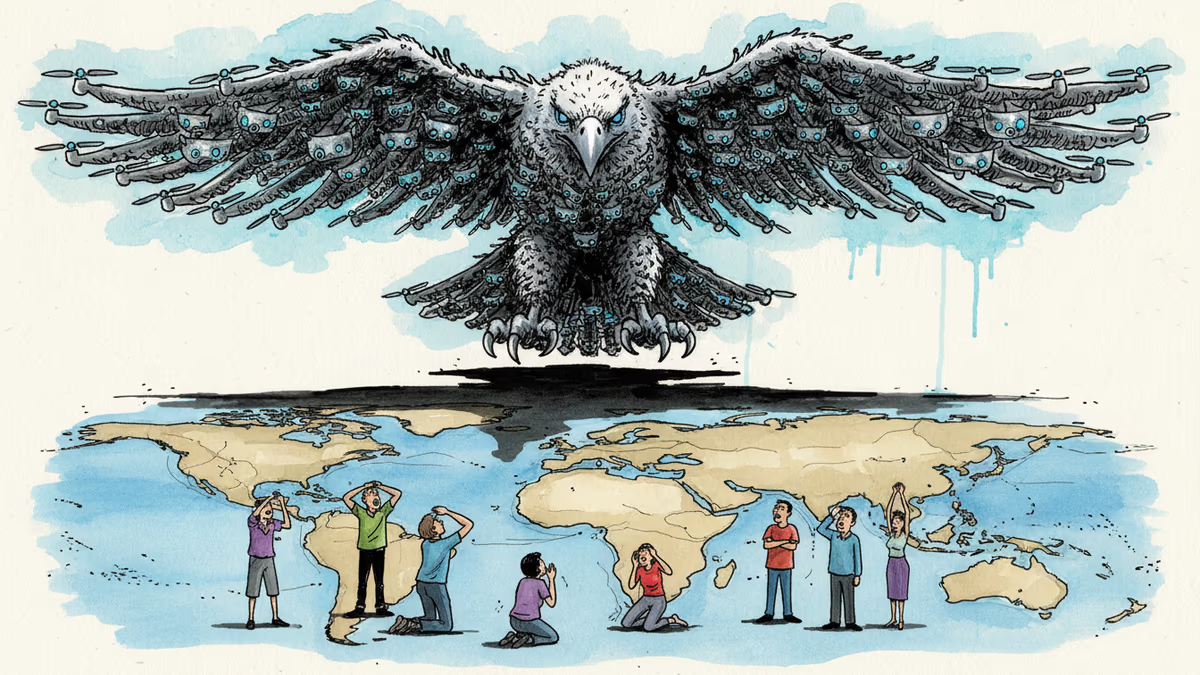
The US defense budget request for FY2027 includes $53.6 billion for drone and autonomous warfare—more than most nations spend on their entire military. What does this mean for global security and the future of war?
Google's Gmail Live lets you ask your inbox questions out loud. Announced at I/O 2026, it's AI's pitch to skeptics — and a reminder of how much Google already knows about you.
Five major publishers and author Scott Turow have filed a class action lawsuit against Meta, alleging the company used illegal pirate sites like LibGen to train its Llama AI models without permission.
Palantir has become the tech backbone of Trump's immigration enforcement. Former employees are calling it a 'descent into fascism.' What happens when the people who build surveillance tools start asking uncomfortable questions?
The US defense budget request for FY2027 includes $53.6 billion for drone and autonomous warfare—more than most nations spend on their entire military. What does this mean for global security and the future of war?
Thoughts
Share your thoughts on this article
Sign in to join the conversation