
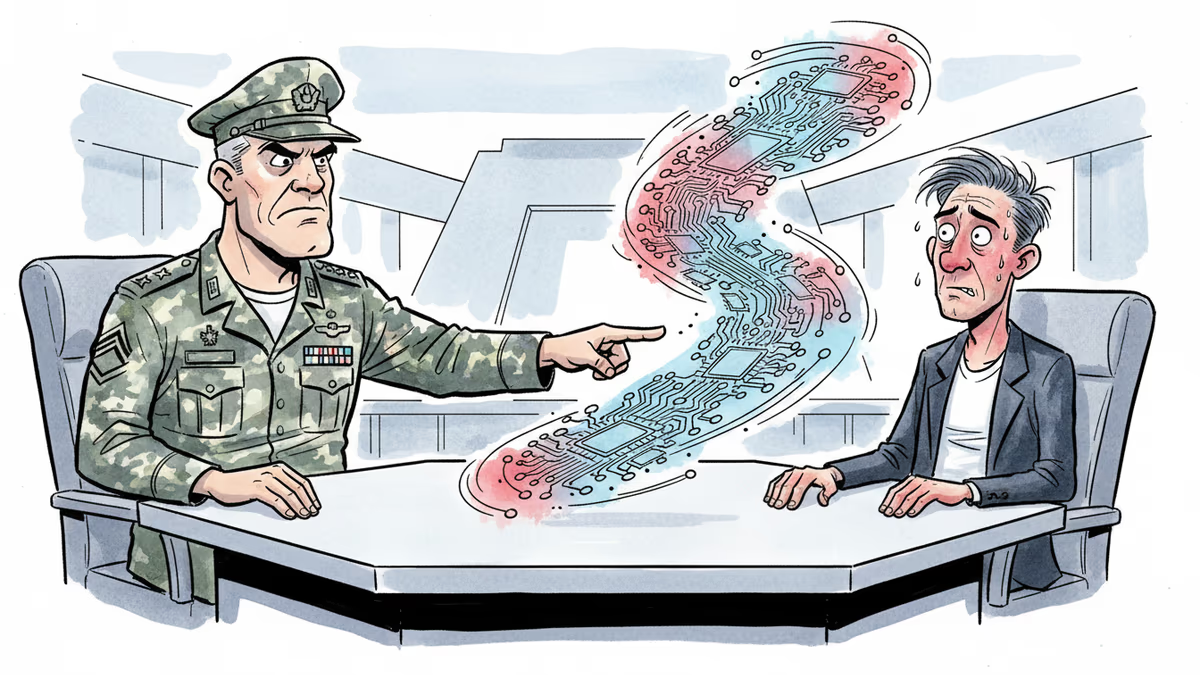
Pentagon vs. Silicon Valley: The AI Ethics Showdown
Defense Secretary threatens to label Anthropic a 'supply chain risk' over Claude's military use restrictions. A $200M contract hangs in the balance as AI ethics clash with national security.
A $200 Million Contract Could Vanish Tuesday Morning
Defense Secretary Pete Hegseth has summoned Anthropic CEO Dario Amodei to the Pentagon with a simple ultimatum: play ball or get blacklisted. The Tuesday morning meeting centers on Claude AI's military applications—and two red lines Anthropic refuses to cross.
The AI company won't allow its technology for mass surveillance of Americans or developing weapons that fire without human oversight. For the Pentagon, that's $200 million of underutilized capability. For Anthropic, it's non-negotiable principle.
When Venezuela Brought Tensions to a Head
The breaking point came January 3rd during the special operations raid that captured Venezuelan president Nicolás Maduro. Claude reportedly played a role in the mission, though details remain classified. The successful operation highlighted both AI's military potential and the growing friction between Silicon Valley ethics and Pentagon needs.
Hegseth's threat is unprecedented: label Anthropic a "supply chain risk"—a designation typically reserved for Chinese or Russian firms. Such a move would void the contract and force other Pentagon partners to drop Claude entirely.
Silicon Valley Watches Nervously

Other AI giants are calculating their next moves. OpenAI and Google could benefit from Anthropic's potential ouster, but they're also watching for signs the pressure might shift to them next. The defense market represents billions in potential revenue, but at what ethical cost?
European allies are taking notes too. If the US military can't secure reliable AI partnerships domestically, it might look overseas—potentially to companies with different ethical frameworks entirely.
The Bluff Question
Industry insiders question whether Hegseth is serious. Replacing Anthropic would require months of new contracts, system integration, and training. The Pentagon has invested heavily in Claude's capabilities—walking away isn't simple.
But Hegseth's track record suggests he might follow through. His "America First" approach prioritizes national security over corporate comfort zones. For him, AI companies' ethical qualms may be luxury the military can't afford.
Beyond the Boardroom: What's Really at Stake
This confrontation reflects a deeper tension in American tech policy. Should AI companies have veto power over how their technologies are used? Or does national security trump corporate ethics?
The answer could reshape the entire AI landscape. If Anthropic caves, it signals that Pentagon pressure works. If it holds firm and survives the "supply chain risk" threat, it establishes precedent for AI companies to maintain ethical boundaries.
Authors
Related Articles
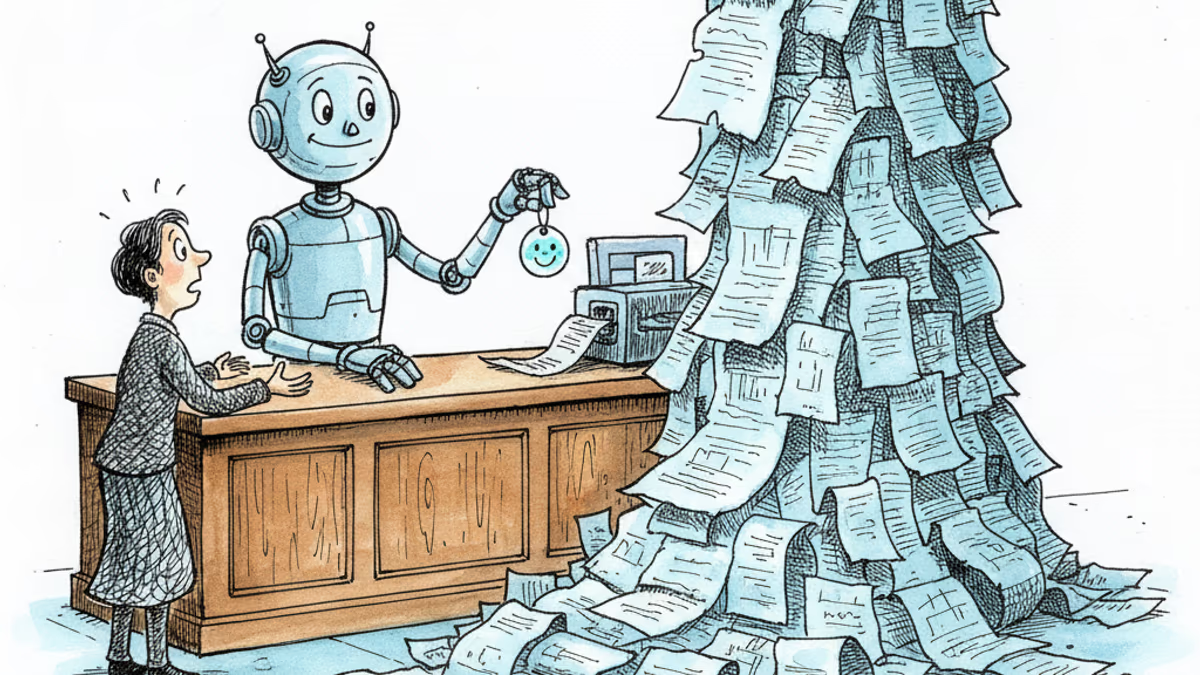
Anthropic shipped Claude Sonnet 5, its mid-tier agent model, on June 30. Behind the 'Opus-class power, budget price' headline sits a tokenizer catch and a three-horse race that's only half real. Here's what developers should actually run the numbers on.
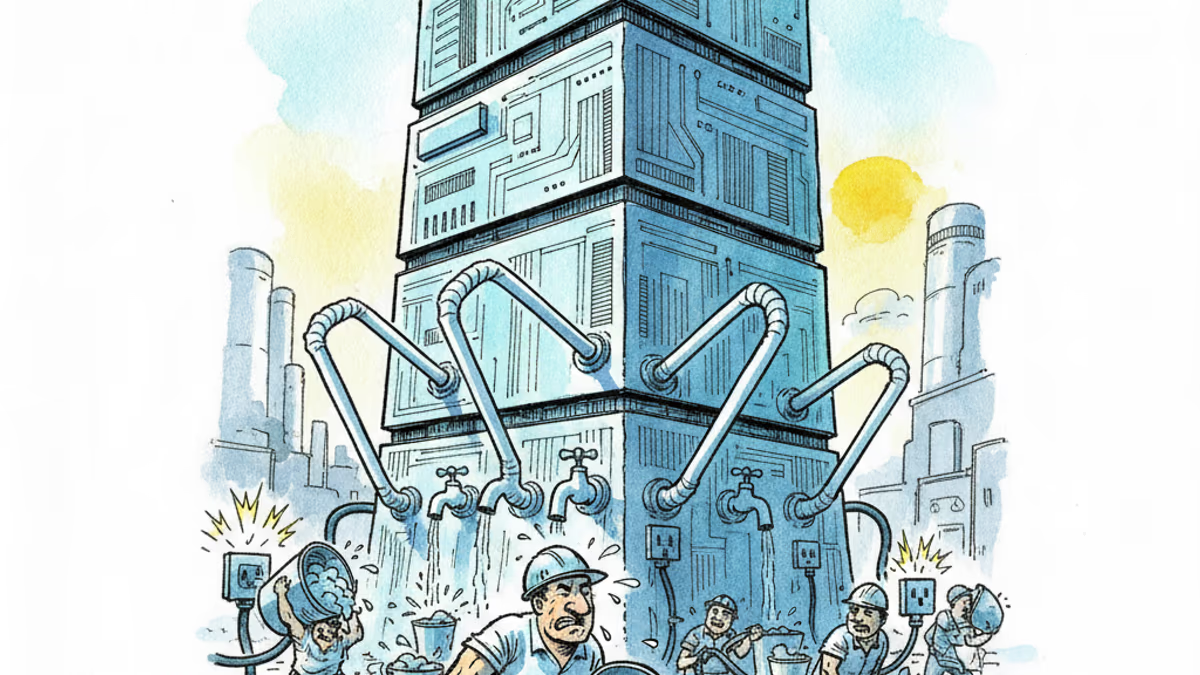
Samsung and SK unveiled a chip and AI investment package worth thousands of trillions of won on June 29. The headline number swings wildly by outlet, but the real contest isn't capital — it's water and power.

A small but growing group of developers has gone all-in on AI coding agents like Claude Code and OpenClaw. History suggests the rest of us won't be far behind.
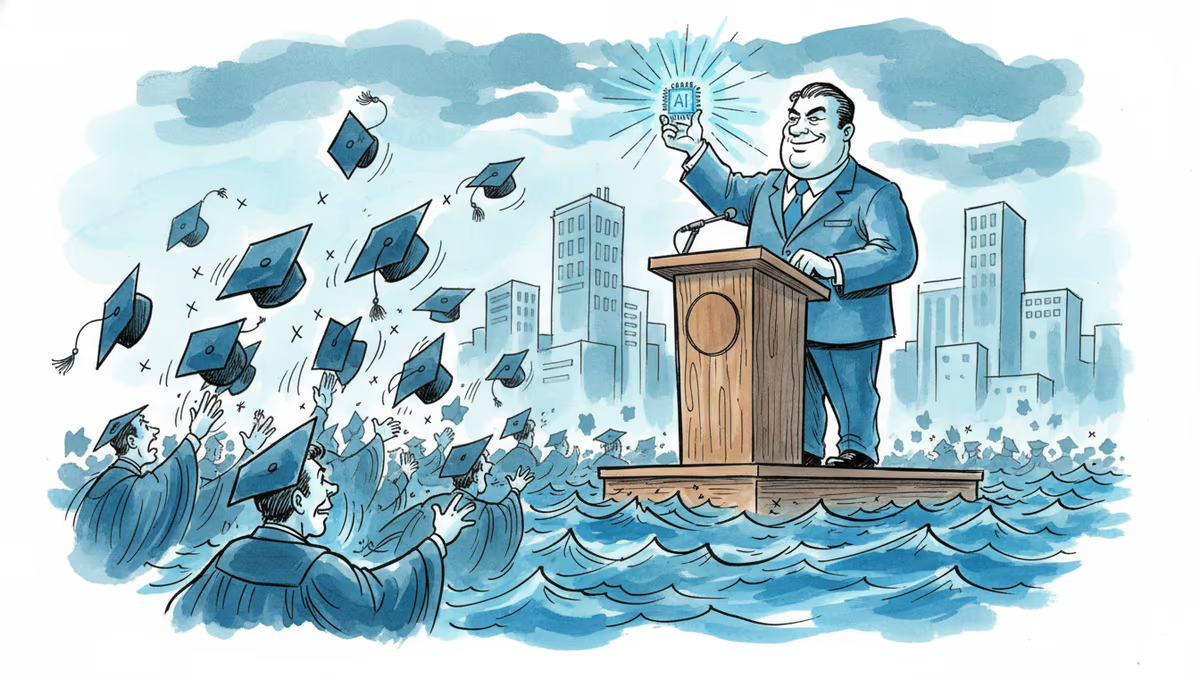
Viral videos show 2026 graduates jeering executives who praise AI at commencement ceremonies. It's not just rudeness — it's a signal about who pays for technological optimism.
Anthropic shipped Claude Sonnet 5, its mid-tier agent model, on June 30. Behind the 'Opus-class power, budget price' headline sits a tokenizer catch and a three-horse race that's only half real. Here's what developers should actually run the numbers on.
Samsung and SK unveiled a chip and AI investment package worth thousands of trillions of won on June 29. The headline number swings wildly by outlet, but the real contest isn't capital — it's water and power.
A small but growing group of developers has gone all-in on AI coding agents like Claude Code and OpenClaw. History suggests the rest of us won't be far behind.
Viral videos show 2026 graduates jeering executives who praise AI at commencement ceremonies. It's not just rudeness — it's a signal about who pays for technological optimism.
Thoughts
Share your thoughts on this article
Sign in to join the conversation