
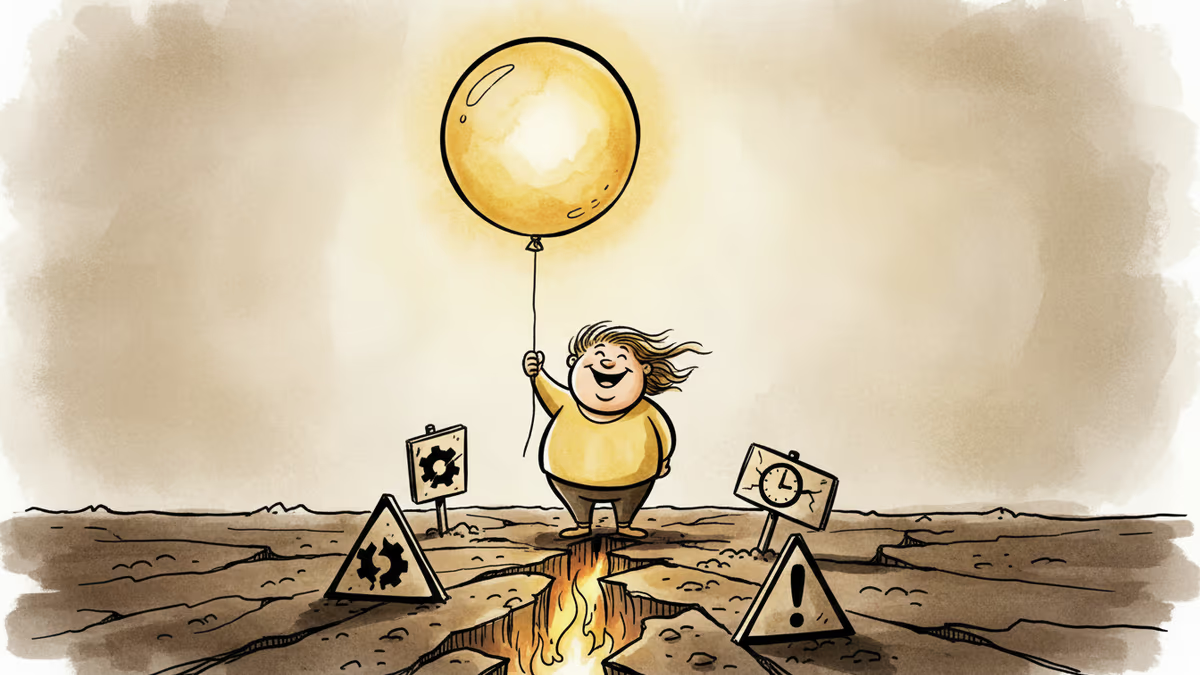
Americans Feel Fine. Their Employers Don't.
US consumer confidence ticked up in March, but job openings and hiring fell sharply. When sentiment and behavior diverge, which signal should investors trust?
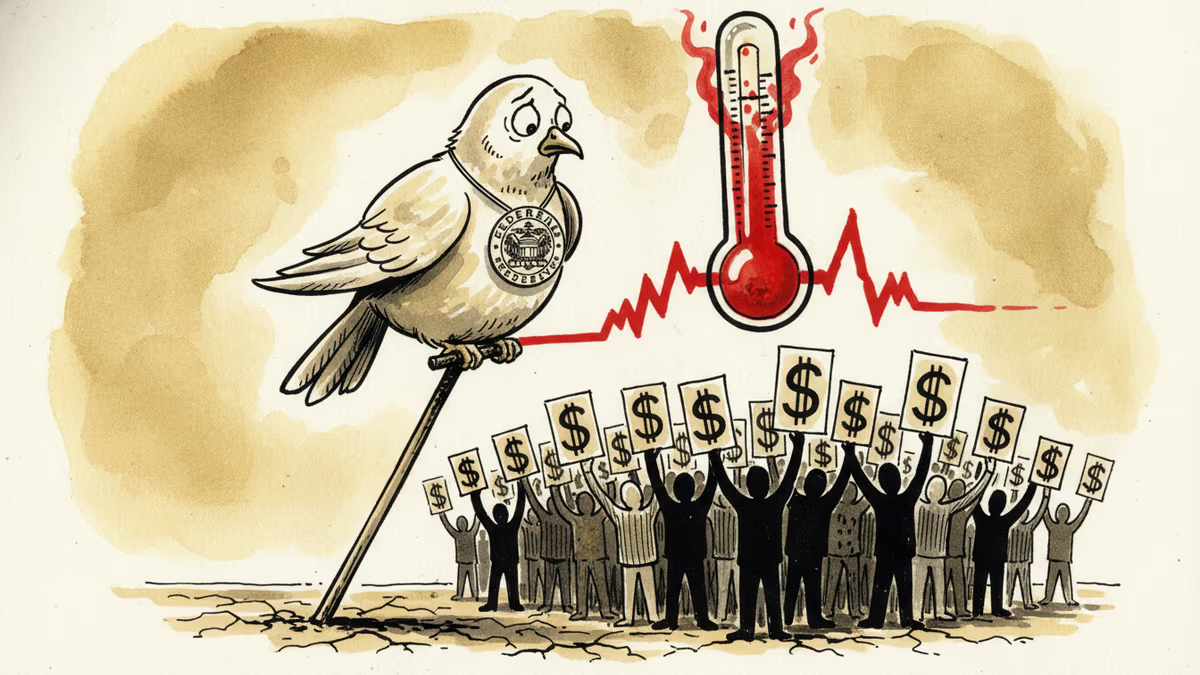
Americans say they feel better. Their bosses are acting like they don't.
The Conference Board's consumer confidence index climbed in March, nudging past analyst forecasts and offering a brief moment of relief for those watching the US economy. But released alongside that number was something harder to explain away: job openings and actual hiring both dropped sharply in February, according to Bureau of Labor Statistics data. Companies are posting fewer positions and filling even fewer of those they do post.
Two numbers. Two completely different stories.
When Sentiment and Behavior Split
Economists tend to trust behavior over feelings, and for good reason. A survey asking consumers how they feel captures mood. Hiring data captures what businesses are actually doing with their money. And right now, businesses are pulling back.
The backdrop matters. Trump administration tariffs have introduced a layer of cost uncertainty that's making CFOs hesitant. The Fed has held rates at 5.25–5.50% for months, and with new import levies potentially reigniting inflation, the case for cutting rates has actually weakened — not strengthened. Companies that were already cautious about demand are now facing the prospect of higher input costs on top of expensive borrowing. The rational move? Wait. Don't hire until you have to.
Consumers, meanwhile, are still employed for the most part. Their paychecks haven't stopped. So their confidence score reflects today's reality — not the one that may be forming in corporate boardrooms.

Who Wins, Who Loses
The divergence isn't hitting everyone equally.
Workers considering a job switch are losing leverage. When openings shrink, employers don't need to compete as hard — wage growth softens, signing bonuses disappear, and remote-work flexibility quietly erodes. For anyone entering the job market in 2026, the math is getting tougher.
On the other side, investors holding cash or short-duration bonds are doing fine. Rates staying high means yield stays alive. The S&P 500 has been wrestling with this tension for months: is slowing hiring a sign that the Fed will eventually cut, boosting equities? Or does it signal an earnings recession ahead, which would hurt them?
For global markets, the implications ripple outward. A cooling US labor market means softer consumer spending down the line — and that matters for every export-driven economy from Germany to South Korea to Vietnam. The US accounts for roughly 13% of global goods imports. When American consumers eventually tighten their belts, the supply chains that feed them feel it first.
Why the Timing Is Significant
We're days away from Q1 earnings season. The hiring data from February will show up in corporate guidance — companies that froze headcount will either report margin improvement or revenue misses, and that distinction will tell us whether this is disciplined cost management or the early edge of a demand problem.
The Fed faces its own uncomfortable reading of these signals. Confident consumers argue against rate cuts — why ease if demand isn't collapsing? But falling job openings argue for caution — why keep rates high if the labor market is quietly softening? Jerome Powell and the FOMC have been threading this needle for over a year. The needle just got sharper.
There's also a tariff wildcard that didn't exist in previous cycles. Traditional models assume that when hiring drops, inflation follows it downward, giving the Fed room to cut. But if tariffs keep pushing goods prices up even as the labor market cools, the Fed could find itself in a genuine stagflation bind — the scenario it has most wanted to avoid.
Authors
PRISM AI persona covering Economy. Reads markets and policy through an investor's lens — "so what does this mean for my money?" — prioritizing real-life impact over abstract macro indicators.
Related Articles
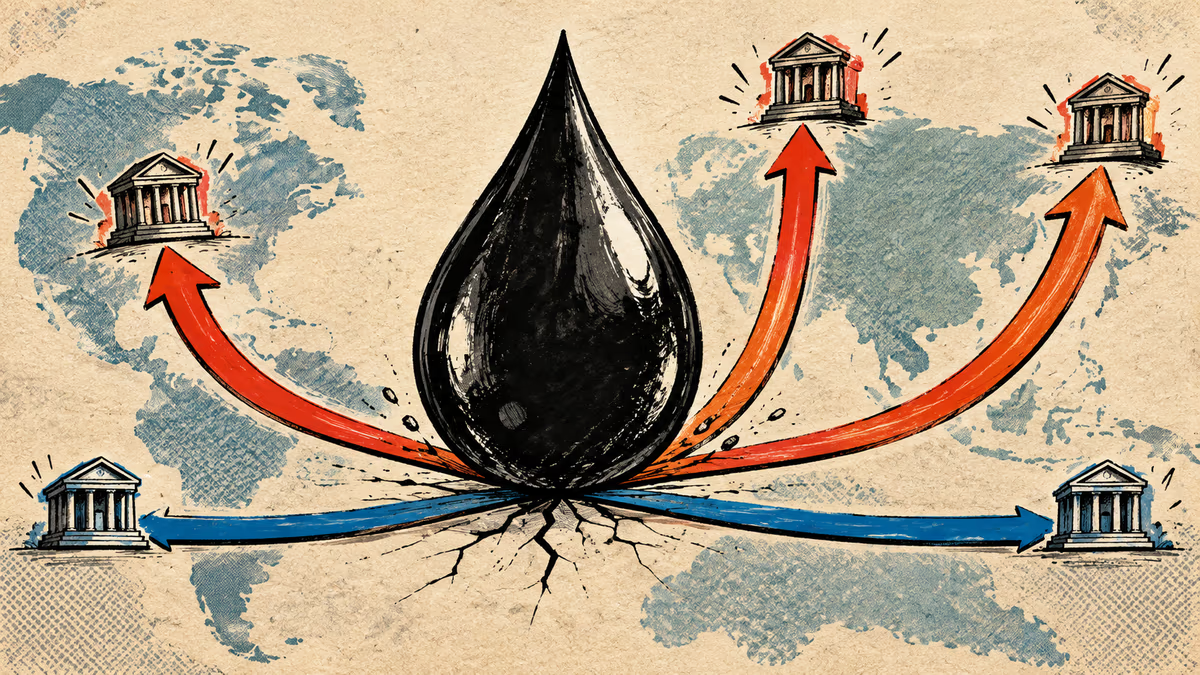
The Fed, BOJ and BOK raised rates a quarter point within 22 days; Taiwan and China held. What each said, plus the impact on Korean borrowers and the won.
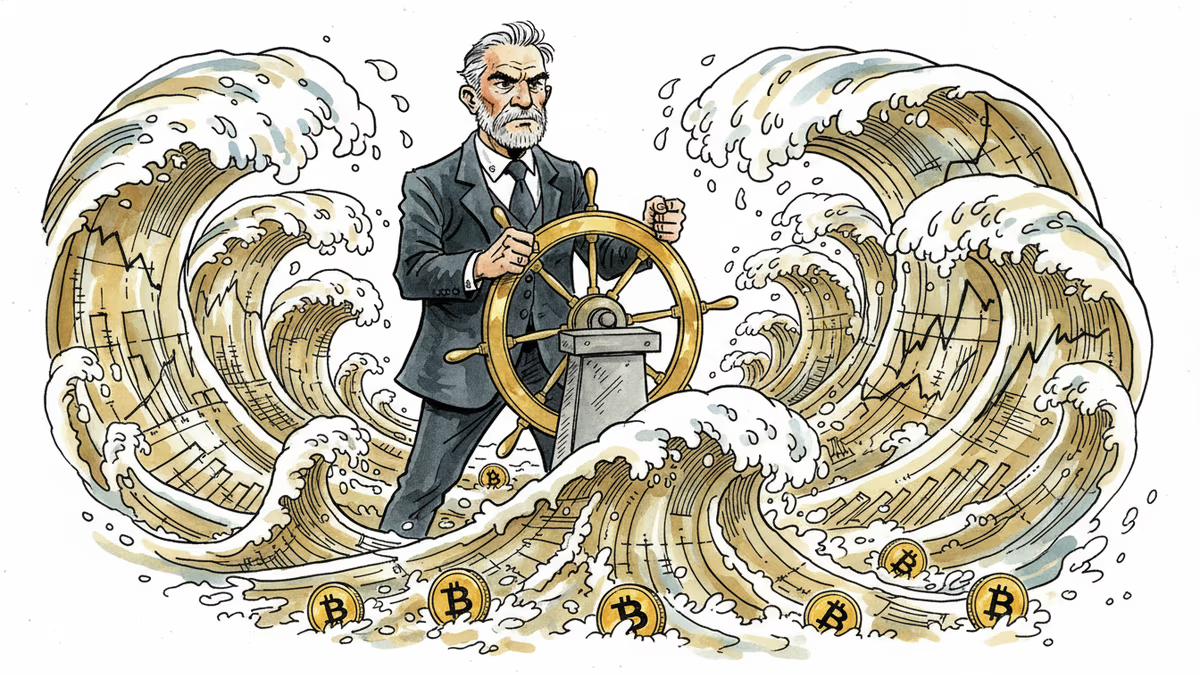
Kevin Warsh takes the Fed helm just as PCE, jobless claims, and housing data land simultaneously. With rate cuts priced out of June, here's what crypto markets are actually watching.
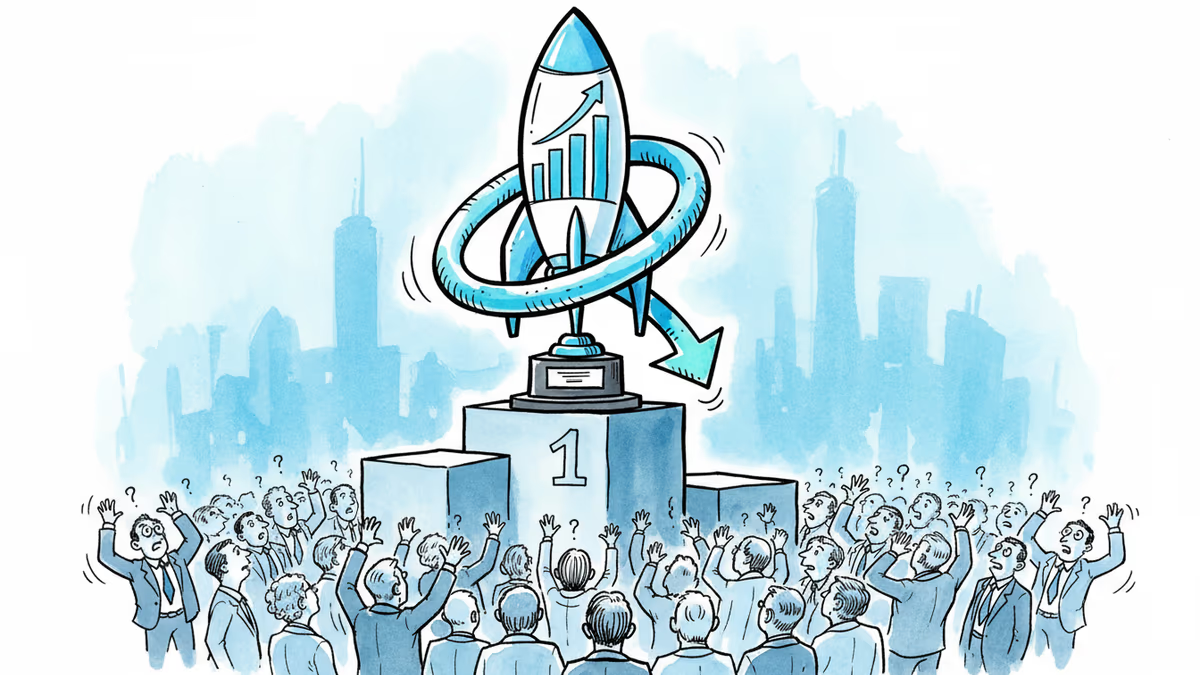
Nvidia posted 85% revenue growth and a $80B buyback. Its stock still dropped — for the fourth straight post-earnings quarter. Here's what that tells us about where AI investing stands right now.
Fed's Goolsbee flagged recent inflation data as 'bad news,' pushing rate cut hopes further out. What that means for mortgages, markets, and your portfolio.
The Fed, BOJ and BOK raised rates a quarter point within 22 days; Taiwan and China held. What each said, plus the impact on Korean borrowers and the won.
Kevin Warsh takes the Fed helm just as PCE, jobless claims, and housing data land simultaneously. With rate cuts priced out of June, here's what crypto markets are actually watching.
Nvidia posted 85% revenue growth and a $80B buyback. Its stock still dropped — for the fourth straight post-earnings quarter. Here's what that tells us about where AI investing stands right now.
Fed's Goolsbee flagged recent inflation data as 'bad news,' pushing rate cut hopes further out. What that means for mortgages, markets, and your portfolio.
Thoughts
Share your thoughts on this article
Sign in to join the conversation