
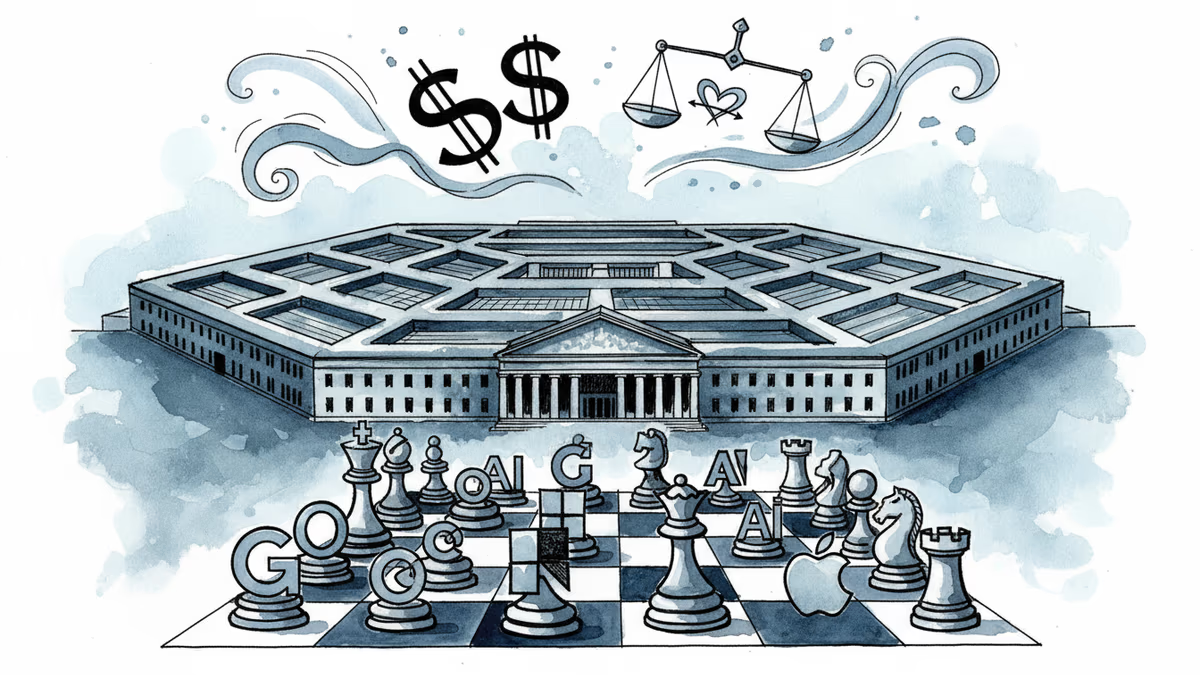
When AI Companies Choose Between Profits and Principles
Anthropic's CEO returns to Pentagon negotiations after talks collapsed, highlighting the growing tension between AI ethics and defense contracts as competitors circle.
The $10 Billion Question Silicon Valley Can't Ignore
When Anthropic CEO Dario Amodei walked away from Pentagon negotiations on Friday, it wasn't just about one contract. It was about drawing a line in the sand over unrestricted military access to AI. But 48 hours later, he's back at the table. What changed?
The stakes couldn't be higher. Defense contracts aren't just revenue streams—they're validation stamps that can make or break an AI company's credibility in both government and commercial markets. Miss out, and you risk being labeled a "supply chain risk," effectively blacklisting your technology from federal use.
The Vultures Are Already Circling
OpenAI didn't waste time. As Anthropic's talks imploded, competitors rushed to fill the void, positioning themselves as the "reliable" alternative. The message was clear: we'll give you what Anthropic won't.
This isn't just about military applications. Government endorsement creates a halo effect that influences enterprise customers, investors, and talent acquisition. When the Pentagon trusts your AI, Fortune 500 companies pay attention.

The New Moral Calculus of Tech
Amodei's reversal reveals the impossible math facing AI leaders today. On one side: massive contracts, patriotic optics, and competitive advantage. On the other: ethical concerns, employee backlash, and international reputation risks.
Google learned this lesson the hard way in 2018 when employee protests forced them out of Project Maven. Microsoft and Amazon, meanwhile, have embraced defense work as both profitable and patriotic. Each company draws different lines around "responsible AI."
The current negotiations between Amodei and Under Secretary Emil Michael represent a search for middle ground—allowing military use while addressing the company's concerns about unrestricted access.
The Global Implications
This isn't just an American story. As AI becomes geopolitically strategic, every major tech company will face similar choices. Partner with your home government and risk being shut out of rival markets. Stay neutral and potentially lose domestic support.
For defense contractors, this creates opportunity. Traditional players like Lockheed Martin and Raytheon suddenly find themselves competing with Silicon Valley startups for Pentagon mindshare. The question isn't just who builds the best AI, but who's willing to play by military rules.
Authors
Related Articles
Anthropic shipped Claude Sonnet 5, its mid-tier agent model, on June 30. Behind the 'Opus-class power, budget price' headline sits a tokenizer catch and a three-horse race that's only half real. Here's what developers should actually run the numbers on.

Samsung and SK unveiled a chip and AI investment package worth thousands of trillions of won on June 29. The headline number swings wildly by outlet, but the real contest isn't capital — it's water and power.

A small but growing group of developers has gone all-in on AI coding agents like Claude Code and OpenClaw. History suggests the rest of us won't be far behind.
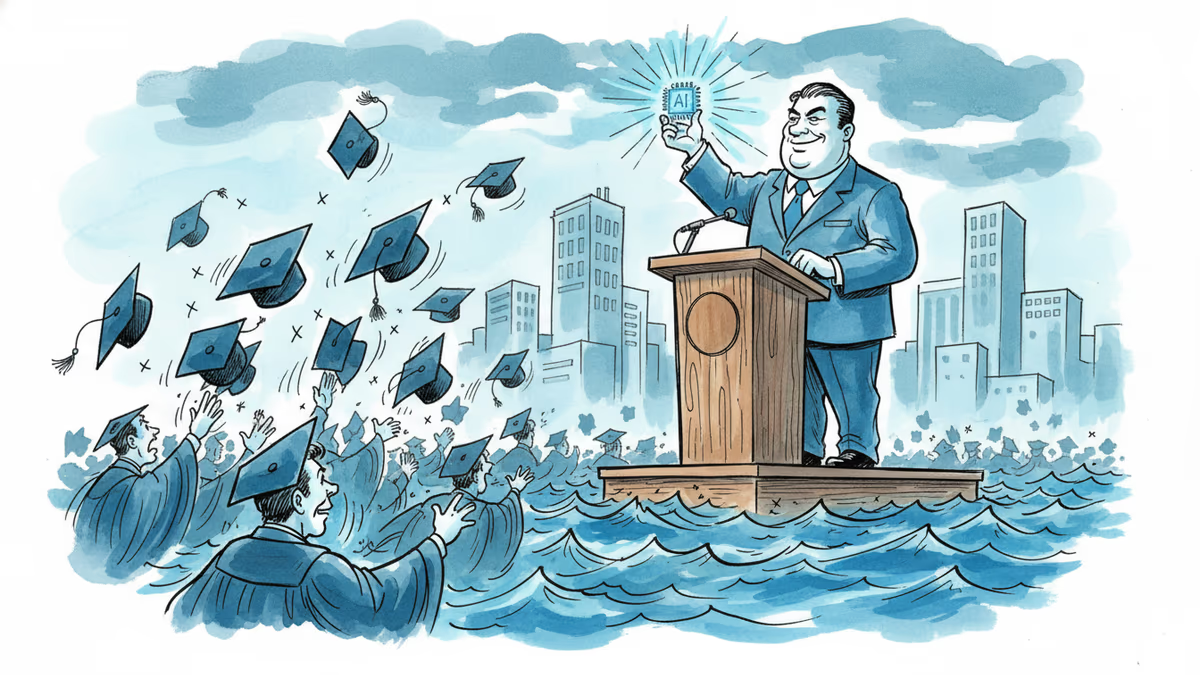
Viral videos show 2026 graduates jeering executives who praise AI at commencement ceremonies. It's not just rudeness — it's a signal about who pays for technological optimism.
Anthropic shipped Claude Sonnet 5, its mid-tier agent model, on June 30. Behind the 'Opus-class power, budget price' headline sits a tokenizer catch and a three-horse race that's only half real. Here's what developers should actually run the numbers on.
Samsung and SK unveiled a chip and AI investment package worth thousands of trillions of won on June 29. The headline number swings wildly by outlet, but the real contest isn't capital — it's water and power.
A small but growing group of developers has gone all-in on AI coding agents like Claude Code and OpenClaw. History suggests the rest of us won't be far behind.
Viral videos show 2026 graduates jeering executives who praise AI at commencement ceremonies. It's not just rudeness — it's a signal about who pays for technological optimism.
Thoughts
Share your thoughts on this article
Sign in to join the conversation