

US Taiwan Tariff Reduction Chipmaking Investment: A $250B Deal for Lower Duties
The US reduces Taiwan tariffs to 15% as Taiwanese firms pledge $250 billion for US chipmaking facilities. Analyzing the US Taiwan tariff reduction chipmaking investment deal.
The US is swapping lower tariffs for a massive $250 billion chipmaking promise. The Commerce Department announced on Thursday that tariffs on goods from Taiwan will decrease from 20% to 15% in exchange for historic domestic investment commitments.
Impact of the US Taiwan Tariff Reduction Chipmaking Investment
Under the deal, Taiwanese tech giants will pump $250 billion into building and expanding chipmaking facilities across the US. To facilitate this massive move, Taiwan's government is offering at least $250 billion in credit to support these companies as they re-shore production capacity.

According to The Verge, the pressure has been building since last year. Donald Trump previously threatened a 100% tariff on semiconductors not manufactured on US soil. Commerce Secretary Howard Lutnick told CNBC that such aggressive measures remain on the table, effectively serving as the catalyst for this agreement.
Authors
Related Articles

The US government invested $2 billion in quantum computing startups, but Congress says the money was never authorized for that purpose. The fate of IBM-backed Anderon hangs in the balance.
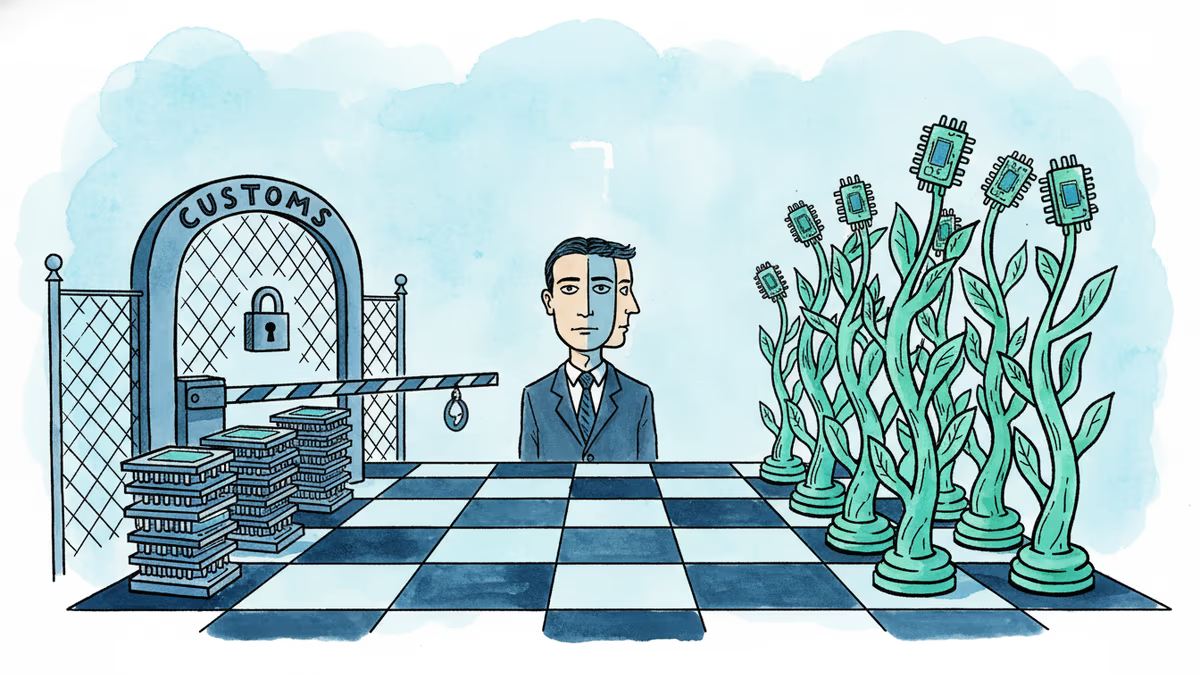
Beijing added an Nvidia gaming chip to its customs ban list the same week Jensen Huang visited China with Trump. Here's what it means for the chip war—and who actually wins.
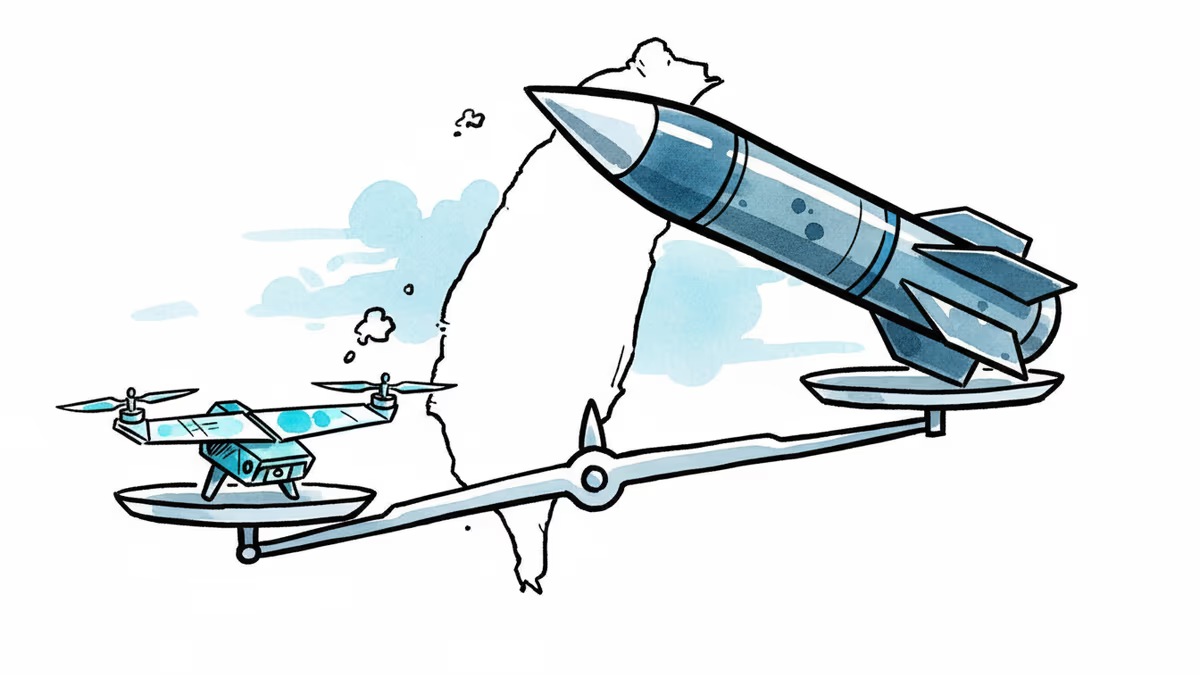
Taiwan's Thunder Tiger became the first Asian firm to win US military drone clearance with a China-free supply chain. As Trump meets Xi, the drone arithmetic reshapes defense strategy.
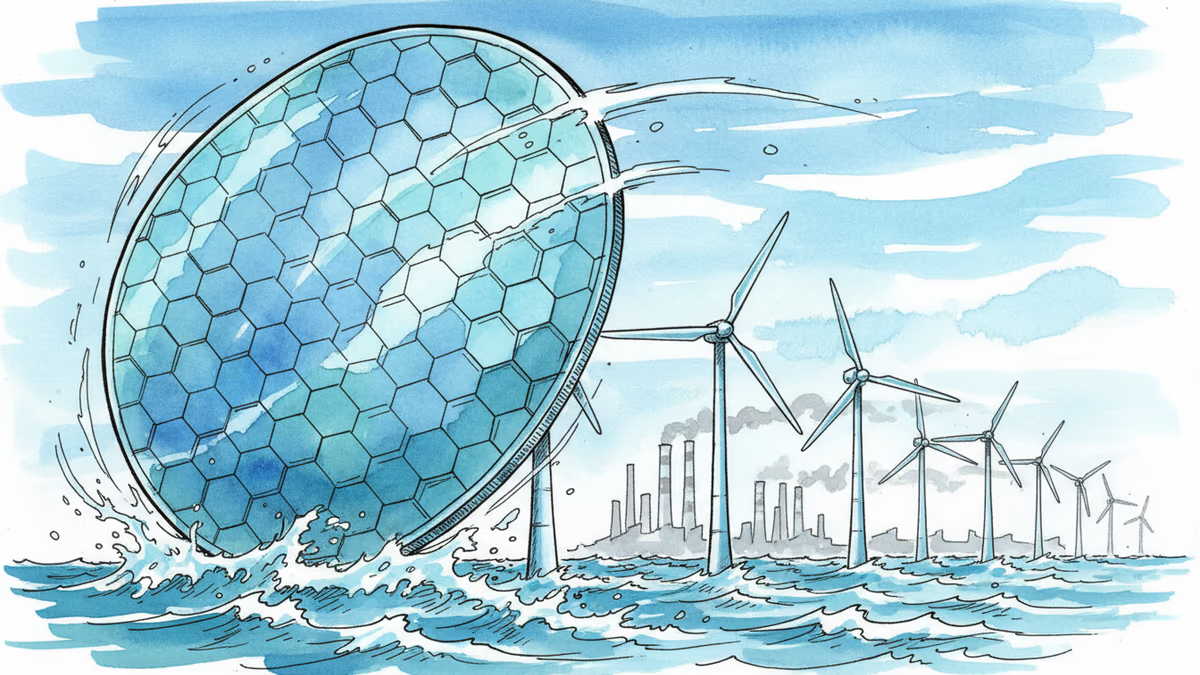
TSMC has signed a 30-year power purchase agreement for 100% of output from Taiwan's Hai Long offshore wind project. The 1GW deal reveals how chipmakers are quietly becoming energy companies.
The US government invested $2 billion in quantum computing startups, but Congress says the money was never authorized for that purpose. The fate of IBM-backed Anderon hangs in the balance.
Beijing added an Nvidia gaming chip to its customs ban list the same week Jensen Huang visited China with Trump. Here's what it means for the chip war—and who actually wins.
Taiwan's Thunder Tiger became the first Asian firm to win US military drone clearance with a China-free supply chain. As Trump meets Xi, the drone arithmetic reshapes defense strategy.
TSMC has signed a 30-year power purchase agreement for 100% of output from Taiwan's Hai Long offshore wind project. The 1GW deal reveals how chipmakers are quietly becoming energy companies.
Thoughts
Share your thoughts on this article
Sign in to join the conversation