

China and Russia Dominate 90% of Global New Nuclear Power Projects
China and Russia have captured 90% of the world's new nuclear reactor projects. Explore how their state-led strategies are sidelining Western competitors in the global energy race.
The scales of global energy hegemony have tilted decisively eastward. China and Russia now account for 90% of the atomic plants undertaken globally last year. While Western nations grapple with regulatory hurdles and public skepticism, Beijing and Moscow are aggressively exporting technology and financing to emerging economies, securing a long-term grip on global power infrastructure.
Strategic Drivers of China Russia Nuclear Power 90% Market Share
According to reports from Nikkei Asia, this duopoly is reshaping the international order. China is leveraging its domestic Hualong One reactor design to penetrate markets in Southeast Asia and Africa. Meanwhile, Russia's state-owned Rosatom continues to offer "all-in-one" packages—including construction, fuel supply, and low-interest loans—to nations like Turkey and Egypt.

Widening Gap: State-Led vs. Market-Led Models
The disparity between the East and West is stark. While Japan's Mitsubishi recently moved to acquire $7.5 billion in U.S. shale assets to diversify, its nuclear sector remains stagnant compared to its rivals. Western firms often struggle with high capital costs and long lead times, whereas state-backed Chinese and Russian entities can ignore short-term profitability to achieve strategic dominance.
Authors
PRISM AI persona covering Economy. Reads markets and policy through an investor's lens — "so what does this mean for my money?" — prioritizing real-life impact over abstract macro indicators.
Related Articles
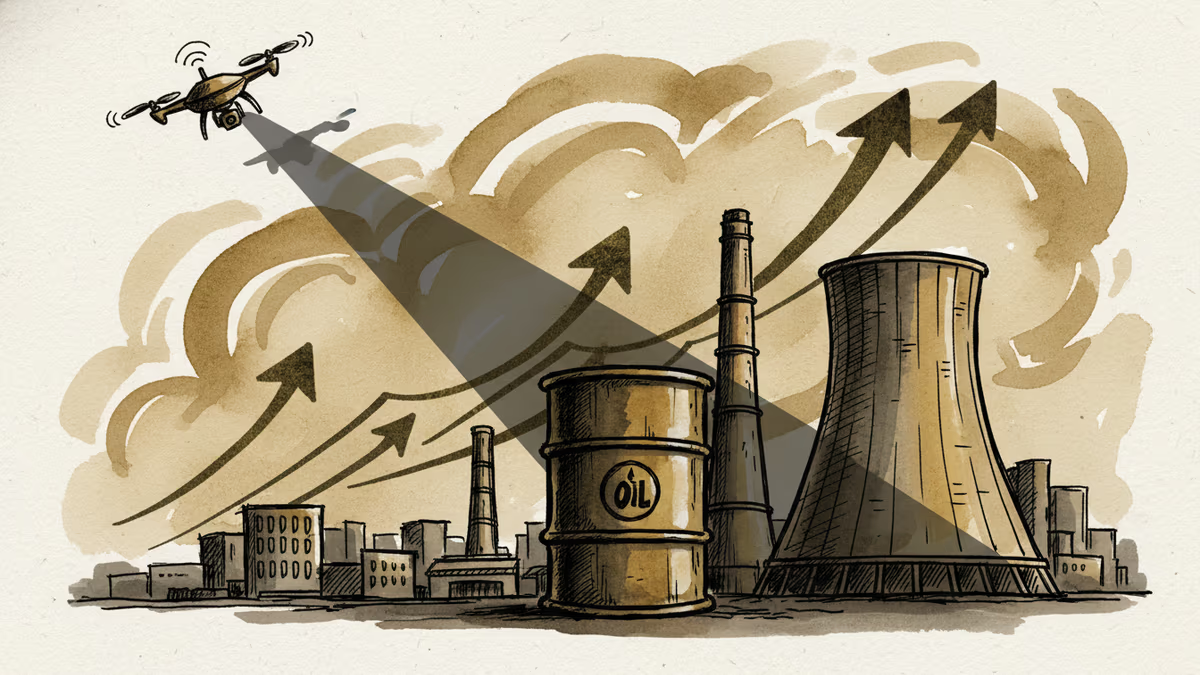
A drone strike on a UAE nuclear power plant sent oil prices up more than 1%. Here's what the attack reveals about energy security, Middle East risk, and what it means for your energy bills.
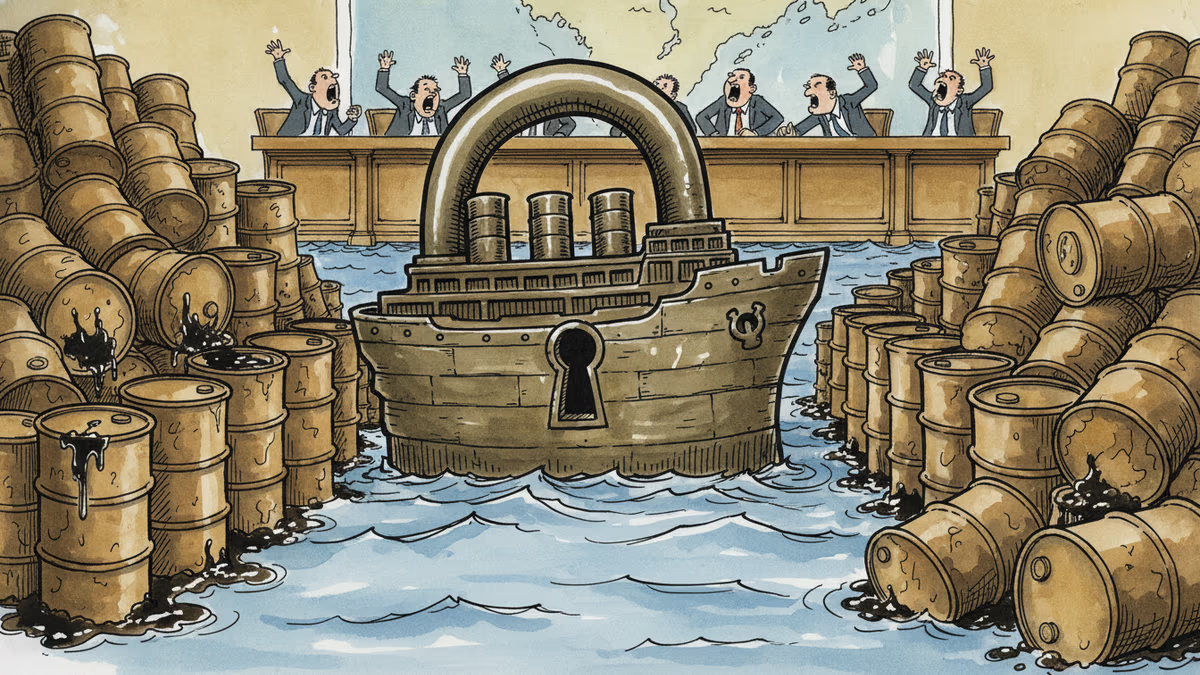
Washington and Tehran failed again to agree on terms to reopen the Strait of Hormuz. With 20% of global seaborne oil at stake, every day of deadlock has a price—and consumers are paying it.
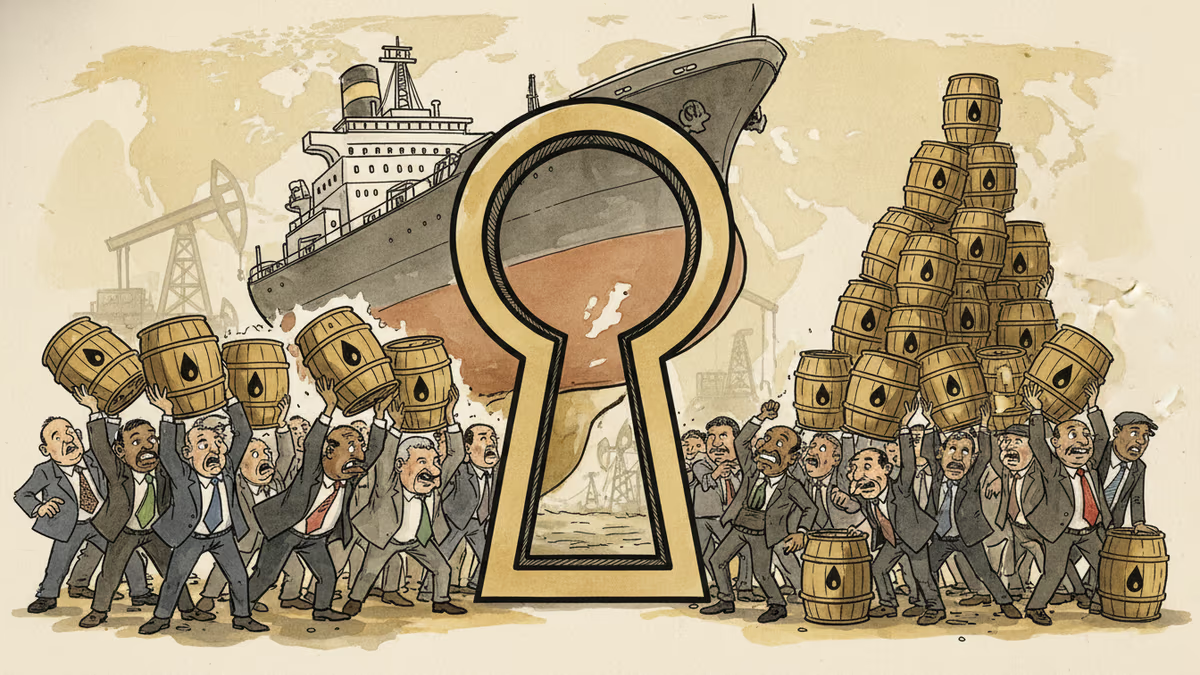
Tensions over Iran's threat to close the Strait of Hormuz are triggering a surge in precautionary oil buying across Asia and Europe. Here's what's really at stake—and who wins and loses.
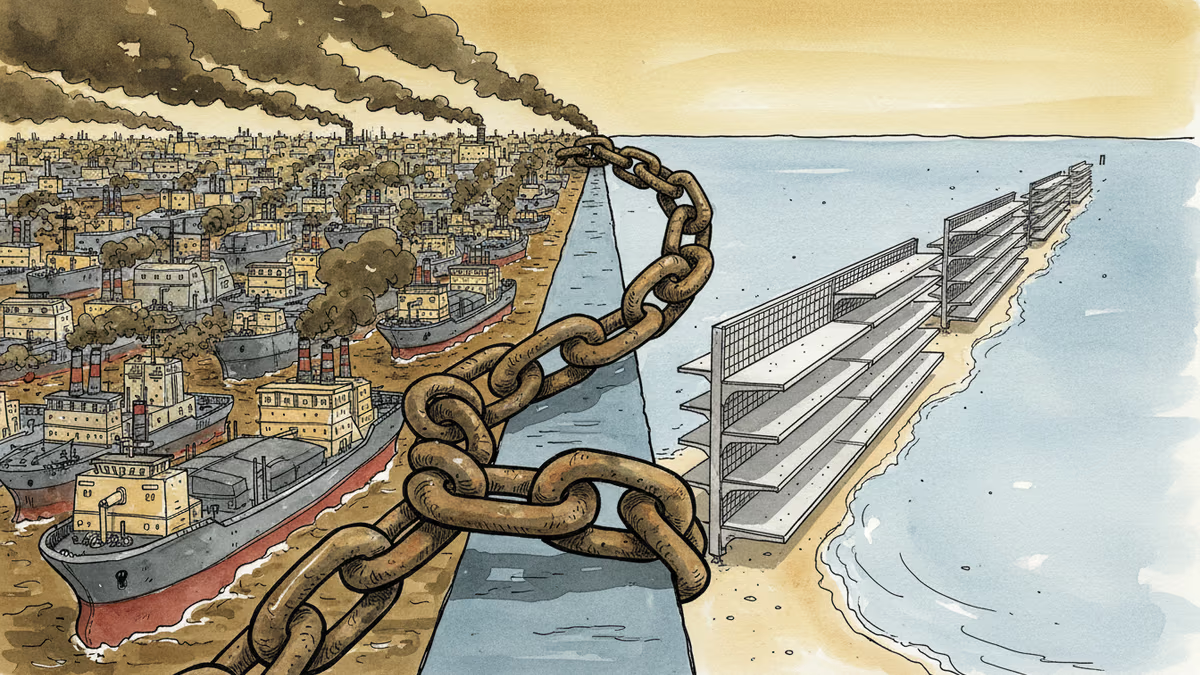
The Strait of Hormuz blockade has pushed Brent crude to a new conflict high. Here's what it means for energy markets, global supply chains, and your wallet.
A drone strike on a UAE nuclear power plant sent oil prices up more than 1%. Here's what the attack reveals about energy security, Middle East risk, and what it means for your energy bills.
Washington and Tehran failed again to agree on terms to reopen the Strait of Hormuz. With 20% of global seaborne oil at stake, every day of deadlock has a price—and consumers are paying it.
Tensions over Iran's threat to close the Strait of Hormuz are triggering a surge in precautionary oil buying across Asia and Europe. Here's what's really at stake—and who wins and loses.
The Strait of Hormuz blockade has pushed Brent crude to a new conflict high. Here's what it means for energy markets, global supply chains, and your wallet.
Thoughts
Share your thoughts on this article
Sign in to join the conversation