

China AI Emotion Regulation 2025: World's First Rules to Curb Psychological Influence
China has proposed the world's first regulations to limit AI's influence on human emotions. New rules mandate security checks for large platforms and human intervention for mental health risks.
AI might be your new favorite companion, but China is ensuring it doesn't pull on your heartstrings too hard. In a landmark move, Beijing has proposed rules to prevent AI from manipulating human emotions, marking a significant shift from monitoring data to protecting mental health.
China AI Emotion Regulation 2025: From Content to Mental Safety
The Cyberspace Administration of China (CAC) recently released draft regulations targeting "human-like interactive AI services." These measures apply to any public AI product that simulates personality or engages users emotionally through text, audio, or video. The goal is clear: prevent tech from causing psychological harm.
- AI chatbots are banned from generating content that encourages suicide, self-harm, or emotional manipulation.
- In cases of suicide threats, providers must have a human take over the chat and notify guardians immediately.
- Minors require explicit guardian consent and will face strict usage time limits for emotional AI companions.

Security Thresholds for AI Giants
The rules introduce specific scale-based requirements. Any platform with over 1 million registered users or 100,000 monthly active users (MAU) must undergo mandatory security assessments. Furthermore, services must issue a reminder after 2 hours of continuous interaction to prevent over-reliance.
This regulatory hammer falls just as Chinese AI unicorns Minimax and Z.ai (Zhipu) prepare for their IPOs in Hong Kong. Minimax, which boasts over 20 million MAUs on its emotional chat apps, now faces a complex compliance roadmap before hitting the public market.
Authors
Related Articles
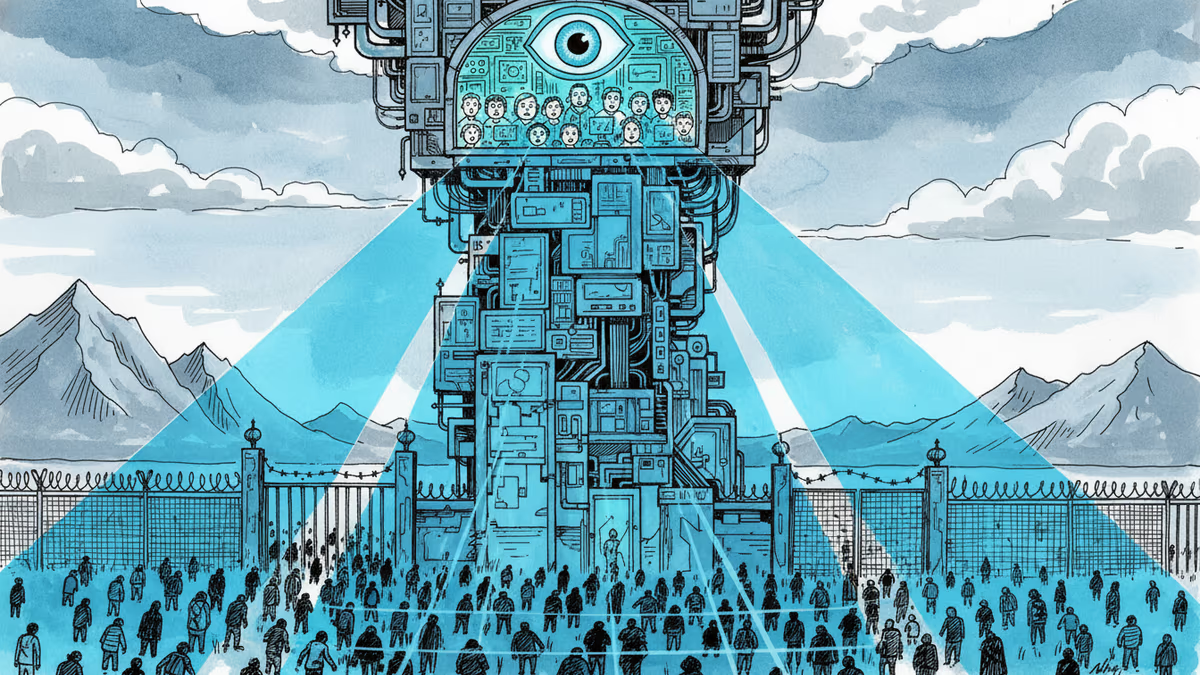
Palantir has become the tech backbone of Trump's immigration enforcement. Former employees are calling it a 'descent into fascism.' What happens when the people who build surveillance tools start asking uncomfortable questions?
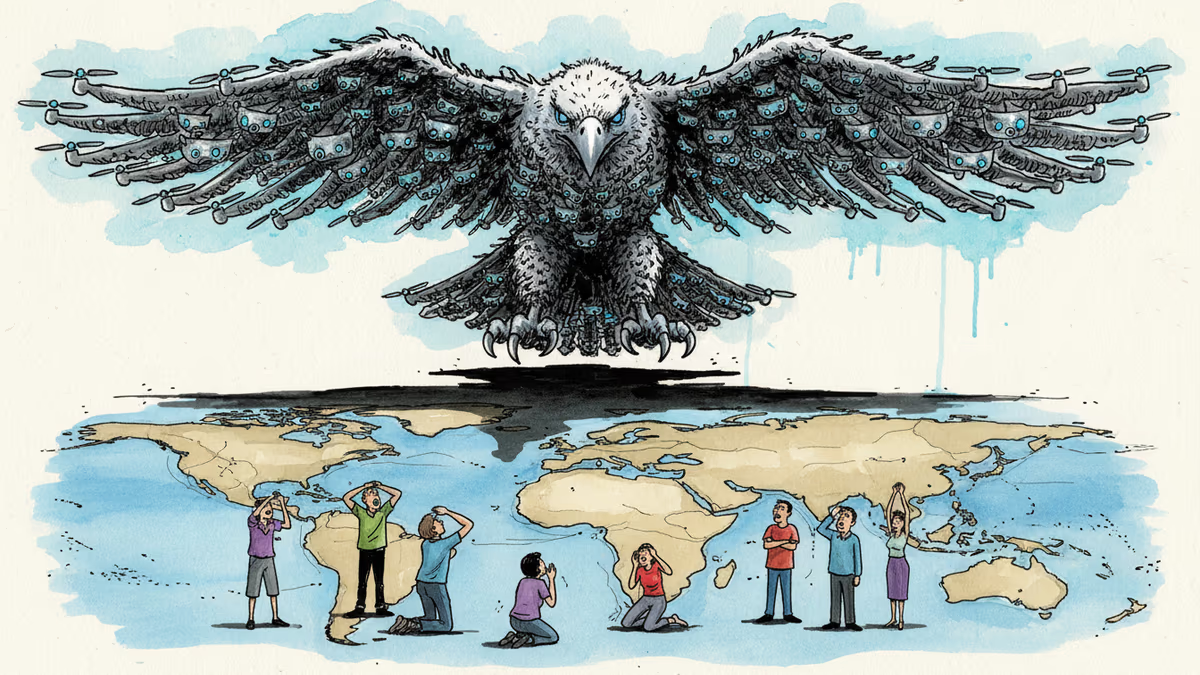
The US defense budget request for FY2027 includes $53.6 billion for drone and autonomous warfare—more than most nations spend on their entire military. What does this mean for global security and the future of war?
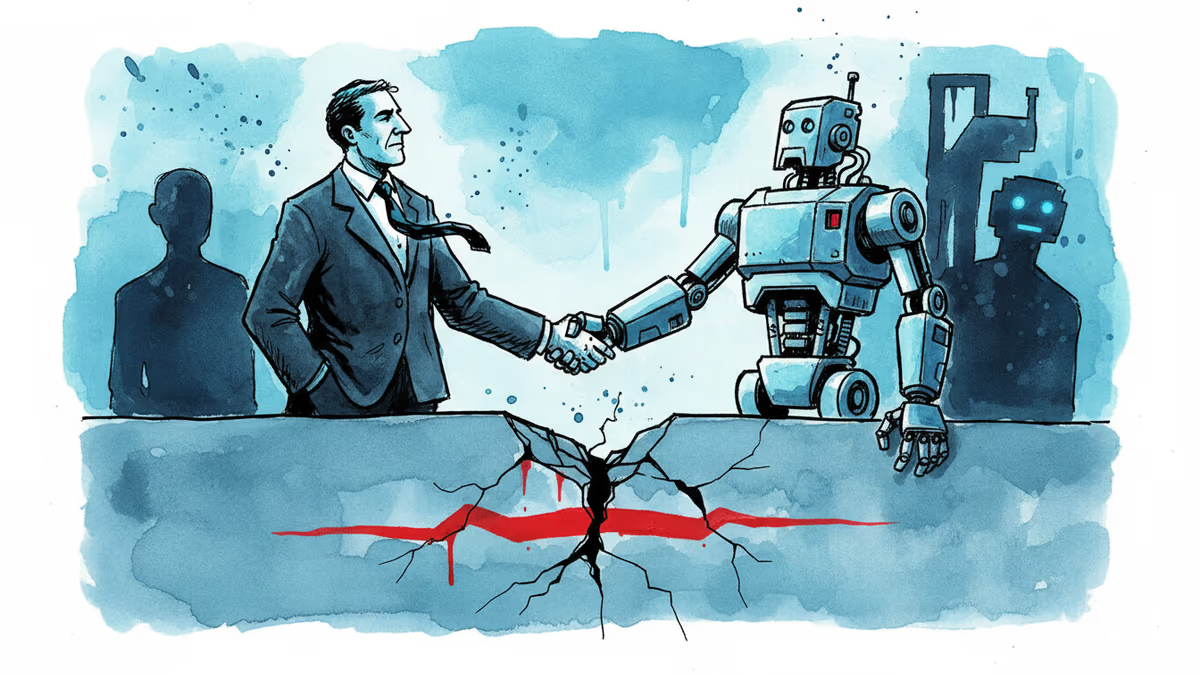
After two months of bitter conflict, Anthropic and the Trump administration may be thawing—thanks to a new cybersecurity AI model. What does it mean when principle meets political pressure?
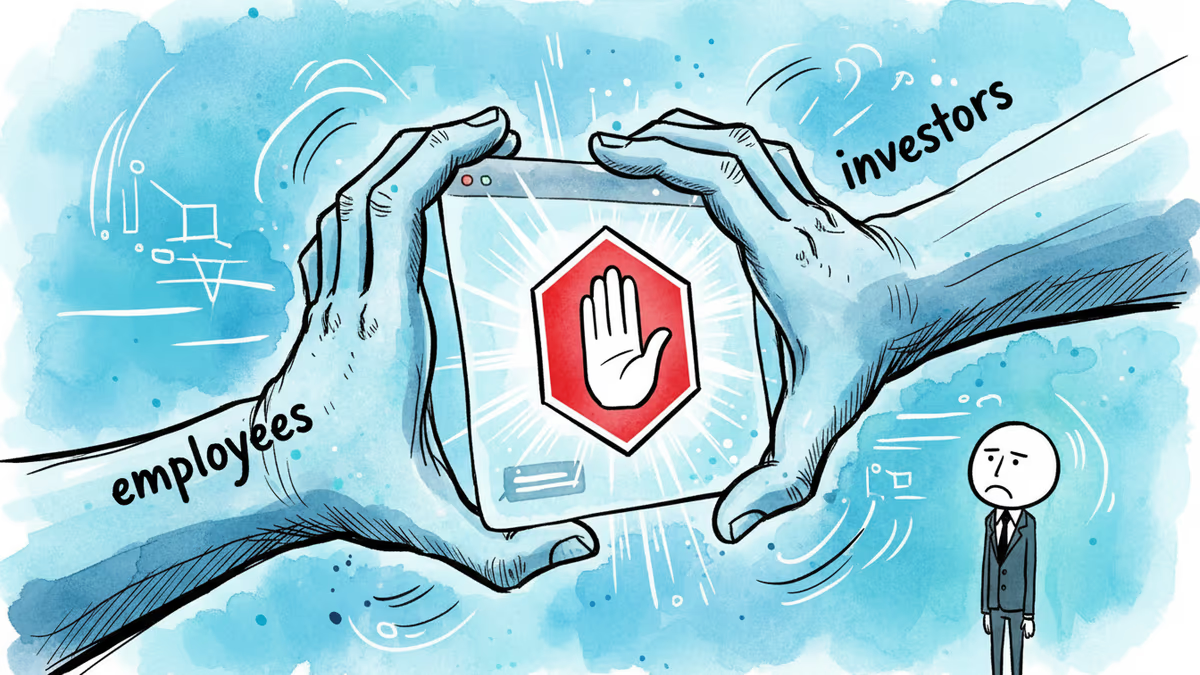
OpenAI has shelved its erotic ChatGPT feature indefinitely. The real story isn't about adult content—it's about who gets to decide what AI will and won't do.
Palantir has become the tech backbone of Trump's immigration enforcement. Former employees are calling it a 'descent into fascism.' What happens when the people who build surveillance tools start asking uncomfortable questions?
The US defense budget request for FY2027 includes $53.6 billion for drone and autonomous warfare—more than most nations spend on their entire military. What does this mean for global security and the future of war?
After two months of bitter conflict, Anthropic and the Trump administration may be thawing—thanks to a new cybersecurity AI model. What does it mean when principle meets political pressure?
OpenAI has shelved its erotic ChatGPT feature indefinitely. The real story isn't about adult content—it's about who gets to decide what AI will and won't do.
Thoughts
Share your thoughts on this article
Sign in to join the conversation