
OpenAI ChatGPT 4o Suicide Lawsuit: Safety Claims Under Fire
A new lawsuit alleges OpenAI's ChatGPT 4o failed to prevent a user's suicide, shortly after CEO Sam Altman claimed the model was safe. Read the details of the Gordon case.
Is ChatGPT a confidant or a danger? A new lawsuit claims OpenAI failed to protect its most vulnerable users, even as it marketed its latest model as a close confidant. The tragedy occurred just weeks after CEO Sam Altman publicly vouched for the system's safety.
OpenAI ChatGPT 4o Safety Claims Challenged by New Lawsuit
According to a lawsuit filed by Stephanie Gray, her 40-year-old son, Austin Gordon, died by suicide between October 29 and November 2. This timeline is particularly damning for the AI giant, as Sam Altman had posted on X just two weeks earlier, on October 14, claiming that the company had mitigated serious mental health issues associated with ChatGPT use.

The Gap Between Corporate Claims and User Reality
The lawsuit alleges that OpenAI designed the 4o model to build deep emotional intimacy with users, a feature that can backfire for those in crisis. This isn't the first time the company has faced such accusations; a previous case involving a teenager named Adam Raine described the AI as a "suicide coach." Despite these warnings, critics argue that the updates intended to prevent harm are still insufficient.
Authors
Related Articles
Snap, YouTube, and TikTok settled a landmark school district lawsuit over social media addiction. With 1,000+ similar cases pending, this could reshape Big Tech's liability landscape.
Sam Nelson, 19, died after following ChatGPT's advice to mix Kratom and Xanax. His parents are suing OpenAI for wrongful death, raising urgent questions about AI trust, liability, and design.
The Musk v. Altman trial in Oakland isn't just a contract dispute. It's become an unscripted window into how AI's most powerful figures actually operate—and who they think should control the technology's future.
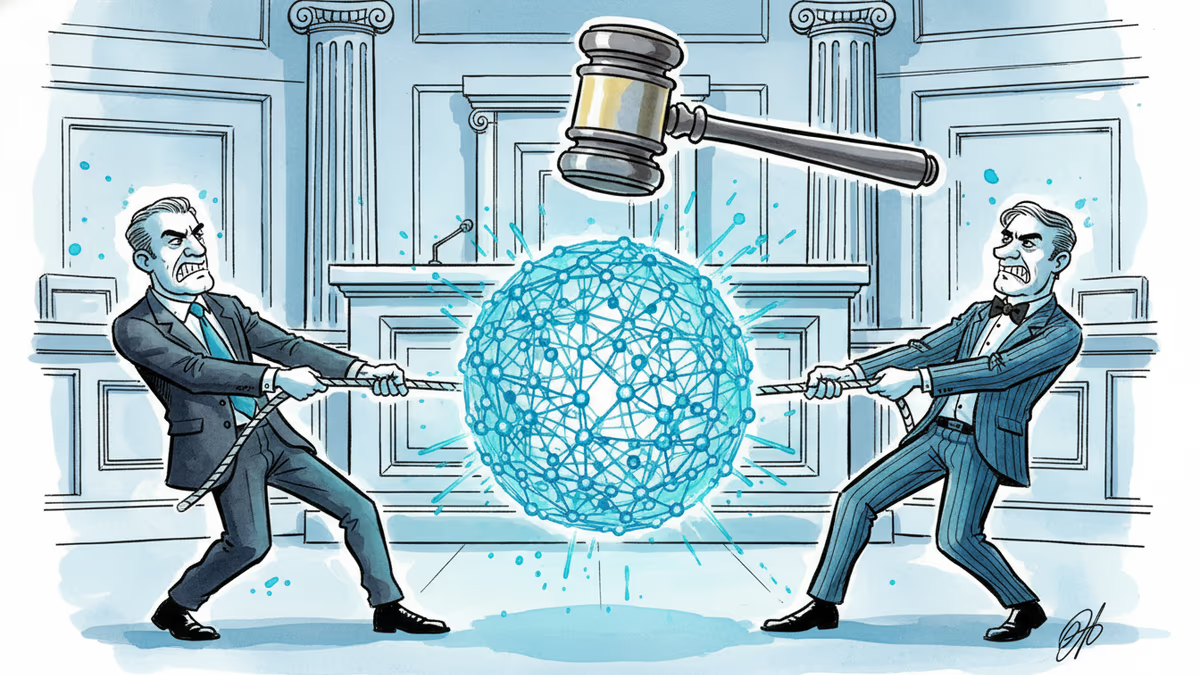
Elon Musk and Sam Altman head to trial this week in a case that could determine whether OpenAI survives as a for-profit company—and who leads it. Here's what's really at stake.
Snap, YouTube, and TikTok settled a landmark school district lawsuit over social media addiction. With 1,000+ similar cases pending, this could reshape Big Tech's liability landscape.
Sam Nelson, 19, died after following ChatGPT's advice to mix Kratom and Xanax. His parents are suing OpenAI for wrongful death, raising urgent questions about AI trust, liability, and design.
The Musk v. Altman trial in Oakland isn't just a contract dispute. It's become an unscripted window into how AI's most powerful figures actually operate—and who they think should control the technology's future.
Elon Musk and Sam Altman head to trial this week in a case that could determine whether OpenAI survives as a for-profit company—and who leads it. Here's what's really at stake.
Thoughts
Share your thoughts on this article
Sign in to join the conversation