
CES 2026: Why RGB LED TV Technology Is the New Gold Standard
Explore the breakthrough CES 2026 RGB LED TV technology from Samsung, Sony, and LG. Discover how 100% BT.2020 color gamut is changing the display industry.
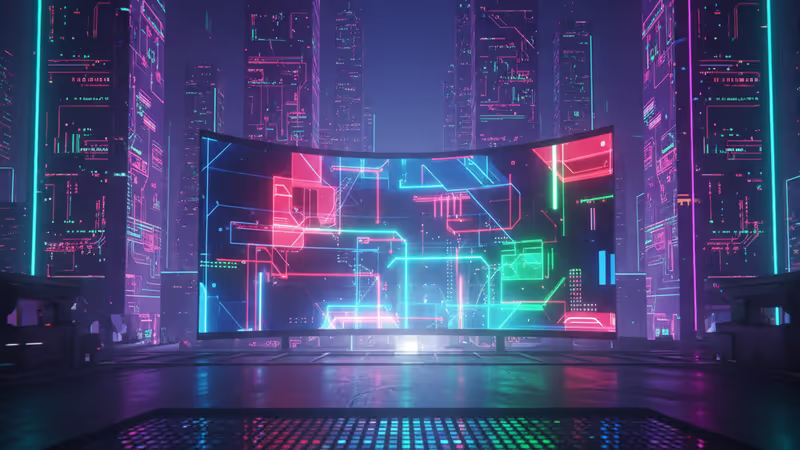
OLED's biggest rival isn't QLED anymore. RGB LED TVs are here to claim the crown for brightness and color accuracy. Announced by titans like Samsung, Sony, and LG at CES 2026, this technology—sometimes dubbed Micro RGB—is set to redefine what we expect from our home theater setups this year.
Defining the CES 2026 RGB LED TV Technology
For years, LED TVs relied on white backlighting to illuminate color filters. That's changing. RGB LED uses arrays of red, green, and blue LEDs to backlight the panel. This doesn't just improve color; it supercharges it. According to reports from WIRED, these displays can reach 100% of the BT.2020 color scale—a feat previously impossible for standard LED sets.
| Feature | Standard QLED | OLED | RGB LED (2026) |
|---|---|---|---|
| Backlight Source | White LED | Self-emissive Pixels | RGB Color LEDs |
| Color Accuracy | Good | Excellent | Extreme (BT.2020 100%) |
| Peak Brightness | High | Low to Medium | Extremely High |
| Burn-in Risk | No | Yes | No |

Battle of the Panels: OLED vs. RGB LED
While OLED has long been the king of black levels, RGB LED offers a brighter alternative for well-lit rooms without the burn-in risk. There are still hurdles, like potential color bleed between backlighting zones, but CES 2026 attendees noted that the prototypes look stunning. As content creators begin to master the BT.2020 palette, these TVs will finally have the media they need to truly shine.
Authors
Related Articles
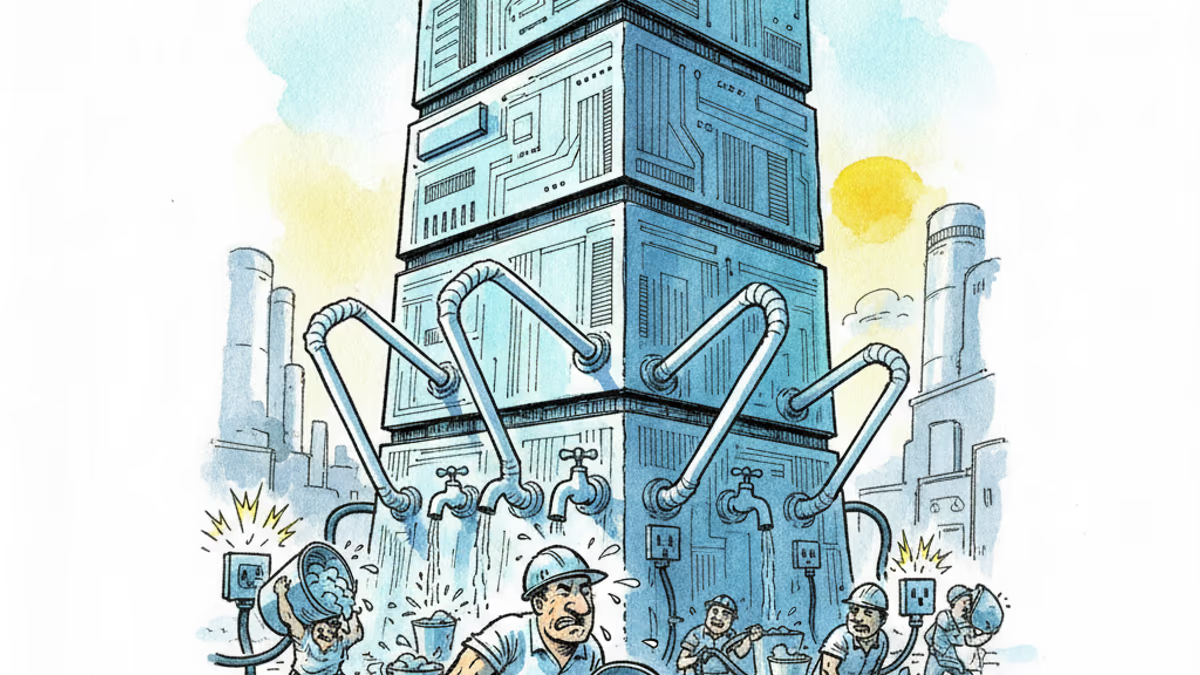
Samsung and SK unveiled a chip and AI investment package worth thousands of trillions of won on June 29. The headline number swings wildly by outlet, but the real contest isn't capital — it's water and power.
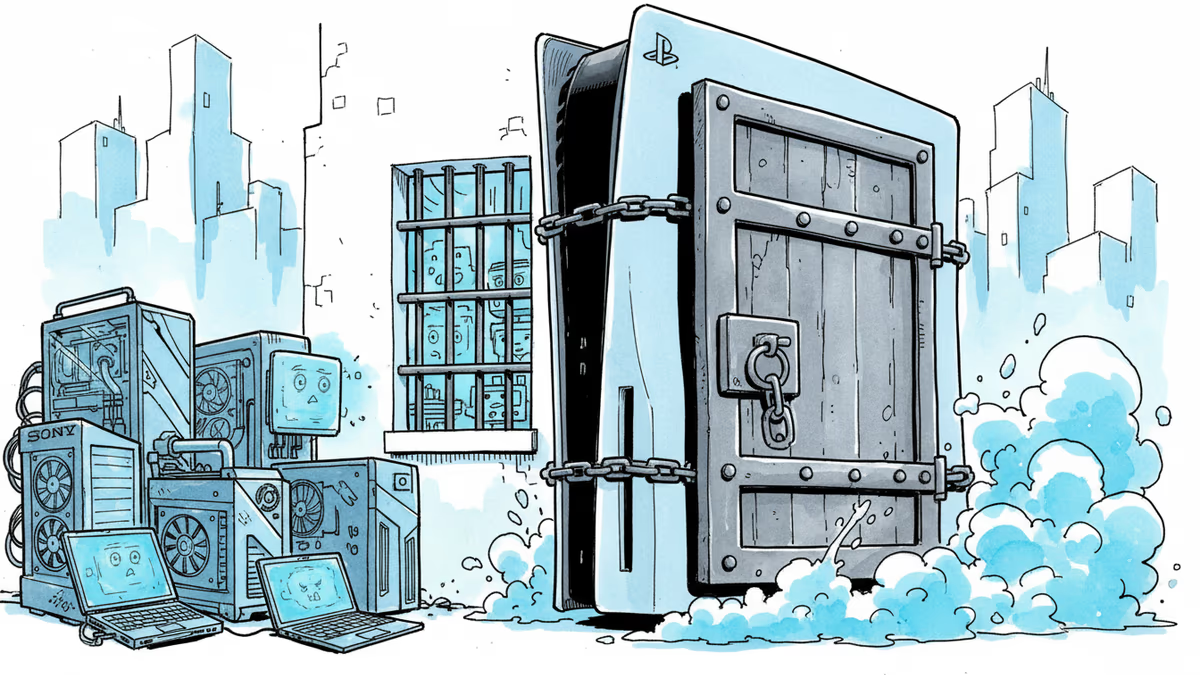
Sony is pulling its major single-player PlayStation games from PC. After six years of multiplatform expansion, the reversal raises hard questions about exclusivity, hardware sales, and who really controls gaming's future.
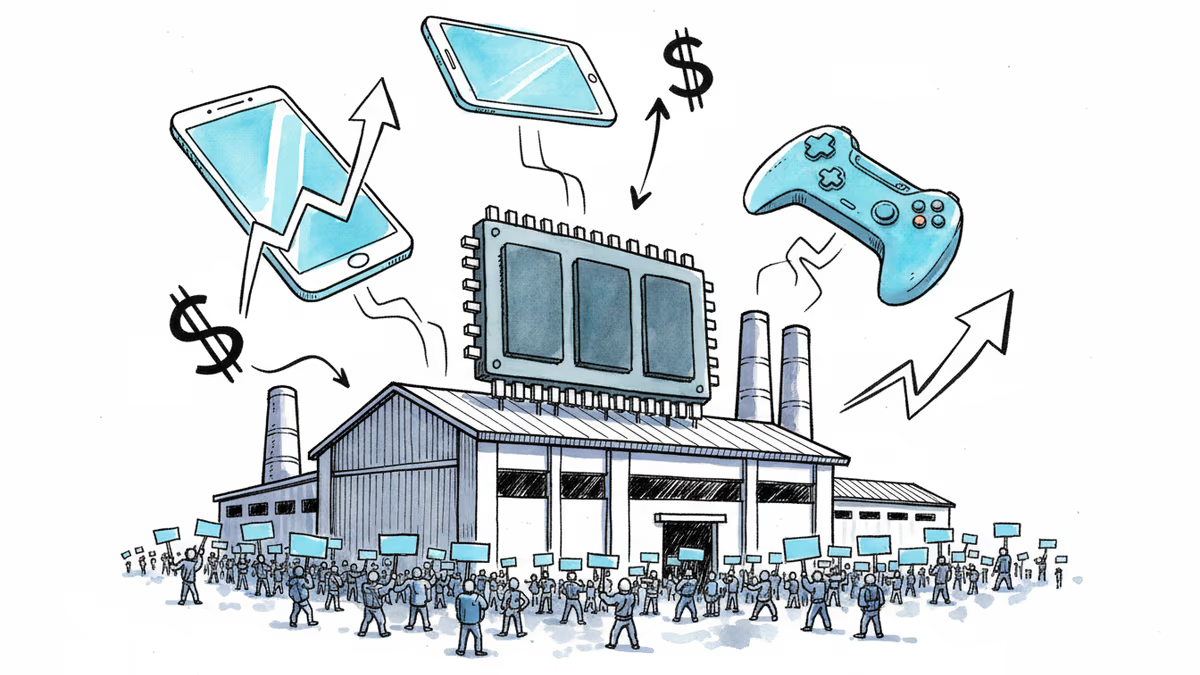
40,000 Samsung union workers rallied at its Pyeongtaek chip plant, threatening an 18-day strike over wages. With AI-driven RAM shortages already lifting consumer prices, the timing couldn't be worse.

Memory makers can't build fabs fast enough. By end of 2027, supply will cover just 60% of demand. Here's why the shortage could last until 2030—and what it means for AI, your devices, and the chip industry.
Samsung and SK unveiled a chip and AI investment package worth thousands of trillions of won on June 29. The headline number swings wildly by outlet, but the real contest isn't capital — it's water and power.
Sony is pulling its major single-player PlayStation games from PC. After six years of multiplatform expansion, the reversal raises hard questions about exclusivity, hardware sales, and who really controls gaming's future.
40,000 Samsung union workers rallied at its Pyeongtaek chip plant, threatening an 18-day strike over wages. With AI-driven RAM shortages already lifting consumer prices, the timing couldn't be worse.
Memory makers can't build fabs fast enough. By end of 2027, supply will cover just 60% of demand. Here's why the shortage could last until 2030—and what it means for AI, your devices, and the chip industry.
Thoughts
Share your thoughts on this article
Sign in to join the conversation