
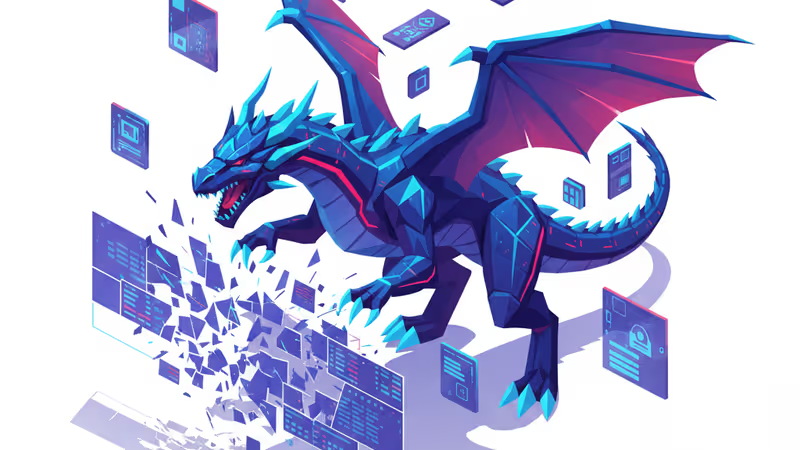
Capcom Targets 100M Annual Game Sales, Doubling Down on R&D After Monster Hunter Success
Monster Hunter creator Capcom is targeting 100 million annual software sales, its president told Nikkei. The plan includes expanding its Osaka R&D hub and continuing developer hirings.
One hundred million games sold per year. That's the ambitious new quest for Capcom, the Japanese studio behind Resident Evil and Monster Hunter. The company plans to nearly double its global software sales, fueled by the recent blockbuster launch of 'Monster Hunter Wilds' and a major expansion of its research and development efforts.
The 100 Million Unit Quest
In a recent interview with Nikkei, Capcom President Haruhiro Tsujimoto laid out the company's goal to hit 100 million units in annual global software sales. This confidence is built on solid performance; the company's latest title, 'Monster Hunter Wilds', sold an impressive 10 million copies in its first month of release alone. The figure signals strong momentum for Capcom's core franchises.

Osaka R&D Hub to Power Growth
To achieve this target, Capcom isn't just relying on existing hits. According to Tsujimoto, the company is transforming its Osaka site into a new R&D hub and will continue its aggressive hiring of developers. This strategic move is designed to incubate future blockbusters and maximize the value of its rich IP portfolio. It’s a clear signal that Capcom views top-tier development talent as the critical resource in an increasingly competitive gaming market.
Authors
Related Articles
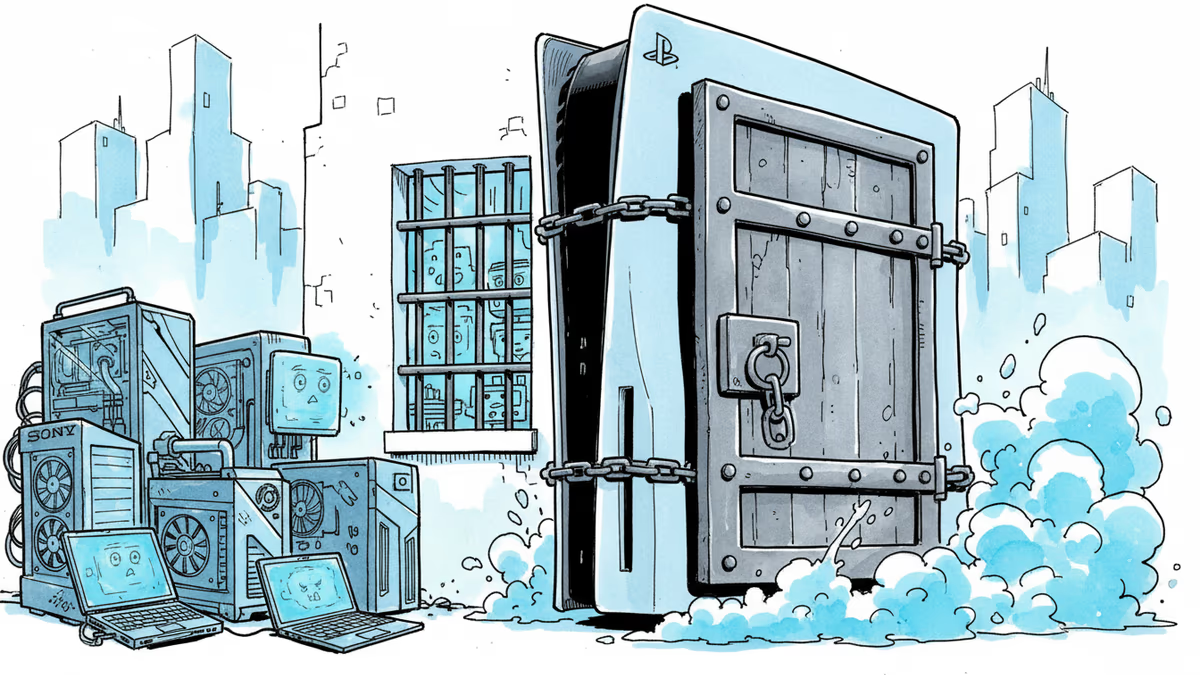
Sony is pulling its major single-player PlayStation games from PC. After six years of multiplatform expansion, the reversal raises hard questions about exclusivity, hardware sales, and who really controls gaming's future.
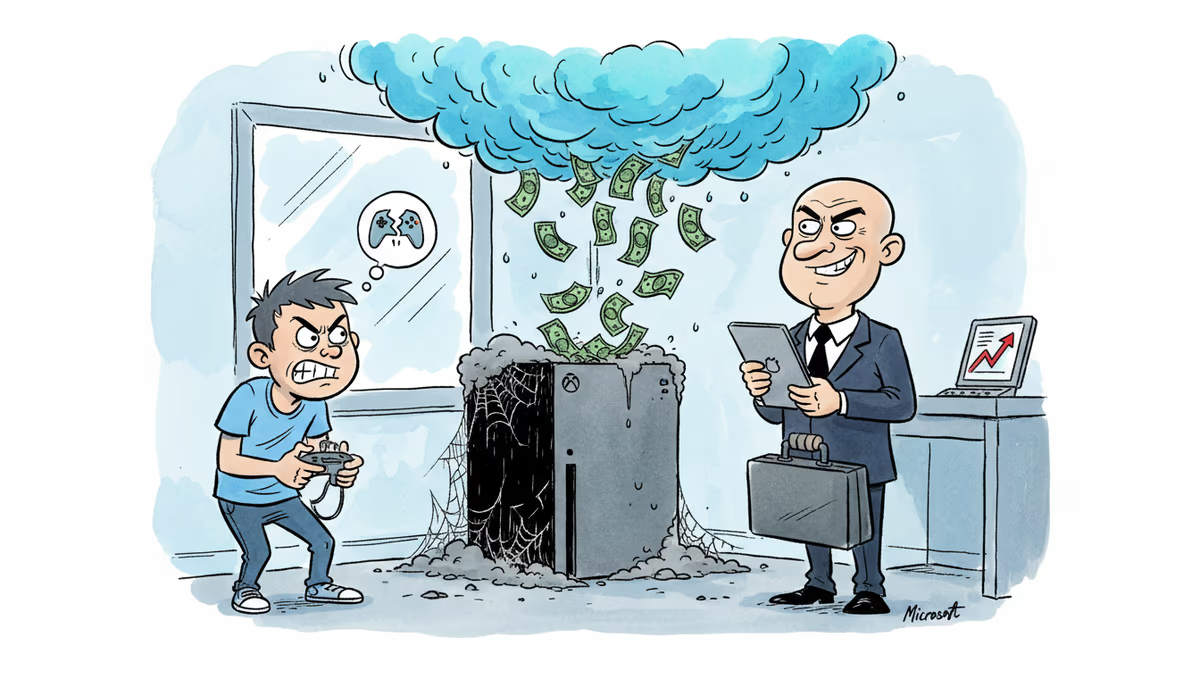
Xbox hardware revenue dropped 33% in Q1 2026, yet Microsoft posted $82.9B in total revenue. What this tells us about the future of gaming—and who actually loses.
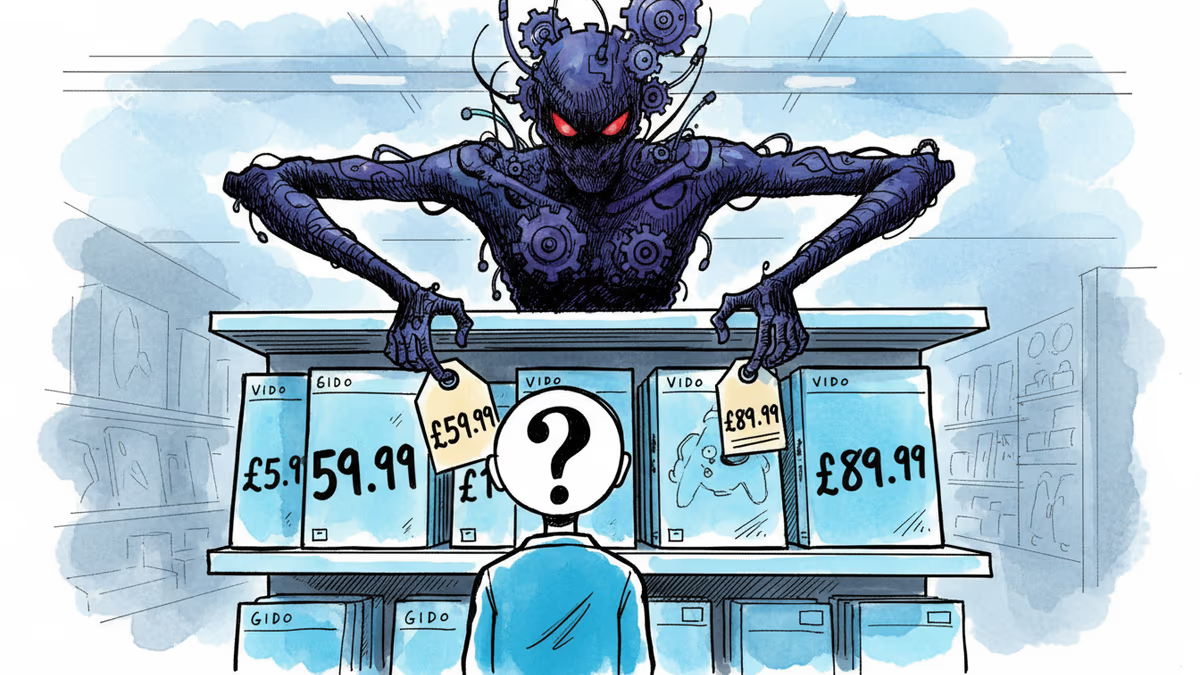
Sony's PlayStation Store has been quietly A/B testing personalized game prices across 150+ titles in 68 regions. Is dynamic pricing coming to gaming — and what does that mean for players?
Pokémon Pokopia debuts exclusively on Nintendo Switch 2. This isn't just a celebration—it's a calculated move that could reshape how we think about franchise expansion.
Sony is pulling its major single-player PlayStation games from PC. After six years of multiplatform expansion, the reversal raises hard questions about exclusivity, hardware sales, and who really controls gaming's future.
Xbox hardware revenue dropped 33% in Q1 2026, yet Microsoft posted $82.9B in total revenue. What this tells us about the future of gaming—and who actually loses.
Sony's PlayStation Store has been quietly A/B testing personalized game prices across 150+ titles in 68 regions. Is dynamic pricing coming to gaming — and what does that mean for players?
Pokémon Pokopia debuts exclusively on Nintendo Switch 2. This isn't just a celebration—it's a calculated move that could reshape how we think about franchise expansion.
Thoughts
Share your thoughts on this article
Sign in to join the conversation