
Driverless Trucks Triple Their Texas Routes: What It Really Means
Aurora expands autonomous truck network 3x across Southern US. As driverless trucks go mainstream, how will this reshape logistics, jobs, and daily commerce?
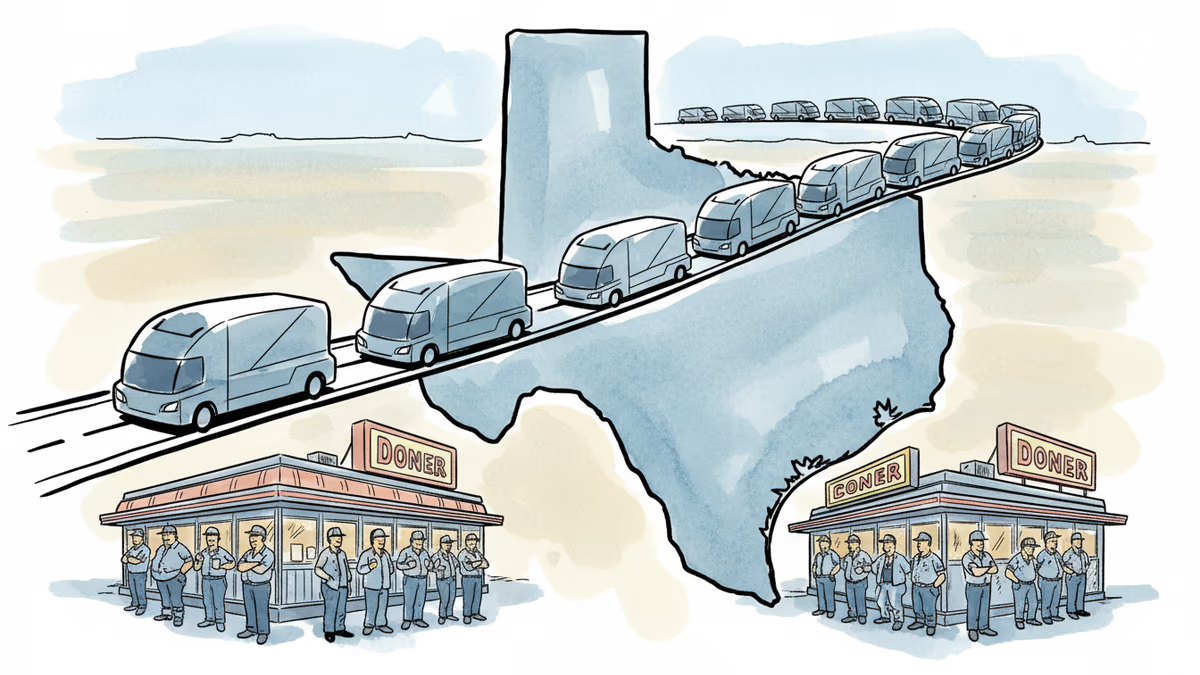
Ten trucks cruise Texas highways carrying 80-ton loads. No drivers. No safety monitors. Just sensors, software, and a bold bet that the future of freight is already here.
Aurora, founded by former Google self-driving car veterans, just announced it's tripling its driverless network to 10 routes across the Southern US. The company's 10 autonomous trucks currently run between Dallas, Houston, Fort Worth, and El Paso—a proof of concept that's becoming proof of viability.
This isn't Aurora's first rodeo. Four software updates have progressively unlocked capabilities: first, driverless Dallas-Houston runs; then night driving; now a full network expansion. Each update represents months of data collection, edge-case training, and regulatory navigation.
Why Logistics Giants Are Paying Attention
America faces a 80,000-driver shortage that's projected to hit 160,000 by 2030. Aurora's expansion isn't just tech theater—it's a potential lifeline for an industry hemorrhaging talent.
The math is compelling: autonomous trucks can operate 24/7, don't require rest breaks, and eliminate the largest variable cost in long-haul trucking. One logistics executive told us, "Finding drivers is harder than finding trucks these days."
But reactions split along predictable lines. Shipping companies see cost savings and reliability gains. Truckers' unions see job displacement. Safety advocates want more crash data before celebrating.

The Ripple Effects Begin
Consumers might notice changes first in overnight delivery. If trucks can drive through the night without fatigue concerns, express shipping costs could plummet. Amazon, FedEx, and UPS are all watching Aurora's metrics closely.
Retailers see inventory advantages too. More predictable delivery windows mean leaner stock requirements and better cash flow. One major retailer's supply chain VP called it "the holy grail of just-in-time logistics."
The Skeptics Have Valid Points
Aurora's safety record is clean so far, but scale changes everything. Ten trucks on familiar routes is different from hundreds navigating construction zones, weather emergencies, and the infinite edge cases of real-world driving.
Regulators remain cautious. The National Highway Traffic Safety Administration wants extensive data before approving wider deployments. State transportation departments worry about liability frameworks when things go wrong.
Insurance companies are recalculating risk models entirely. Who's liable when an autonomous truck causes an accident? The manufacturer? The shipping company? The software provider?
Authors
Related Articles

Swedish startup Einride raises $113M ahead of NYSE debut, deploying 200 autonomous trucks for major brands. The logistics revolution accelerates.

Dubai signs deals with three unproven US transport companies after previous $450M Hyperloop failure and GM Cruise debacle. Will underground tunnels, flying pods, and air taxis work?
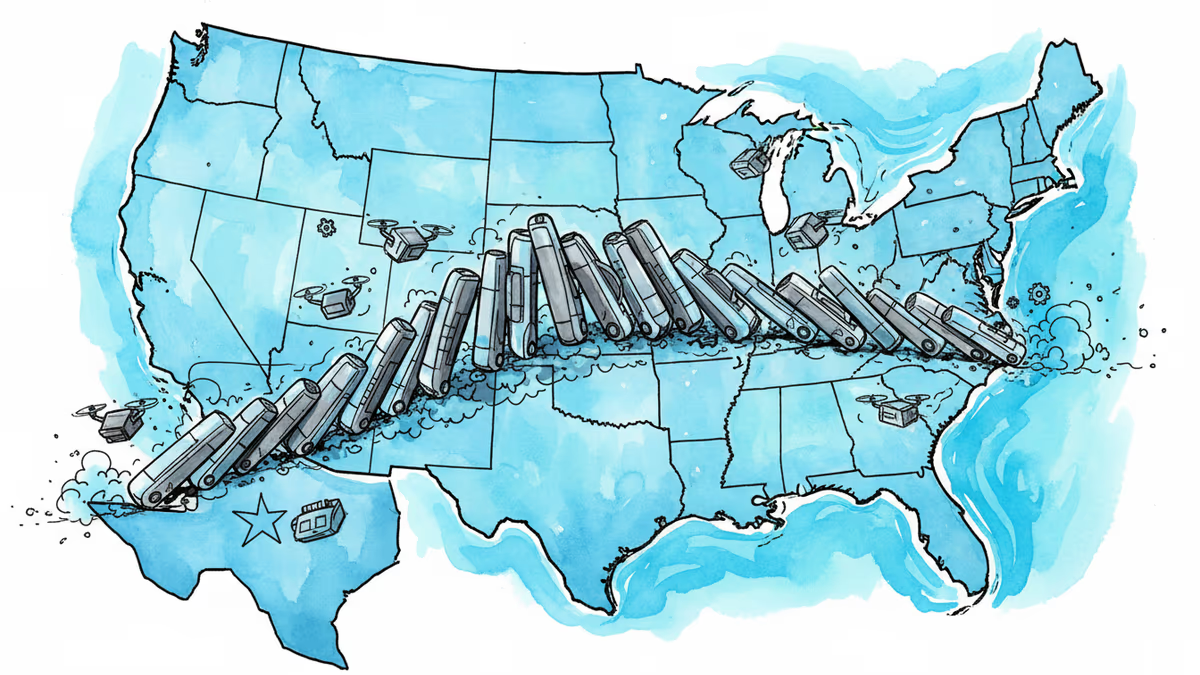
Waymo launches robotaxi services in Dallas, Houston, San Antonio, and Orlando simultaneously, expanding from 3 to 10 cities in just one year. Analyzing the strategy behind this aggressive rollout and what it means for the autonomous vehicle industry.
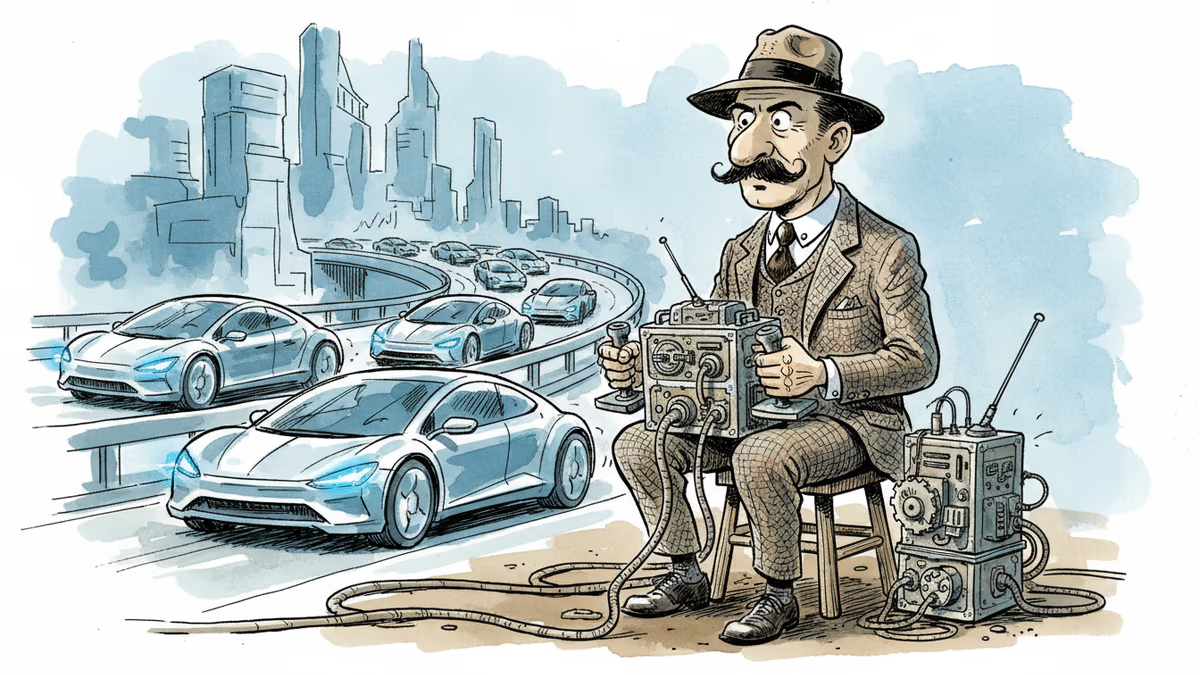
A Spanish engineer's 1903 wireless control invention laid the groundwork for today's autonomous vehicle revolution. Leonardo Torres Quevedo's Telekino changed everything
Swedish startup Einride raises $113M ahead of NYSE debut, deploying 200 autonomous trucks for major brands. The logistics revolution accelerates.
Dubai signs deals with three unproven US transport companies after previous $450M Hyperloop failure and GM Cruise debacle. Will underground tunnels, flying pods, and air taxis work?
Waymo launches robotaxi services in Dallas, Houston, San Antonio, and Orlando simultaneously, expanding from 3 to 10 cities in just one year. Analyzing the strategy behind this aggressive rollout and what it means for the autonomous vehicle industry.
A Spanish engineer's 1903 wireless control invention laid the groundwork for today's autonomous vehicle revolution. Leonardo Torres Quevedo's Telekino changed everything
Thoughts
Share your thoughts on this article
Sign in to join the conversation