
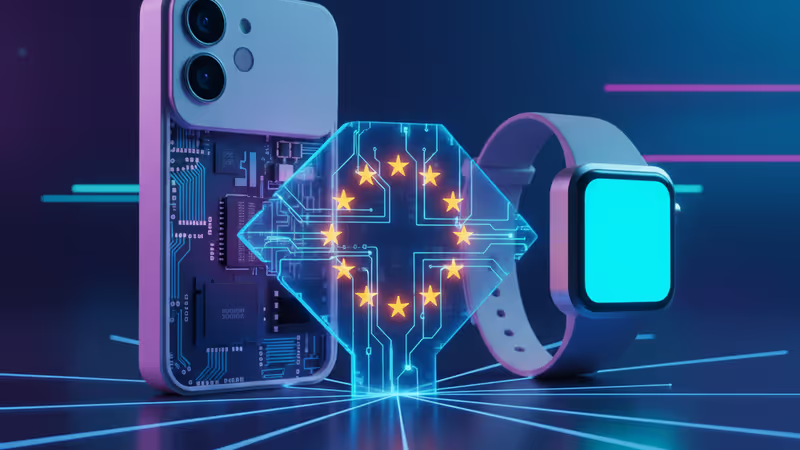
Apple's Next iOS Update Is a Big Win for Europe, Thanks to DMA Pressure
Apple is introducing EU-exclusive features in iOS 26.3 to comply with the Digital Markets Act (DMA), including better third-party device pairing. We analyze the impact of regulation on Apple's ecosystem.
Apple is rolling out significant new interoperability features in , but there's a major catch: they're exclusively for users in the European Union. The move is a direct result of the EU's landmark , and regulators in Brussels are pleased.
According to the Wall Street Journal, a European Commission spokesperson said the "creates new opportunities for developers to bring to market innovative products and services in Europe," calling it "another step towards a more inter-connected digital ecosystem to the benefit of all EU citizens."
The EC's praise appears to be directed at two key features introduced in the beta. The first is 'Notification Forwarding' for third-party smartwatches, allowing non-Apple wearables to receive iPhone alerts more reliably. The second is believed to be 'Proximity pairing,' which would let users pair third-party devices as seamlessly as they connect AirPods to an iPhone. Together, these changes begin to lower the high walls of Apple's famously closed ecosystem.

It's important to note that these updates aren't a voluntary shift in strategy for Apple, which is reportedly unhappy about the new rules. All three of the major compliance-focused features—including a 'Transfer to Android' function to simplify switching ecosystems—are a direct consequence of the requirements. As such, these new capabilities will not be available to customers outside the European Union.
Apple’s is currently in beta and is expected to be released to the public in January 2026.
Authors
Related Articles
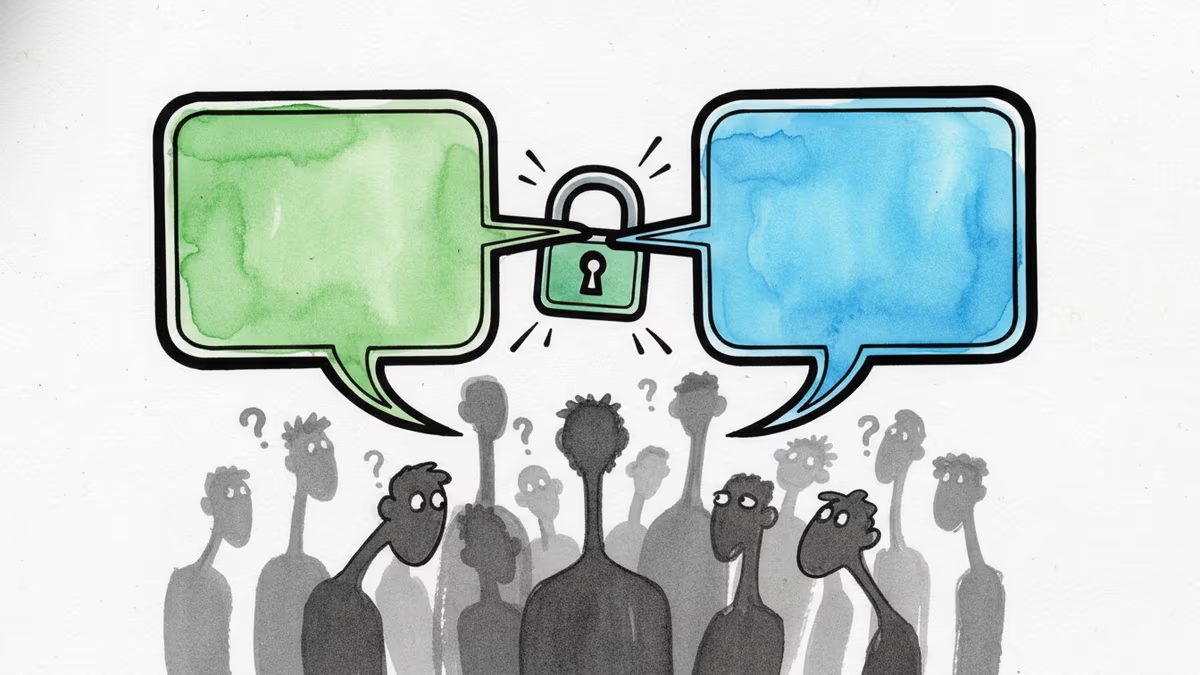
After 15 years of fragmented mobile messaging, Apple and Google are rolling out end-to-end encrypted RCS messaging between iPhones and Android devices. Here's what changed, why it took so long, and what it means for your privacy.
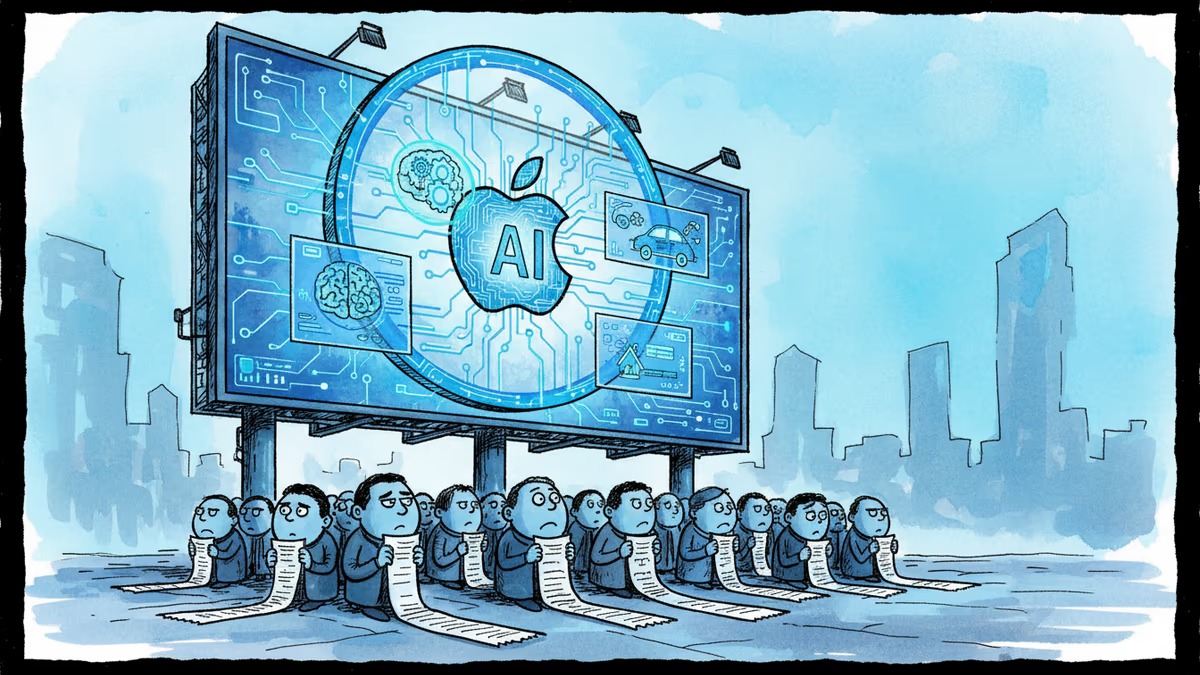
Apple agreed to pay $250 million to settle claims it misled iPhone 16 buyers about Apple Intelligence features. What this means for consumers, Big Tech marketing, and the AI industry.
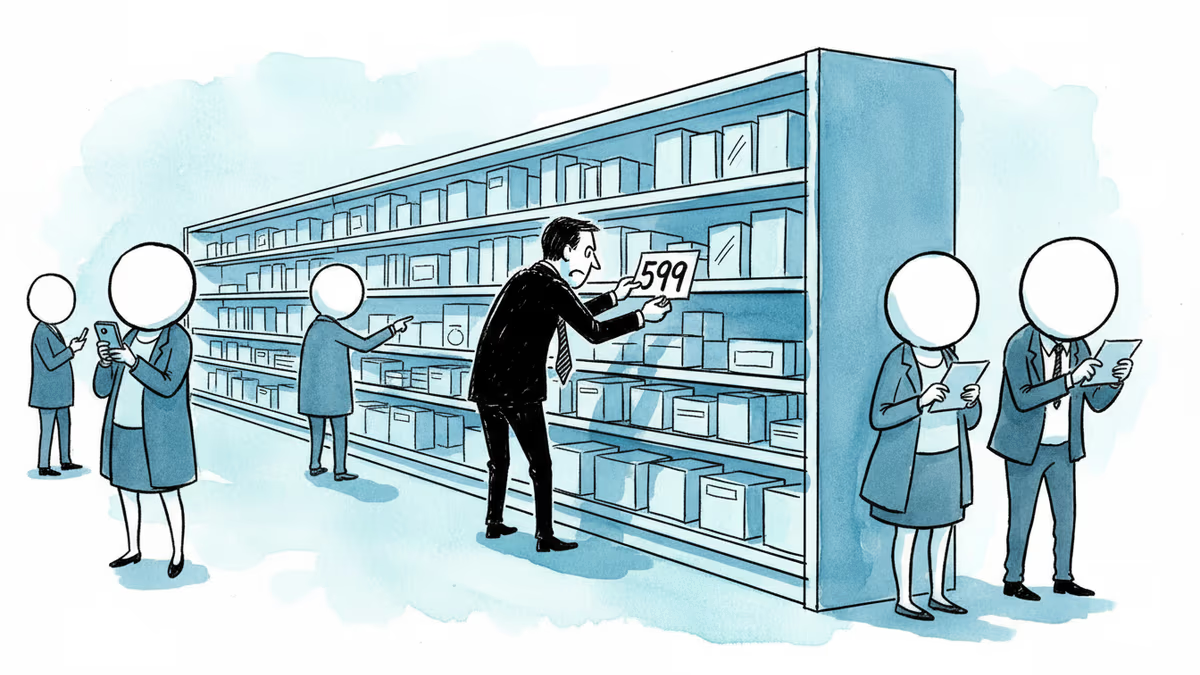
Apple quietly removed the entry-level $599 Mac Mini, raising the starting price to $799 — just one day after Tim Cook warned of chip supply constraints on the earnings call.

Apple names John Ternus, its hardware engineering chief, as the next CEO. The shift from operator to product person signals where Apple thinks its next decade of growth will come from — and raises real questions about what comes next.
After 15 years of fragmented mobile messaging, Apple and Google are rolling out end-to-end encrypted RCS messaging between iPhones and Android devices. Here's what changed, why it took so long, and what it means for your privacy.
Apple agreed to pay $250 million to settle claims it misled iPhone 16 buyers about Apple Intelligence features. What this means for consumers, Big Tech marketing, and the AI industry.
Apple quietly removed the entry-level $599 Mac Mini, raising the starting price to $799 — just one day after Tim Cook warned of chip supply constraints on the earnings call.
Apple names John Ternus, its hardware engineering chief, as the next CEO. The shift from operator to product person signals where Apple thinks its next decade of growth will come from — and raises real questions about what comes next.
Thoughts
Share your thoughts on this article
Sign in to join the conversation