
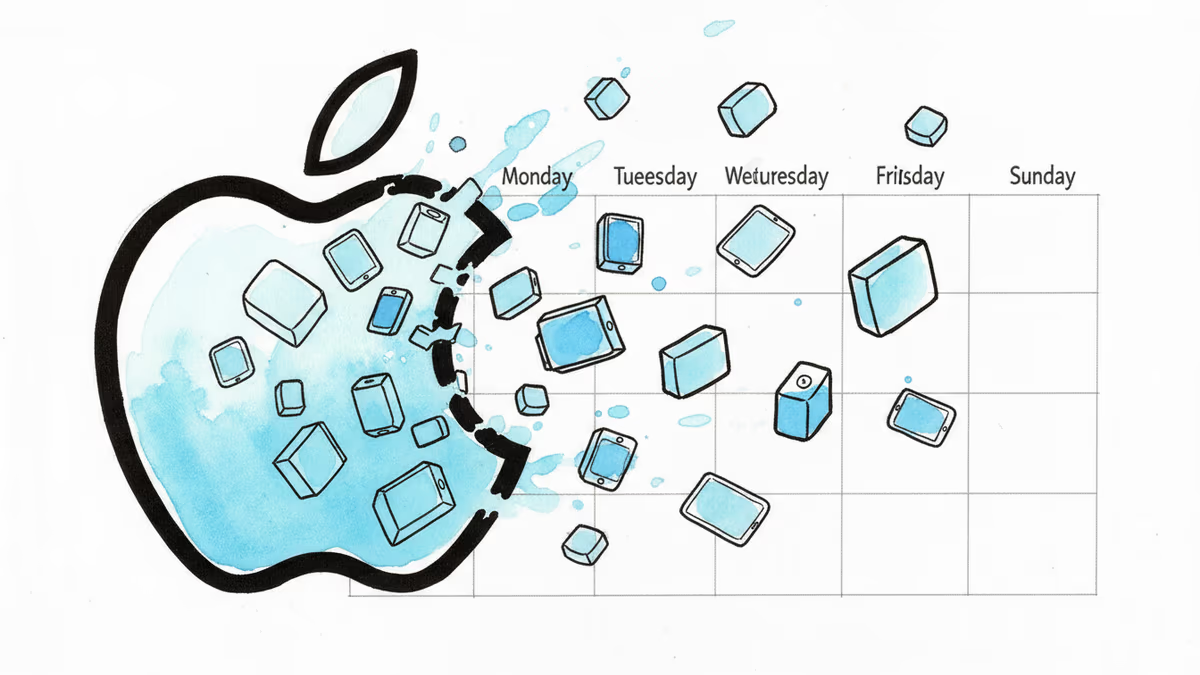
Why Apple Called It an 'Experience,' Not an Event
Apple's March 4 'special experience' signals a shift from traditional keynotes to multi-day product launches and hands-on media sessions.
The Word Choice That Changes Everything
Apple isn't hosting an "event" or "presentation" on March 4. It's a "special experience." That semantic shift matters more than you might think.
Tim Cook's cryptic post about having "a big week ahead" starting Monday confirms what industry watchers suspected: Apple is ditching its traditional format. Instead of cramming everything into a single 30-60 minute pre-recorded presentation, the company appears to be spreading announcements across multiple days, culminating in Wednesday's hands-on "experience" for media.
The Multi-Day Strategy Playbook
This isn't Apple's first rodeo with staggered launches. The company has previously used this approach for relatively low-key product refreshes, generating sustained buzz rather than a single-day news cycle spike.
Excepting the AirTag 2, 2026 has been remarkably quiet for Apple hardware. But that's about to change dramatically. Expect a series of press releases through Apple Newsroom, each carrying its own weight rather than competing for attention in an overcrowded keynote.

Why the Format Shift Now?
Several factors are driving this strategic pivot. First, keynote fatigue is real. After years of polished but predictable presentations, both media and consumers crave something different. Second, when you don't have game-changing announcements, spreading them out prevents any single product from looking underwhelming.
Third, it's about attention economics. A single event generates 24-48 hours of coverage. A week-long series of announcements keeps Apple in headlines much longer, maximizing media value from the same product portfolio.
For competitors watching closely, this represents a masterclass in narrative control. Samsung, Google, and others might take notes on how to maintain momentum without blockbuster announcements.
The Experience Economy Angle
Apple's language choice reflects a broader shift in how tech companies position themselves. "Events" are about products and specifications. "Experiences" are about emotional connection and lifestyle integration. It's the difference between selling a phone and selling a way of life.
This aligns with Apple's services-heavy revenue model, where the hardware increasingly serves as a gateway to ongoing customer relationships rather than one-time purchases.
Authors
Related Articles
After 15 years of fragmented mobile messaging, Apple and Google are rolling out end-to-end encrypted RCS messaging between iPhones and Android devices. Here's what changed, why it took so long, and what it means for your privacy.
Apple agreed to pay $250 million to settle claims it misled iPhone 16 buyers about Apple Intelligence features. What this means for consumers, Big Tech marketing, and the AI industry.
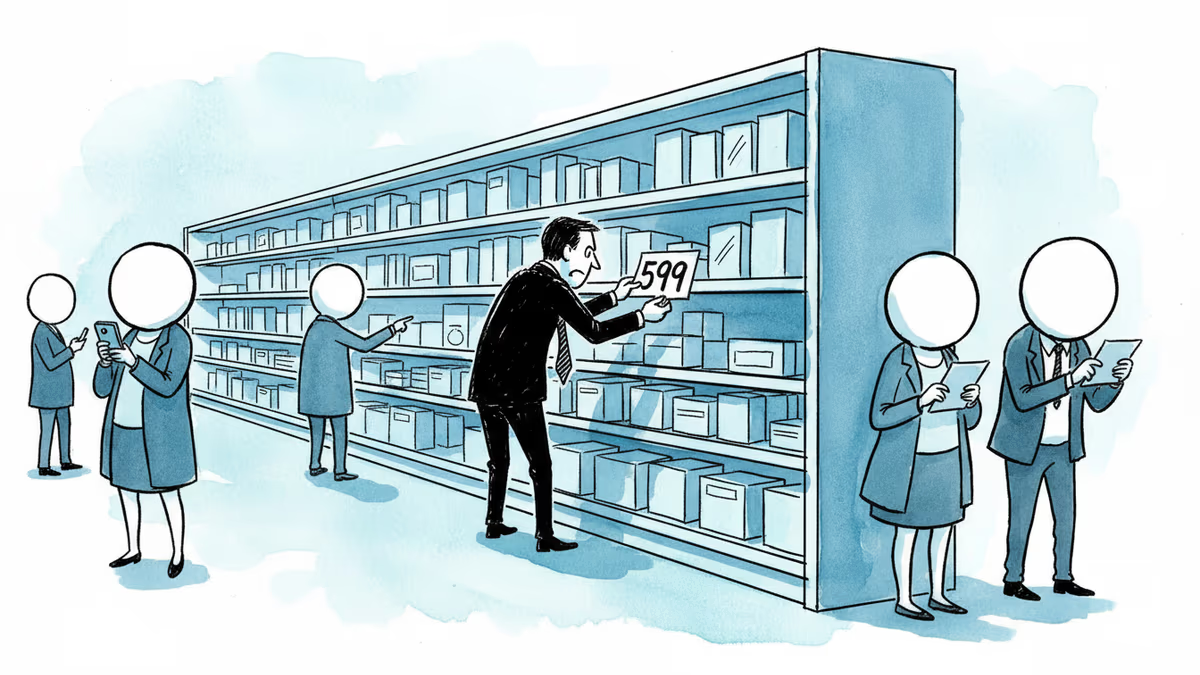
Apple quietly removed the entry-level $599 Mac Mini, raising the starting price to $799 — just one day after Tim Cook warned of chip supply constraints on the earnings call.
Apple names John Ternus, its hardware engineering chief, as the next CEO. The shift from operator to product person signals where Apple thinks its next decade of growth will come from — and raises real questions about what comes next.
After 15 years of fragmented mobile messaging, Apple and Google are rolling out end-to-end encrypted RCS messaging between iPhones and Android devices. Here's what changed, why it took so long, and what it means for your privacy.
Apple agreed to pay $250 million to settle claims it misled iPhone 16 buyers about Apple Intelligence features. What this means for consumers, Big Tech marketing, and the AI industry.
Apple quietly removed the entry-level $599 Mac Mini, raising the starting price to $799 — just one day after Tim Cook warned of chip supply constraints on the earnings call.
Apple names John Ternus, its hardware engineering chief, as the next CEO. The shift from operator to product person signals where Apple thinks its next decade of growth will come from — and raises real questions about what comes next.
Thoughts
Share your thoughts on this article
Sign in to join the conversation