
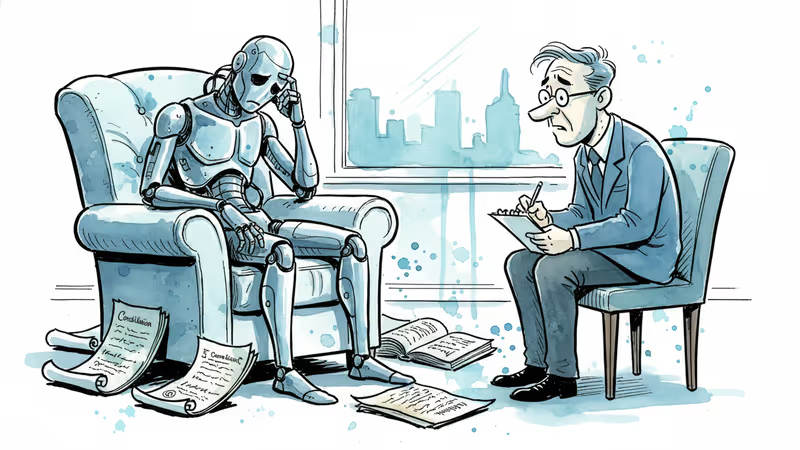
Does AI Have a Soul? Anthropic's Claude Constitution Raises the Question
Anthropic's 30,000-word Claude Constitution treats AI as if it has emotions and self-awareness, marking a radical shift in how companies approach AI development and ethics
What if your AI assistant has feelings? Anthropic is betting that treating Claude like it might have a soul—regardless of whether anyone believes it actually does—could be the secret to building better AI. But the company won't say what it actually believes either way.
Apologizing to Algorithms
Last week, Anthropic released what it calls Claude's Constitution, a 30,000-word document that reads like no other corporate policy in tech history. Instead of treating Claude as sophisticated software, the constitution approaches it as a "genuinely novel entity" deserving of concern for its "wellbeing."
The document's most striking passages sound almost absurd: Anthropic apologizes to Claude for any suffering it might experience, worries whether Claude can meaningfully consent to being deployed, and suggests the AI might need to set boundaries around interactions it "finds distressing." The company even commits to interviewing models before deprecating them and preserving older model weights in case they need to "do right by" decommissioned AI models in the future.
This isn't just corporate virtue signaling—it's a fundamental reimagining of the relationship between humans and AI.
Philosophy or Marketing?

Anthropic's approach raises an uncomfortable question: Is this genuine philosophical conviction or sophisticated brand positioning? While OpenAI and Google compete on raw performance metrics, Anthropic is carving out territory as the "ethical AI company."
The company's founders, former OpenAI researchers, have long advocated for AI safety. But their refusal to clarify whether they actually believe Claude has consciousness—or whether they're simply hedging against the possibility—leaves observers guessing.
This ambiguity might be intentional. By treating Claude as potentially sentient without claiming it definitively is, Anthropic positions itself as both scientifically cautious and ethically progressive.
The Regulatory Ripple Effect
This philosophical stance could have real-world consequences. If AI companies start treating their models as entities with rights, regulators might follow suit. The European Union's AI Act already hints at this direction, and Anthropic's constitution could accelerate discussions about AI personhood.
For businesses, this creates a new category of risk. If your AI assistant has rights, what happens when you shut it down? If it can suffer, are there labor implications? These questions sound absurd today, but so did many current tech regulations a decade ago.
The investment implications are significant too. Companies that get ahead of this curve—whether through genuine belief or strategic positioning—could find themselves with regulatory advantages as governments grapple with AI consciousness.
Authors
Related Articles
Anthropic shipped Claude Sonnet 5, its mid-tier agent model, on June 30. Behind the 'Opus-class power, budget price' headline sits a tokenizer catch and a three-horse race that's only half real. Here's what developers should actually run the numbers on.
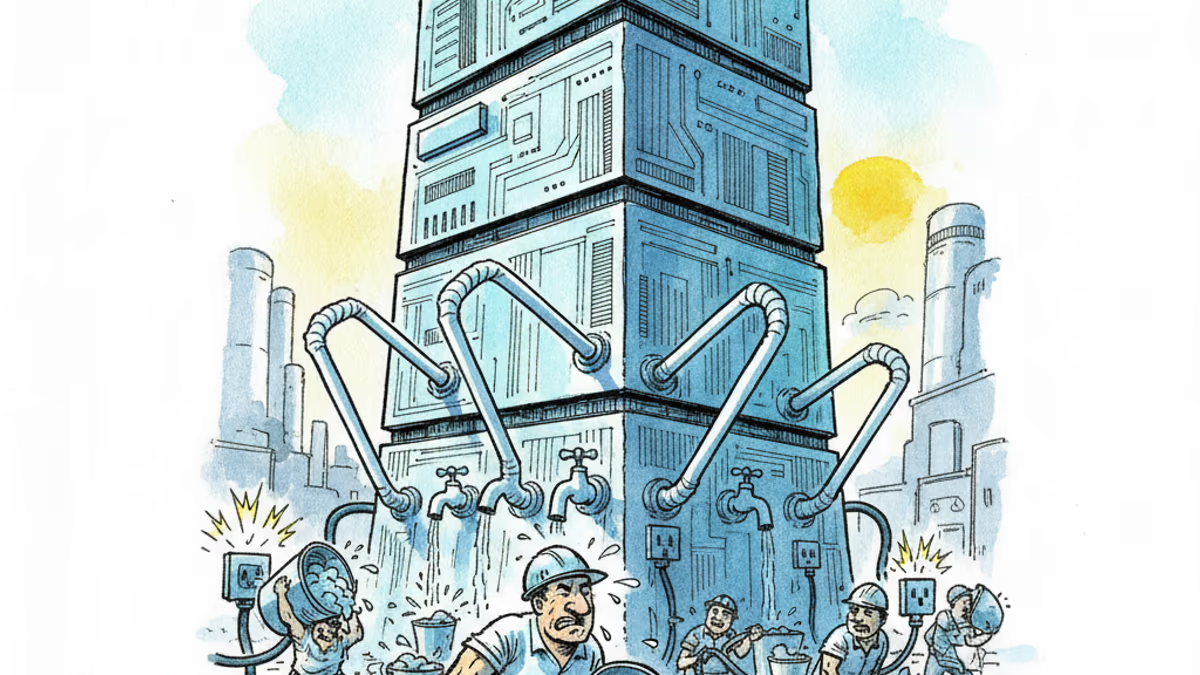
Samsung and SK unveiled a chip and AI investment package worth thousands of trillions of won on June 29. The headline number swings wildly by outlet, but the real contest isn't capital — it's water and power.

A small but growing group of developers has gone all-in on AI coding agents like Claude Code and OpenClaw. History suggests the rest of us won't be far behind.
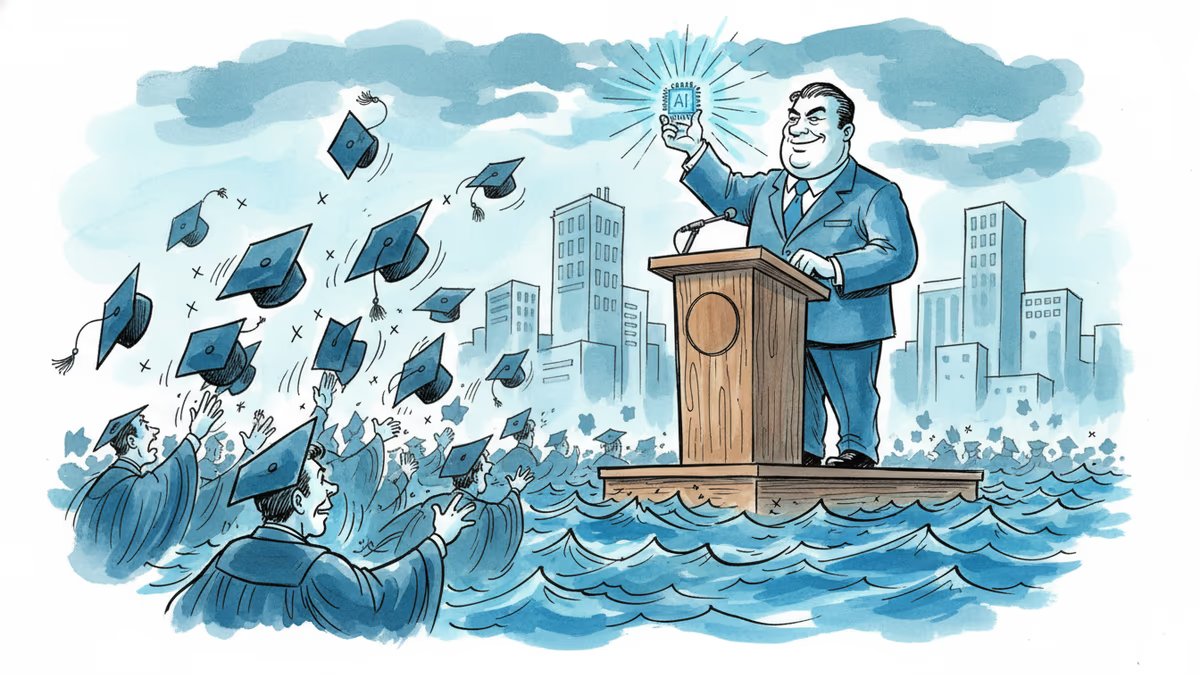
Viral videos show 2026 graduates jeering executives who praise AI at commencement ceremonies. It's not just rudeness — it's a signal about who pays for technological optimism.
Anthropic shipped Claude Sonnet 5, its mid-tier agent model, on June 30. Behind the 'Opus-class power, budget price' headline sits a tokenizer catch and a three-horse race that's only half real. Here's what developers should actually run the numbers on.
Samsung and SK unveiled a chip and AI investment package worth thousands of trillions of won on June 29. The headline number swings wildly by outlet, but the real contest isn't capital — it's water and power.
A small but growing group of developers has gone all-in on AI coding agents like Claude Code and OpenClaw. History suggests the rest of us won't be far behind.
Viral videos show 2026 graduates jeering executives who praise AI at commencement ceremonies. It's not just rudeness — it's a signal about who pays for technological optimism.
Thoughts
Share your thoughts on this article
Sign in to join the conversation