
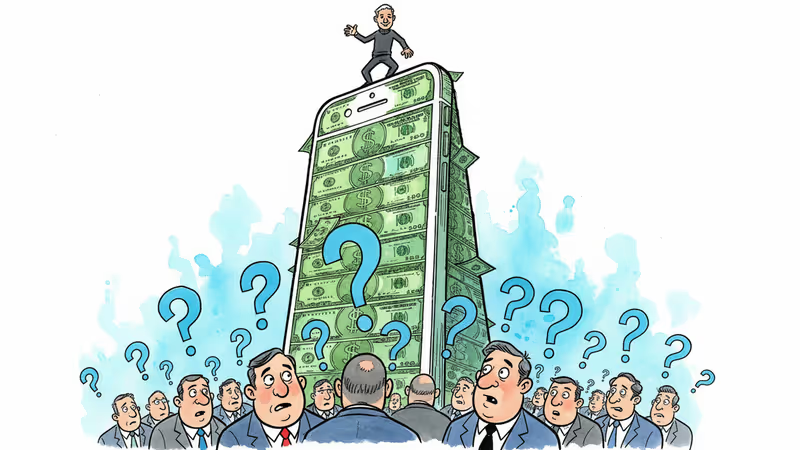
Apple's $85B iPhone Quarter Defies AI Delays and Market Doubts
Despite delayed AI features and market skepticism, Apple's iPhone revenue hit $85.3B in Q1 2026, proving consumer demand remains resilient. What's driving this unexpected success?
$85.3 billion. That's how much Apple made from iPhone sales alone in the last quarter, marking what Tim Cook calls the device's "best-ever" performance. The number becomes even more striking when you consider this happened while the company's much-hyped AI-powered Siri upgrade remains stuck in development limbo.
Apple's Q1 2026 earnings report delivered a masterclass in defying expectations. Total revenue reached $143.8 billion, up 16 percent year-over-year, with the iPhone driving the bulk of this growth. Every geographic segment hit all-time records, suggesting this wasn't just a regional phenomenon but a global surge in demand.
The AI Paradox
Here's what makes this quarter fascinating: consumers bought iPhones in record numbers despite missing the very feature Apple spent months promoting. The delayed AI-enhanced Siri was supposed to be the killer app that would drive the next upgrade cycle. Instead, it seems people didn't wait.
This raises uncomfortable questions for the entire tech industry's AI narrative. If consumers are willing to pay premium prices for devices without cutting-edge AI features, what does that say about the supposed AI revolution? Apple's success suggests that reliable hardware, ecosystem integration, and brand trust might still matter more than the latest algorithmic bells and whistles.
The timing couldn't be more ironic. While competitors rush to cram AI into every product announcement, Apple just proved you can have your best quarter ever without delivering on AI promises.

Services: The Quiet Winner
Beyond the iPhone headlines, Apple's Services division achieved its own milestone with 14 percent growth year-over-year. This segment—encompassing everything from the App Store to iCloud storage—continues to be Apple's most predictable revenue stream.
Services revenue matters because it's recurring, high-margin, and harder for competitors to replicate. While hardware sales can be cyclical, services create ongoing relationships with customers. Each new iPhone sold potentially becomes a long-term services subscriber, multiplying the device's lifetime value.
Market Dynamics at Play
The record-breaking quarter comes amid broader economic uncertainty and increasing smartphone market saturation. Yet Apple managed to grow in every geographic region, suggesting the company has found ways to expand its addressable market even in mature economies.
This success likely reflects several converging factors: pent-up demand from users holding onto older devices longer, the continued appeal of Apple's ecosystem integration, and perhaps most importantly, the company's ability to command premium pricing even when competitors offer similar features at lower costs.
The geographic breadth of the success also indicates that Apple's premium positioning works across diverse economic conditions and cultural contexts.
Authors
Related Articles

Samsung and SK unveiled a chip and AI investment package worth thousands of trillions of won on June 29. The headline number swings wildly by outlet, but the real contest isn't capital — it's water and power.
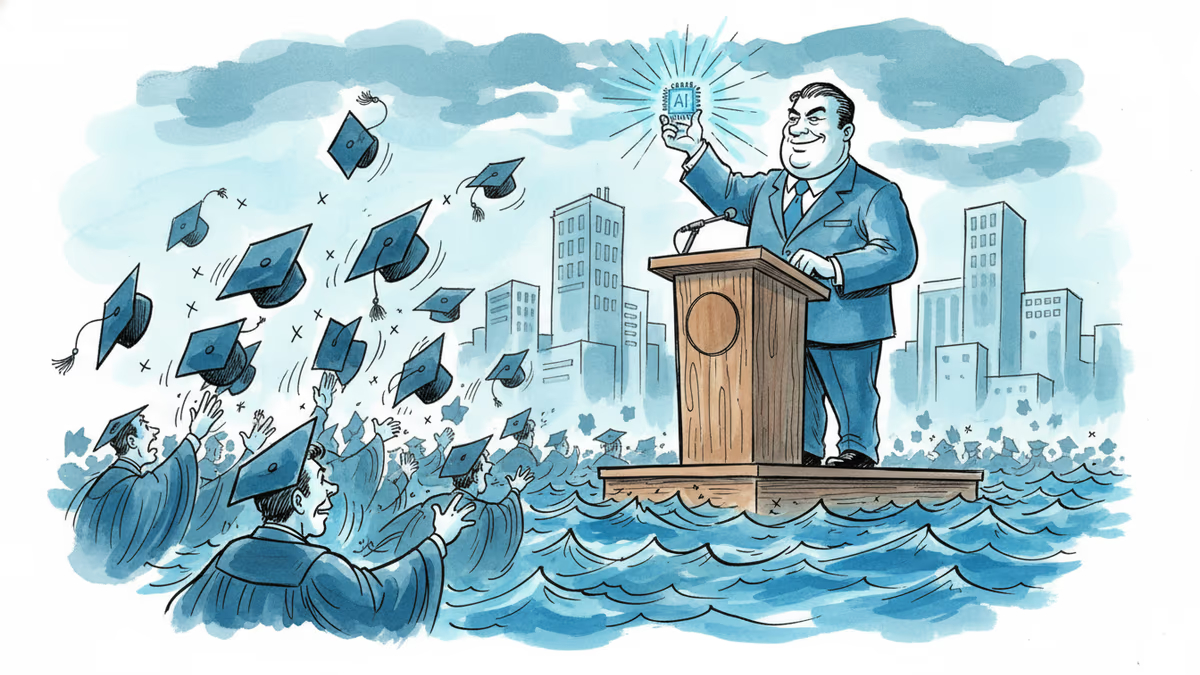
Viral videos show 2026 graduates jeering executives who praise AI at commencement ceremonies. It's not just rudeness — it's a signal about who pays for technological optimism.
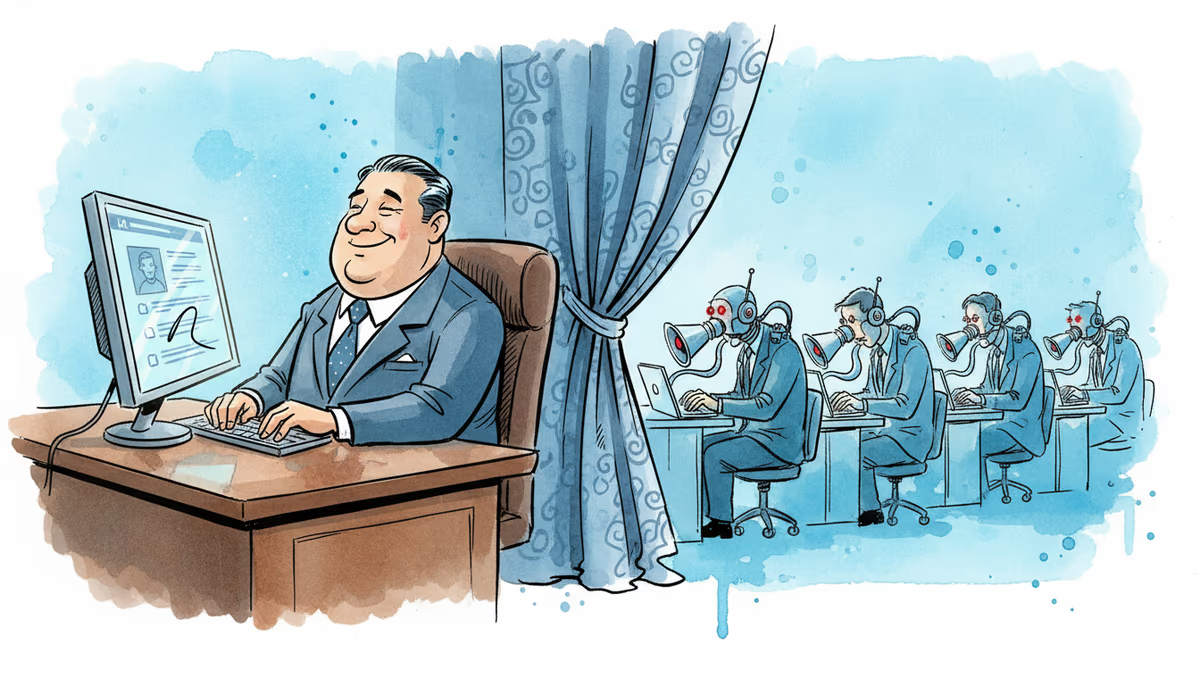
Filipino virtual assistants using AI to ghost-manage LinkedIn profiles for executives is now a structured industry. 30 comments a day, fake engagement rings, and a platform struggling to tell real from fabricated.
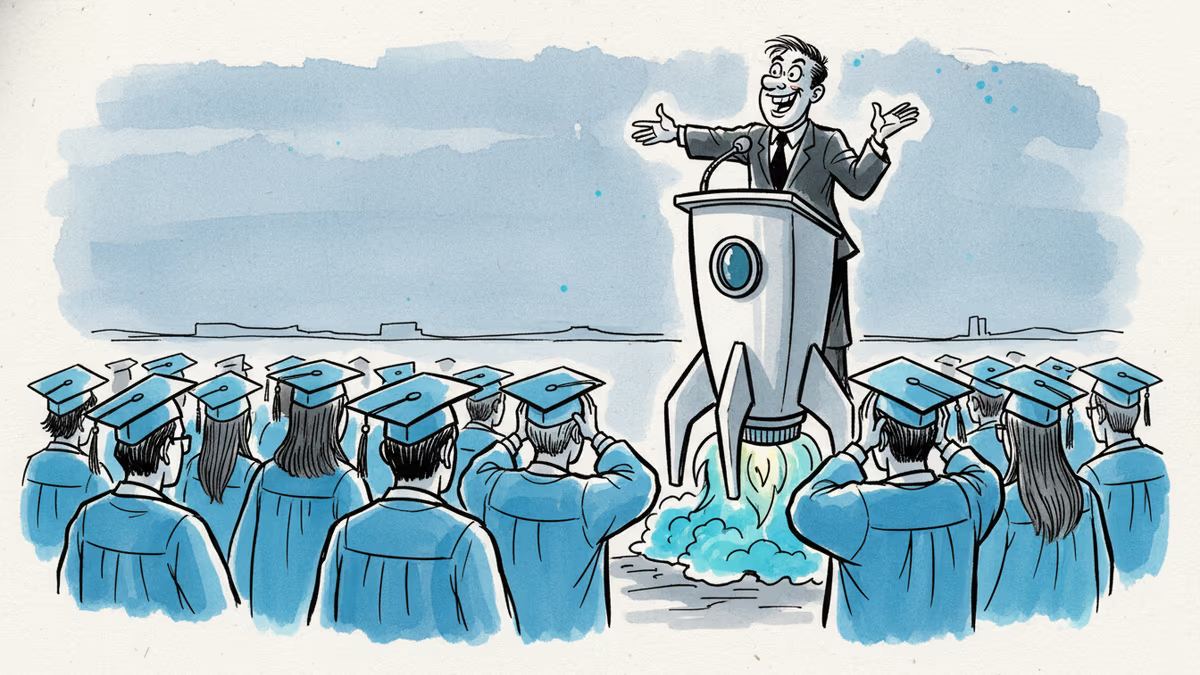
Two commencement speakers learned the hard way that AI enthusiasm doesn't land well with today's graduates. The backlash reveals a widening gap between tech optimism and Gen Z's economic reality.
Samsung and SK unveiled a chip and AI investment package worth thousands of trillions of won on June 29. The headline number swings wildly by outlet, but the real contest isn't capital — it's water and power.
Viral videos show 2026 graduates jeering executives who praise AI at commencement ceremonies. It's not just rudeness — it's a signal about who pays for technological optimism.
Filipino virtual assistants using AI to ghost-manage LinkedIn profiles for executives is now a structured industry. 30 comments a day, fake engagement rings, and a platform struggling to tell real from fabricated.
Two commencement speakers learned the hard way that AI enthusiasm doesn't land well with today's graduates. The backlash reveals a widening gap between tech optimism and Gen Z's economic reality.
Thoughts
Share your thoughts on this article
Sign in to join the conversation