
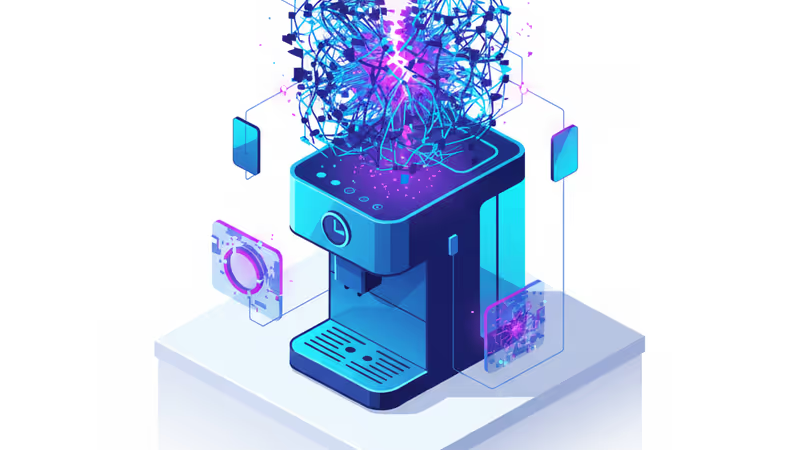
It’s 2025, and Amazon’s Generative AI Still Can’t Reliably Make a Cup of Coffee
In 2025, Amazon's generative AI assistant, Alexa Plus, is reportedly failing at simple smart home tasks like making coffee, raising critical questions about the real-world utility and reliability of advanced AI models.
The promise of a truly intelligent smart home is running into a frustratingly simple obstacle: a morning cup of coffee. According to a report from The Verge, a user's experience in December 2025 reveals that Amazon's new generative AI-powered assistant,Alexa Plus, is consistently failing to run a simple routine on a Bosch smart coffee machine. Ever since the 'upgrade', the AI offers a different excuse almost every time, turning a once-reliablesmart home into a source of daily frustration.
The Gap Between Promise and Performance
The potential forgenerative AI andLLMs to streamline the smart home has been a compelling narrative. The idea was simple: add more AIsmarts to eliminate complexity for the user. Yet, this real-world example suggests the opposite may be happening. A sophisticated new AIassistant is proving less reliable for a basic task than its simpler predecessor, raising questions about whether companies are prioritizing cutting-edge features over core functionality.

An Omen for the AI-Powered Home?
This isn't just about a malfunctioning appliance. It strikes at the heart of the trust required for AI to become truly integrated into our homes. The user's question, "I'm beginning to wonder if it ever will," as reported by The Verge, reflects a growing concern. If the most advanced consumer AI can't be trusted with a simple, low-stakes task, how can it be trusted with more critical home functions like security or energy management? The incident serves as a stark reminder that in the consumer tech space, reliability is the ultimate feature.
Authors
Related Articles

Google's Gmail Live lets you ask your inbox questions out loud. Announced at I/O 2026, it's AI's pitch to skeptics — and a reminder of how much Google already knows about you.
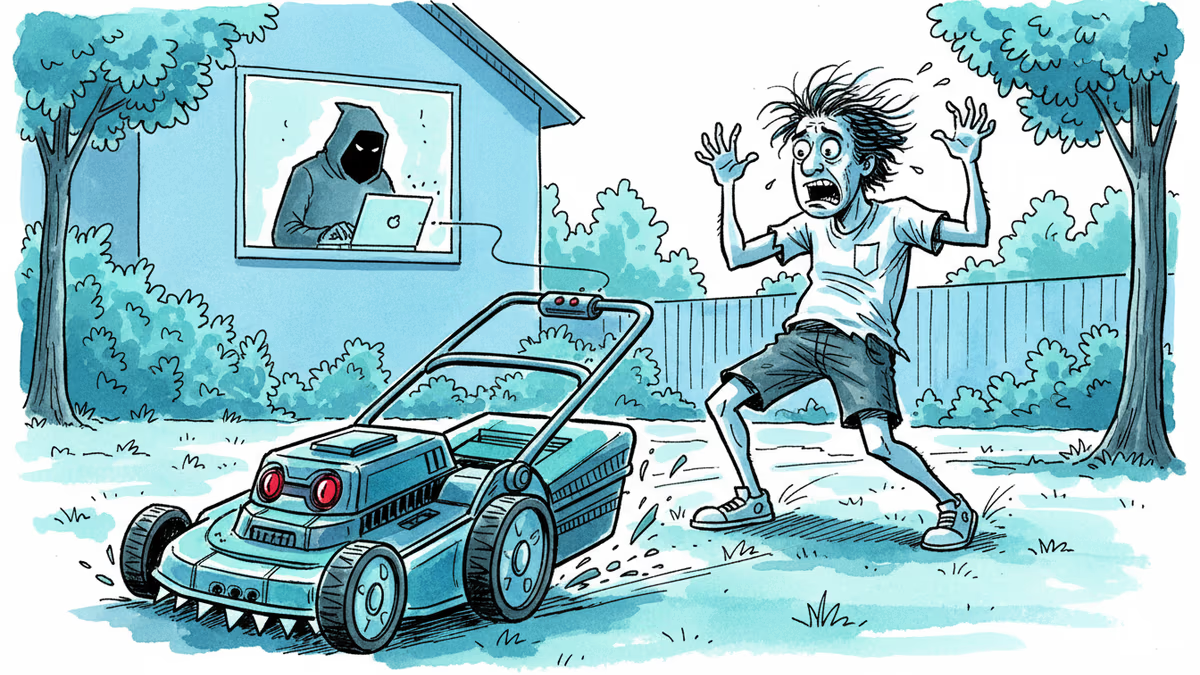
Yarbo's robot lawn mowers had critical security flaws exposing GPS, Wi-Fi passwords, and emails. The company confirmed the findings and cut remote access. But the real issue runs deeper than one brand.
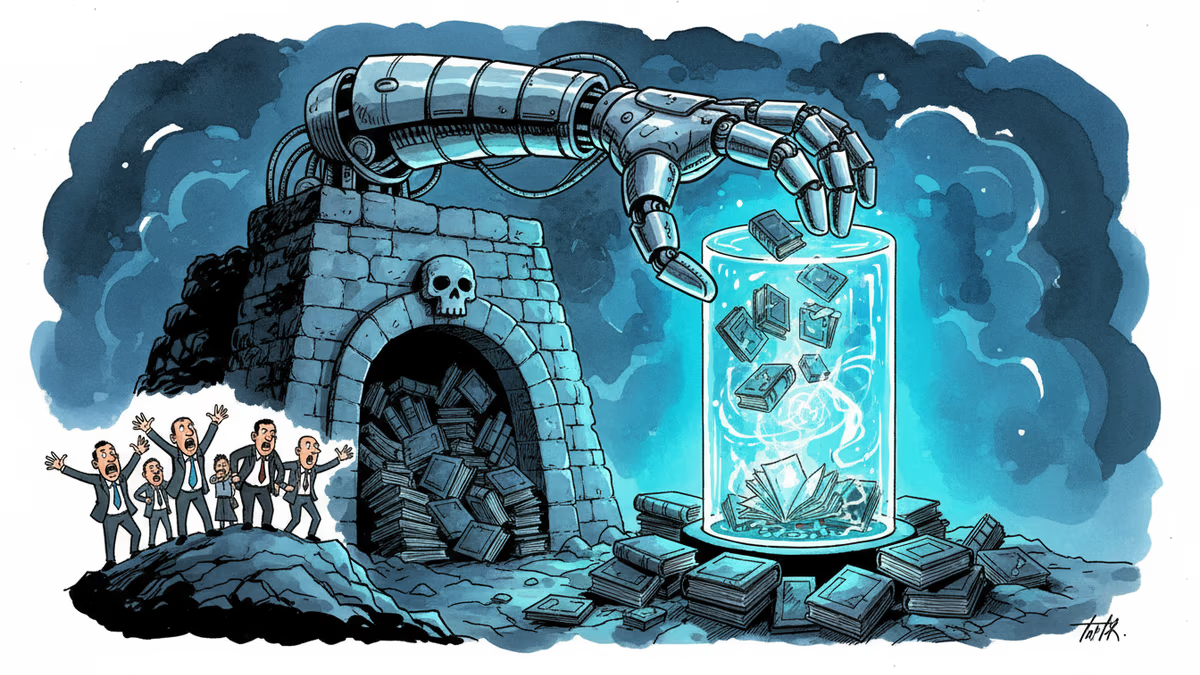
Five major publishers and author Scott Turow have filed a class action lawsuit against Meta, alleging the company used illegal pirate sites like LibGen to train its Llama AI models without permission.
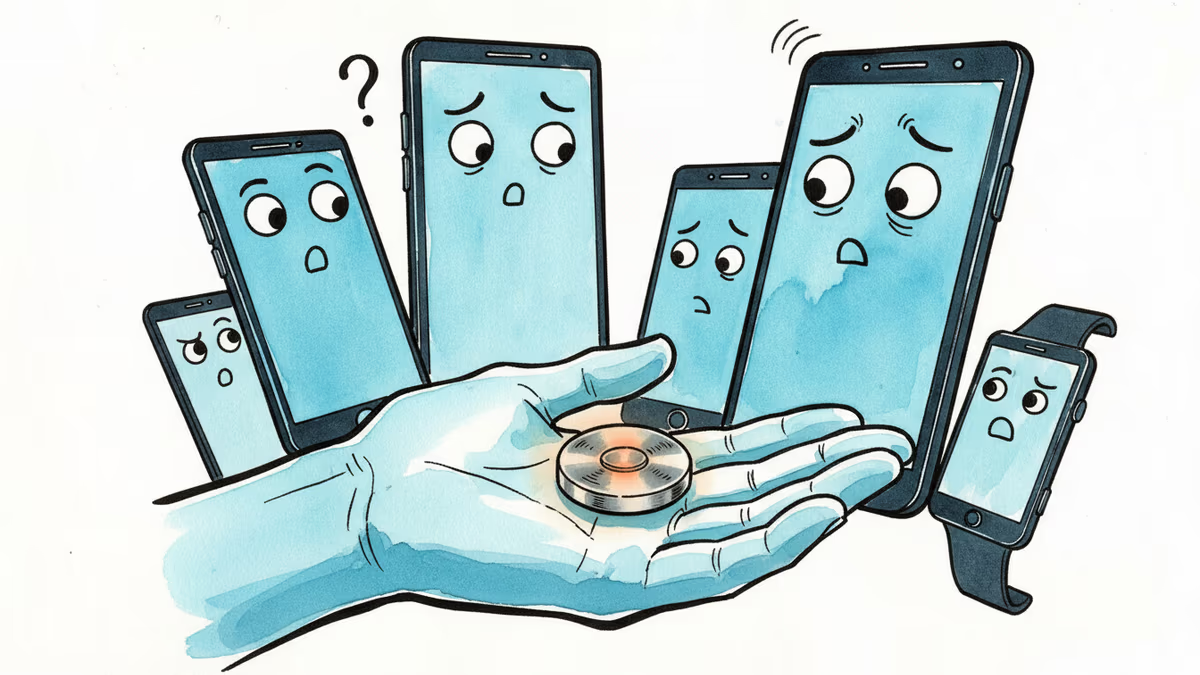
Two ex-Apple engineers built an AI puck that only listens when you press it. At $179, Button is a deliberate bet that dedicated AI hardware beats the Swiss Army knife approach of smartphones.
Google's Gmail Live lets you ask your inbox questions out loud. Announced at I/O 2026, it's AI's pitch to skeptics — and a reminder of how much Google already knows about you.
Yarbo's robot lawn mowers had critical security flaws exposing GPS, Wi-Fi passwords, and emails. The company confirmed the findings and cut remote access. But the real issue runs deeper than one brand.
Five major publishers and author Scott Turow have filed a class action lawsuit against Meta, alleging the company used illegal pirate sites like LibGen to train its Llama AI models without permission.
Two ex-Apple engineers built an AI puck that only listens when you press it. At $179, Button is a deliberate bet that dedicated AI hardware beats the Swiss Army knife approach of smartphones.
Thoughts
Share your thoughts on this article
Sign in to join the conversation